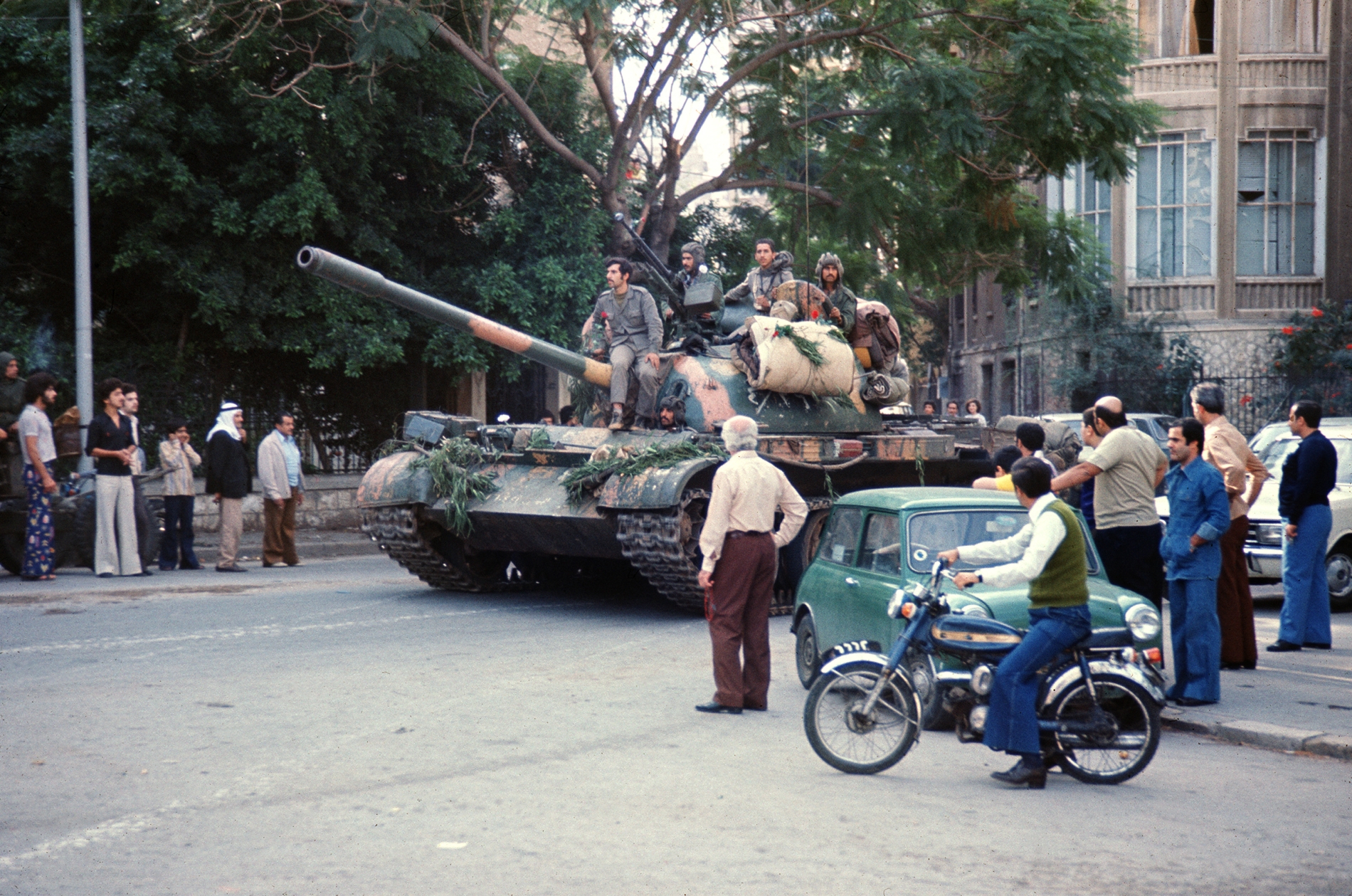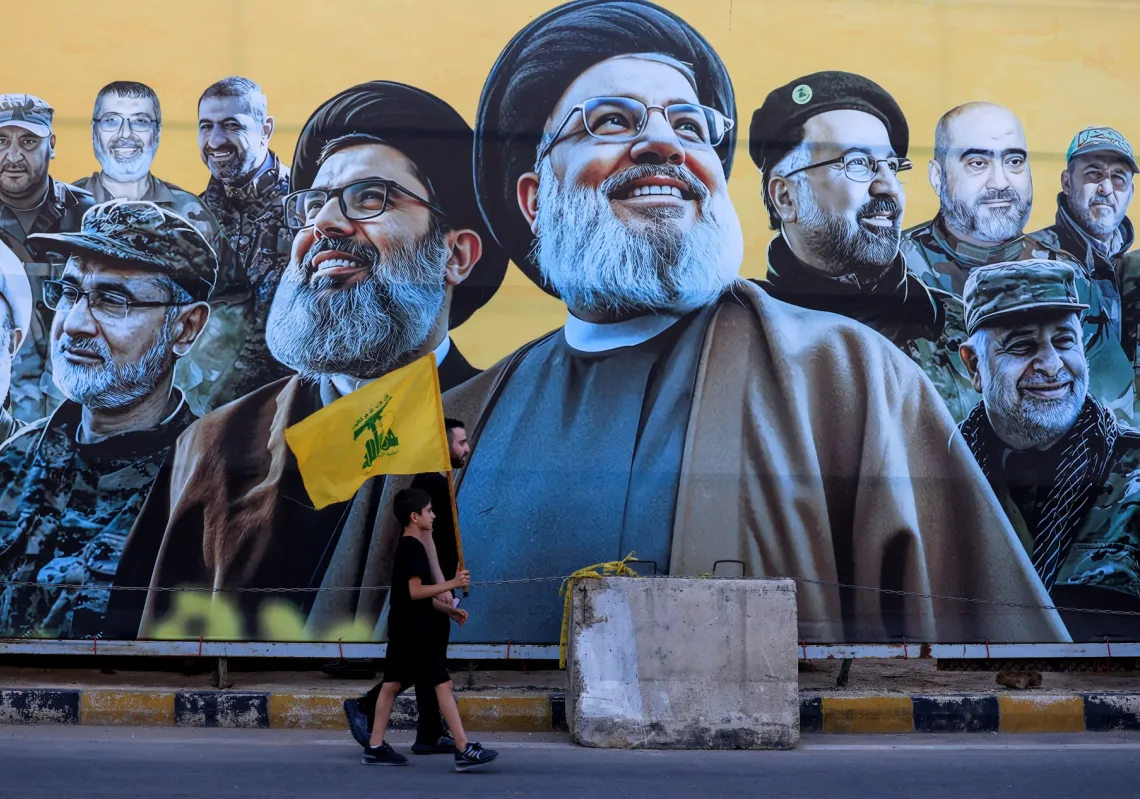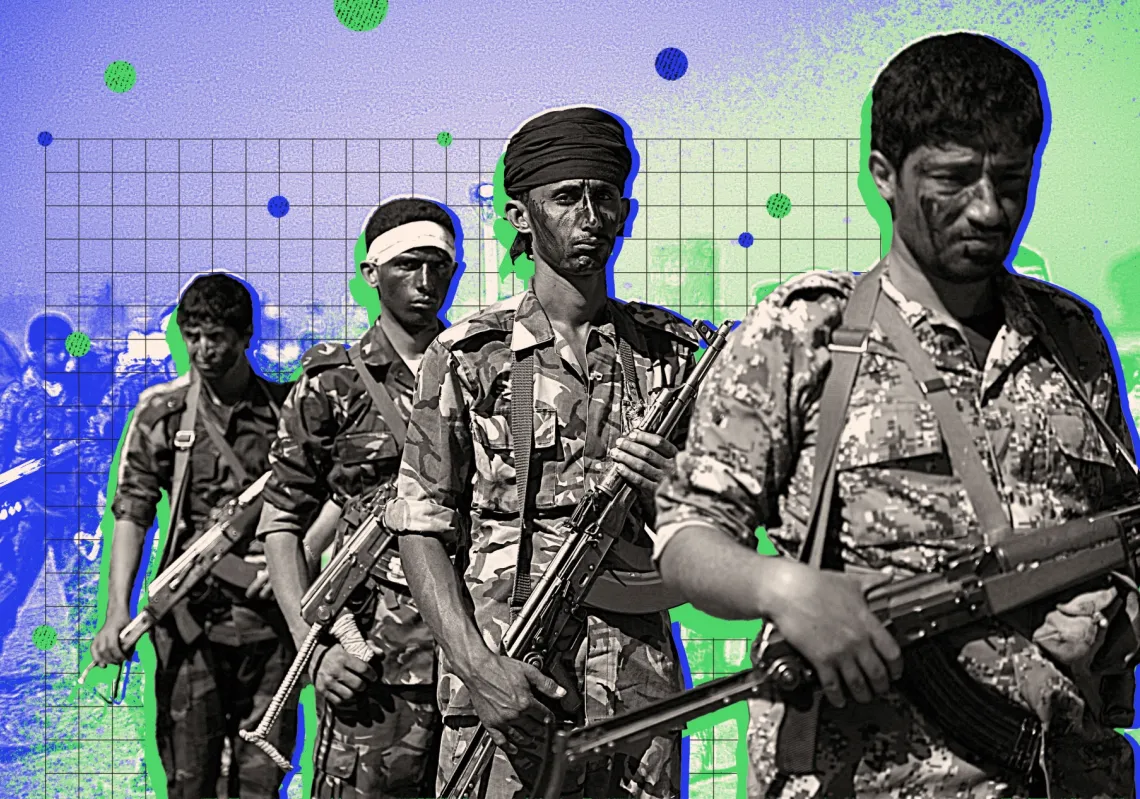

When Hezbollah began attacking Israel on 2 March shortly after Israeli and American bombers killed Iran’s Supreme Leader Ali Khamenei, Israel hit back. Their sparring, which has continued ever since, is nothing new—the pair are sworn enemies who have fought several wars in recent decades. What was new was the question many asked this time round: will Syria wade in? Syria’s military finally left Lebanon in 2005 after a 30-year occupation. The thought that it might go back in sent a shudder down several spines.
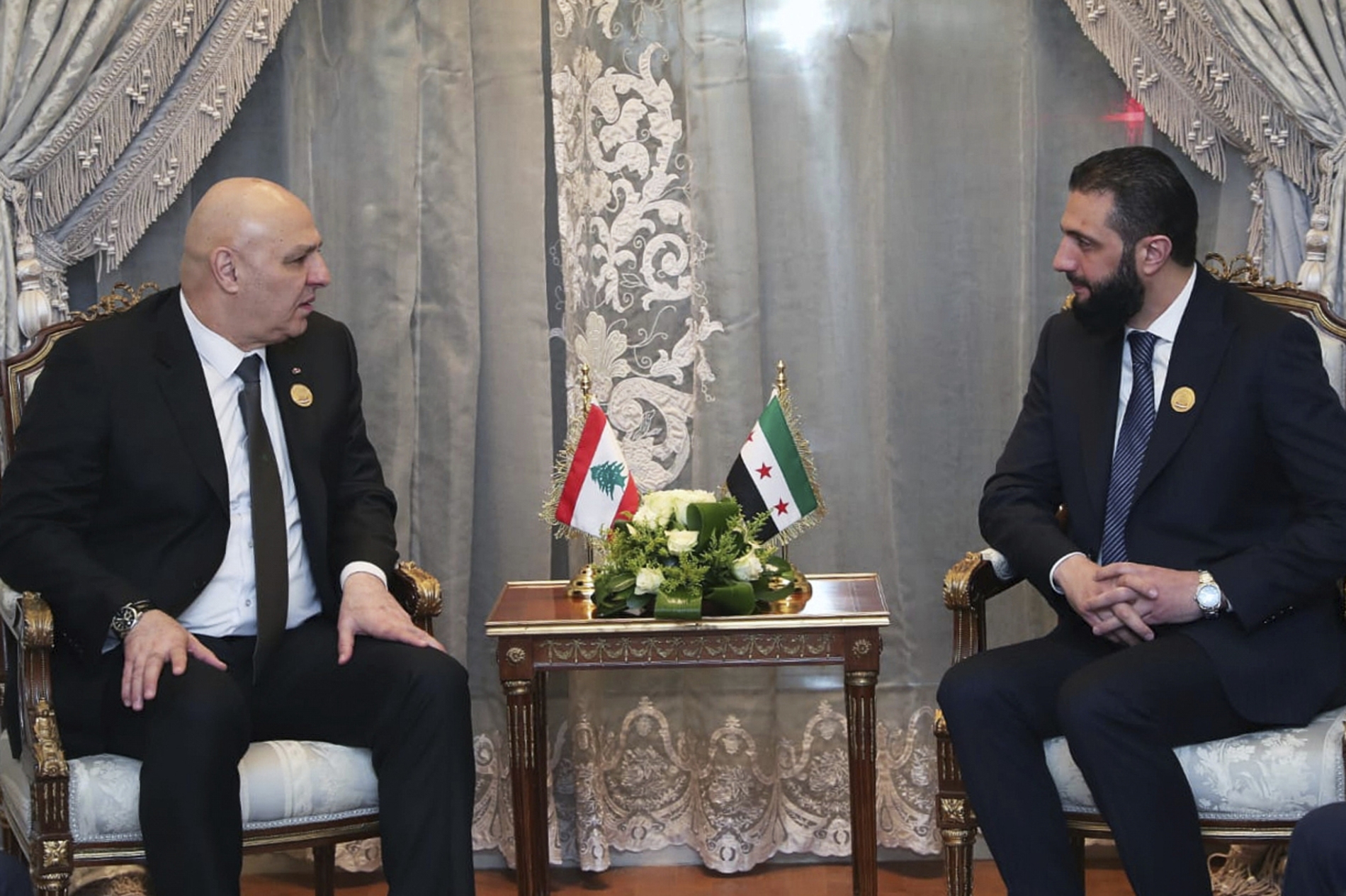
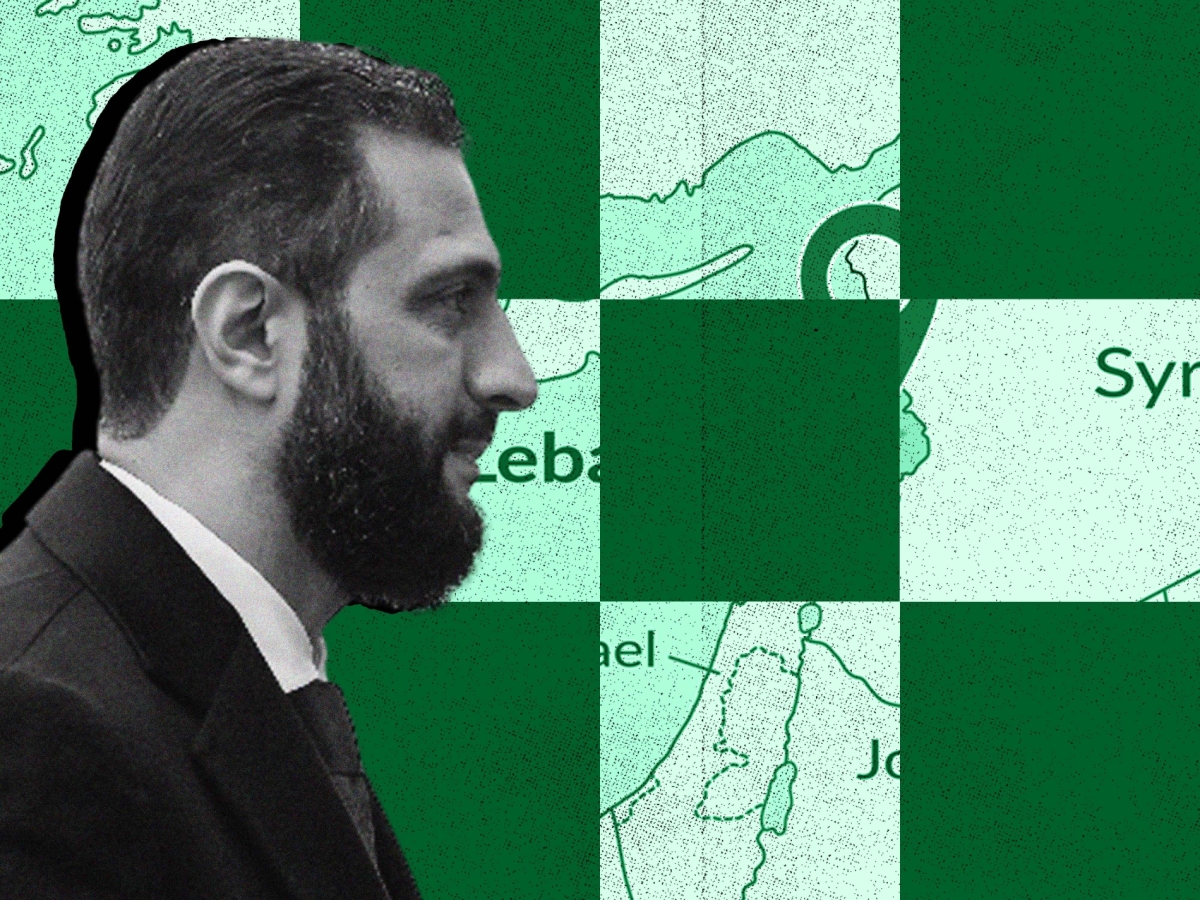
The new Syrian government is no supporter of Hezbollah; quite the opposite. In this, it has found common ground with Lebanon’s new leadership, notably President Joseph Aoun (a former army chief) and Prime Minister Nawaf Salam (a former judge). For the first time in years, it appears that Tel Aviv, Damascus, and Beirut are on the same page when it comes to Hezbollah. Interests aligned, the rumour mill went into overdrive.
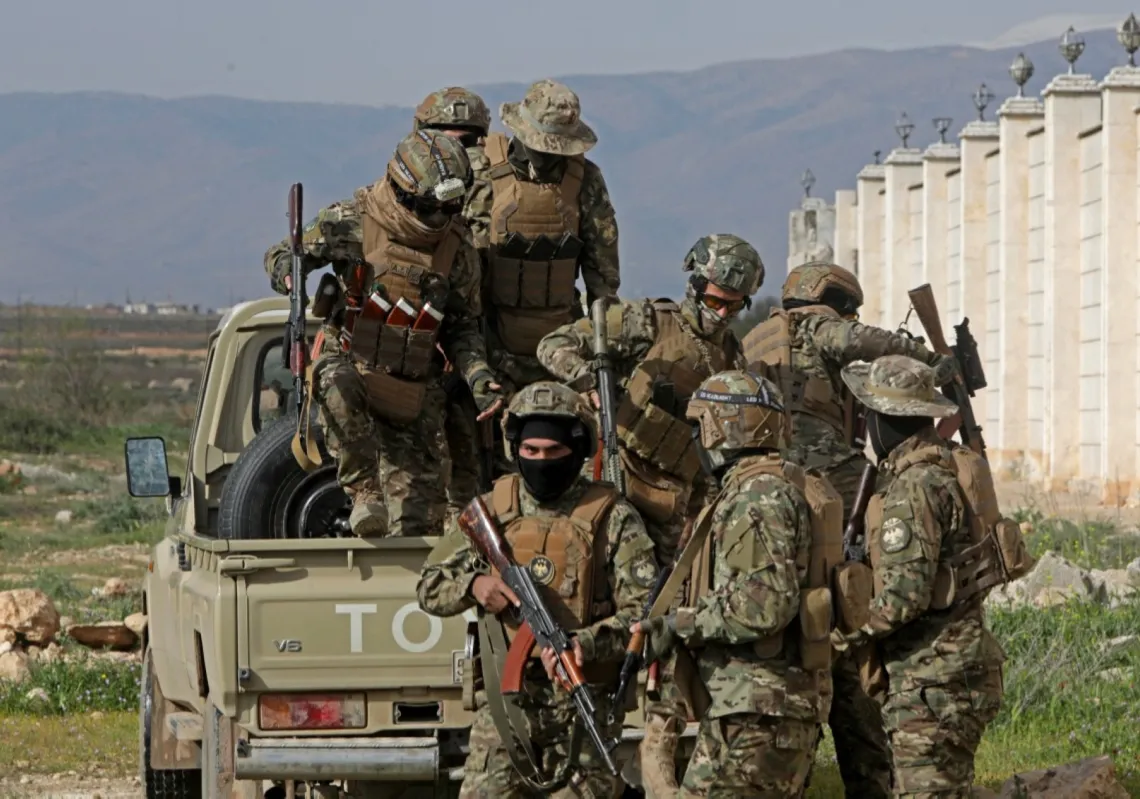
Some suggested that Hezbollah may be caught in a pincer movement, whereby Israel would encircle the group from the south, Lebanon’s army would approach from the north, and the Syrian army would come from the east via Lebanon’s Bekaa Valley. This scenario gained currency after Israel linked its positions in southern Syria to those in southern Lebanon, and after the Syrian army deployed units along the border.
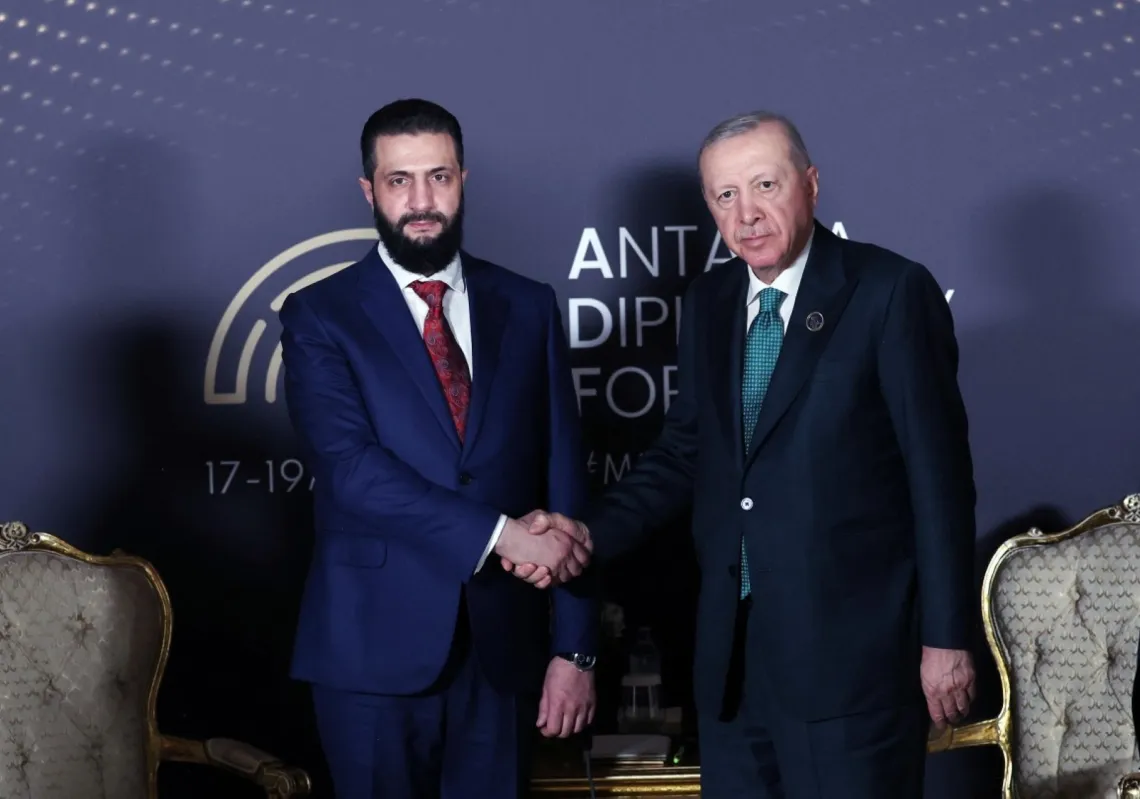
Most still assumed that this was fanciful until US President Donald Trump said Syria could replace Israel in confronting Hezbollah inside Lebanon. Speaking to Fox News on 21 June, he said he was “frustrated that Israel cannot eliminate Hezbollah,” adding: “I’m close to handing the matter over to Syria.” Days earlier, at the G7 summit in France, he praised Syrian President Ahmed al-Sharaa, adding: “If Israel cannot get the job done against Hezbollah without killing everyone, he (al-Sharaa) will take care of it, Syria will do the job.”
Trump’s comments suggested that the matter had already been discussed and agreed upon, but it soon became clear that Damascus was not on board. Al-Sharaa denied that Syria sought to intervene militarily in Lebanon, saying: “Our proposal with the United States is based on the necessity that the war must stop.”
Key focus
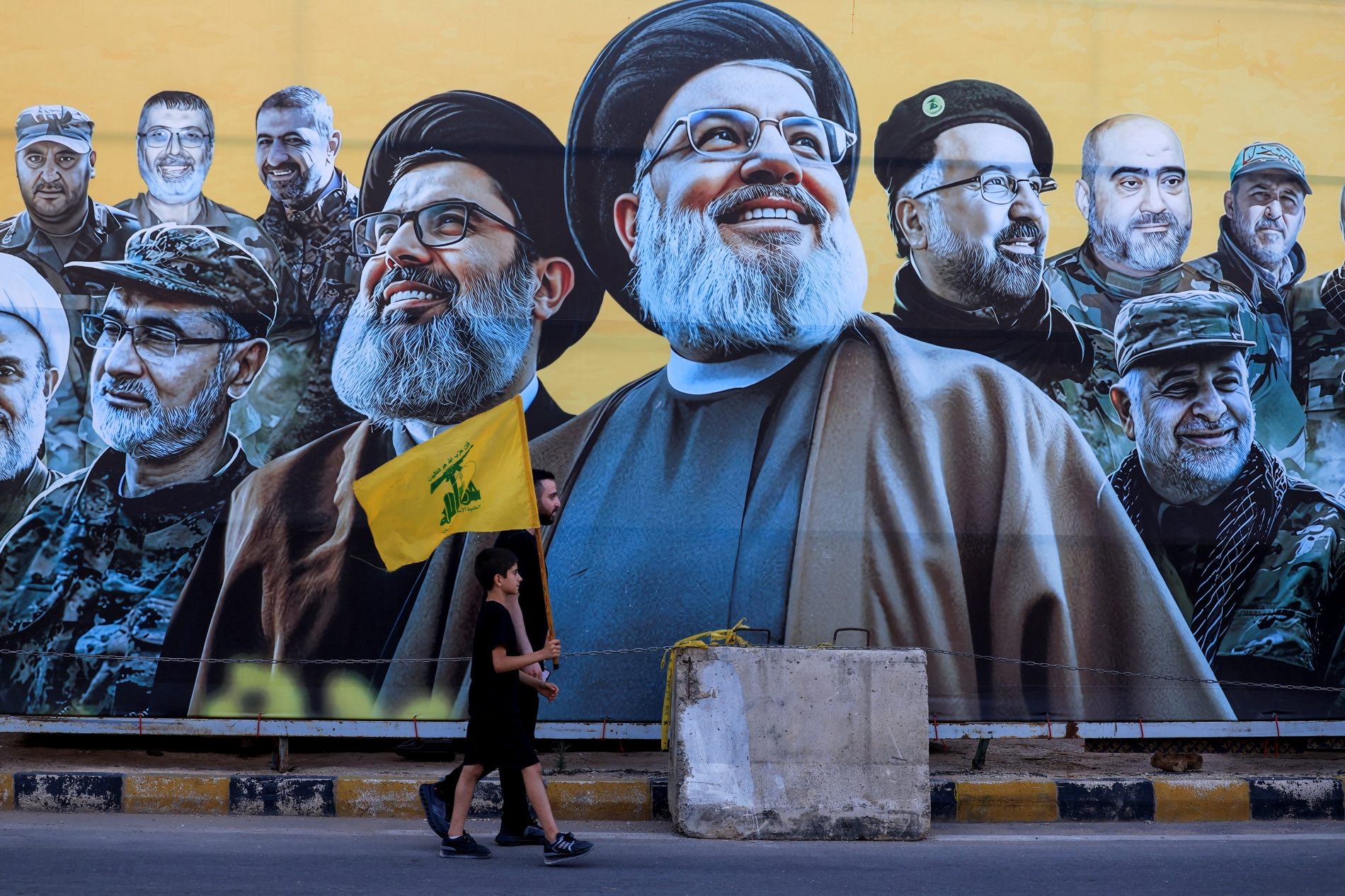
The president’s remarks show that Hezbollah remains a key American focus in the Middle East, especially given that Iran has made a ceasefire in Lebanon a condition of its own ceasefire with the United States. Yet to analysts, the significance of Trump’s mooted idea lies more in the political message it carries.
Washington wants Iran to know that any agreement will not compromise Israel’s security, which is threatened by Hezbollah, so the issue cannot be deferred to a later stage. If the Iranians felt that Washington might overlook Hezbollah’s weapons to secure a nuclear agreement, they would be mistaken.