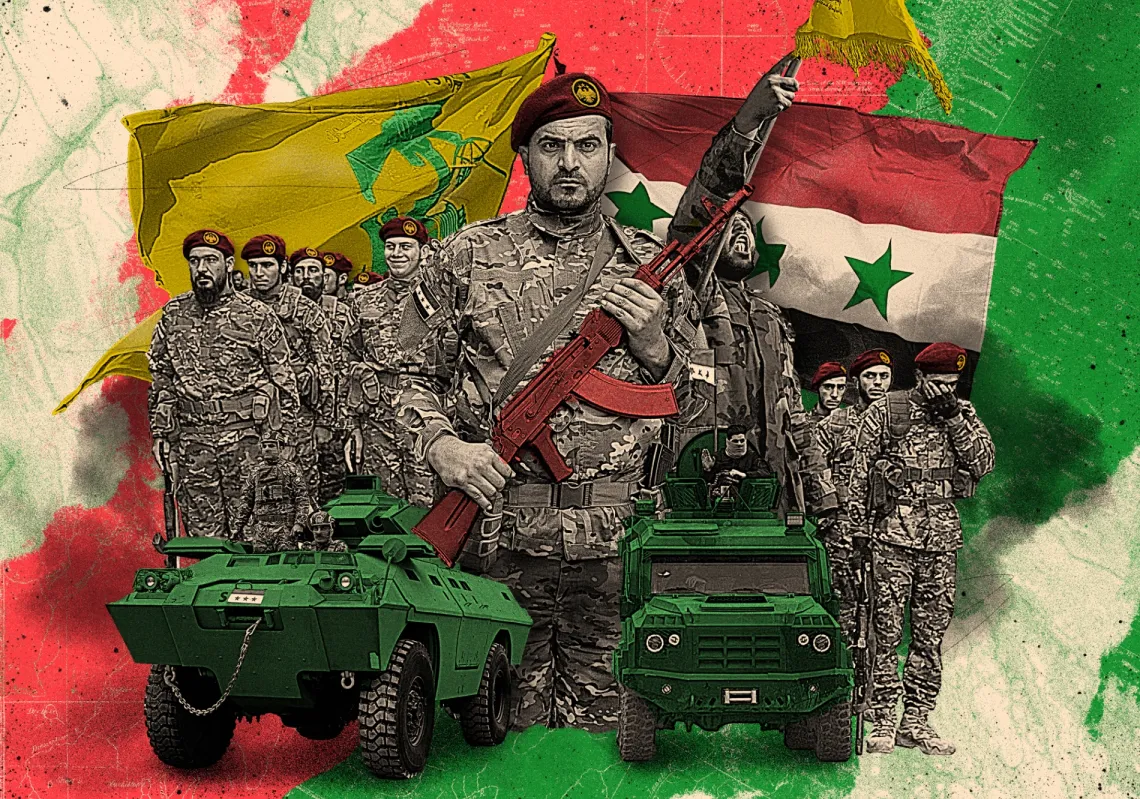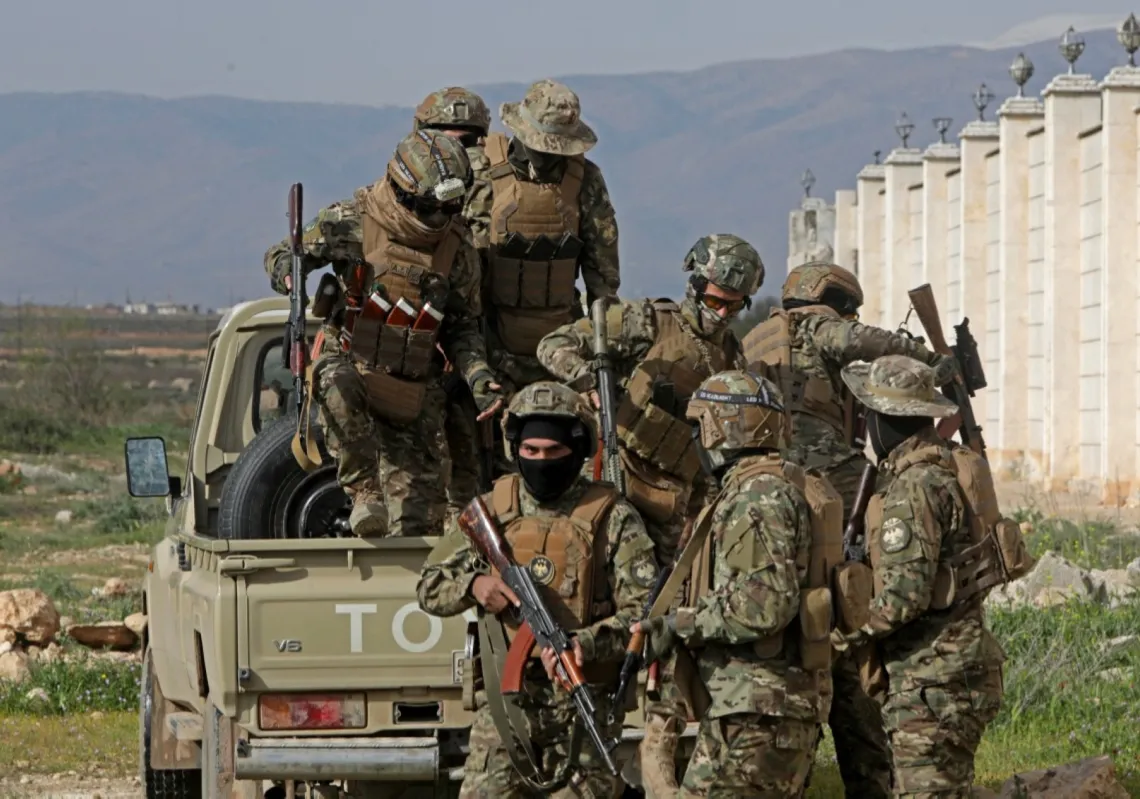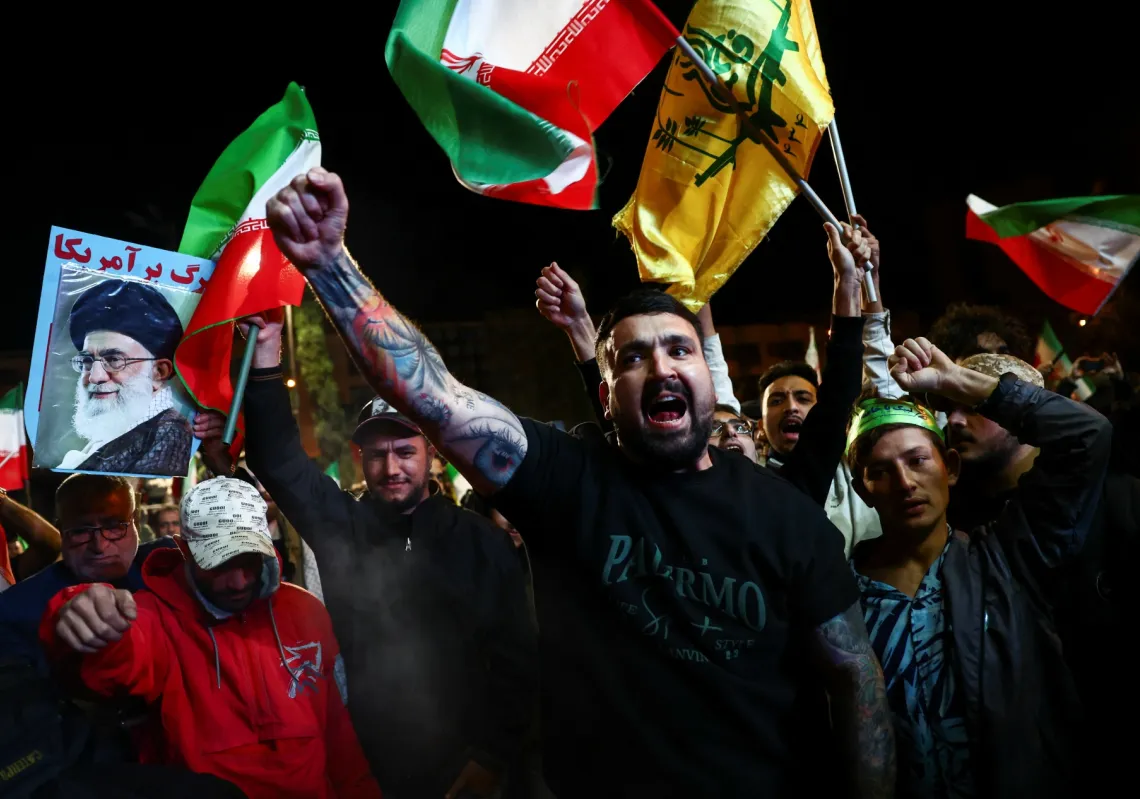

Donald Trump’s suggestion that Syria should take on the task of eliminating Hezbollah in Lebanon has sparked a fresh discussion in the region. For decades, Israel has attacked Hezbollah across its northern border, but in remarks he made on the sidelines of the G7 Summit in France, and later reiterated on other occasions, the US president said Israeli operations were resulting in too many casualties and that Syria could carry out the task more effectively.
Trump said: “Israel’s fighting Hezbollah too long and too many people are being killed. You don’t have to knock down an apartment house every time you’re looking for somebody, because there are a lot of people in those apartment houses, and they’re not all Hezbollah, that I can tell you... I suggested to Israel to let Syria take care of Hezbollah, because, to be honest with you, I think they’d do a better job.”
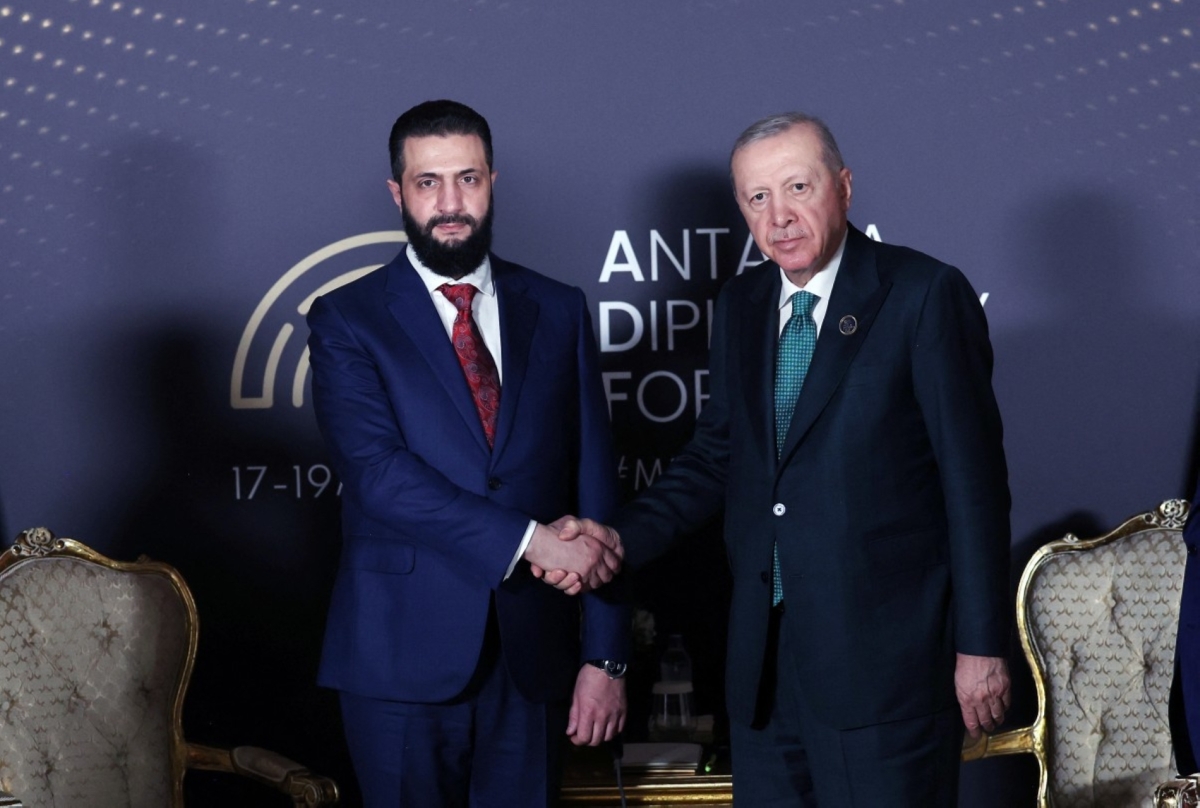
Syria’s President Ahmed al-Sharaa is a former al-Qaeda commander who Trump said took a tough approach to the Lebanon-based militia supported by Iran. Speaking about al-Sharaa last week, Trump said: “He’s not a Boy Scout, but he’s done an amazing job of pulling it together, and he is very good with Hezbollah. He does not like them.” Referring to al-Sharaa, Trump said: “If Israel can’t do the job without killing everyone else, he’ll do the job, Syria will do the job.”
Reuters has reported that the US first encouraged Syria to send troops into eastern Lebanon back in March. Still, this did not appear to be the announcement of a plan that had been jointly developed after consultation, but rather a spontaneous idea voiced without having considered the implications, the historical context, or the broader picture, and reactions to Trump’s proposal were not positive, with Syria, Israel, and Lebanon all outlining their reluctance and opposition.
Syrian President Ahmad al-Sharaa told Al-Mashhad TV on 21 June that Syria would support the Lebanese state by strengthening its official institutions and creating links among Lebanese forces, but opposed the idea of the Syrian army entering Lebanon to achieve this. He said “creative” solutions were needed in Lebanon, rather than “traditional” ones. This was interpreted as a reference to the occupation of Lebanon by former Syrian President Hafez al-Assad’s army from 1976 to 2005, which still haunts many Lebanese.
Syria’s interior ministry echoed the point, saying: “Lebanon is a sovereign state and not a backyard, as the former regime viewed it.” Lebanon’s justice minister said disarming Hezbollah was the responsibility of the government, not foreign armies. And while regional states such as Türkiye, Saudi Arabia and Qatar have not issued official statements on the matter, their silence should not be considered as consent.
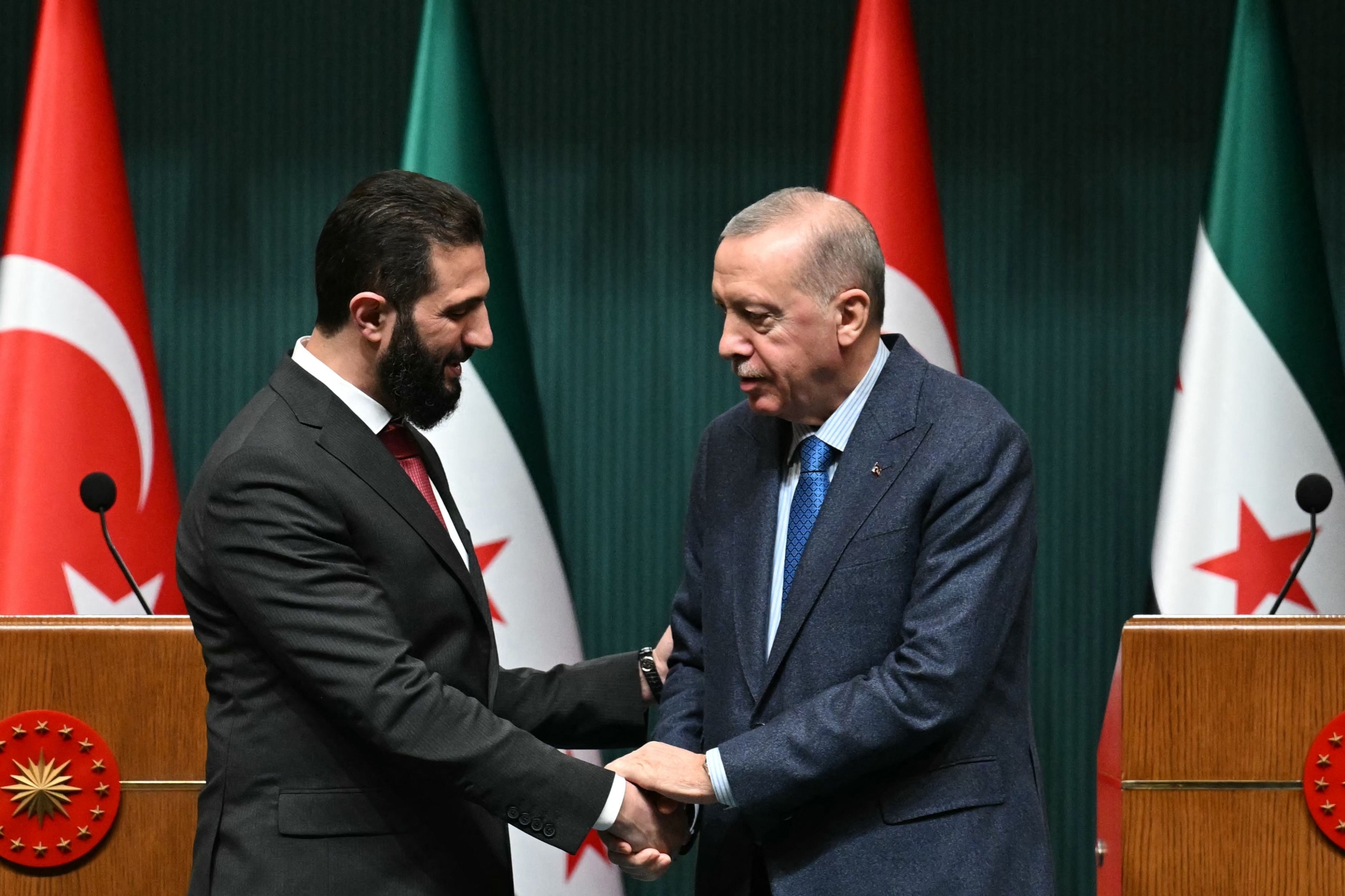
Disquiet in Ankara and the Israel factor
For its part, Türkiye, which has been closely involved in developments in Syria, is monitoring the situation. Ankara currently enjoys good relations with Damascus, but is at odds with Tel Aviv over numerous issues.
Türkiye has strongly criticised Israel and considers it to be one of the major obstacles facing al-Sharaa in his quest to rebuild Syria after more than a decade of civil war. Turkish leaders condemn Israel’s actions that fail to respect Syria’s sovereignty and threaten its unity. For its part, Israel views Türkiye as the potential next Iran, with Israeli politicians having made public statements claiming that it is even a bigger threat than Iran.