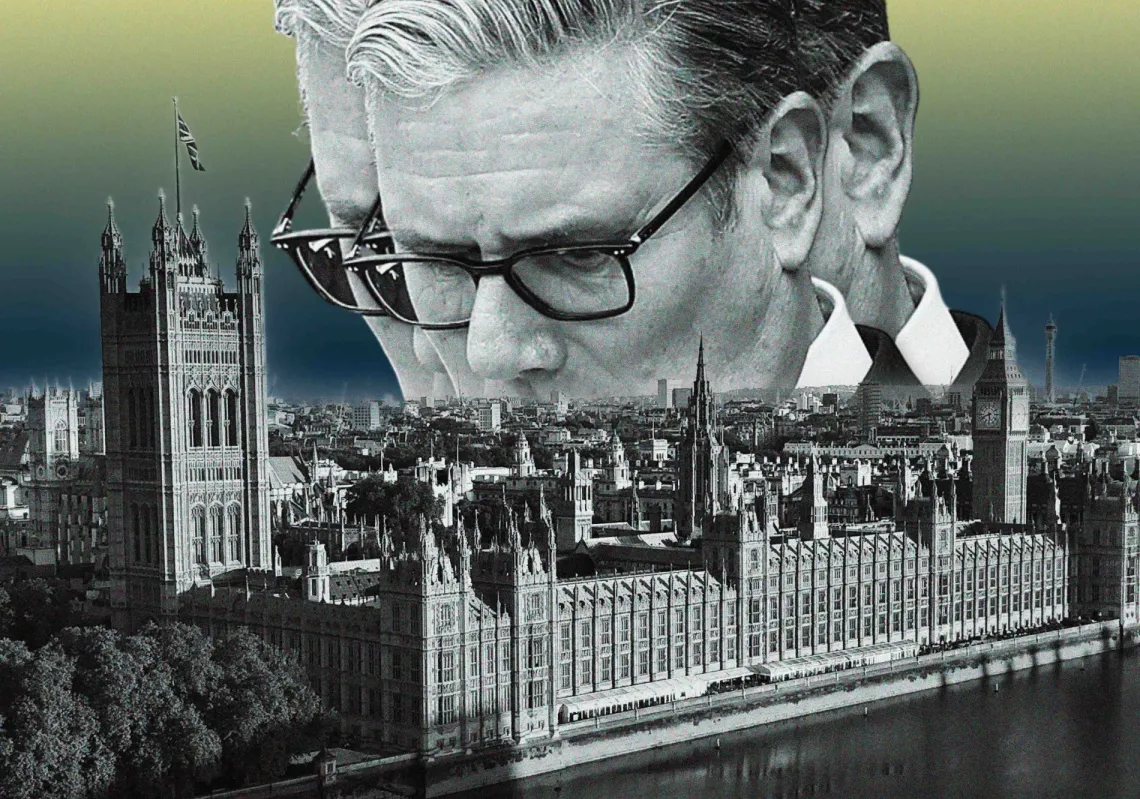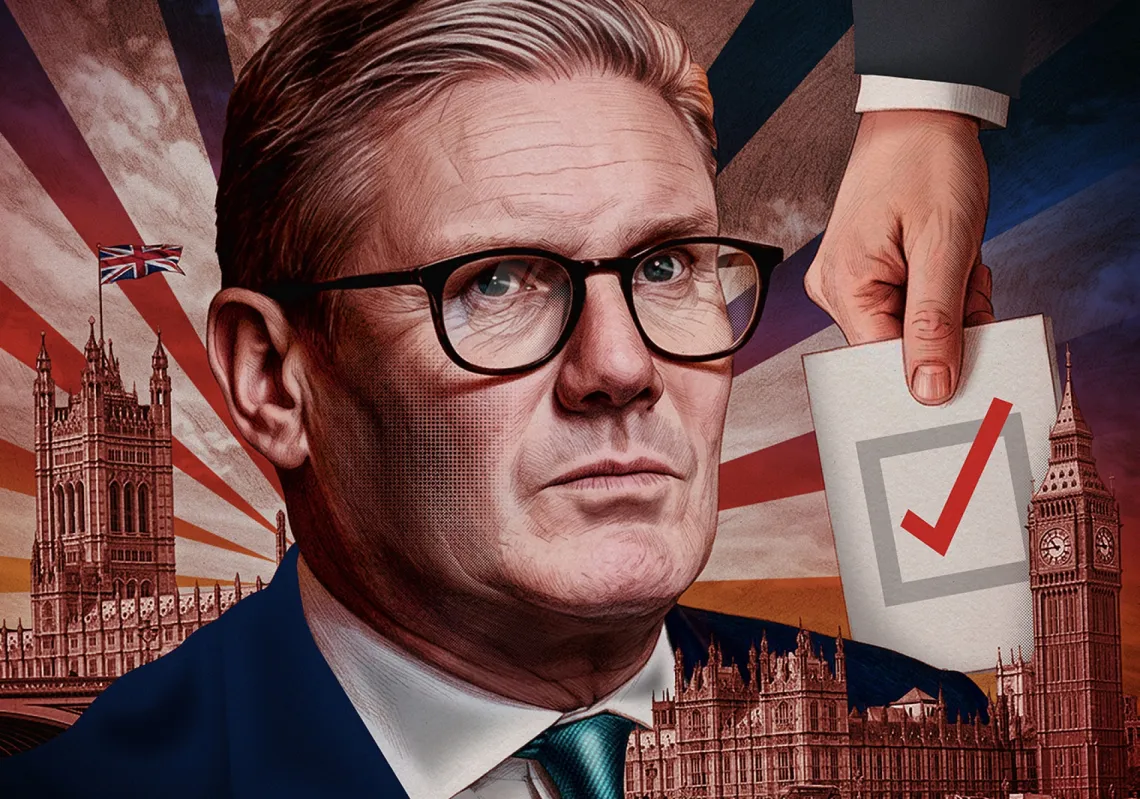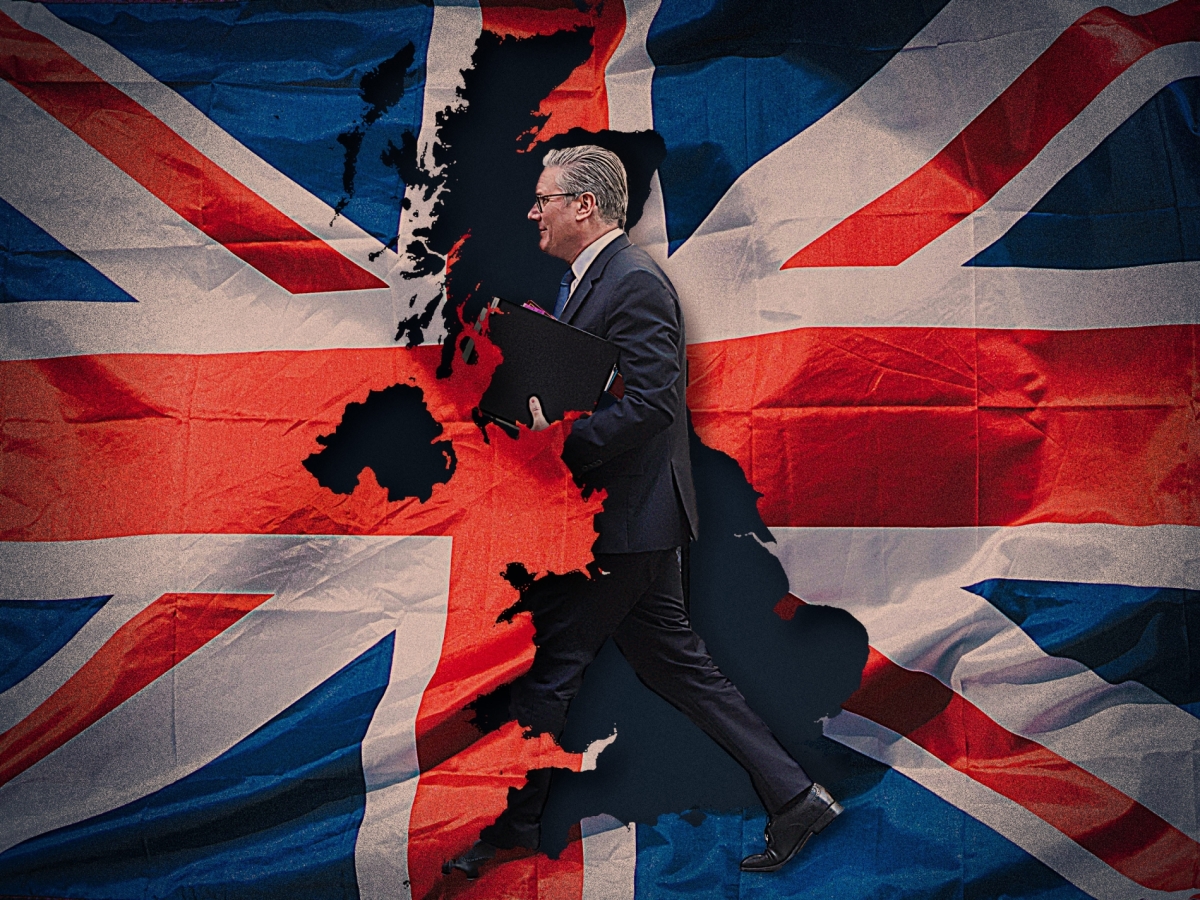

Keir Starmer was always a curious choice for Labour Party leader; he never got the hang of politics and often gave the impression he didn’t want to. Britain’s former chief prosecutor imperceptibly rose up the party ranks at a time when Labour was desperate for someone with the basic commodity of competence—nothing more, nothing less.
The Britain of 2020 was in the throes of post-European referendum chaos. It had just transpired to elect Boris Johnson as prime minister, despite his buffoonery, based on his vague promise to “get Brexit done.” The main opposition party was in the grasp of the far-left Jeremy Corbyn. It decided on a change of course and settled on a man with no history: Starmer.
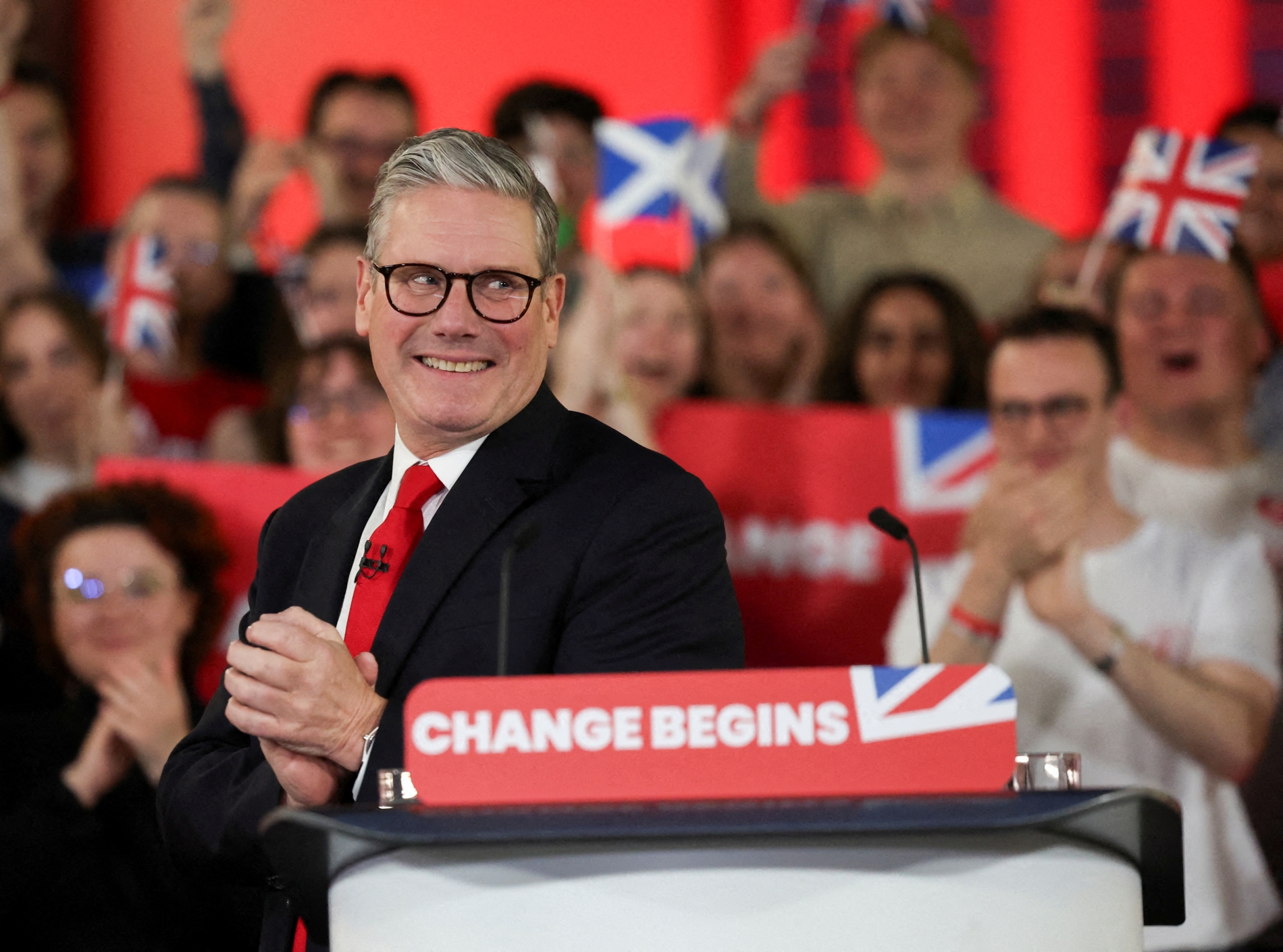
His promise was to make Labour electable again, and that he did emphatically. In July 2024, Labour won a general election for the first time in 14 years and with a thumping majority of 174. It was the third-best showing in the party’s history. The Conservatives had collapsed. The two insurgent parties that are now the talk of the town—the far-right Reform UK and leftist Greens—were nowhere to be seen.
Starmer inherited an economy in the doldrums, overleveraged on the bond markets, and a moribund public infrastructure. There was little of the exuberance and optimism that marked Tony Blair’s famous victory in 1997. But there was relief and an assumption that the dour new prime minister would roll up his sleeves and make things work again.
Less than two years later, the mood is sourer, and living standards for most have continued to stagnate or have fallen further back. Starmer's final days in office were spent being assailed by all factions within his party and suffering possibly the worst opinion poll ratings of any prime minister in recent times. In recent elections for local councils in England and for parliaments in Scotland and Wales, Labour was humiliated.
As members of his own party called on him to resign, Starmer dug in his heels. He promised to learn the lessons: A big speech was advertised as relaunching his leadership with added passion and vision. Instead, it was a damp squib. He finally agreed to resign on 22 June.
How did it all come to this?
In his biography of the British PM, published shortly before Starmer entered No. 10 Downing St., Tom Baldwin called him the “unpolitician”—“because he doesn’t fit the template of political leaders,” Baldwin wrote in the Guardian in February 2024. Baldwin intended the phrase as a compliment, adding: “His backstory is messy and flawed, and he has neither a grandiose vision that can be summed up in a three-word slogan nor the kind of charisma that for so long made so many think Boris Johnson was unbeatable. However, even if ‘unpolitician’ had been a real word, it still wouldn’t have been a fair description of Starmer, who, for all his misgivings about this profession, has learned how to become pretty good at it.” Though still personally loyal, Baldwin has joined the mass ranks of those who see how much he has disappointed.