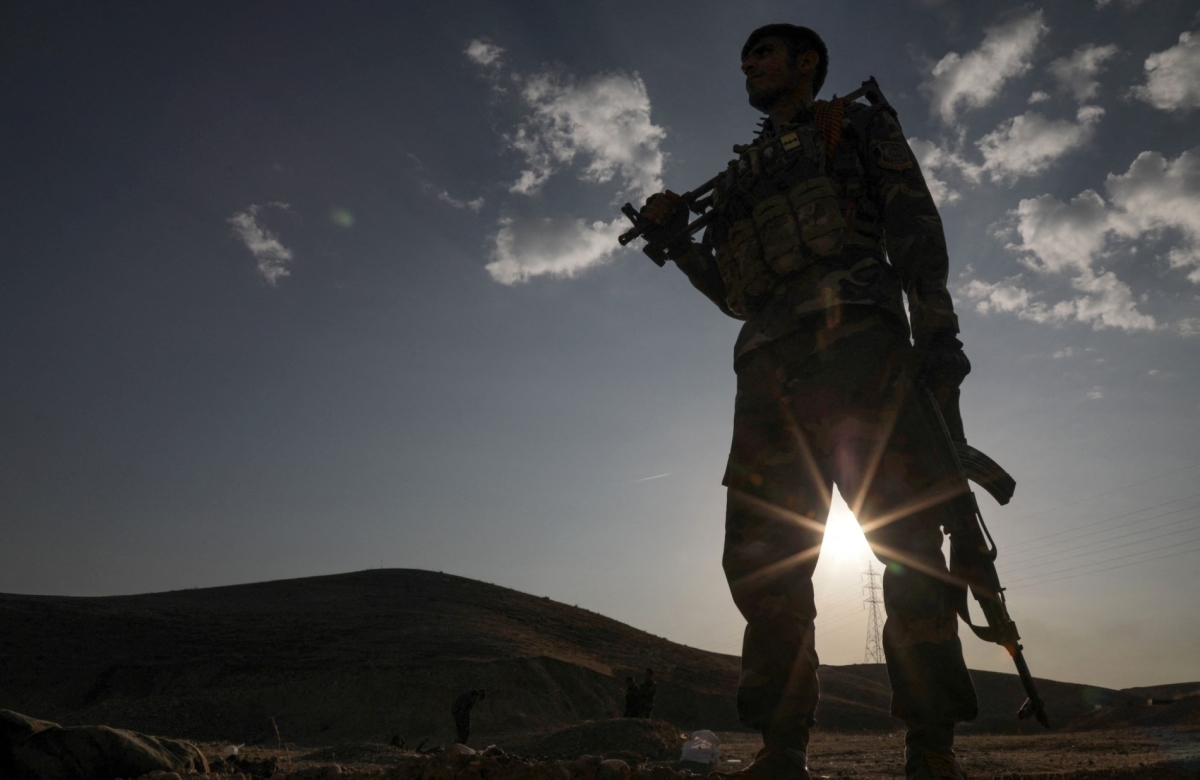

In the first weeks after the US-Israel war against Iran, something unusual was happening in Erbil’s car dealerships. Representatives of Iranian Kurdish factions were reportedly buying SUVs in bulk. Cadres were being recalled from Europe, Australia, and Canada. Movement intensified along the border. According to multiple sources, some factions were told to expect a ‘go’ order within 72 hours once the green light was provided by the US and Israel.
The plan, as conceived, followed a familiar script: air power from above, insurgency from below. Israel’s Benjamin Netanyahu had spent roughly an hour of his pre-war Washington meeting pressing Donald Trump on the idea that Iranian Kurdish groups, operating from bases in northern Iraq, could help tip the Iranian regime into collapse. Trump agreed. Limited US financial support was quietly extended for preparations. A larger weapons transfer was promised.
The expectation, at least among some of the factions involved, was that they would enter Kurdish towns in western Iran as US and Israeli jets suppressed Iranian security forces, and their advance would trigger a broader popular uprising in the country. None of it happened. Within a week of the war’s start, Trump cancelled the plan and the Kurdish front never materialised. Its failure offers one of the clearest windows yet into both the limits of external pressure on Iran and the enduring resilience of the Islamic Republic.
A non-starter plan
The architecture of the Kurdish option had a fatal weakness from the outset: many of the regional actors needed to make it work were deeply reluctant. Reports in early 2026 indicated that US officials explored cooperation with Iranian Kurdish armed factions as part of broader pressure on Tehran, but both Türkiye and the Kurdistan Regional Government in Erbil feared the consequences of empowering Iranian Kurdish militias.
Ankara viewed groups such as PJAK as a separatist threat, Iraqi Kurdish authorities felt overt support for cross-border operations would invite Iranian retaliation, while analysts and former officials questioned whether arming fragmented Kurdish groups could realistically trigger a broader uprising inside Iran.
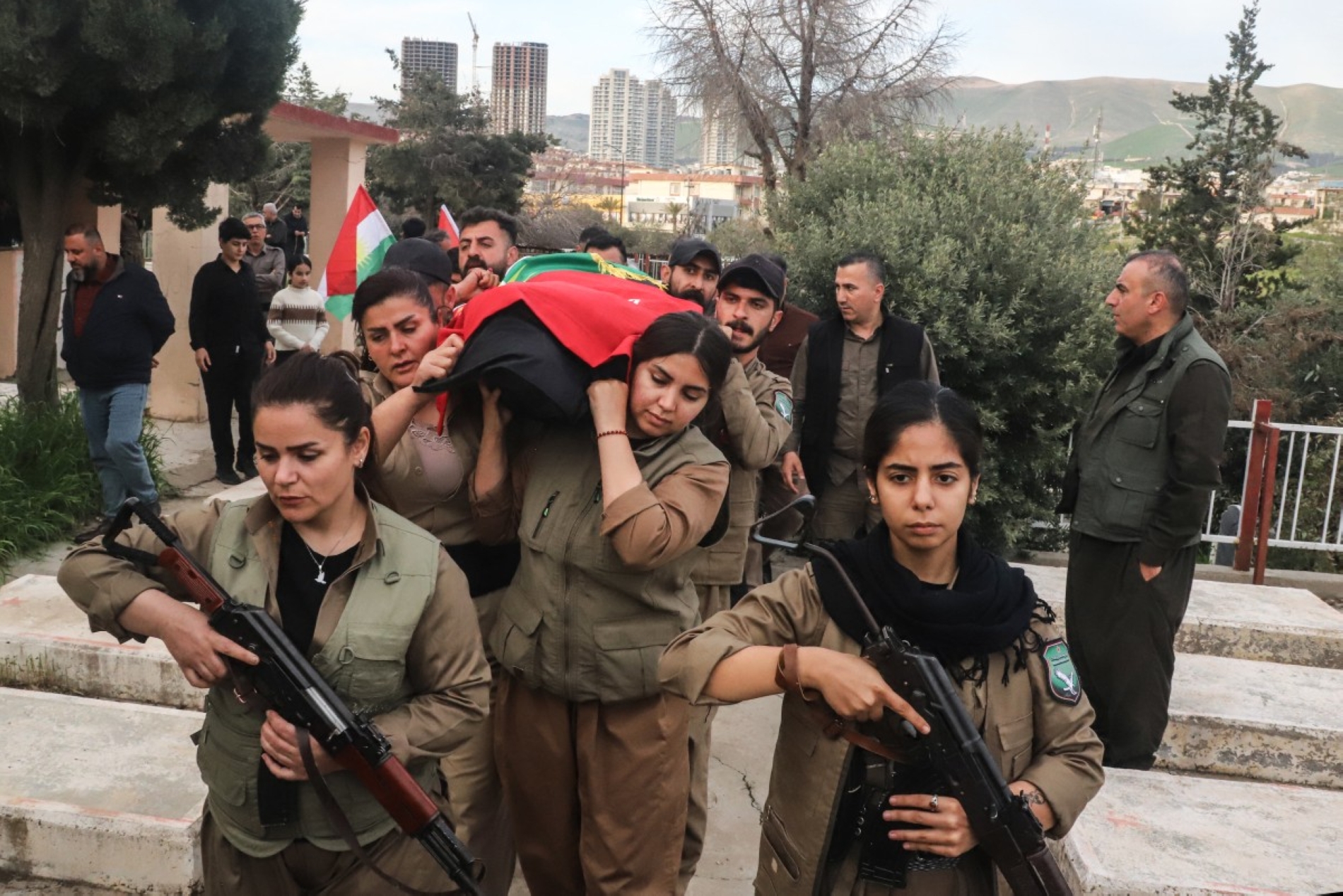
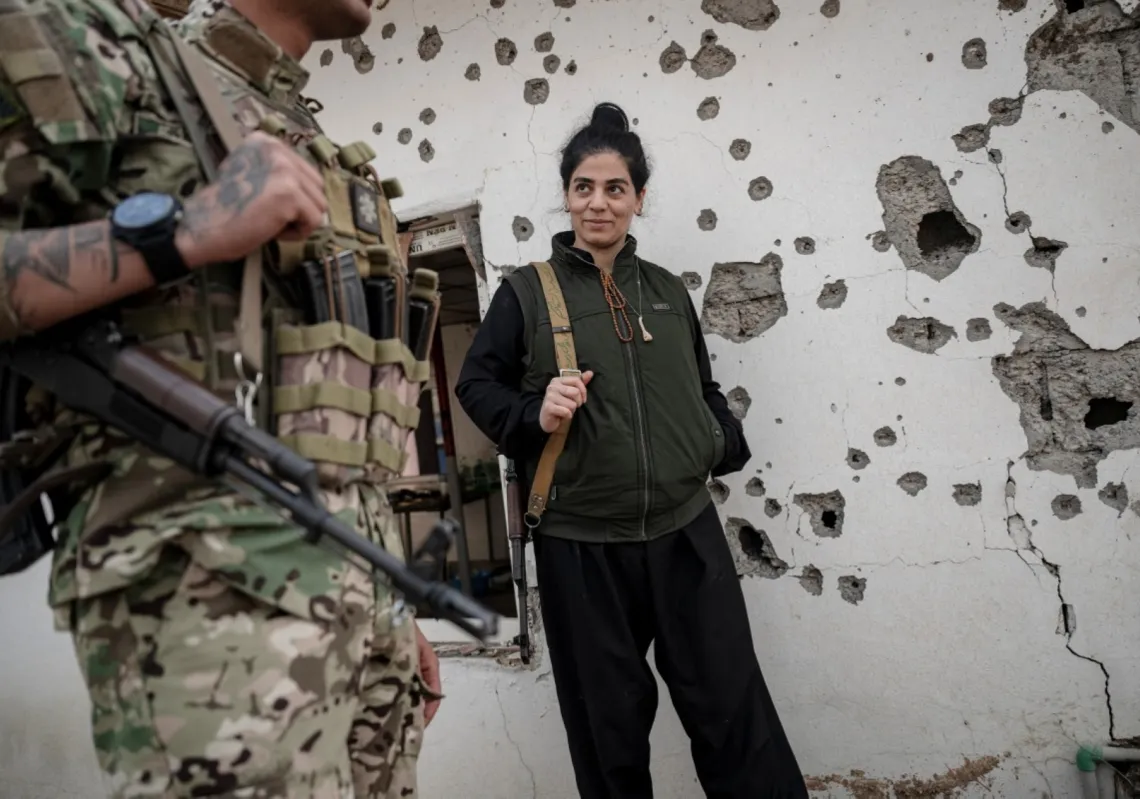
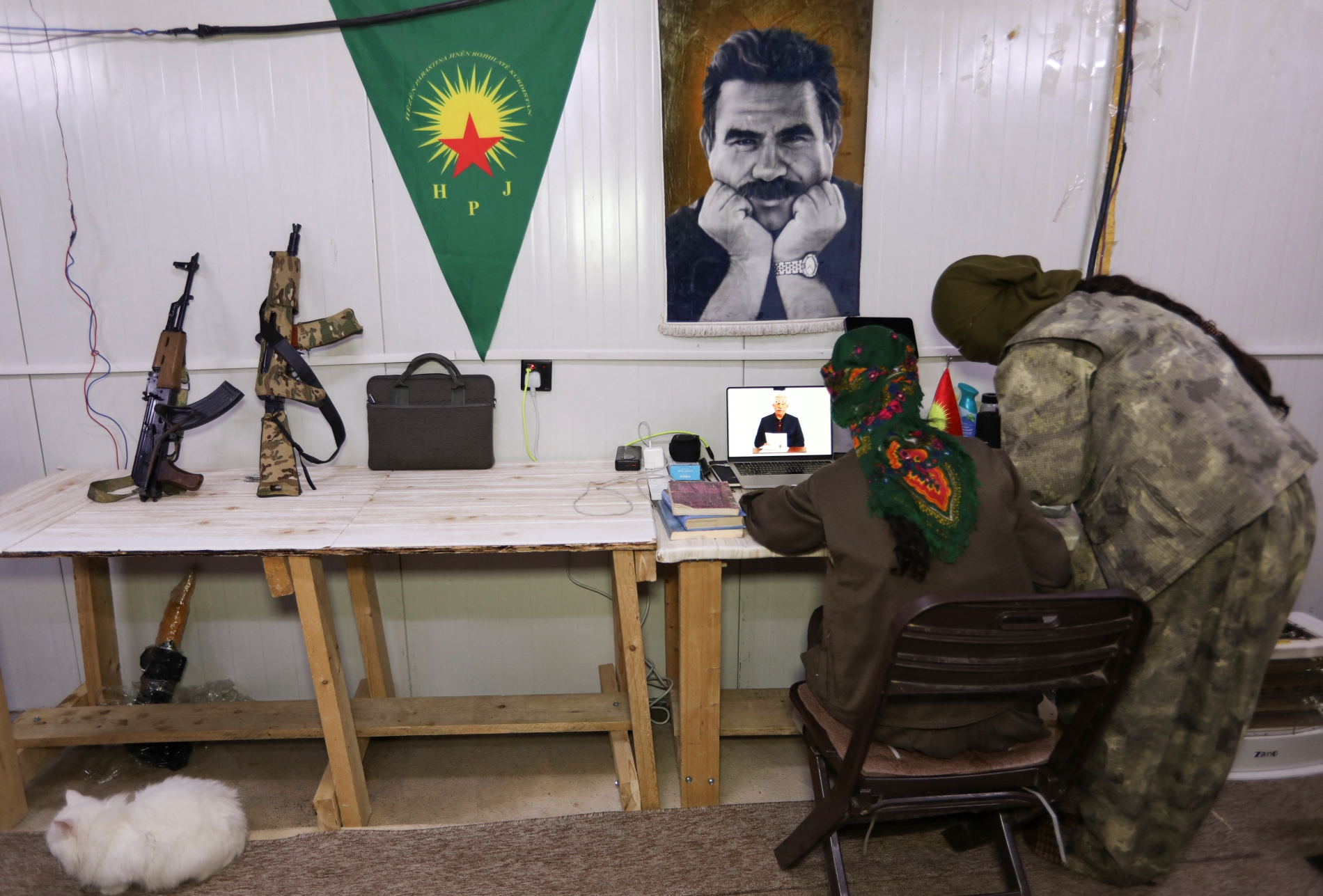
The exclusion of PJAK was itself revealing. Türkiye regards the group as closely tied to the PKK and therefore as a direct threat to Turkish national security. Including PJAK—widely seen as the most militarily experienced of the Iranian Kurdish factions, with years of operational experience linked to Kurdish militant networks in Iraq and Syria—would almost certainly have triggered immediate opposition from Ankara. But excluding it also exposed the limits of the broader strategy.
Many analysts and former US officials questioned whether the remaining Iranian Kurdish groups possessed the military capacity or political reach necessary to seriously destabilise the Iranian state. Then came a visible shift in Washington’s tone. After days of reports suggesting that the US and Israel were considering some form of Kurdish role against Iran, Trump abruptly distanced himself from the idea.
Speaking to reporters aboard Air Force One on 8 March, he said he did not want Kurdish fighters entering Iran, describing the conflict as “complicated enough as it is” and warning that he did not want Kurds “hurt or killed”. The reversal reflected mounting regional resistance to the idea, especially from Türkiye, which viewed any empowerment of Kurdish militant factions near its borders as a direct security threat.
The Kurdistan Regional Government in Iraq also showed little interest in becoming a staging ground for operations against Iran. For them, the risks were obvious. Iraqi Kurdistan maintains deep economic, political, and security ties with Tehran, while Iran has repeatedly demonstrated its willingness to strike targets inside Kurdish territory when it perceives threats along the border. Opening Iraqi Kurdistan to cross-border operations against Iran would have risked direct retaliation and potentially dragged the region into a wider war—a price Kurdish leaders appeared unwilling to pay.
Calculated refusal
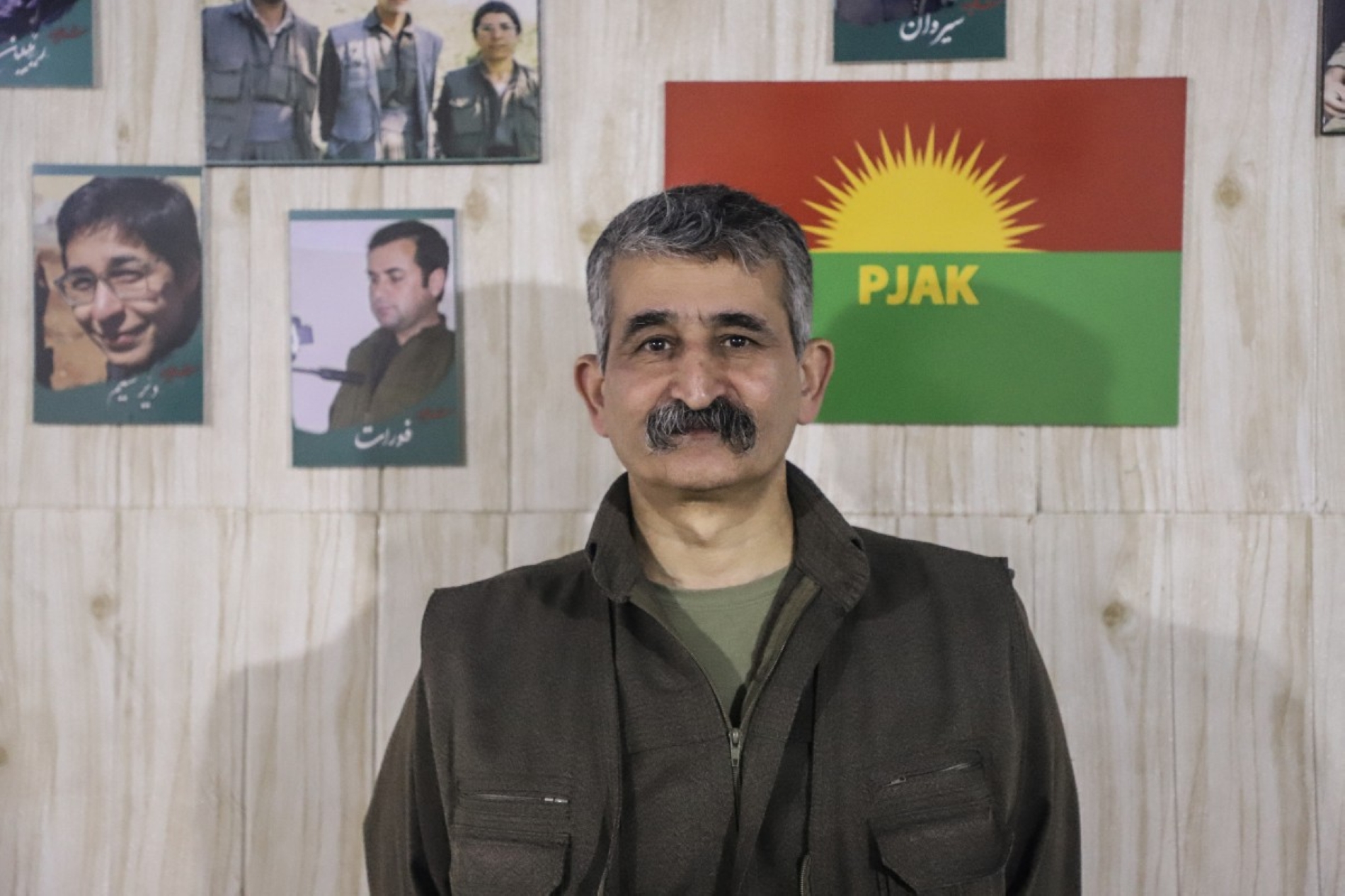
The Kurdish option did not therefore simply falter due to Tehran’s stance. It collapsed in Ankara and Erbil. Washington’s hesitation may have been material, but the more consequential factor was Kurdish reluctance. Iranian Kurdish factions did not present themselves as proxies waiting to be activated. In interviews with regional media during the war, PJAK spokesperson Rivar Abdanan denied that the group had received American or Israeli financing or weapons.
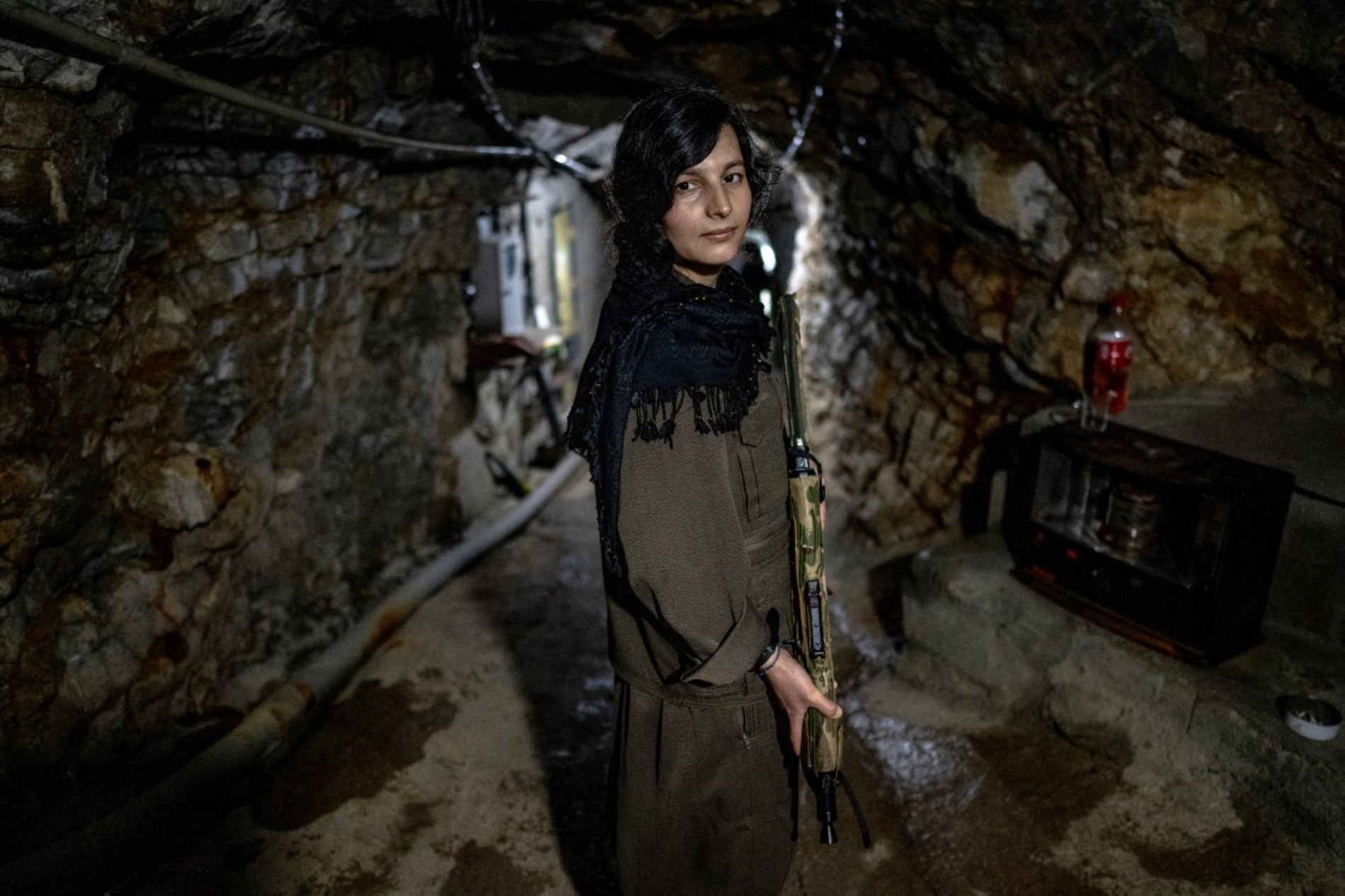
More revealing was the reasoning behind PJAK’s position. Abdanan argued that the experience of Kurdish forces in Syria—where cooperation with the US during the anti-IS campaign was later followed by deep Kurdish fears of abandonment—had created widespread scepticism among Iranian Kurdish groups about aligning too closely with Washington. PJAK, he suggested, had no intention of becoming an instrument for advancing American or Israeli objectives.
Other Kurdish leaders articulated similarly cautious positions. Reza Kaabi, a senior figure in the Komala Workers’ Party, argued during the conflict that Kurdish factions could not enter the war unless they were convinced that a nationwide uprising against the Iranian government was underway. Without broader Iranian participation, armed Kurdish intervention backed by outside powers, in his view, would risk isolation, severe retaliation, and strategic failure.
Mostafa Moludi, deputy secretary-general of the Kurdish Democratic Party of Iran, rejected Trump’s claims about weapons transfers, arguing that the heavily militarised Iran-Iraq border made such operations nearly impossible and warning that such accusations risked giving Tehran a pretext for further attacks on Kurdish groups. More fundamentally, he argued, the political movement inside Iran and Kurdistan was essentially a civil and political movement, not a military one. What the Iranian people needed from the international community was political and diplomatic support and not guns.
These positions reflected a deeper historical memory shared across much of the Kurdish political landscape. Kurdish actors throughout the region have repeatedly experienced the instability of great-power backing, periods of partnership followed by abrupt shifts in policy once broader geopolitical priorities changed. From Iraq in the 1970s and 1990s to Syria more recently, many Kurdish groups have emerged from these episodes deeply sceptical of relying too heavily on outside powers.
That scepticism was visible during the war. Figures within Komala’s communist faction argued publicly that Kurdish movements should not tie their future to Washington’s regional agenda, warning that decades of experience had shown how easily external support could disappear once strategic calculations changed. They also denied receiving weapons or financing and framed the broader project as one that risked advancing American and Israeli objectives at Kurdish expense.
A fractured front
Even if Kurdish leaders had been more willing, unity would have remained elusive. Iranian Kurdish politics is deeply fragmented, spanning multiple parties with divergent ideologies, constituencies, and external relationships. In the days before the war, five factions announced a new coalition—the Political Forces of Iranian Kurdistan—incorporating the Democratic Party of Iran, PJAK, Komala's main branch, PAK, and the Khebat Organisation. A sixth faction, Abdullah Mohtadi's Komala party, initially declined to join, citing doubts about the coalition's viability, then reversed course ten days later.