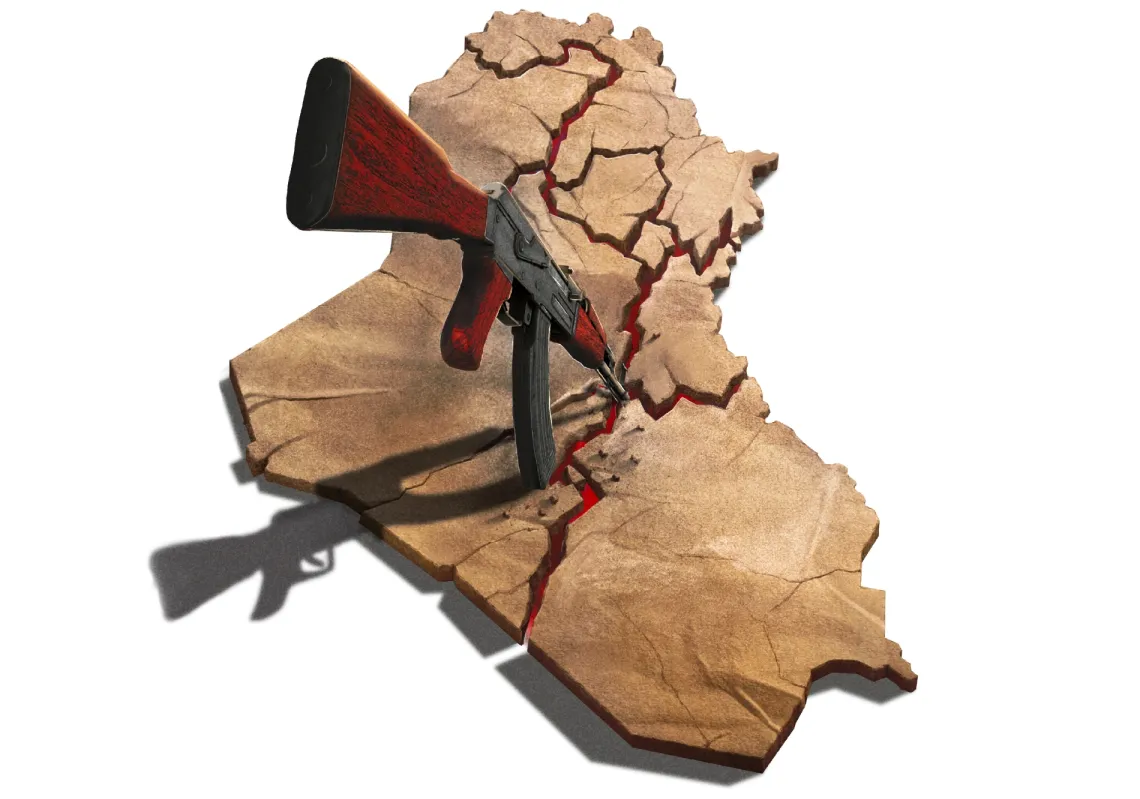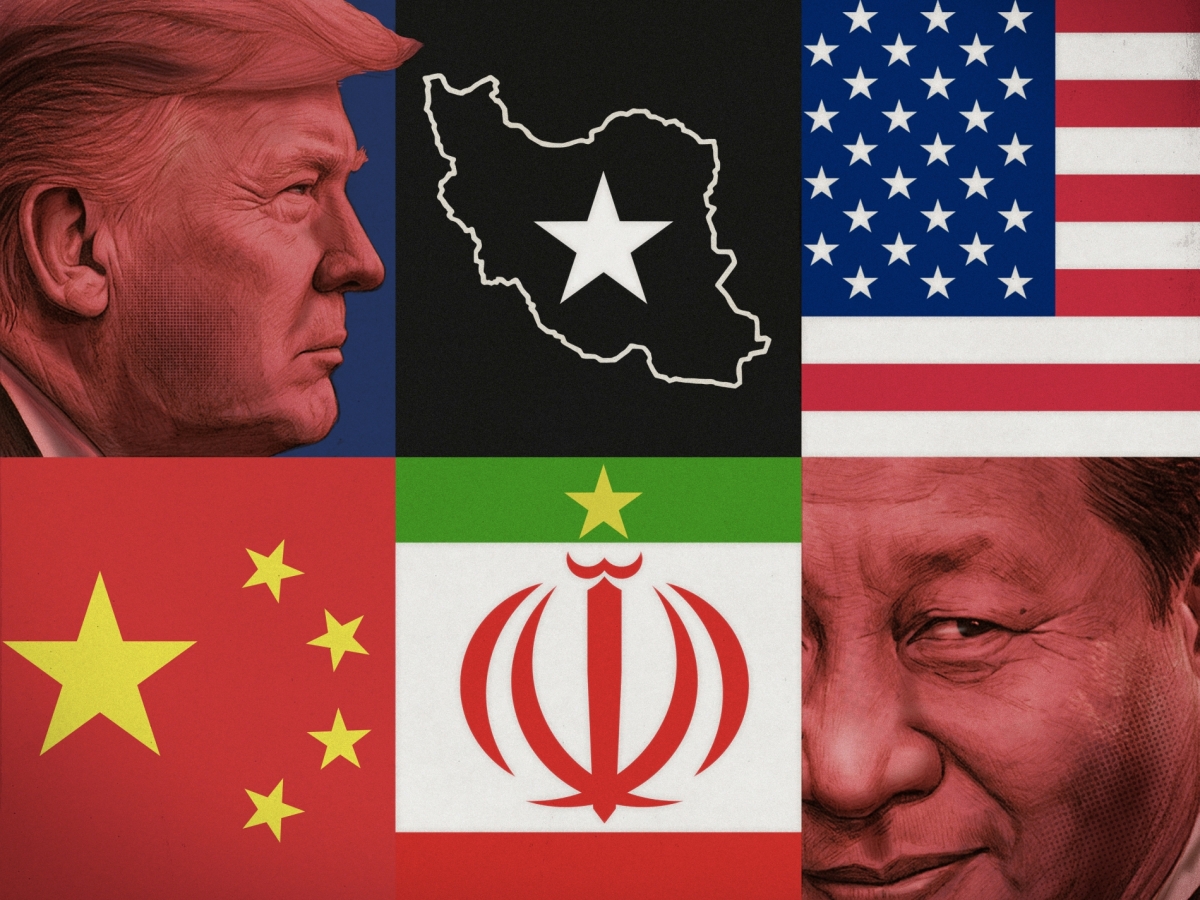

US President Donald Trump had wanted to conclude his war against Iran before touching down in China, having already postponed the trip once, but more than a month after the initial ceasefire, a negotiated end remains as elusive as ever, leaving the warring parties swapping proposals in Islamabad.
Despite being outgunned militarily, Iran still refuses to sit at the same negotiating table as the United States, which launched its attack on 28 February while bilateral negotiations with Iran were ongoing. Instead, Tehran is leveraging its strength in asymmetric warfare to even the playing field.
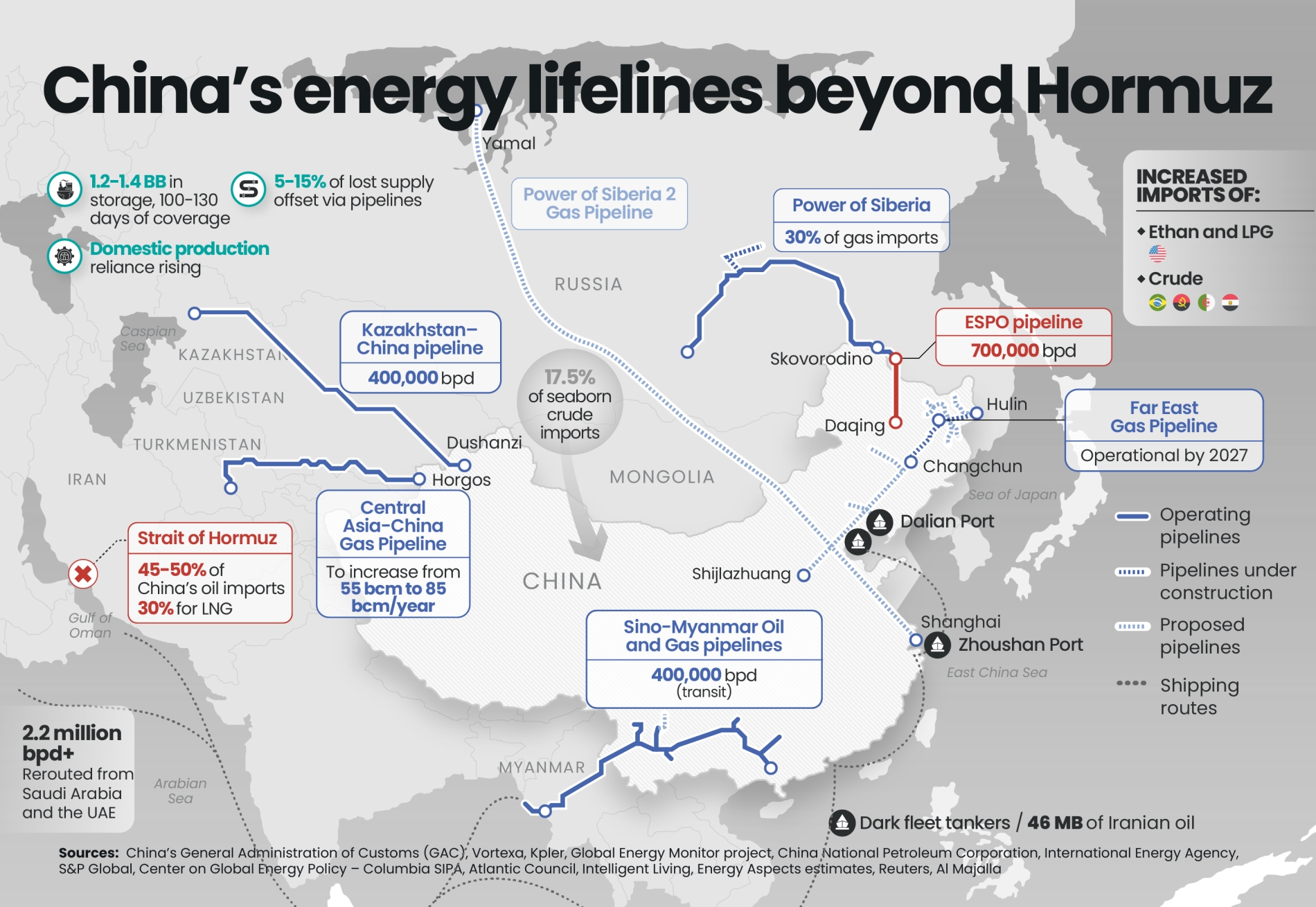
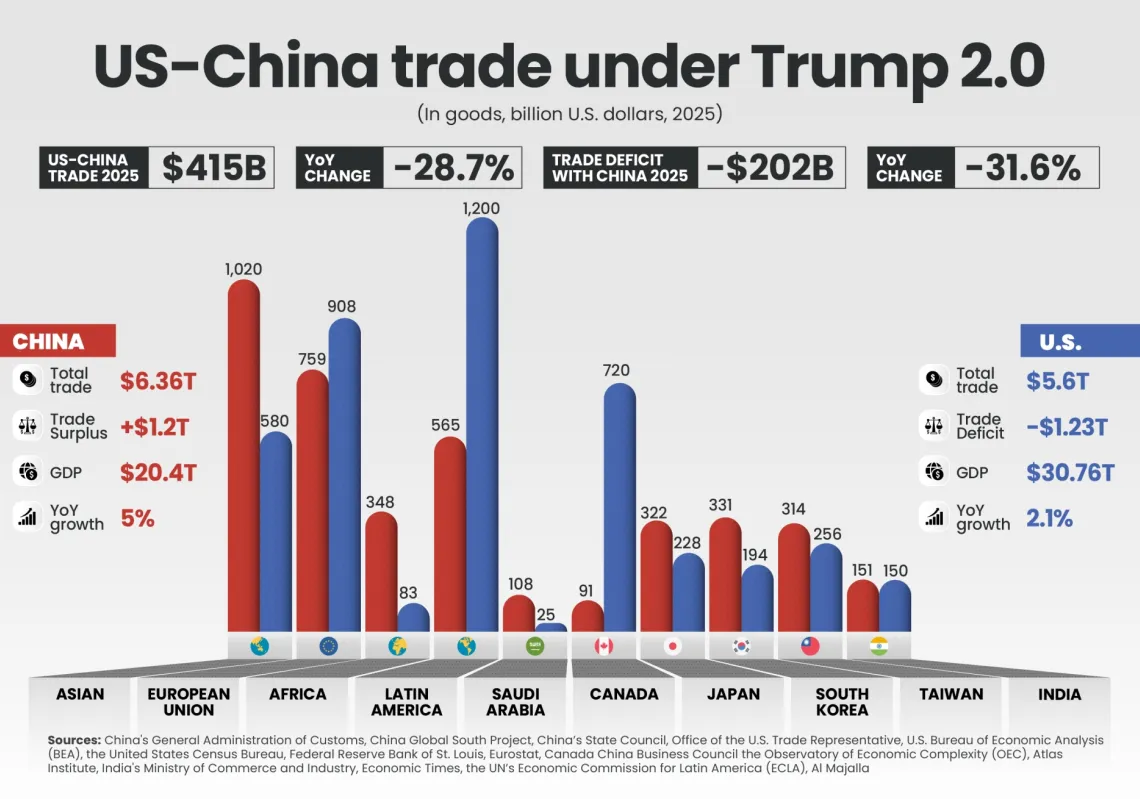
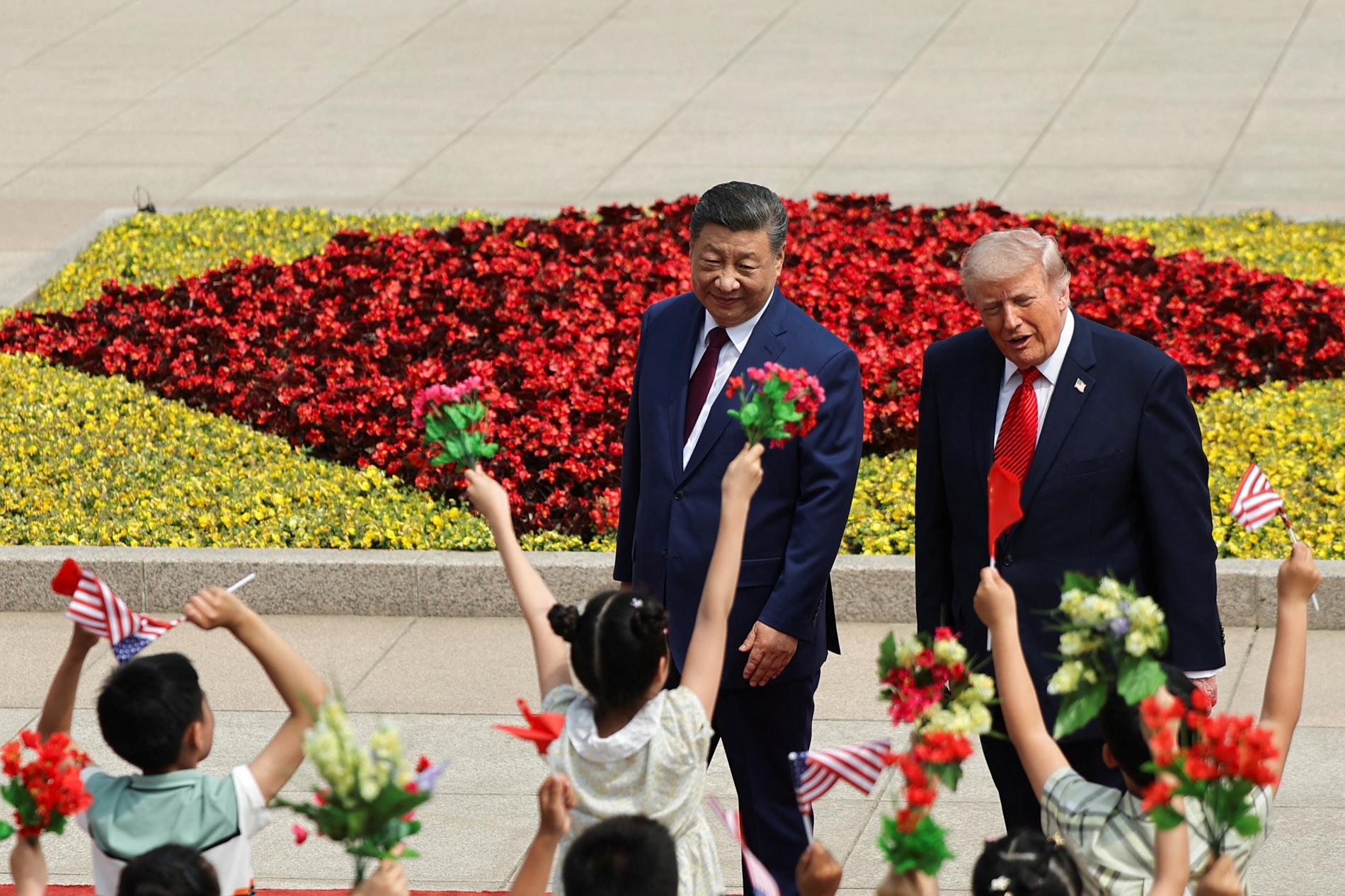
With the US mid-term elections fast approaching and his approval ratings at a record low, Trump had no choice but to head to China, even if it meant negotiating from a position of weakness, in the hope of securing a trade deal he could sell back home. Crucially, Trump wants China to convince Iran to accept a deal that lets the US withdraw, and that reopens the Strait of Hormuz, a vital shipping lane for Gulf oil and gas exports.
Trump came into office rejecting US military intervention abroad and vowing to put “America first,” yet his war on Iran has been anything but. By leading the US into yet another Middle Eastern quagmire, diverting resources and further alienating allies, critics now mockingly label it Trump’s “Israel first” policy.
Caught in crossfire
Like the rest of the world, China has been caught in the crossfire. Still, Beijing has no intention of remediating the consequences of its rival’s actions—at least not without Washington offering the right price. In return for Chinese help with Iran, it could want the US to withdraw its de facto security guarantee of Taiwan—a core Chinese interest. If Trump were to abandon Washington’s decades-old policy of strategic ambiguity and pledge not to interfere in the event of a conflict, he would face a fierce backlash from both Democrats and the China hawks in his own Republican Party.