
The United States has a history of mistaking defeats in war for victories. In 1973, Richard Nixon declared his administration had achieved a “Peace with Honour,” which didn’t betray Washington’s South Vietnamese allies, but barely two years later, Saigon fell. In May 2003, George W Bush announced that major combat operations had ended in Iraq and that “an ally of Al-Qaeda” had been removed. Yet, the US remained enmeshed in a military quagmire fighting said terror group, among others, for another eight years, and returned again in 2014 to fight the Islamic State (IS).
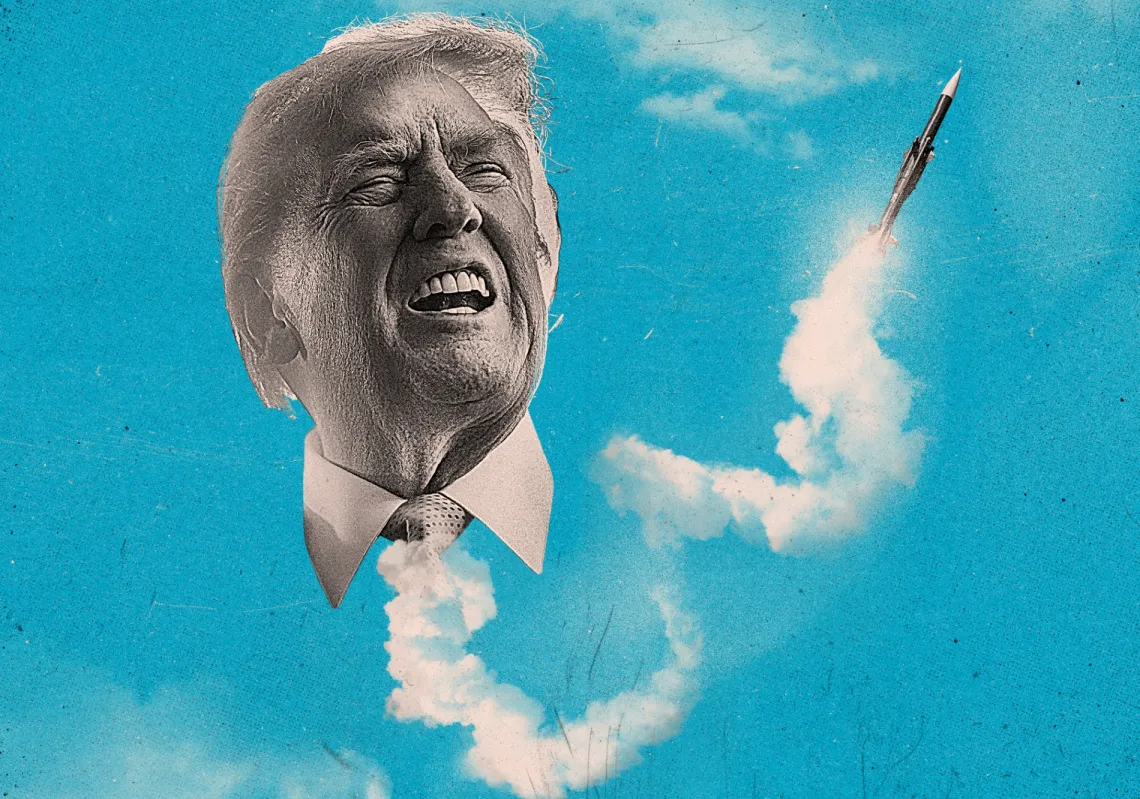
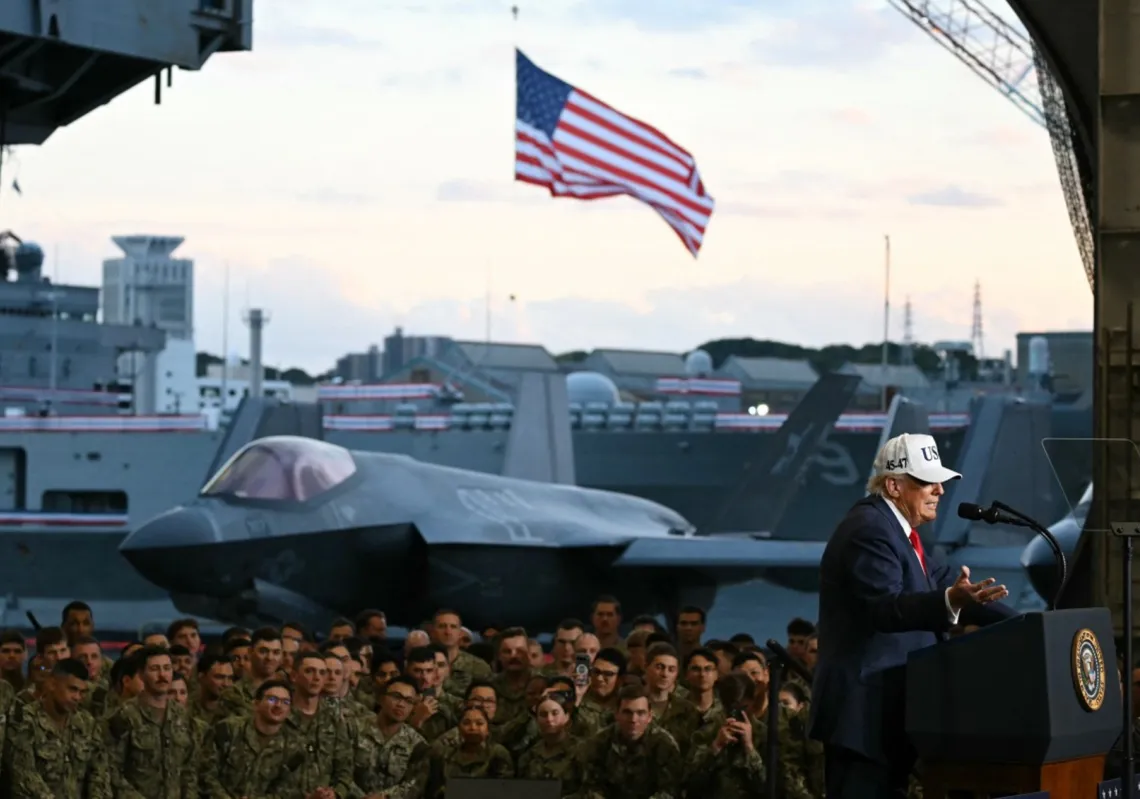
In the current US-Iran war, President Donald Trump also insisted that “We’ve won this war,” even before April’s ceasefire. But it is extremely hard to interpret what has unfolded since 28 February as a US victory, no matter how you look at it. Since then, we saw Trump constantly changing his war aims—oscillating between regime change and ending Iran's nuclear programme.
While the US succeeded in killing Iran's Supreme Leader Ali Khamenei and several other leaders, and degraded Iran’s military capabilities, neither regime change nor the removal of Tehran’s ability to build nuclear weapons had been achieved. And while those two scenarios cannot be completely written off, the war has made both far more unlikely.
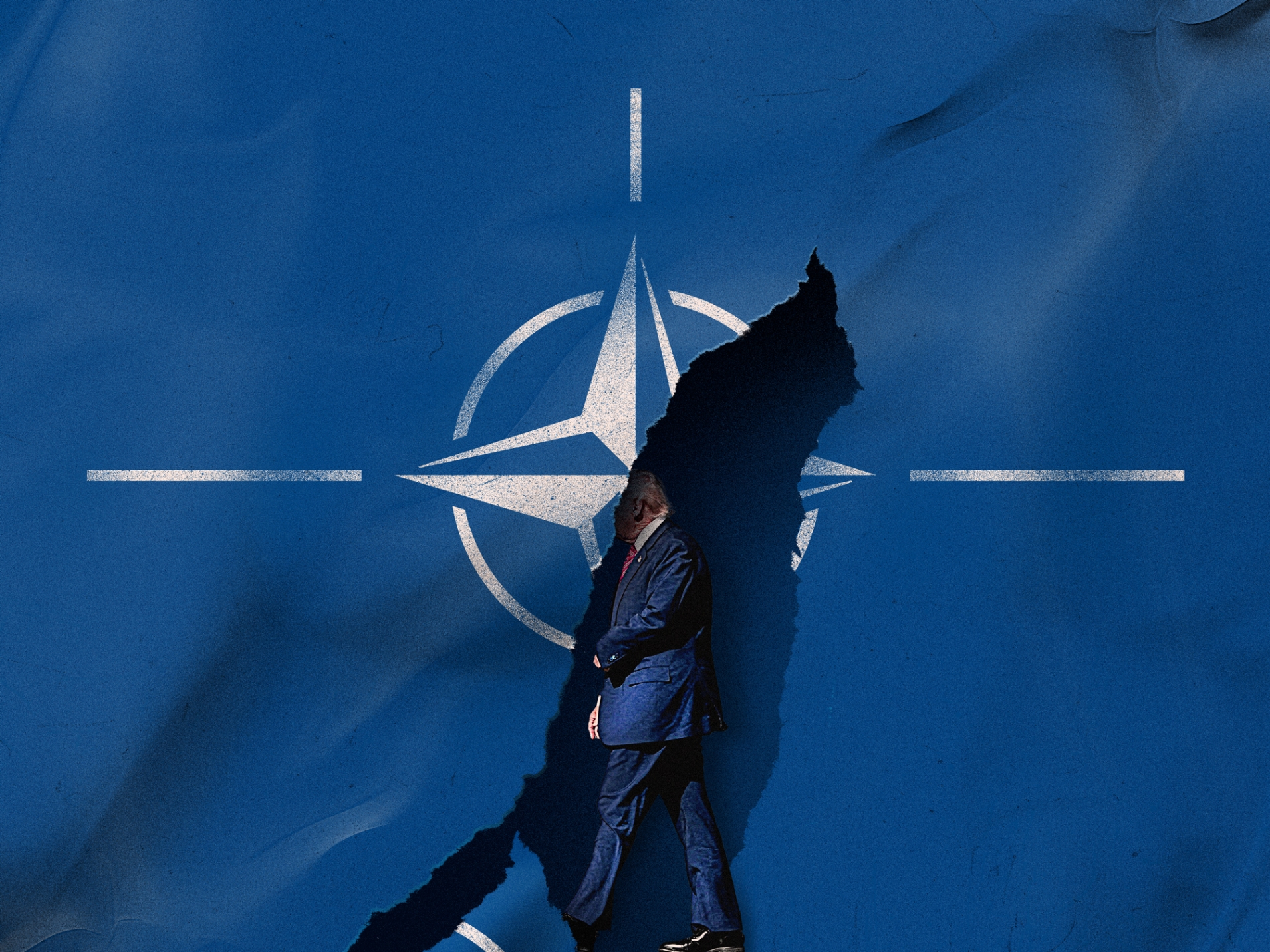
Not only were none of these objectives realised, but the repercussions of the war have been disastrous for many around the world. From Trump's point of view, both he and the US as a whole have emerged from the war in a weaker position, which could seriously damage Washington’s strategic position in the region and globally.
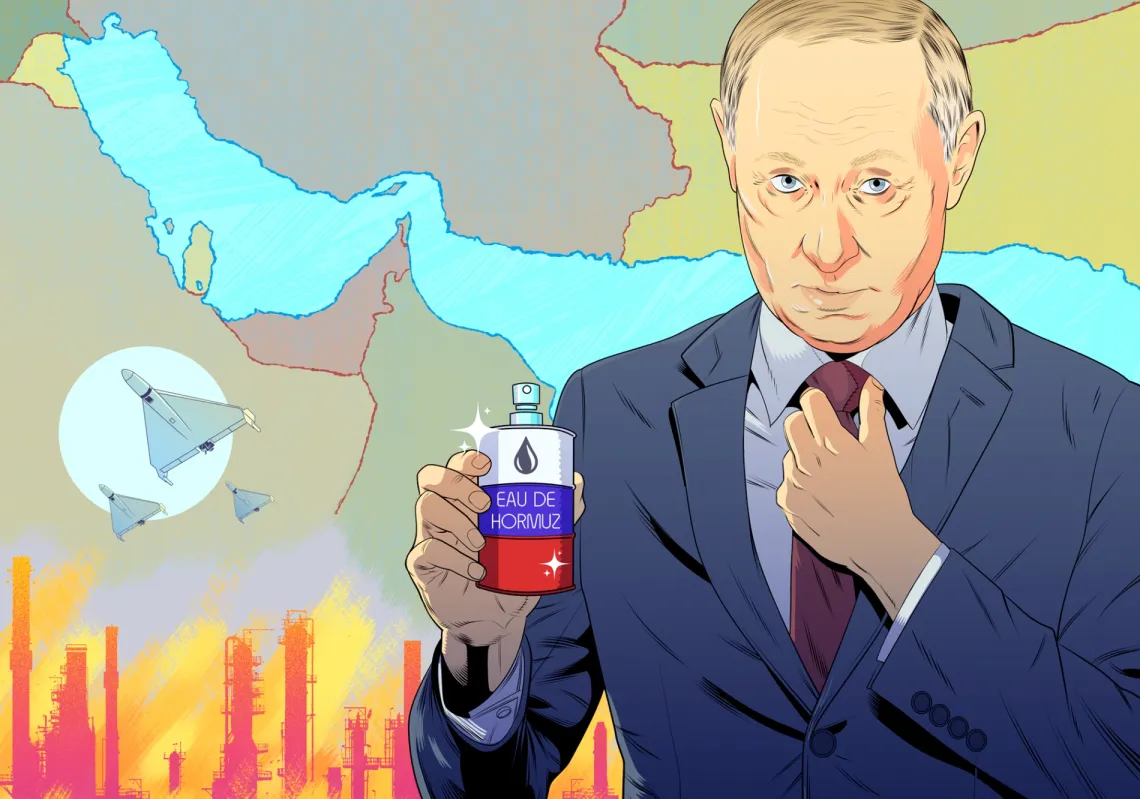
For its part, despite being battered, Iran has arguably come out of the conflict with a stronger hand, having successfully shown its ability to damage the global economy via strikes on America's Arab Gulf allies and closing the Straits of Hormuz.
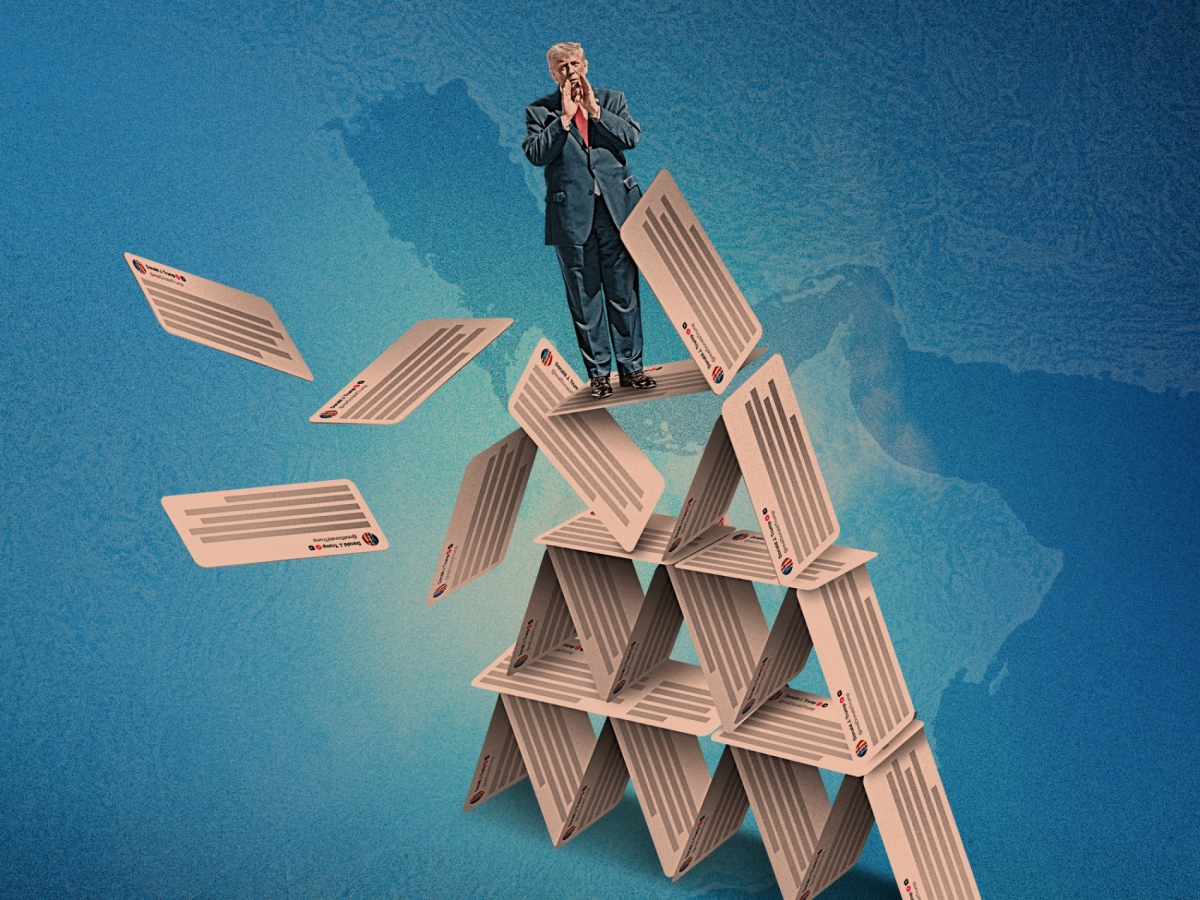
Even if the ceasefire holds, the political damage this war has inflicted on Trump and the Republican party can unlikely be reversed. His decision to wage war on Iran was hugely unpopular with the American public, and even within his own base, widening cracks had begun to emerge.
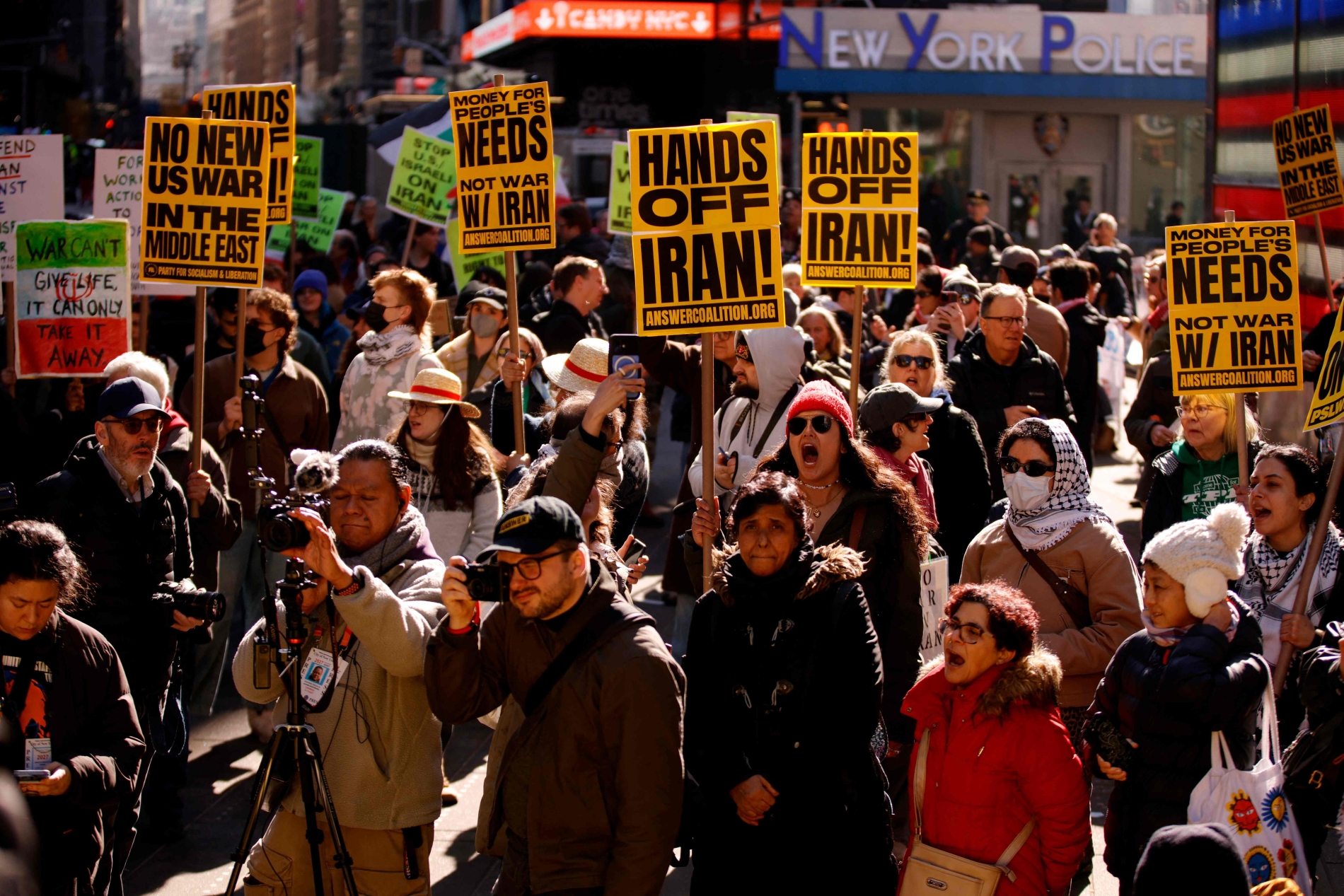
If oil prices and inflation remain high, voters will likely lash out at the ballot box, come November's midterm elections. And any consequent loss of Congress and/or the Senate in November will impact Trump's domestic agenda. Even parts of his conservative supporter base—staunchly against wars abroad and appalled by his criticism of the Pope and GIFs where he posed as Jesus—may deal Trump a politically fatal blow.
Power limits exposed
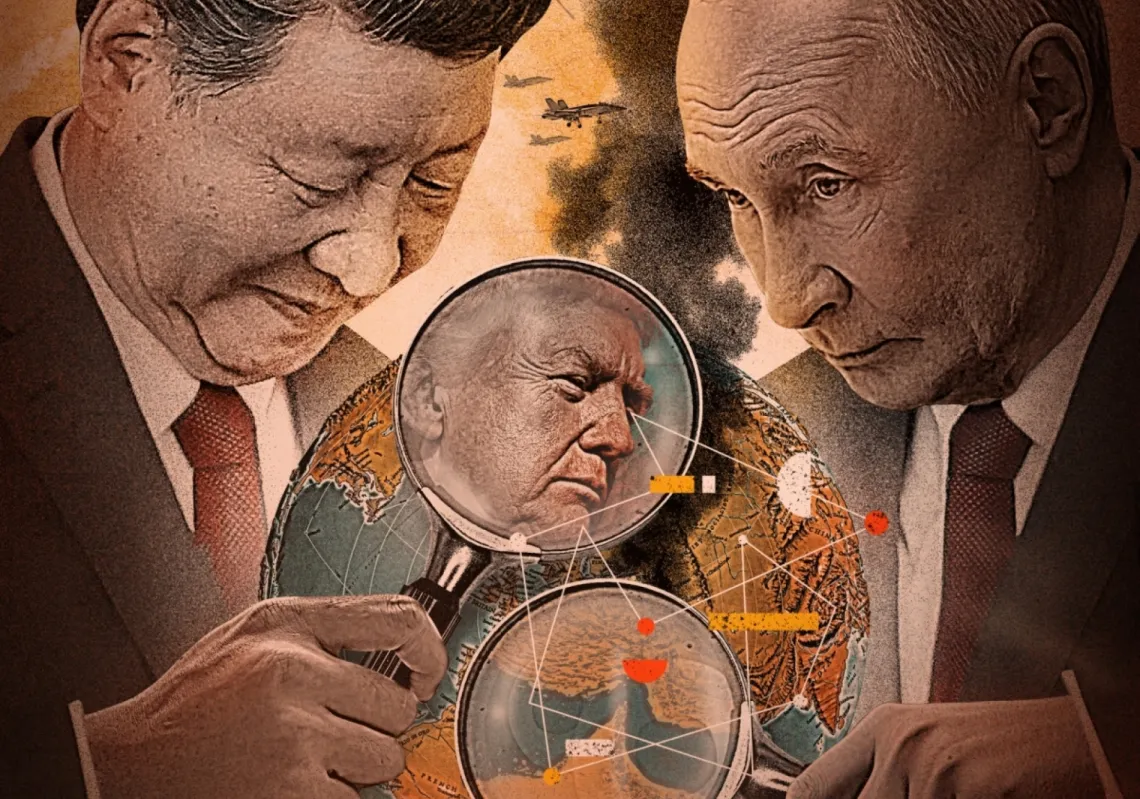
Internationally, like Vietnam and the 2003 Iraq War, Trump’s conflict has exposed the limits of US power and the inability to translate military superiority into positive political outcomes. As it did after 2003, this could embolden America's geopolitical rivals (and even some allies) to be more defiant of US wishes, in the Middle East and beyond.
But if the ceasefire doesn’t hold and the war resumes, these problems will only get worse. The US may have to become more deeply involved, risking a quagmire. This would only intensify internal opposition to Trump while the global economy suffers, possibly forcing an even more humiliating climb-down.