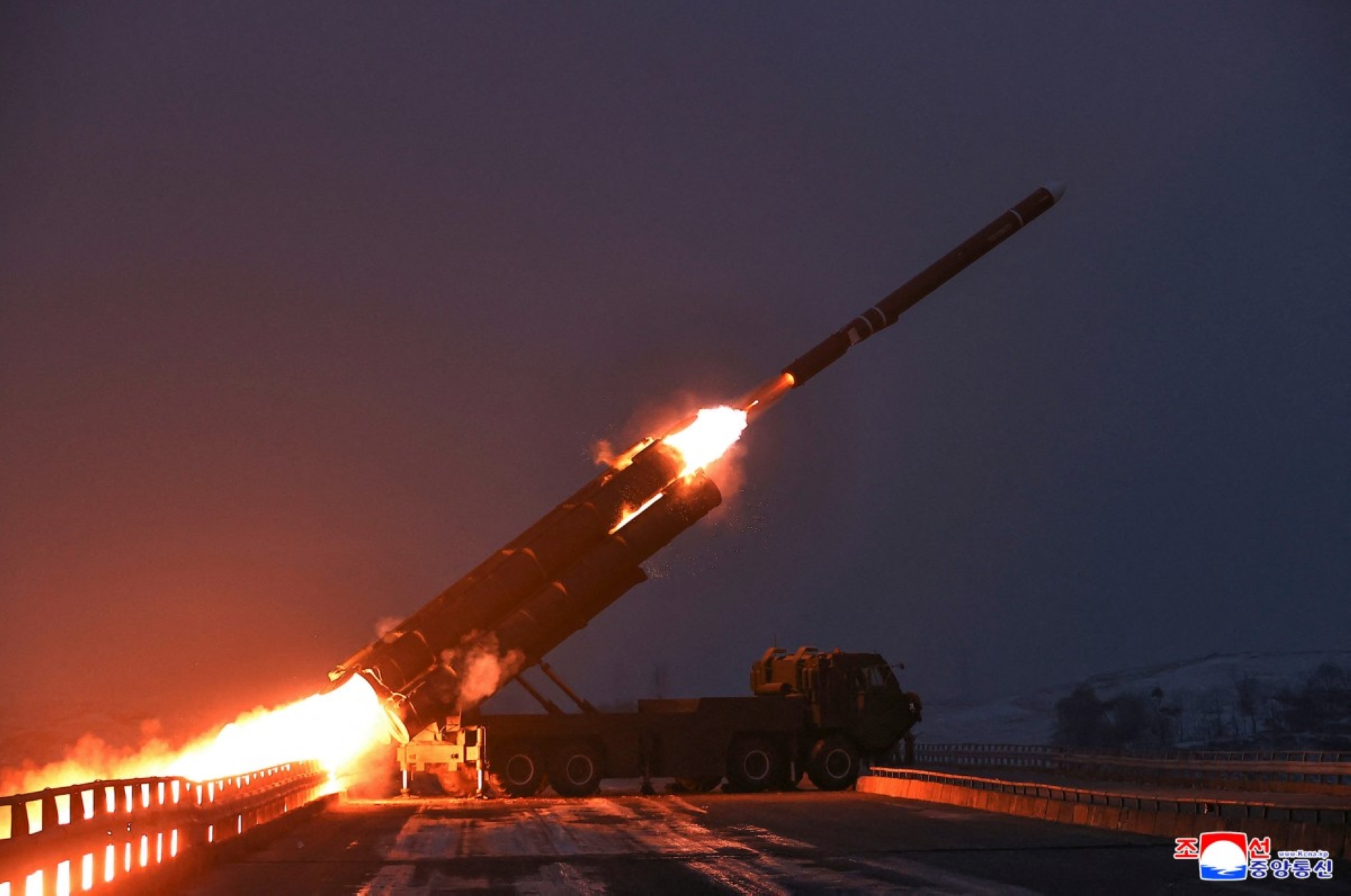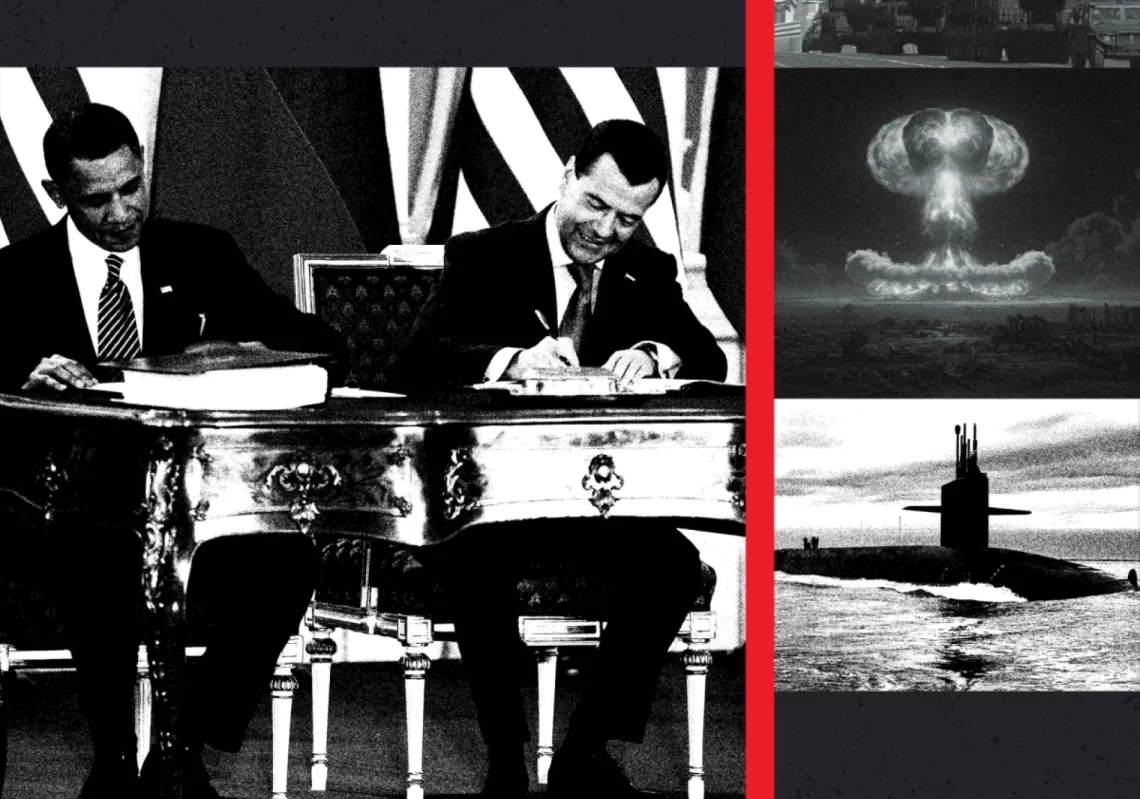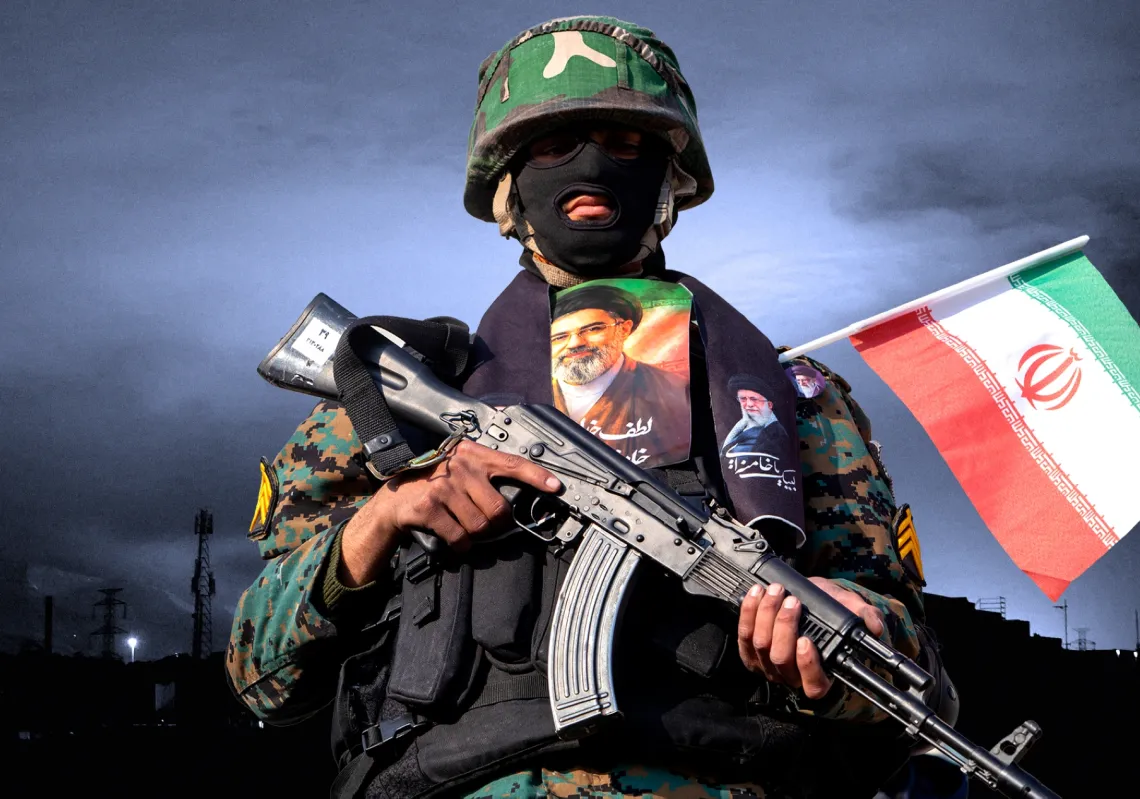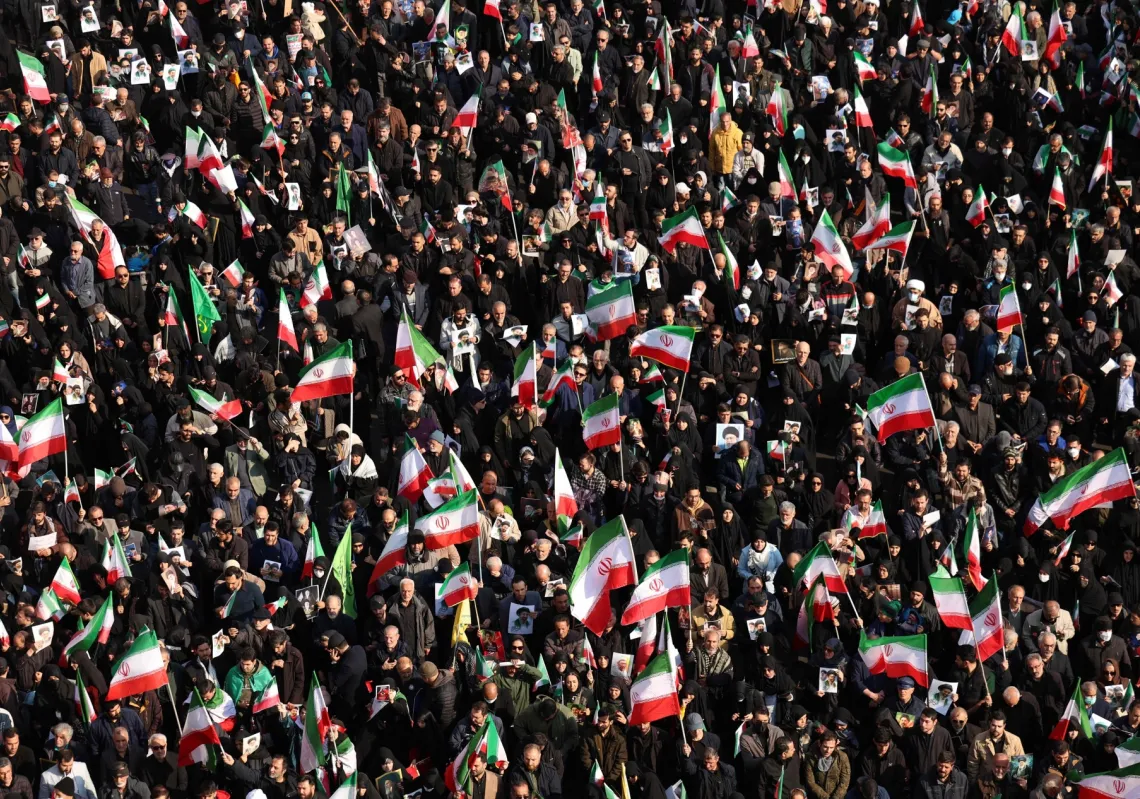

When it comes to nuclear weapons, it is not a case of “use them or lose them” but seemingly “have them or lose the ability to make them.” Although the ongoing war initiated by the United States and Israel is also about trying to reduce Iranian influence across the Middle East, including among its allies, there is no denying the centrality of Iran’s nuclear programme as a driver of war. This threat has helped sell the war to potentially sceptical publics and governments across a variety of countries.
Nor are battles over nuclear weapons programmes historically unique to Iran. Such a conflict is not even exceptional in the 21st century. Rather, there is a lengthy history of countries outside the big five nuclear powers (the United States, Russia, China, the United Kingdom, and France) attempting to join the club, only to be met by other entities equally determined to stop them. Those who have managed to attain their place in this exclusive collective have, with one notable exception, never surrendered their weapons nor faced an existential attack of the type Iran is currently experiencing.
If “what’s past is prologue,” then the future will see more nations, particularly those facing regional rivals, pursuing their own nukes as an insurance policy against an all-out attack of the type Iran is currently experiencing. That is frequently the conventional interpretation, and such a point has merit, but having a goal does not equate to achieving it, as history has repeatedly demonstrated.
Iraq case study
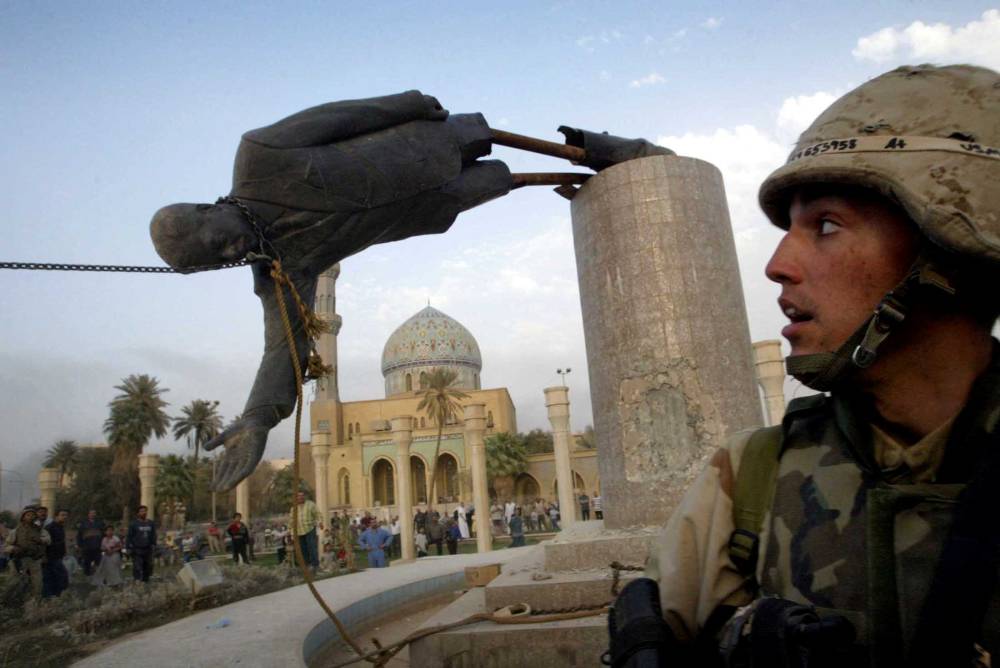
The case of Iraq reinforces the lesson Iran has been learning since June 2025. Saddam Hussein dreamed of obtaining a nuclear weapon and began efforts to do so in the 1970s. Others noticed the endeavours. Indeed, in June 1981, the Israeli air force bombed an under-construction Iraqi nuclear reactor supplied by France. Ironically, Iran attacked the same site by air the year before, although less effectively.
Saddam's goal of acquiring nukes didn't end in 1981, but the level of ambition required for success wasn't met, and efforts to stop them, particularly through sanctions, were made. More broadly, his regime encouraged speculation as to the extent of its efforts concerning so-called Weapons of Mass Destruction (WMDs), specifically nuclear, chemical and biological weapons—a massive bluff aimed at intimidating its regional rivals.
In turn, the mere threat of Iraq acquiring such an arsenal proved useful to American interests. First, the administration of George H.W. Bush played the Iraq nuclear threat card to encourage support for the 1991 Gulf War; then his son, George W. Bush, and his acolytes warned of Baghdad with WMDs to foster backing for the 2003 invasion of Iraq that ultimately destroyed the regime of Saddam Hussein.
Libya case study
Libya is another example of the consequences that befall regimes which fail to develop nukes. Under the long leadership of Muammar Gaddafi, the country pursued a nuclear programme beginning in the 1970s, acquiring 2,000 tonnes of uranium from Niger at the end of the decade. Heightened tensions with the US in the 1980s culminated in the bombing of Libya by the Reagan administration in 1986.
Behind the scenes, the Libyan nuclear programme continued: The International Atomic Energy Agency (IAEA) reported that in July 1995 the Libyan government decided to “reinvigorate” its programme by developing gas centrifuges that could be used to produce nuclear power for peaceful purposes or to create material for weapons.
By 2000, US intelligence agencies were reporting that Libyan efforts to enhance its weapons programme had led it to purchase technology through the A.Q. Khan network out of Pakistan. A.Q. Khan was famously known as the father of Pakistan’s nuclear weapons programme and was later discovered to have disseminated technology to countries outside of Pakistan.