The US-Iran war is mainly good news for Russia

Rising oil prices will boost the Kremlin’s coffers as costs over Ukraine mount, but a total defeat of Iran could lead to the deployment of radar stations in the north, near Russia’s border

AFP / Al Majalla

The US-Iran war is mainly good news for Russia

Felix Dzerzhinsky, the founder of the first Soviet secret police organisation and precursor to the KGB, reportedly once said that “lately, politics very often smells of oil, and oil smells of politics”. If he did, he was probably among the first to recognise the effect of oil and gas not just on economics, but on the balance of power in the world.

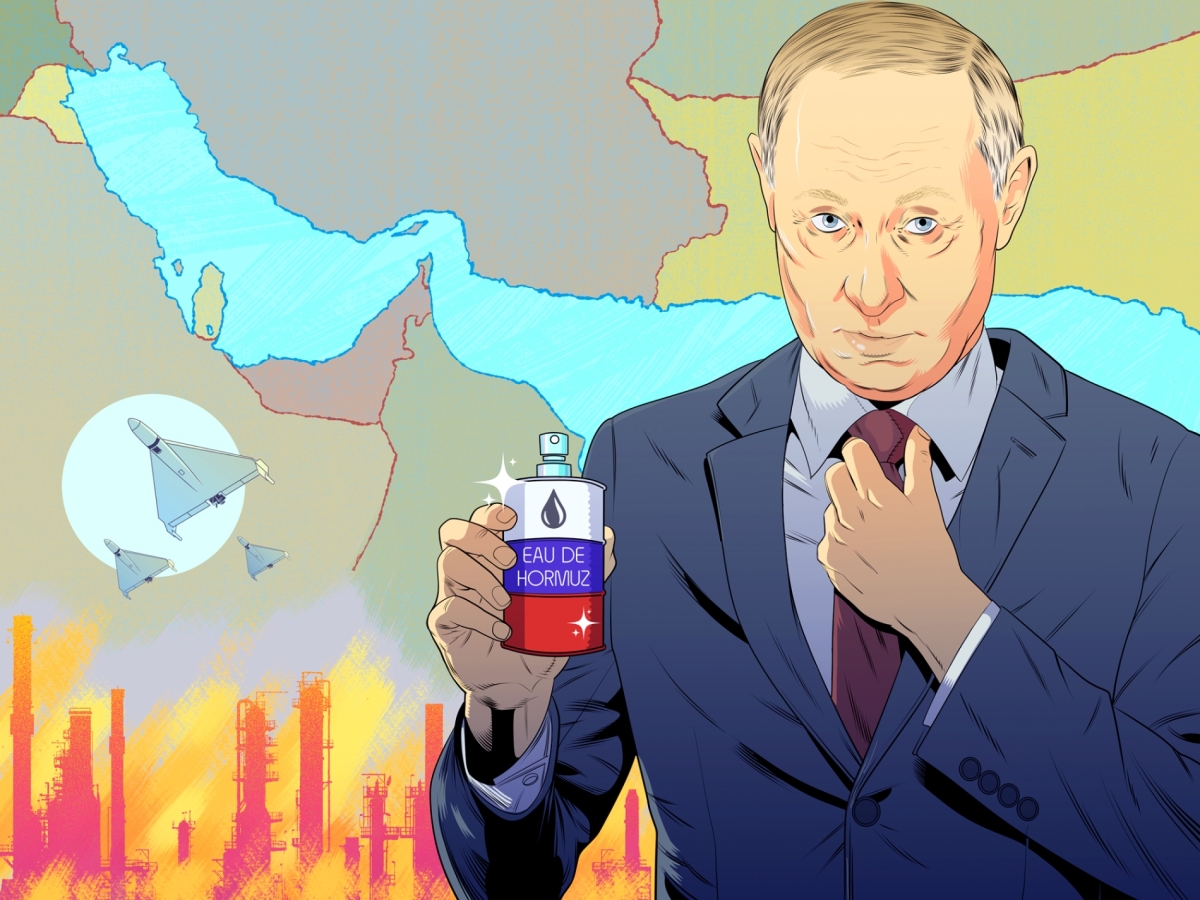
Against the backdrop of the US-Israeli war against Iran, this quote remains highly relevant, especially with Iran having effectively closed the narrow Strait of Hormuz and, in recent days, having begun to attack Gulf states’ energy infrastructure, after Israeli airstrikes against Iran’s largest gas field.

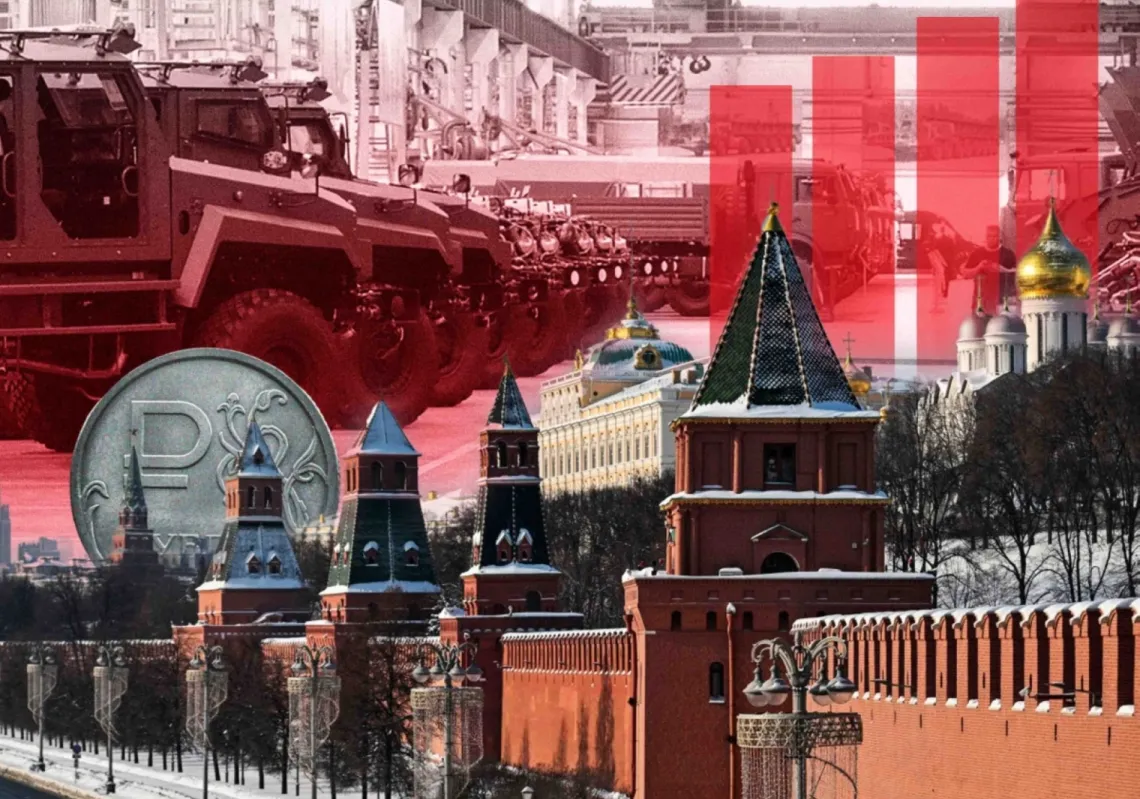
The rocketing price of oil and gas, as a result, plays into Moscow’s hands. The extra revenue lets Russia replenish its budget, not least to fund its military operations in Ukraine. Washington’s shift in focus from Ukraine to Iran also serves Russian interests; Ukraine is running out of weaponry, and American mediation to end the war has been put on the back burner. In Iran, however, the Kremlin faces new challenges.

On the one hand, Iran is a tactical ally, a partner in an informal anti-Western bloc that has become a hub for Russian intelligence operations throughout the Middle East. Russia intervened militarily in support of the ultimately ill-fated Assad regime in Syria in 2015 but did so under Iranian cover and alongside Iran’s battle-hardened proxy forces, primarily Hezbollah.

On the other hand, cooperation between Russia and Iran is limited due to some key differences. Religion is a factor, but on a more fundamental level, neither state fully trusts the other, which has hindered several big economic projects. While an Iranian defeat would not be a catastrophe for Moscow, it would also not align with Russian strategic interests, as pro-Kremlin political analyst Dmitry Trenin noted.

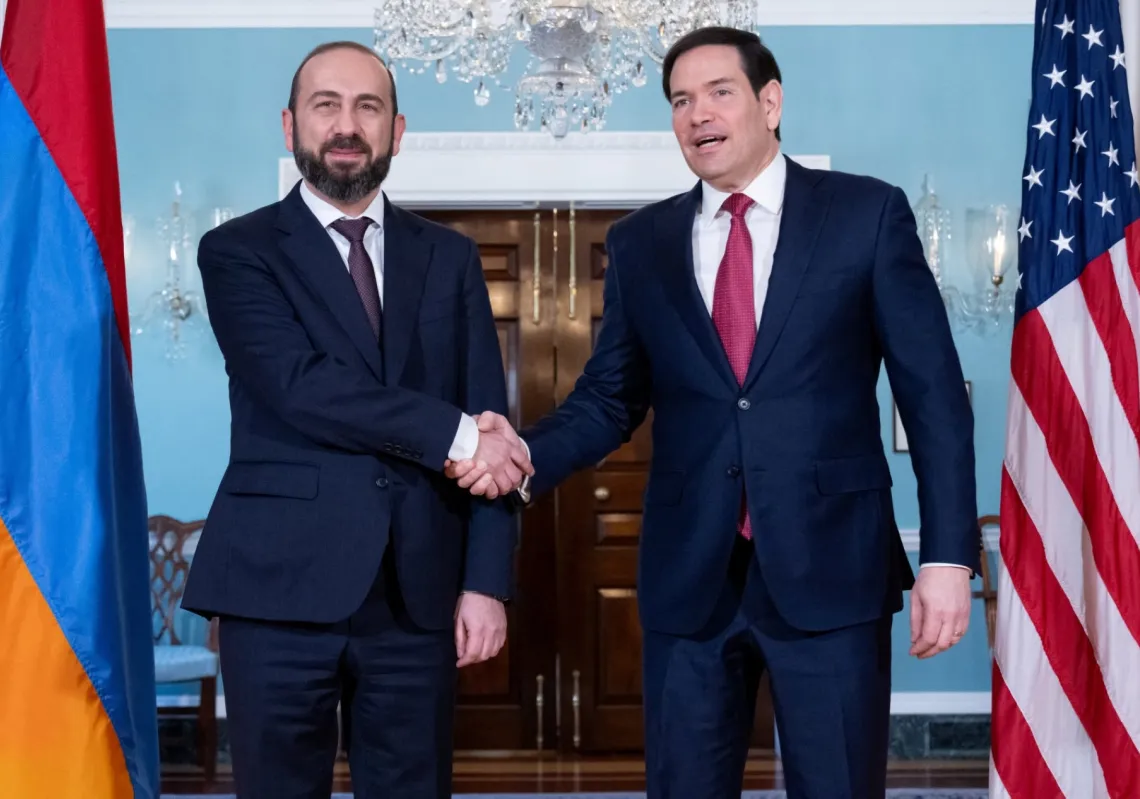
Demokrit Zamanapulov, a senior researcher at the Department of Military and Political Studies at the Georgy Arbatov Institute, speculates that an Iranian defeat at the hands of the US and Israel would be detrimental to Russia’s calculations in the South Caucasus. He thinks the imposition of a new pro-American government would almost certainly reorient the country’s foreign policy and deploy radar stations in northern Iran to keep an eye on Russia’s armed forces along its southern borders, in Armenia and Tajikistan.
Evgenia Novozhenina / AFP
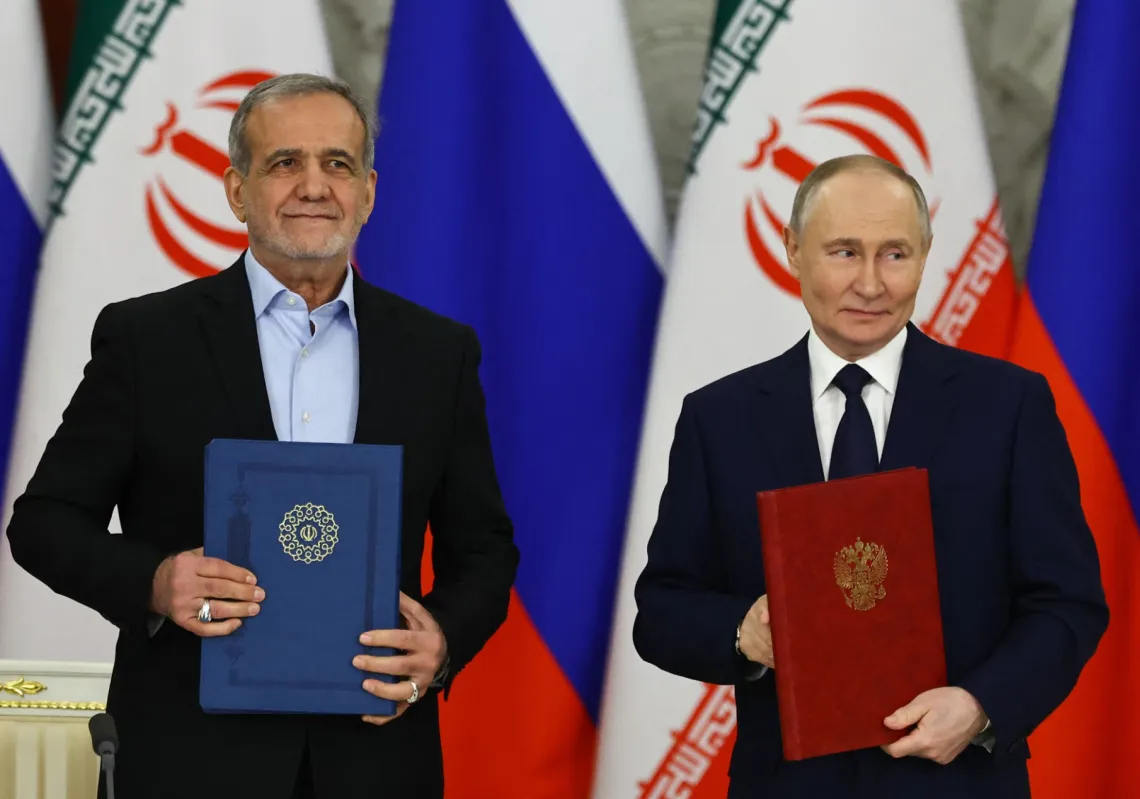
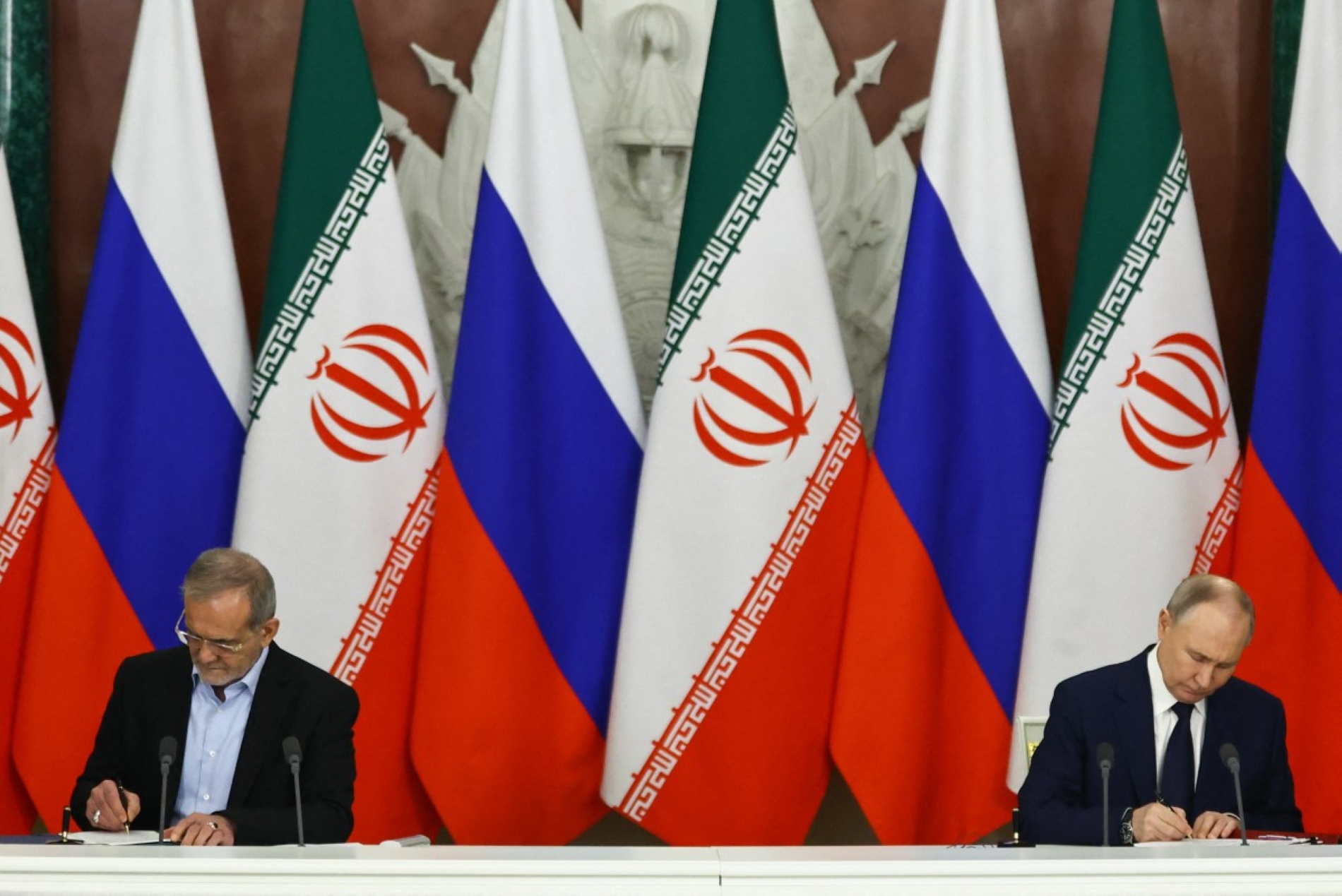
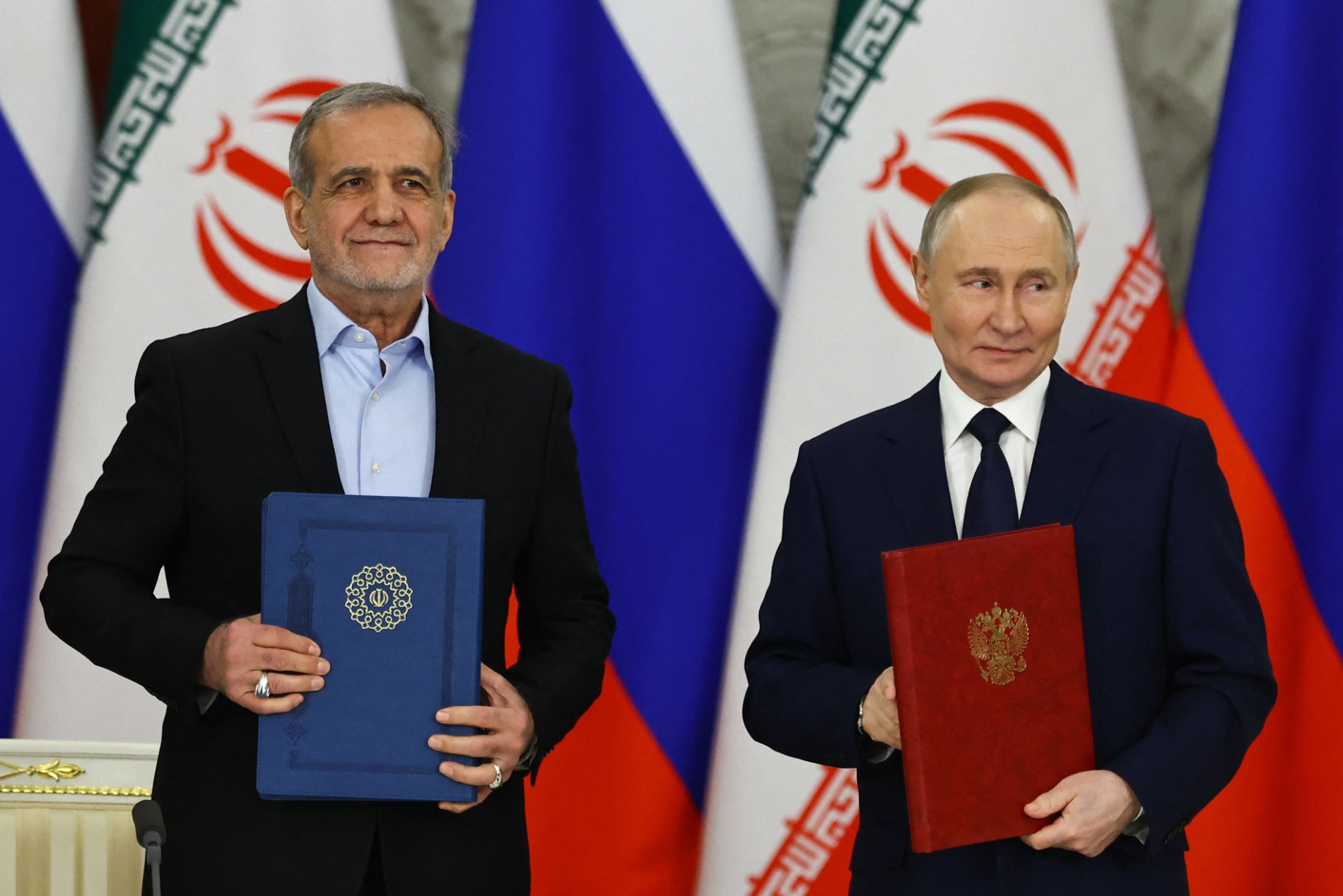
Russian President Vladimir Putin and Iranian President Masoud Pezeshkian sign a strategic partnership treaty during a ceremony following their talks at the Kremlin in Moscow on 17 January 2025.

Helping hand

Russia assisted Iran prior to the start of the US-Israeli operation, and this continues today in the form of intelligence sharing, but it is essentially symbolic in nature and incomparable to the West’s ongoing support for Ukraine, which covers the use of advanced military technology and the supply of various electronic warfare systems, missiles, and other munitions.
On a more fundamental level, neither state fully trusts the other, which has hindered several big economic projects

Ivan Timofeev of the Russian International Affairs Council said there are lessons that Russia must learn from the US-Iran War, including that Western pressure will be long-term, concessions do not work, the country's leaders are in the crosshairs, and that internal unrest encourages external intervention. On the final point, Russian authorities have recently restricted internet in the capital, including access to foreign messaging apps.

Economist Vyacheslav Shiryayev (who has been designated a "foreign agent" by the Kremlin) said such restrictive measures in Moscow were unlikely to be linked to the war in Ukraine, which began in 2022. Rather, he felt the catalyst for the new online restrictions was the US-Iran War, specifically the vulnerability of Iran's digital infrastructure to external interference—an infrastructure originally created by Tehran to monitor its own citizens.

Reuters
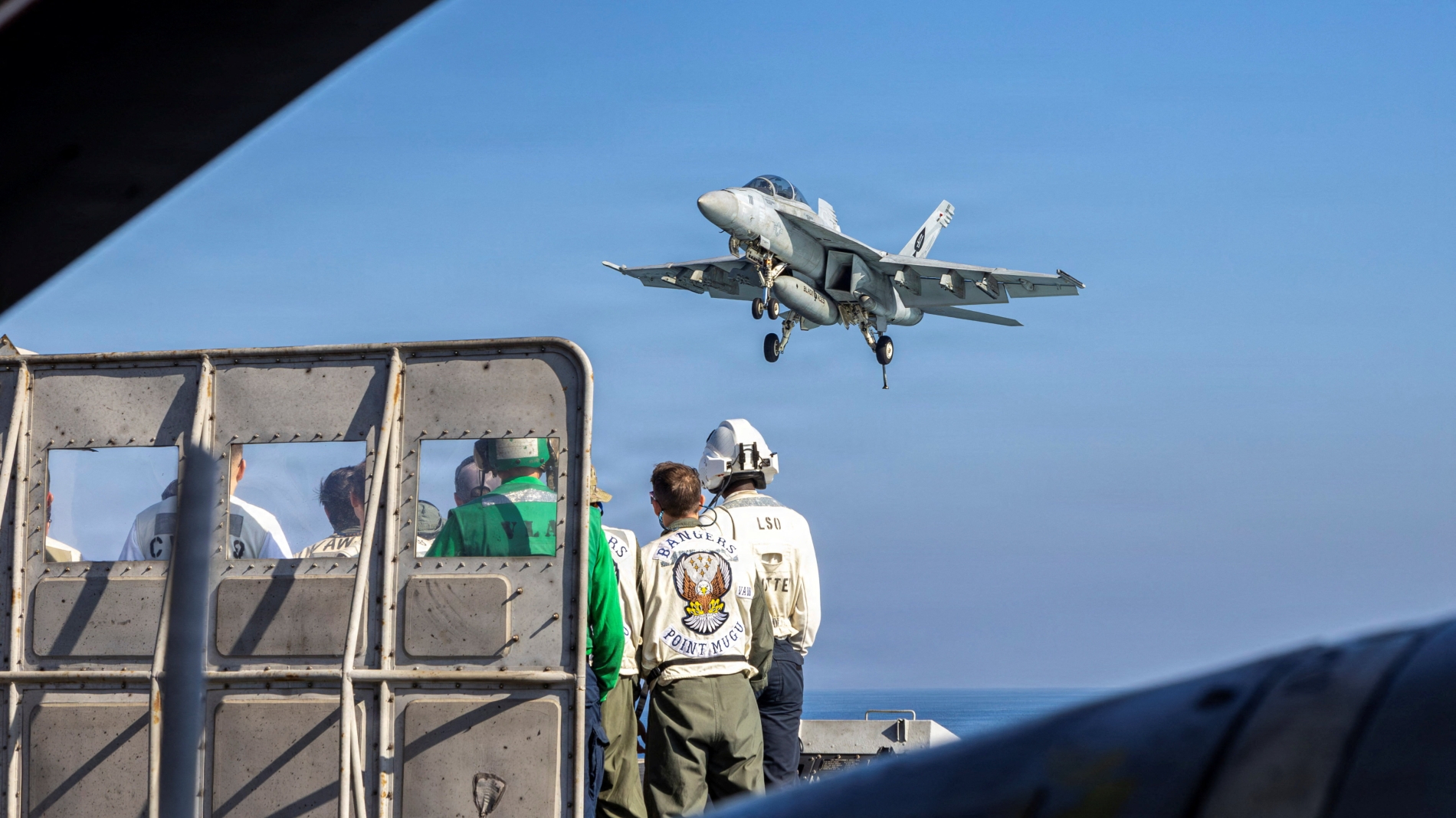
An F/A-18F Super Hornet prepares to land on the deck of the USS Abraham Lincoln (CVN 72), a Nimitz-class aircraft carrier, in the Arabian Sea, on 15 February 2026.

Tactical difficulties

Most Russian experts assume that the Iranian regime will survive and that the US-Israeli war has a limited timeframe because Washington is unlikely to want to wage a long-term campaign, let alone put boots on the ground. But Moscow will be equally wary about Iran becoming a long-term battleground, in the same way that Syria and Lebanon suffered from drawn-out conflicts over several years.

In this context, there was interest in reports that the Israeli army and Israeli intelligence agencies had been granted operational autonomy over Iran, including the ability to eliminate high-ranking Iranian officials without prior consultation with Washington. If true, this may indicate that Israel does not intend to leave the theatre of war after an American exit, suggesting that Iran—which now lacks any air defence system—will become a new long-term, semi-permanent military campaign.

Moscow will continue to benefit from high oil prices and logistical rerouting as a result of the war in the Gulf. It will also draw parallels between its war in Ukraine and the US-Israeli war in Iran, accusing the West of failing to build a regional security architecture either in the Middle East or in Europe.

AFP
Russian President Vladimir Putin and his Iranian counterpart Masoud Pezeshkian, after signing the association treaty in the Kremlin on 17 January 2025.

Recent political contacts between Moscow and Tehran have been limited to Iran's President, Masoud Pezeshkian, who has little decision-making power given the Islamic Revolutionary Guards Corps (IRGC) 's outsized economic and military influence. The IRGC reports directly to the Supreme Leader, not the president.

Ali Larijani, who headed Iran's Supreme National Security Council, was close to the IRGC. An influential pragmatist, he maintained contact not only with Russian President Vladimir Putin but with Russian military and nuclear officials. On defence, bilateral military ties between Moscow and Tehran have mainly been between the Russian army and the Iranian Army. According to reports, the latter is less consolidated than the IRGC. Iran's response to the US and Israel is being led by the IRGC, including attacks against the Gulf states.

Rival centres of power within Iran complicate Russia's prized ability to mediate in the Middle East. It also exacerbates existing bilateral disagreements between Moscow and Tehran. This is likely to remain the case as long as the goals of Iran's leaders remain unclear. That is unfortunate, because mediation is precisely what the moment calls for.

font change