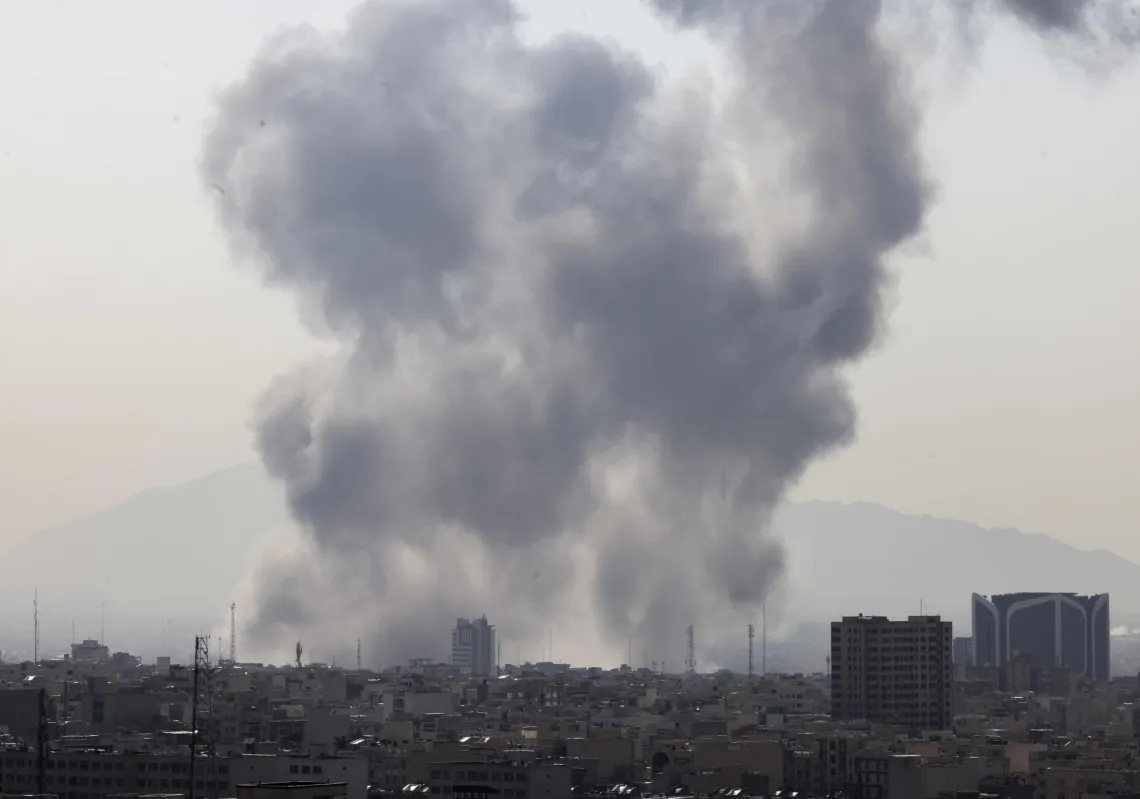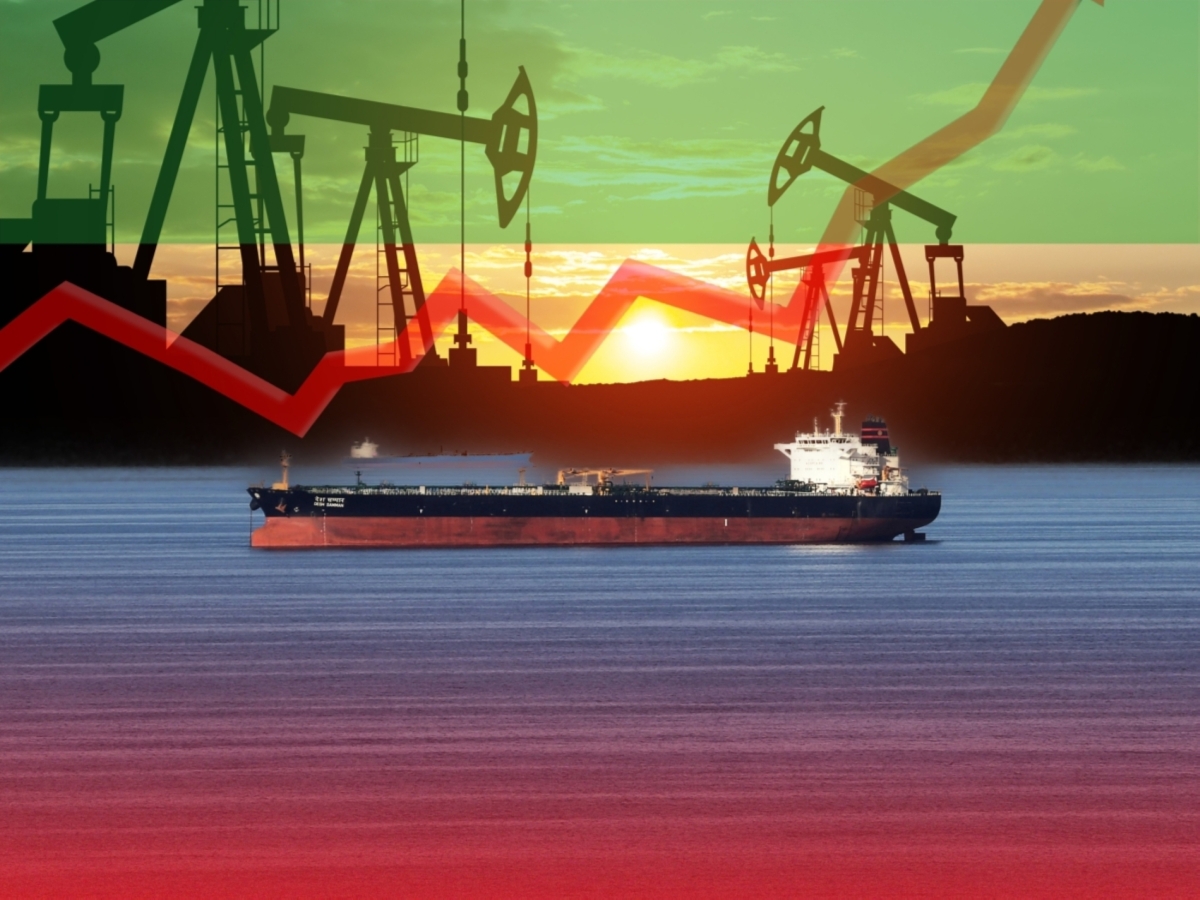

The economic effects of the US-Israeli war on Iran have been predictably profound in a region that holds the world’s largest energy reserves. With Iran’s warning on 2 March that it would “set fire” to ships passing through the Strait of Hormuz, one of the world’s busiest energy shipping lanes, markets reacted by sending the price of oil soaring to a 13-month high and gas to a three-year high, amid worries about supply.
Around 15% of the world’s oil and 20% of the world’s liquefied natural gas (LNG) passes through the strait. US President Donald Trump said the US Navy would escort ships “if needed,” but this would be unsustainable in the long run, meaning that the storage and maritime transport of oil and gas are now subject to intensifying uncertainty and price increases, including rising insurance premiums.
Wider effects
Air traffic across the Middle East is also in turmoil, with airspace closures spreading across much of the region in response to the military action. Airlines have suspended services and diverted routes. Middle East Airlines, Lebanon's national flag carrier, revised its schedule to and from Beirut, particularly for flights bound for Gulf states and Iraq, cancelling services at the outbreak of hostilities. Lebanon closed its airspace for several hours, as did Israel’s Ben Gurion Airport.
Airspace in the Middle East reopened to limited operations on Monday, with a handful of flights departing the UAE. Qatar’s airspace remains closed. It has also halted all maritime traffic in its territorial waters following Iranian attacks. Qatar and the UAE sit at the crossroads of East-West air traffic and are popular transit hubs.
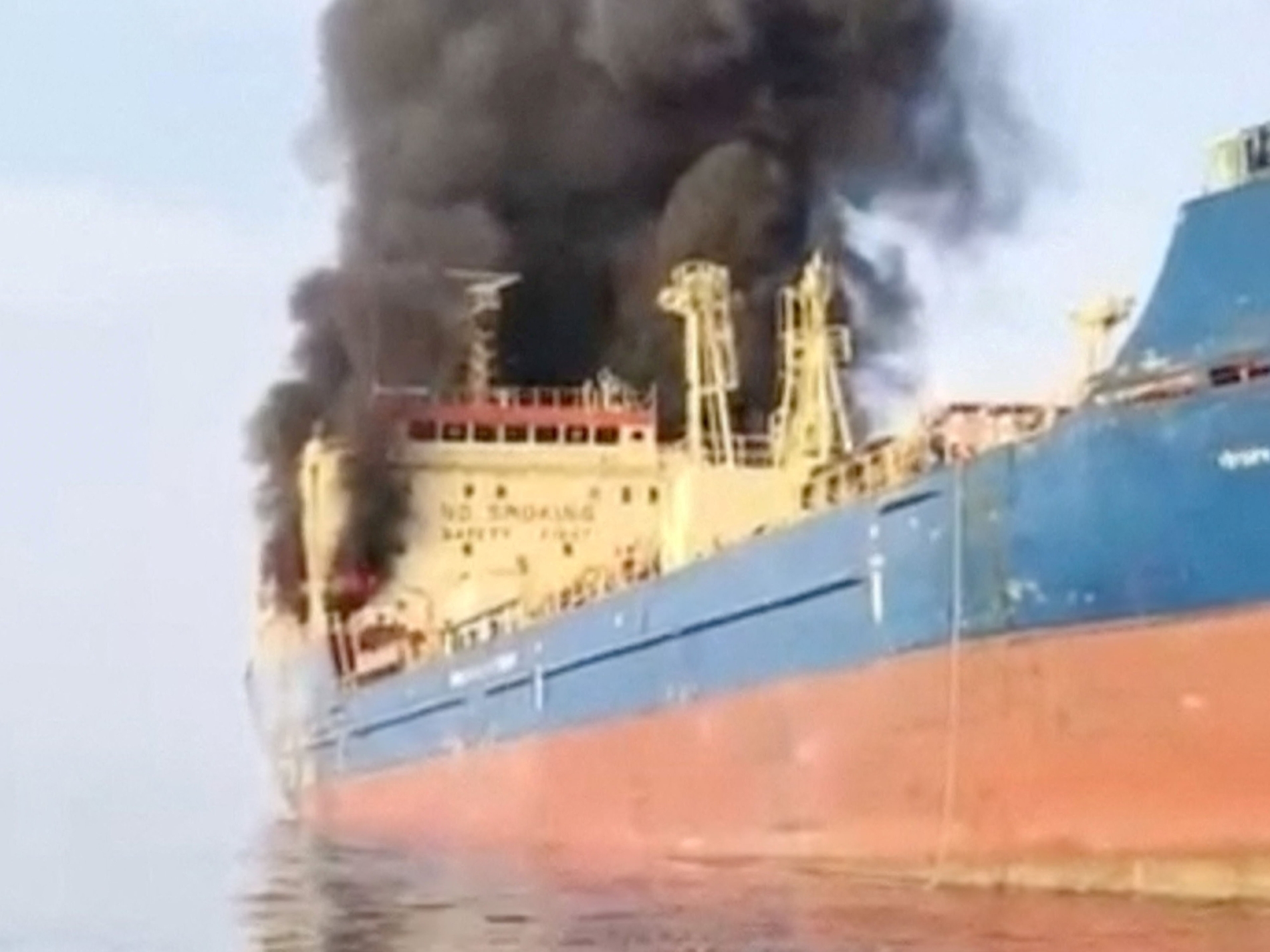
Panic has spread across the region, with concerns over potential shortages of food, medicine, and fuel, after shipments were cast into doubt. Some big oil producers and trading companies suspended shipments through the Strait of Hormuz at the outset of the war. Iran subsequently sought to impede passage by targeting vessels, while the United States advised commercial ships to avoid the Gulf altogether.
Meanwhile, the Port of Beirut declared a heightened state of readiness, opening its facilities around-the-clock. The Financial Times has reported that marine insurers are considering cancelling certain policies or repricing coverage across the Middle East. Maritime brokers anticipate that insurance premiums for vessels could rise by as much as 50% while shipowners are exploring alternative routes to reduce the risks facing crews and cargo.
A climbing price
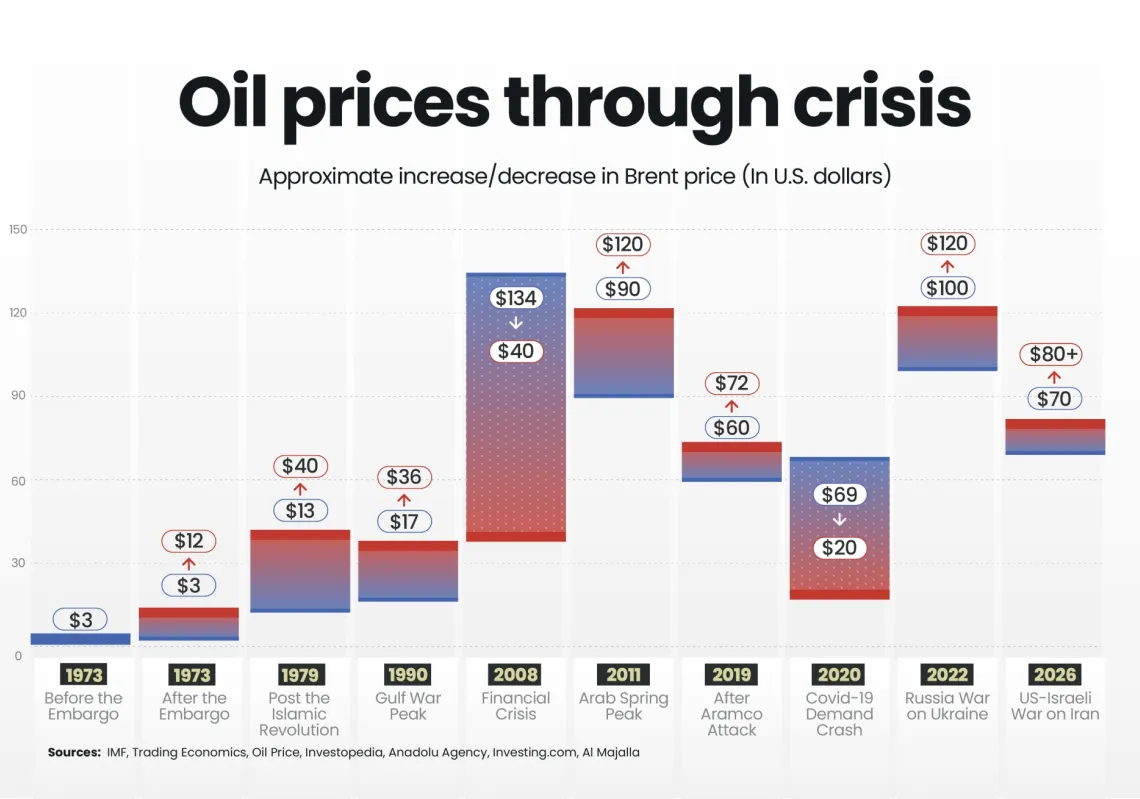
Bassem Bawab, Professor of Economics at the American University of Beirut, told Al Majalla that the war carried direct repercussions for the Gulf and the wider Middle East. The threatened paralysis of the region’s oil and gas industry could cost billions of dollars each day, he said, noting the likelihood of inflation as oil prices climb. He also felt that gold prices could rise by 10%, while a barrel of oil may increase by about $10. At the time of writing, a barrel of Brent crude was $83.7.
Islamic Revolutionary Guard Corps (IRGC) General Ebrahim Jabbari threatened to hit “all economic centres” in the Middle East if attacks against Iran continued. “We have closed the Strait of Hormuz,” he told Iranian news agency ISNA. “Currently, the price of oil is above $80 and will soon reach $200.” Most of the oil shipped through the Strait of Hormuz goes to Asia, with China, India, Japan, and South Korea accounting for 70% of shipments, according to the US Energy Information Administration.