Pakistan turns to austerity as US-Iran war drags on

The country is particularly exposed to energy market mayhem and has urgently trimmed its fuel demands, as three emergency Saudi oil shipments help keep the lights on at home.

AFP / Reuters / Al Majalla

Pakistan turns to austerity as US-Iran war drags on

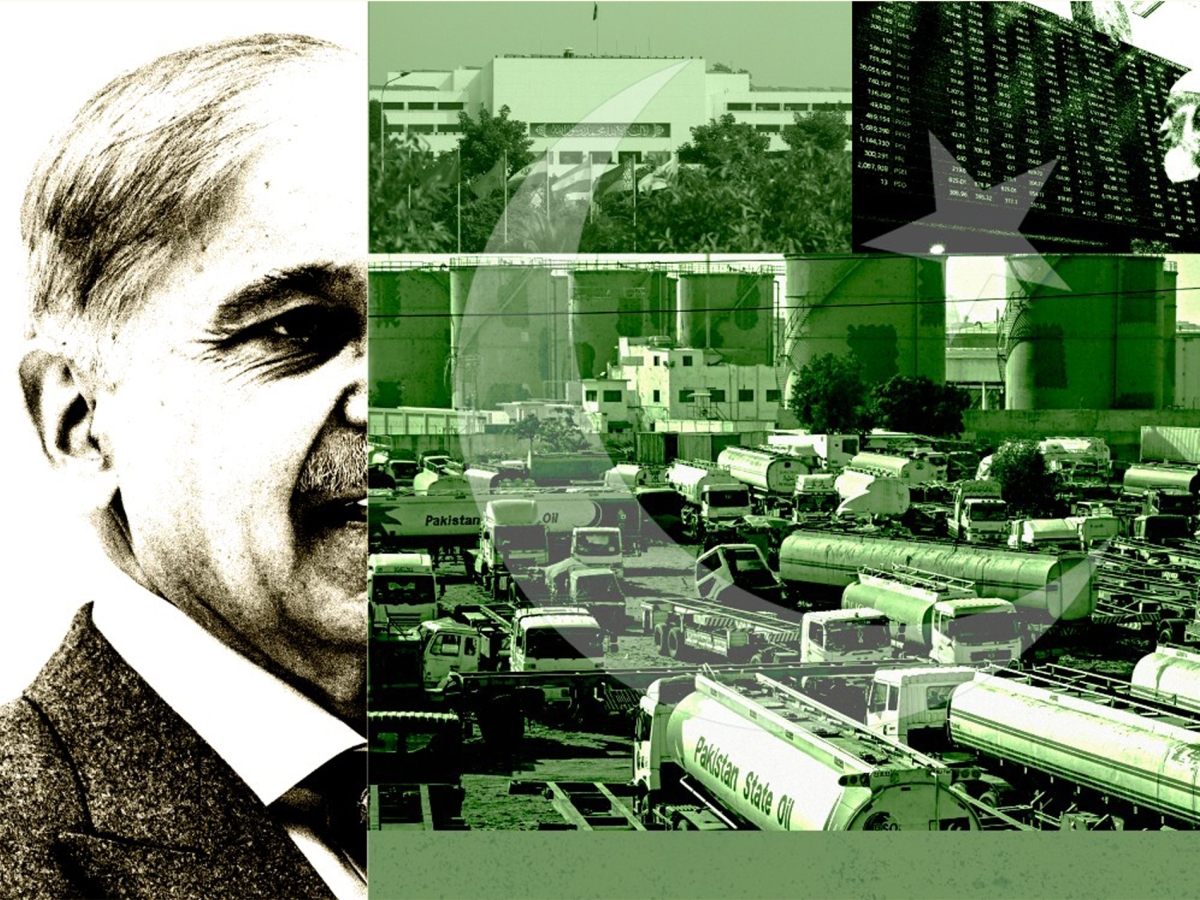
With energy shortages and no sign of an end to the war in the Gulf, Pakistan has launched an emergency austerity campaign to ration provisions. On 9 March, Prime Minister Shehbaz Sharif announced the measures in a televised address, as oil prices rose around the world. It reflects growing anxiety in Islamabad that prolonged instability in the Arabian Gulf could trigger a severe economic shock. Pakistan imports up to 85% of its oil, so it is particularly vulnerable to disruption.

Since inflation remains politically sensitive, the stakes are high. The most aggressive such drive in recent years, the austerity programme aims to reduce fuel consumption, cut government spending, and limit pressure on foreign exchange reserves while global markets remain volatile. It is designed to quickly reduce energy demand nationwide, not least in the public sector.

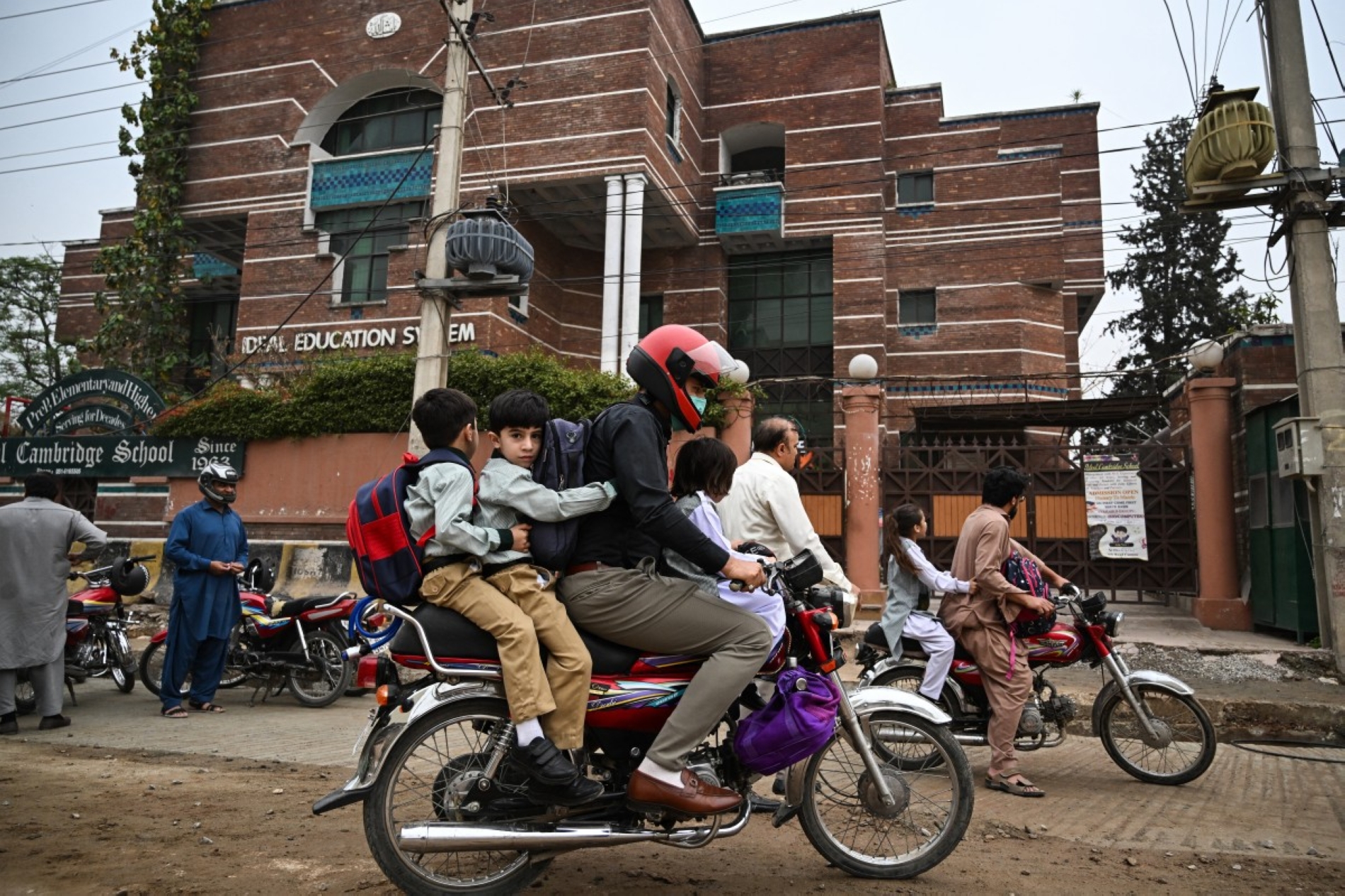
Half of all employees are being asked to work remotely to reduce the energy demands from daily commuting, and government offices will also move to a four-day work week, but sectors such as banking, industry, and agriculture will remain fully operational. Schools will close for a further two weeks, and higher education will move to online learning for now, to reduce demands on transport and electricity.

The government has halved fuel allocations for public-sector institutions for the next two months. Around 60% of public sector vehicles will remain parked during the emergency period, except for ambulance and bus services. Again, this is to reduce energy consumption during what officials describe as a “critical window”.

Rashid Aftab, director of the Islamabad-based Riphah Institute of Public Policy, felt it was good planning. “Fuel quota cuts, limited government operations, transport and logistics reduction, administrative cost reduction, online education at various tiers, energy-saving policies, work-from-home, and virtual meetings are concrete and tangible actions,” he said. “The government aims to save $1.5bn to $2.7bn annually through these measures, which can lead to observable fiscal discipline and fiscal stability. I think it will accomplish this task.”

Pakistan’s parliament joined the campaign. National Assembly Speaker Sardar Ayaz Sadiq said 70% of official vehicles would be taken off the road to cut the legislature’s fuel consumption, while fuel allocations for the remaining vehicles are suspended. Four out of every five parliamentary employees will work remotely, committee meetings will be held online to limit electricity usage and transportation costs, and Assembly sessions will be held before sunset to reduce lighting requirements.
AMIR QURESHI / AFP
Children return home after a government fuel-saving order led schools to close and shift to online classes amid soaring oil costs in Rawalpindi on 10 March 2026, amid the Iran-US-Israel conflict.

Government spending has been largely suspended, except for essential operational requirements. Cabinet ministers will forgo their salaries for two months, parliamentarians will face a temporary 25% pay-cut, and senior government officials will contribute the equivalent of two days’ salary to the national treasury.

Non-essential foreign travel by ministers and governors has been banned unless it is critical to national interests. Conferences and seminars will now be held in government buildings (not hotels), and there is a temporary ban on ceremonial dinners and large gatherings.
Pakistan has had to raise domestic fuel prices by 20%, one of the largest adjustments in recent history

Help from friends

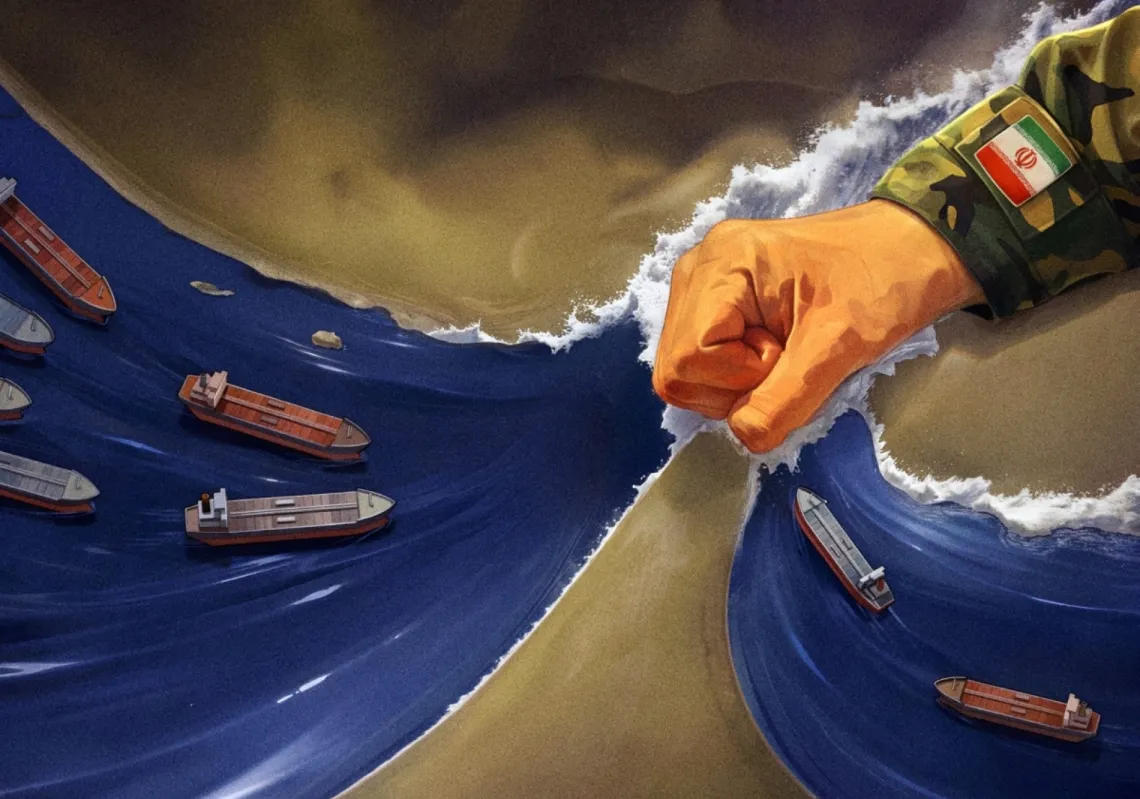
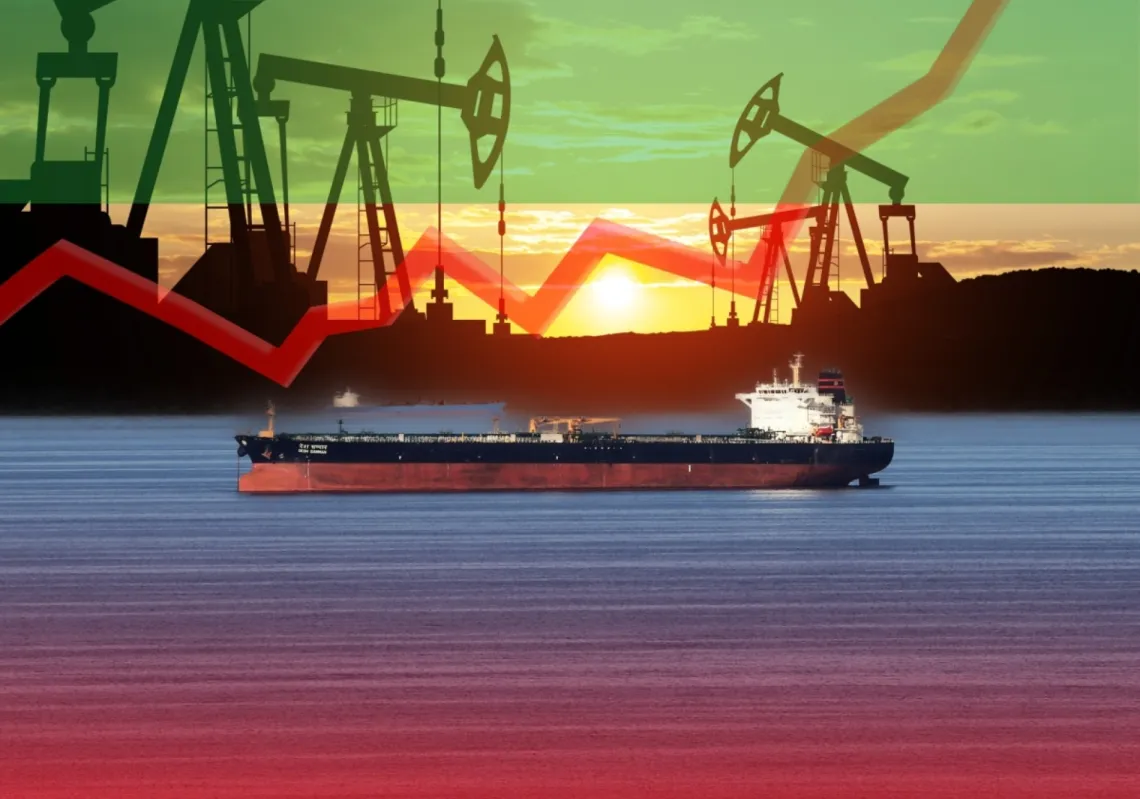
Pakistan's emergency measures were outlined as Iran effectively closed the Strait of Hormuz, one of the world's most important energy corridors through which nearly 20% of global oil trade passes. This has pushed oil prices to more than $100 per barrel, with some investment banks now expecting prices of $150 per barrel if the Strait remains closed for several weeks.

This has forced Pakistan to raise domestic fuel prices by nearly 20%, one of the largest such increases in recent history. Pakistani motorists are paying roughly $4.37 per gallon, compared to around $3.50 in the United States, but Petroleum Minister Ali Pervaiz Malik told Al Majalla that Pakistan had secured emergency reserves with assistance from Saudi Arabia. 

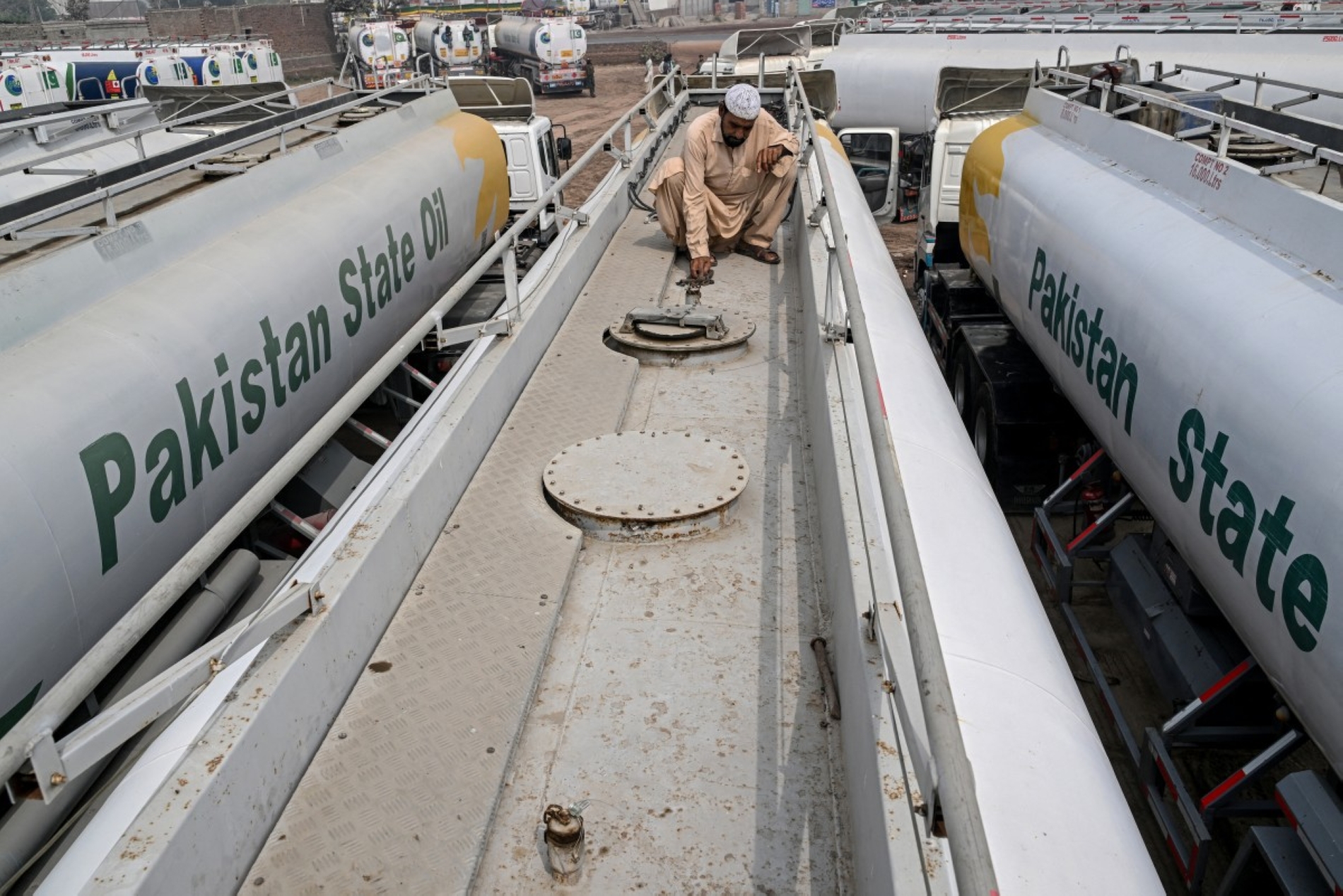
"The good news is that we have sufficient reserves," he said. "Saudi Arabia has provided oil during these difficult times and even arranged tankers to deliver it to Pakistan." Three oil shipments arrived in Pakistan on 9 March. Officials said these shipments provide crucial breathing room for Pakistan's energy supply chain while the government implements austerity measures to curb domestic demand.

ARIF ALI / AFP
A worker seals the Pakistan State Oil tanker's lid at the fuel storage facility in Sheikhupura district in Lahore on 10 March 2026.

Energy dependence

Pakistan's dependence on imported energy is a long-standing problem. Domestic oil production meets only 15% of demand, so international price increases quickly affect import bills and foreign reserves. Fuel costs ripple through the broader economy. Diesel powers agriculture and logistics networks, while petrol fuels transportation. Freight and distribution costs rise, which is ultimately passed on to consumers.

Economists warn that continued disruption in Middle Eastern energy markets could widen Pakistan's trade deficit and place renewed pressure on the rupee, while Pakistan's energy challenges also extend to natural gas. The Oil and Gas Regulatory Authority recently approved increases of up to 22% in liquefied natural gas (LNG) prices for March.

Transmission and distribution prices have increased by between 10-20% on average. Regulators attributed the increases to higher import costs, terminal charges, and disruptions affecting LNG shipments. Only two LNG cargoes have arrived so far this month, compared to eight shipments in the four weeks earlier. 

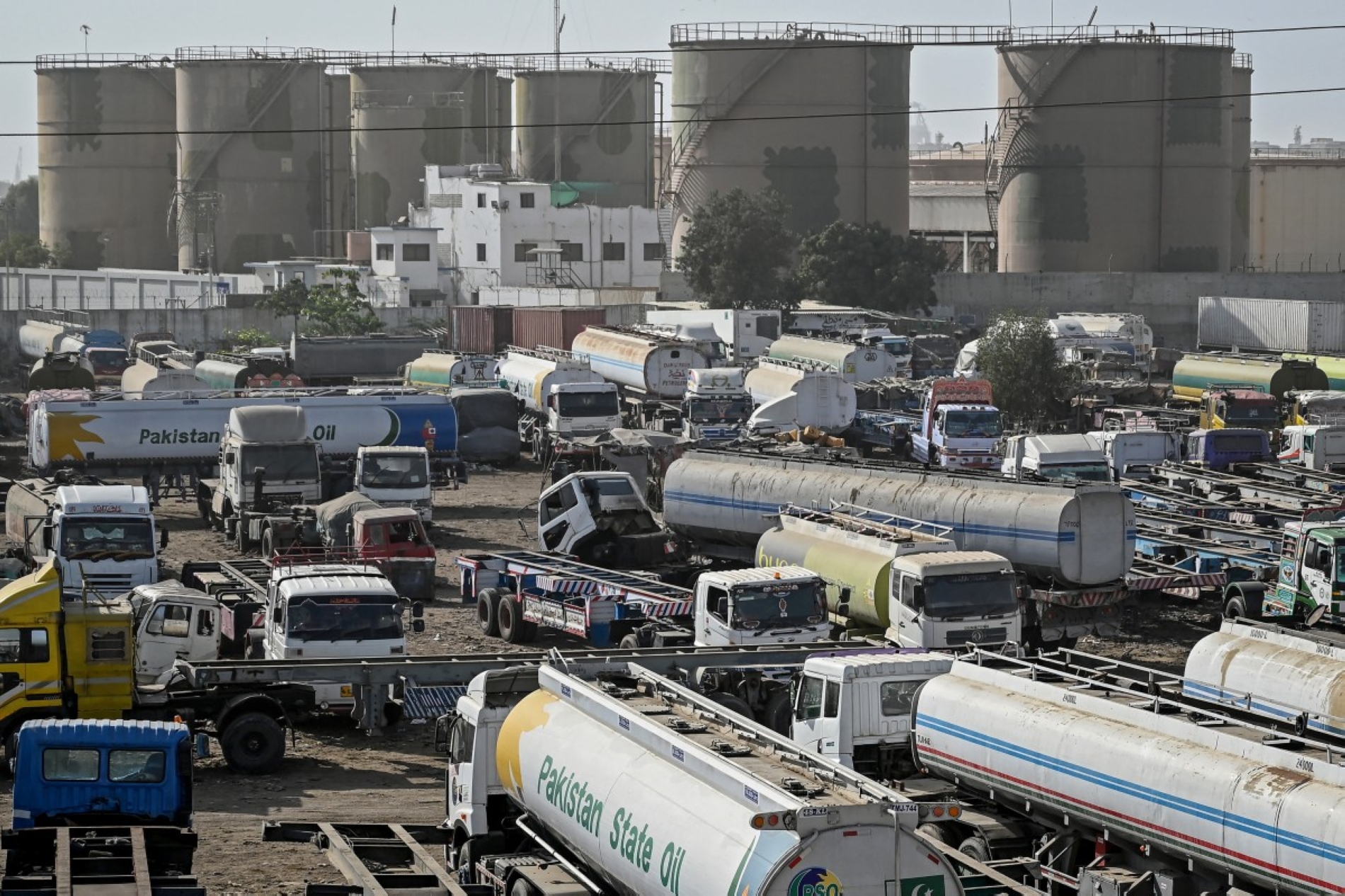
RIZWAN TABASSUM / AFP
Oil tanker trucks stand parked near an oil storage terminal in Karachi on 12 March 2026, as global energy markets face disruptions amid the ongoing conflict in the Middle East.

Economists think the government's austerity measures can provide short-term relief by reducing fuel consumption and limiting pressure on Pakistan's energy import bill, but structural vulnerabilities persist, with the country's reliance on imported fuel leaving it exposed to geopolitical disruptions, particularly in the Gulf. Some say it underscores the need for long-term investment in renewable energy, domestic gas exploration, and more efficient distribution.

For policymakers, the challenge is preventing higher fuel prices from sparking broader economic instability while maintaining reliable energy supplies and containing inflation. Households are facing rising costs, and fuel is essential for agriculture, transportation, and industry.

Officials say the austerity measures are temporary and will be reassessed once global energy markets stabilise, but at the time of writing, there is no sign that the war against Iran will end soon. Pakistan's economic resilience may ultimately depend on how long the war lasts—and how effectively it can implement structural reforms alongside immediate conservation measures.

font change