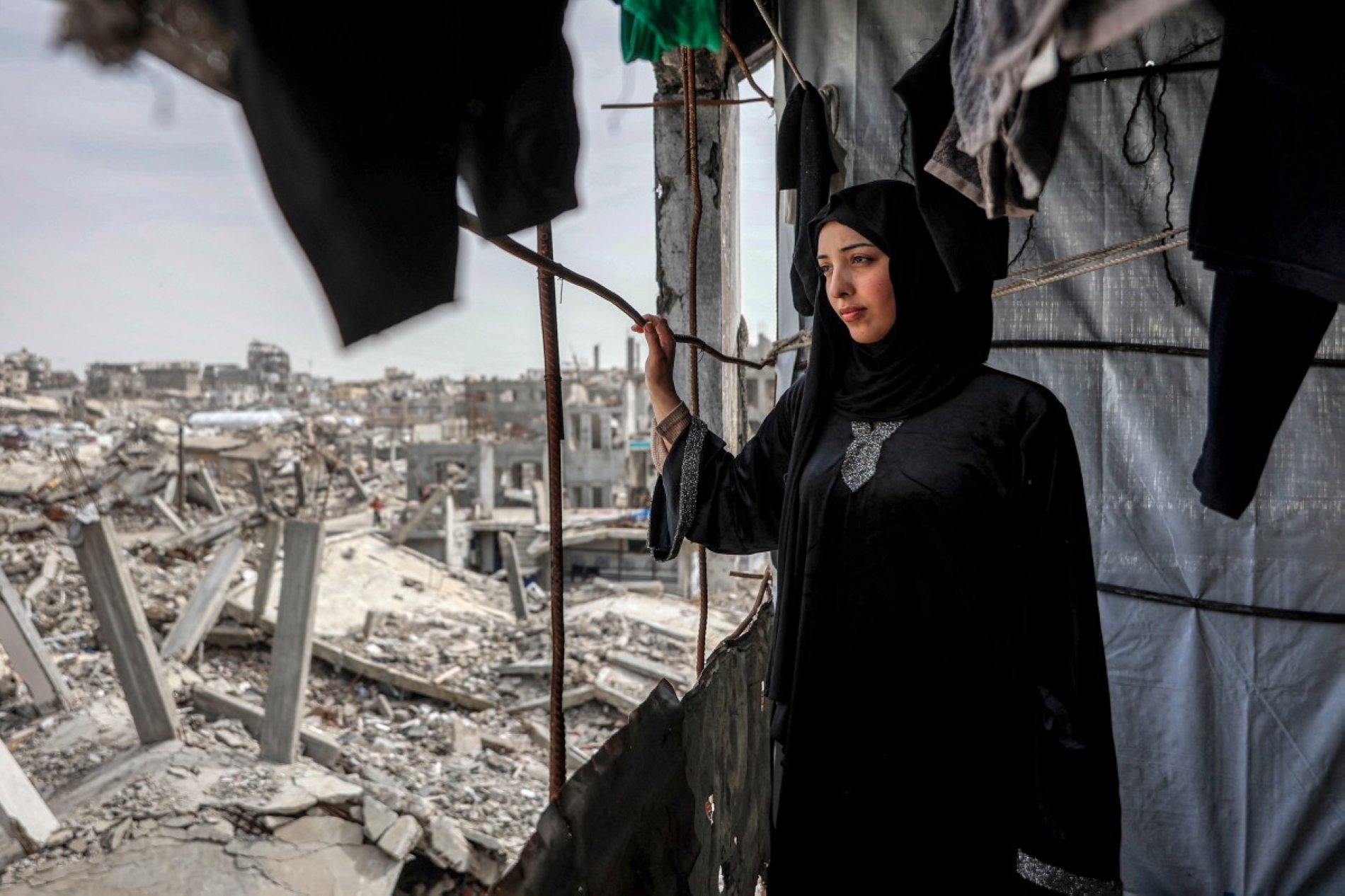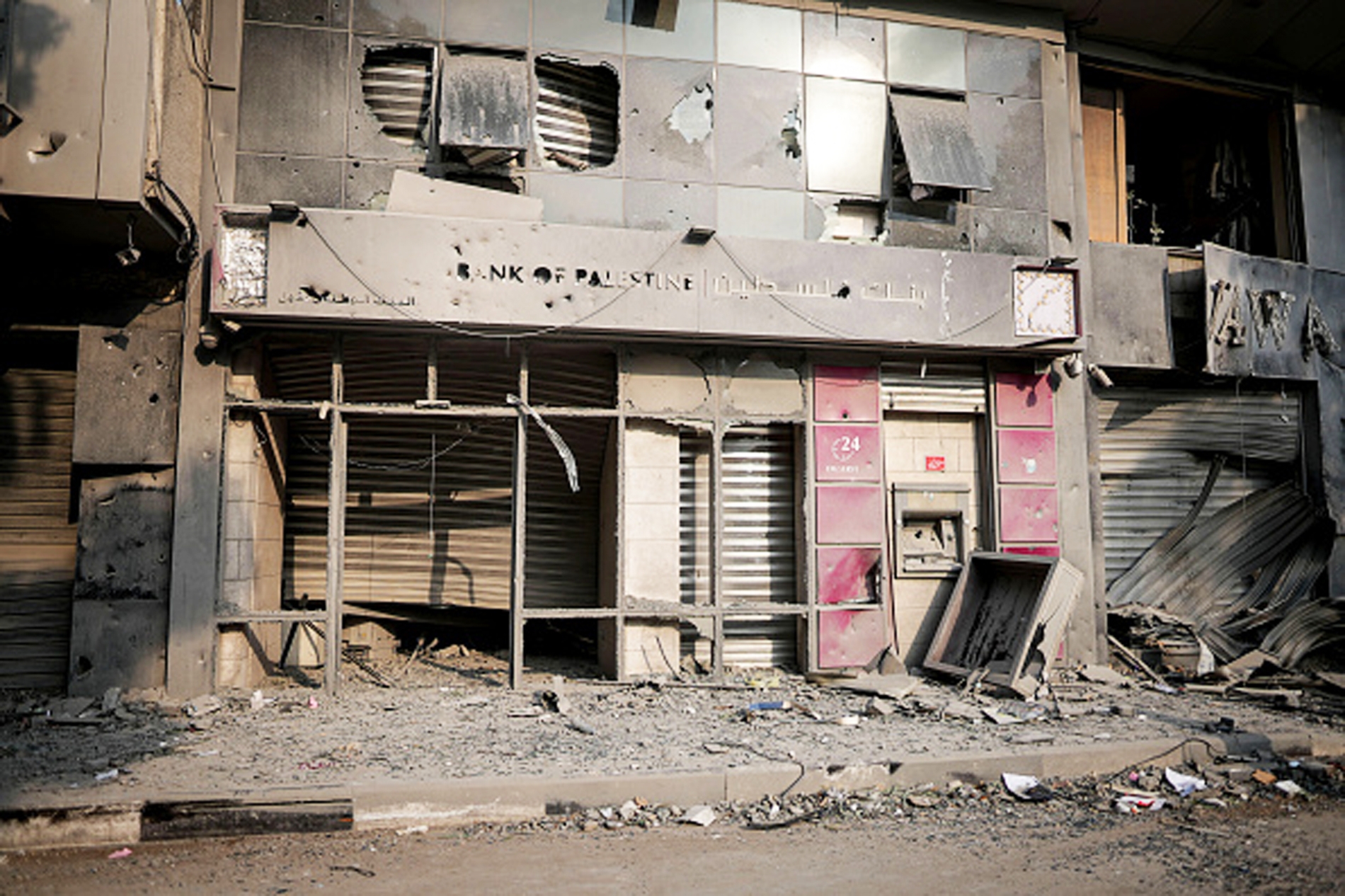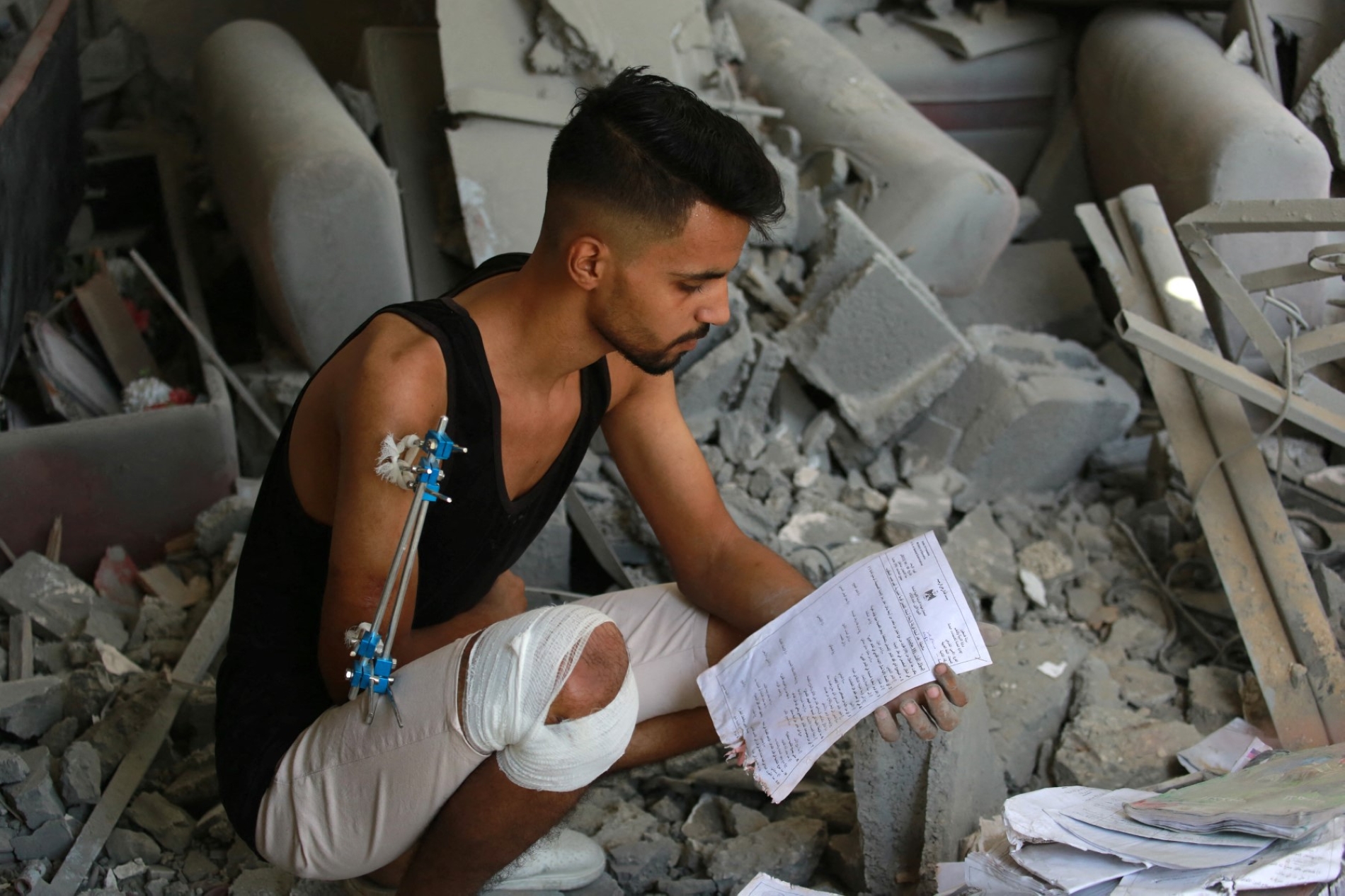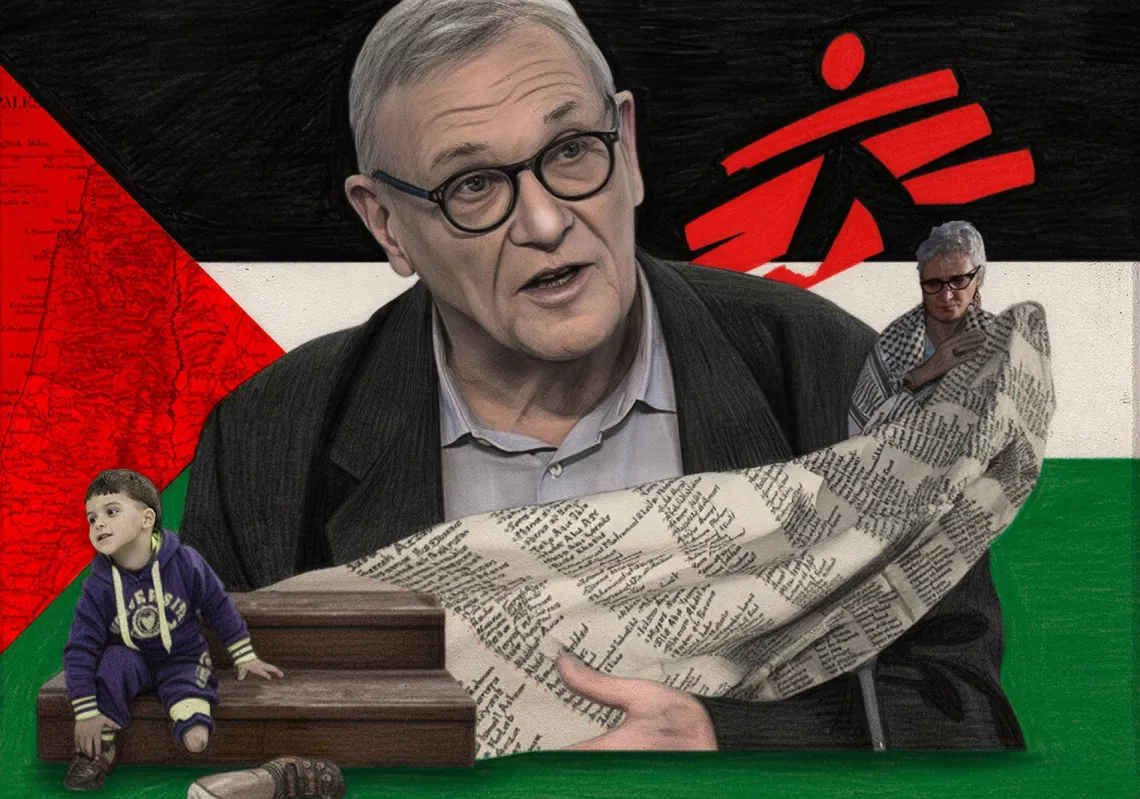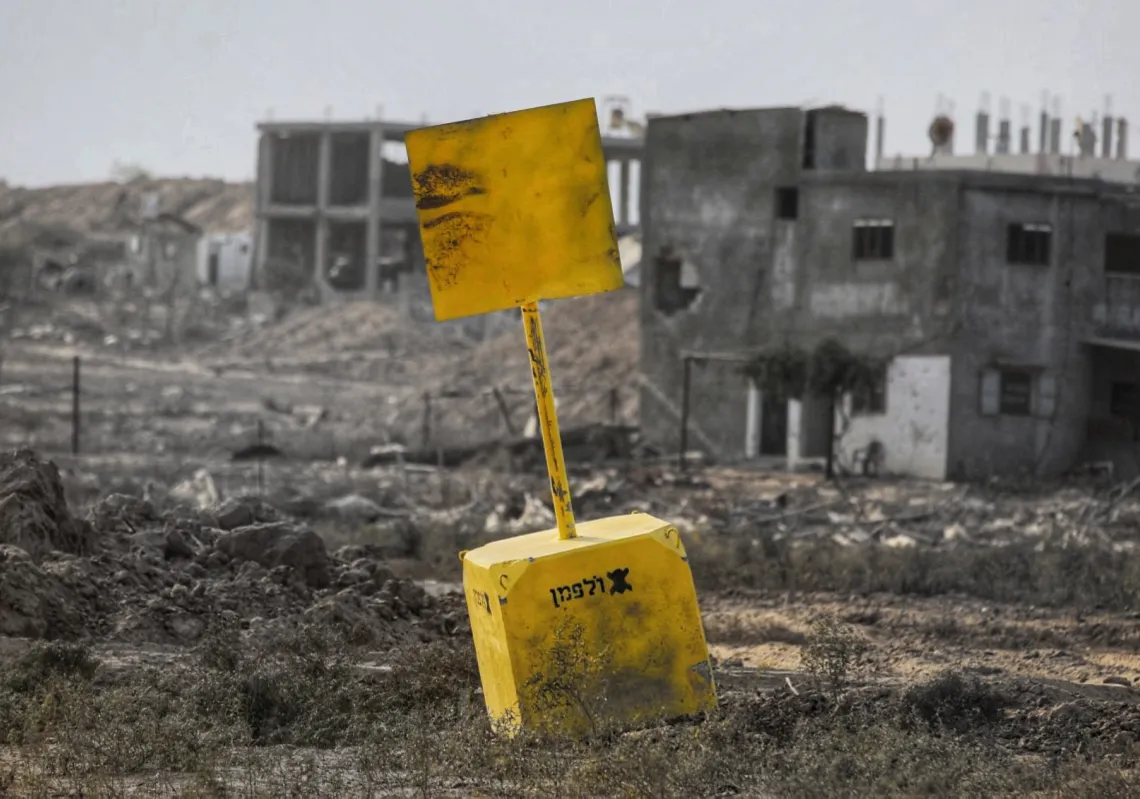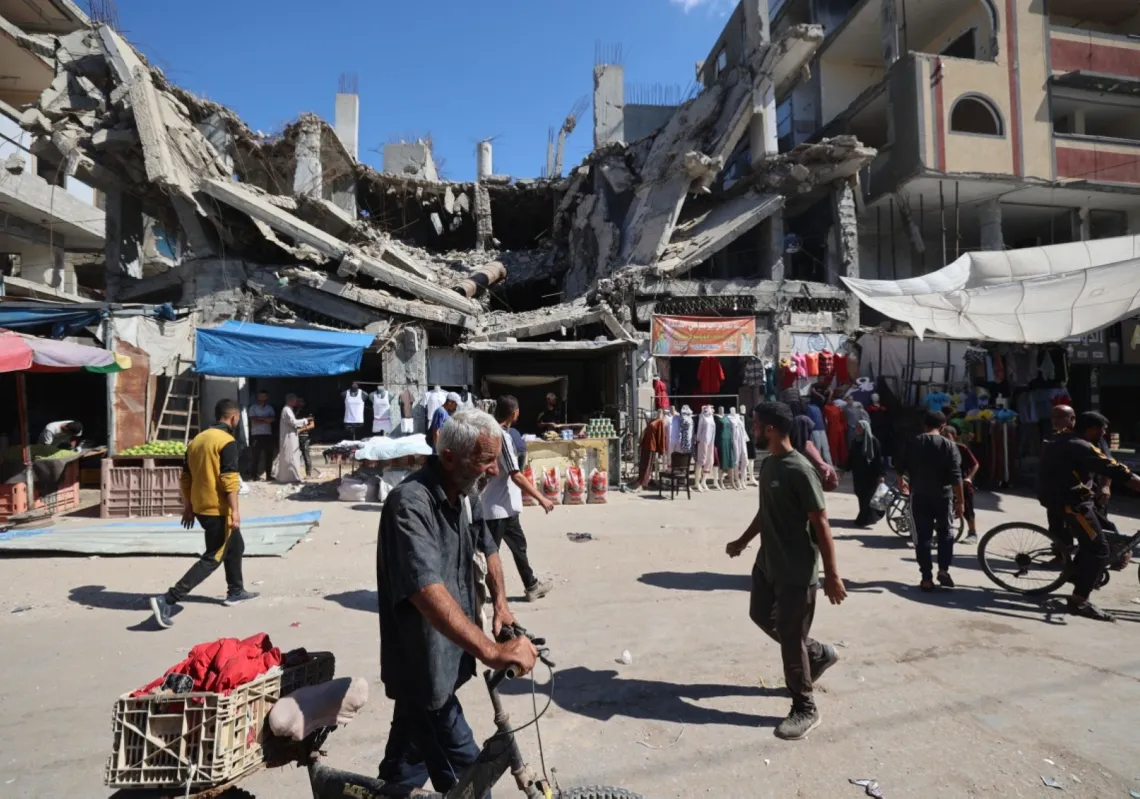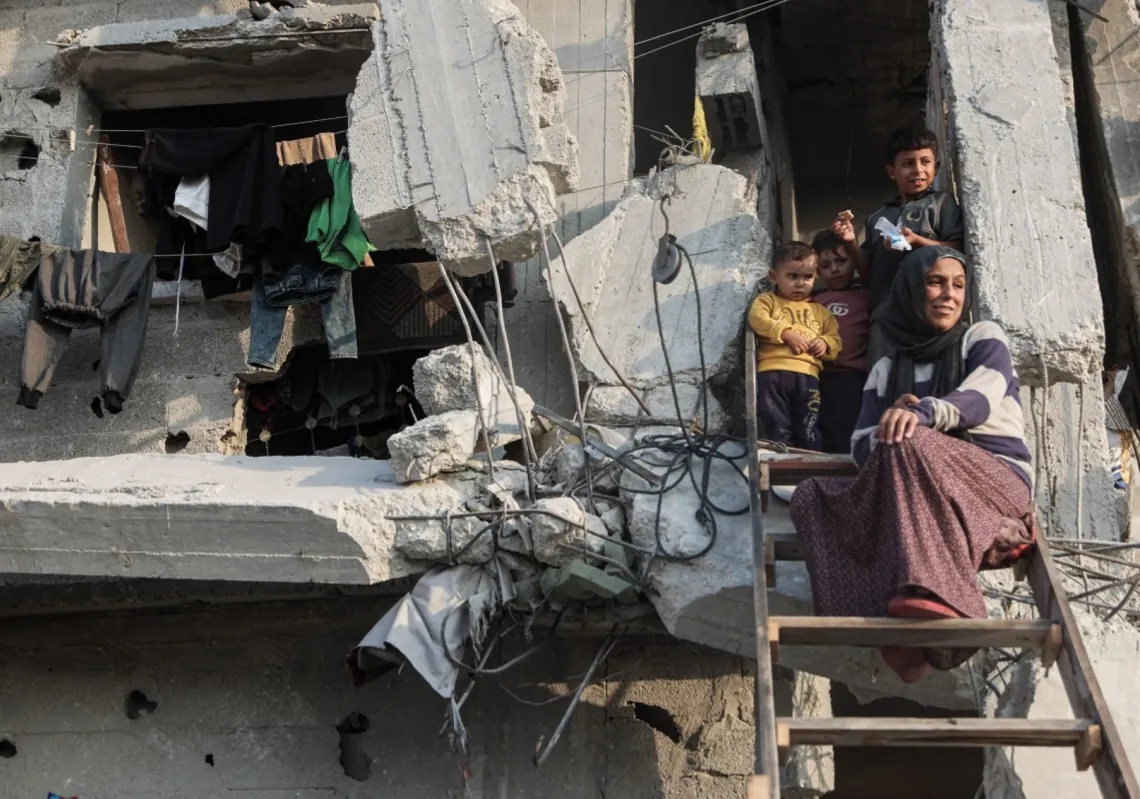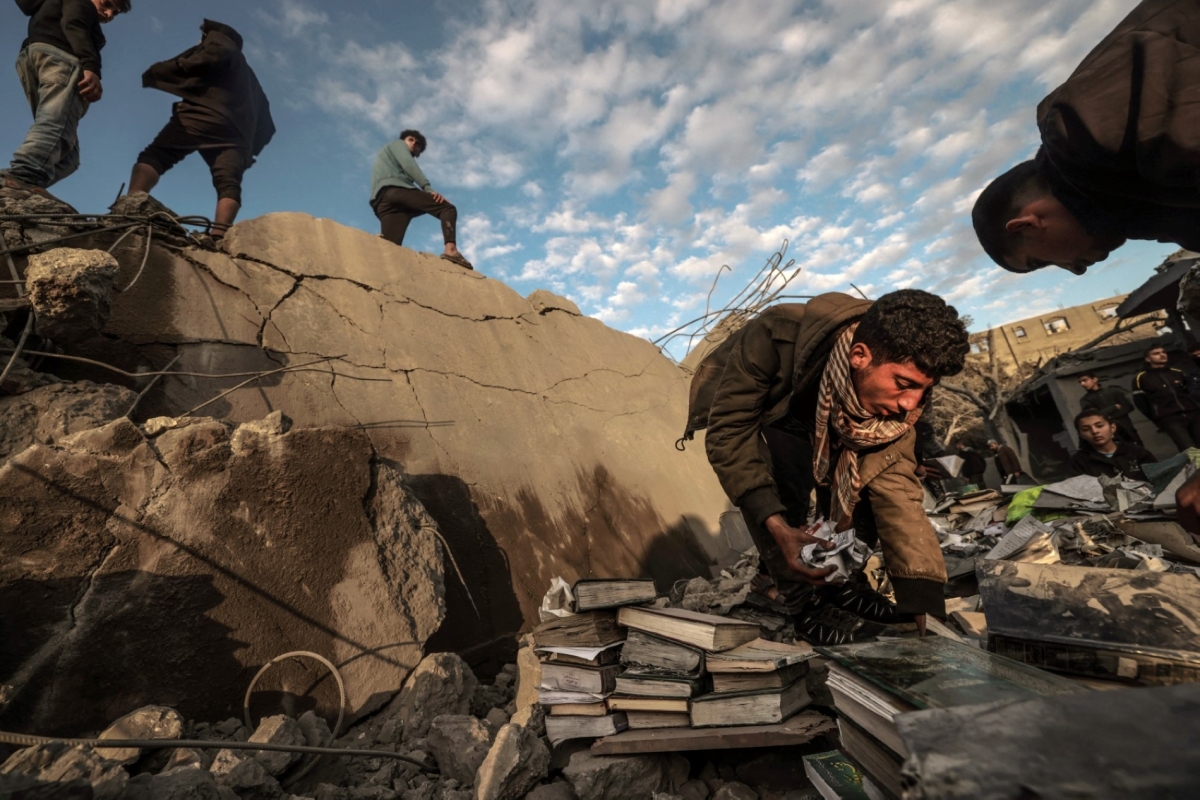

In Israel’s genocidal war on Gaza, homes did more than burn. Some were shattered, others were levelled entirely, leaving no discernible trace of their former existence. Yet the ruin inflicted upon Gaza goes beyond the destruction of bricks and mortar. It swept away small leather satchels and plastic folders, the contents of which were worth more than gold. Within them lay title deeds to houses and plots of land, inheritance certificates, building permits, identity cards, birth certificates, marriage contracts, and university diplomas.
These papers were not kept haphazardly. They were gathered with care, placed in modest bags, and stored in familiar corners of the home, ready to be seized at the first sign of danger. In the confusion of flight, some families forgot them. Others departed believing their absence would be fleeting.
Though a ceasefire has endured for over four months, the shadow of bombardment and death lingers. Many Palestinians have returned to the districts they once called home. Many more remain displaced. Among those who have returned, a question echoes with painful urgency. It is no longer, ‘Where is my home?’ but rather, ‘How can I prove that I once had a home here?’
In October 2025, UN and Gaza Government Media Office reports indicated 80 to 90% of housing units had been damaged or destroyed since the beginning of the war, with northern and eastern neighbourhoods entirely erased. Such devastation, according to the Ministry of Local Government and the Palestinian Land Authority, has been accompanied by the widespread loss of private and public archives. Municipal headquarters, local registries, and the offices and archives of most ministries have been either destroyed or damaged, rendering them inoperative amid collapsed infrastructure.
Against this backdrop of loss—accompanied by Israel’s rhetoric of displacement and the proposed settlement of northern Gaza—the Palestinian Authority in Ramallah issued a statement rejecting any infringement upon land records or the exploitation of wartime conditions to alter ownership. It affirmed that rights do not lapse when documents are lost, while also calling for urgent protection and documentation mechanisms.
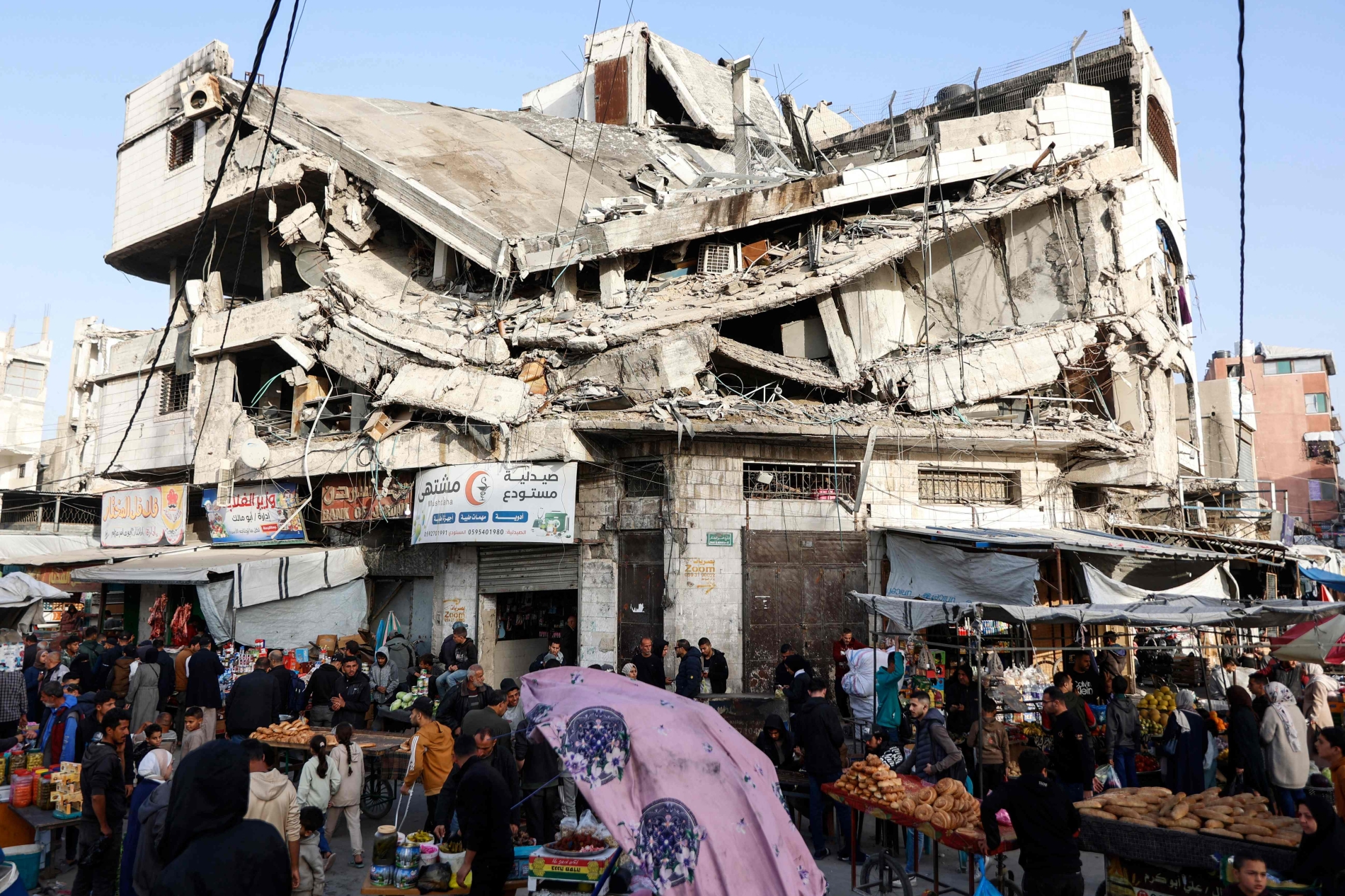
Throughout the war, the UN consistently warned that the widespread destruction of civilian infrastructure, including homes and government facilities, not only jeopardised residents’ access to basic services but also their ability to assert their civil and property rights. UN reports explicitly urged the preservation of official archives and the streamlining of document re-issuance, often via digital or international verification, to prevent statelessness and property disputes.
Lost family documents
Hussein Adwan, a 48-year-old government employee and father of four daughters, owned an apartment in the Al-Karama neighbourhood northwest of Gaza City, where he lived with his family in a residential tower. He also held land in Rafah, where he was born and raised after his family fled the village of Barbara as refugees in 1948. More than 20 years ago, he moved to Gaza City for work, leaving behind his extended family.
In the early days of the war, he left for Rafah with his wife and daughters. “I took only light things for two days and left,” he recalls. The bombardment intensified. Ground incursions followed, particularly in Al-Karama and Al-Sudaniya, which endured unprecedented destruction. Dozens of towers and residential buildings were destroyed during the assault, including the tower that had been his family’s home.
When Adwan and his family left for Rafah, they carried nothing but their identity cards. A small leather bag remained behind, holding every document of consequence. It was lost when the apartment was struck. “My daughters’ birth certificates, my university degree and my wife’s, the title deed to the apartment, papers for land in Rafah, and most precious of all, documents from before 1948 proving my grandfather’s ownership of land in the occupied town of Barbara,” he recalls.
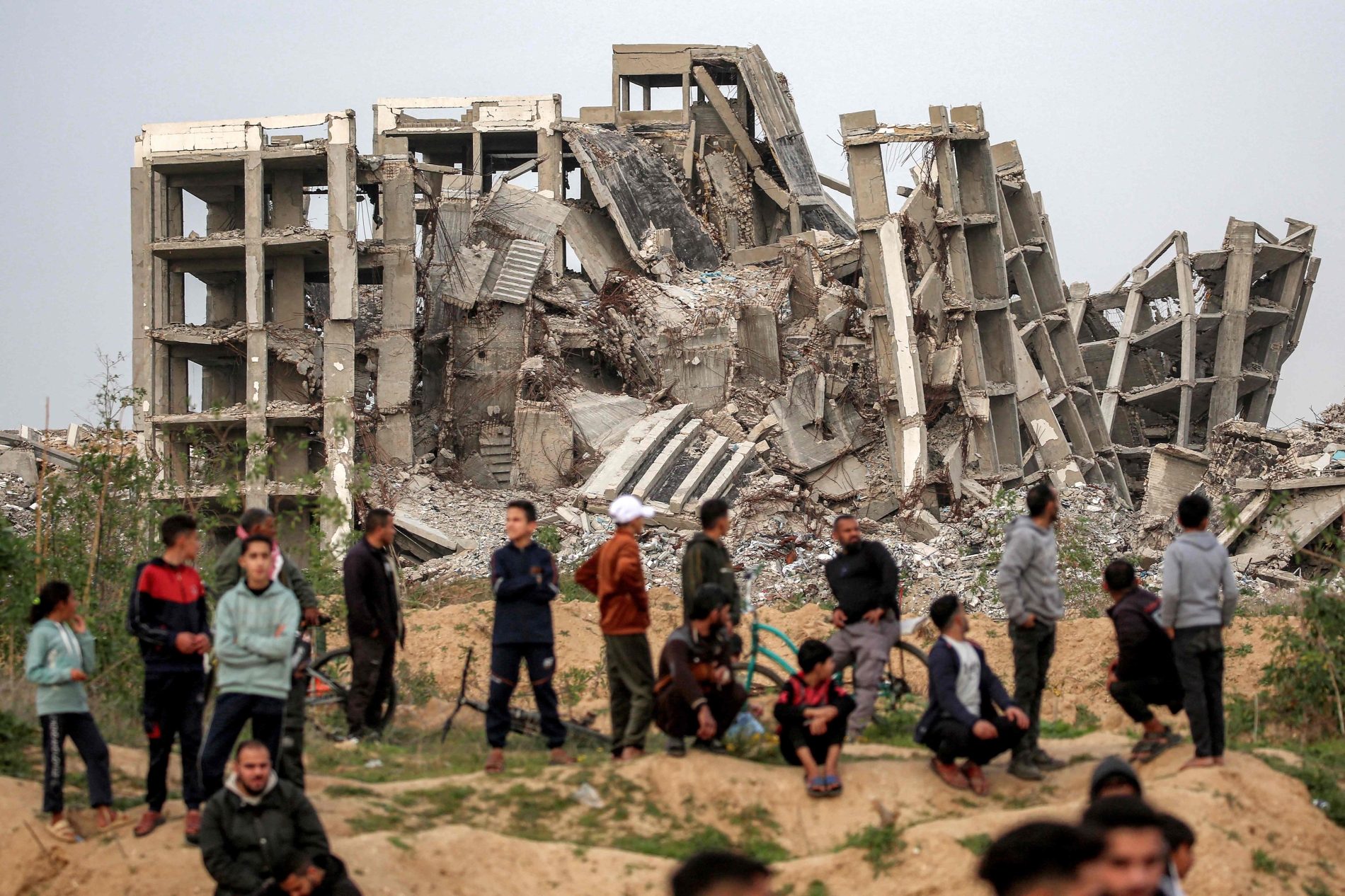
More than a year later, he returned to his home and found only a mound of concrete and twisted steel. The tower had been reduced to rubble. Of the bag, he says quietly: "It lies beneath the debris. Perhaps it burned. Perhaps it was torn apart. I do not know." He now holds nothing that attests to his ownership of the apartment, not even the plot or building number. Should compensation or reconstruction begin, he fears he will be asked for the single item he no longer possesses: documentary proof.