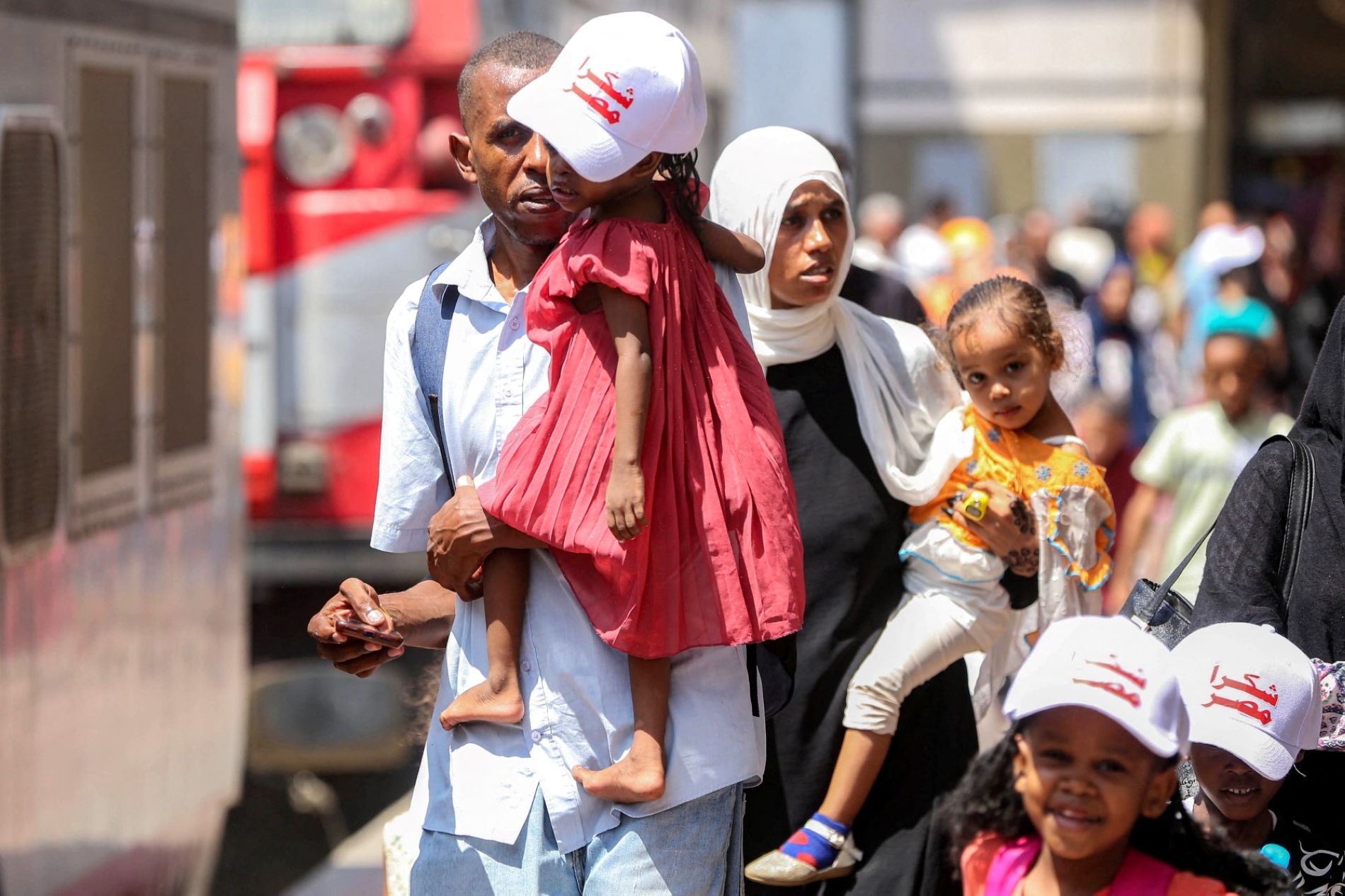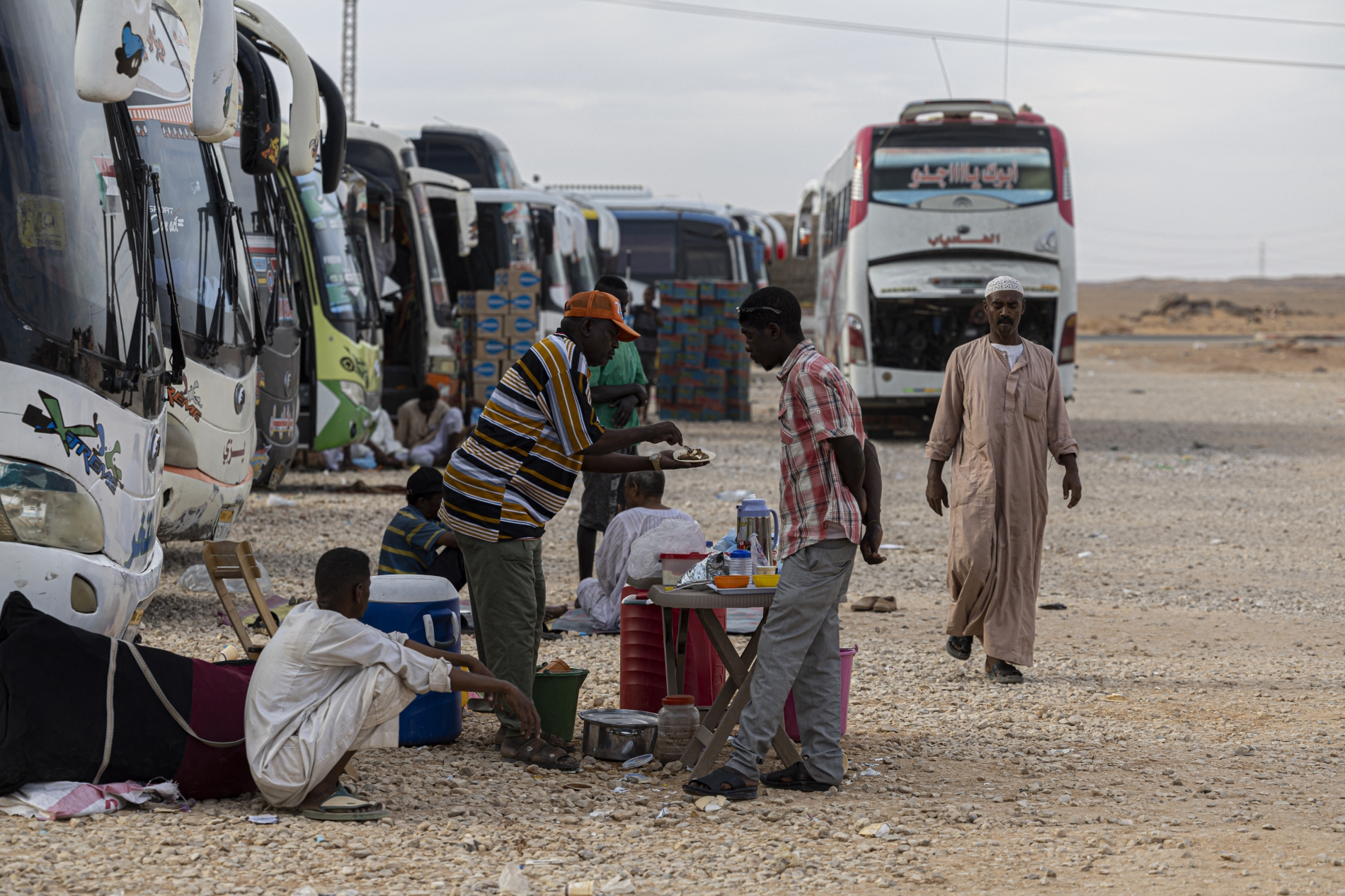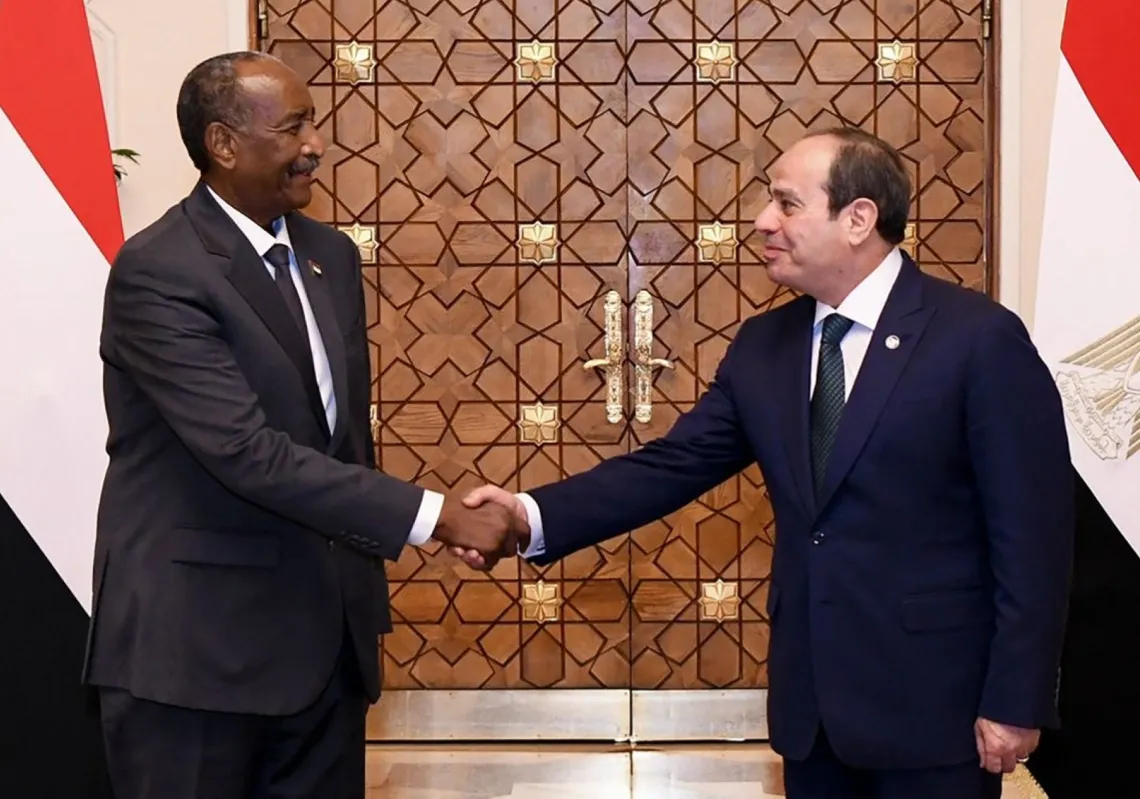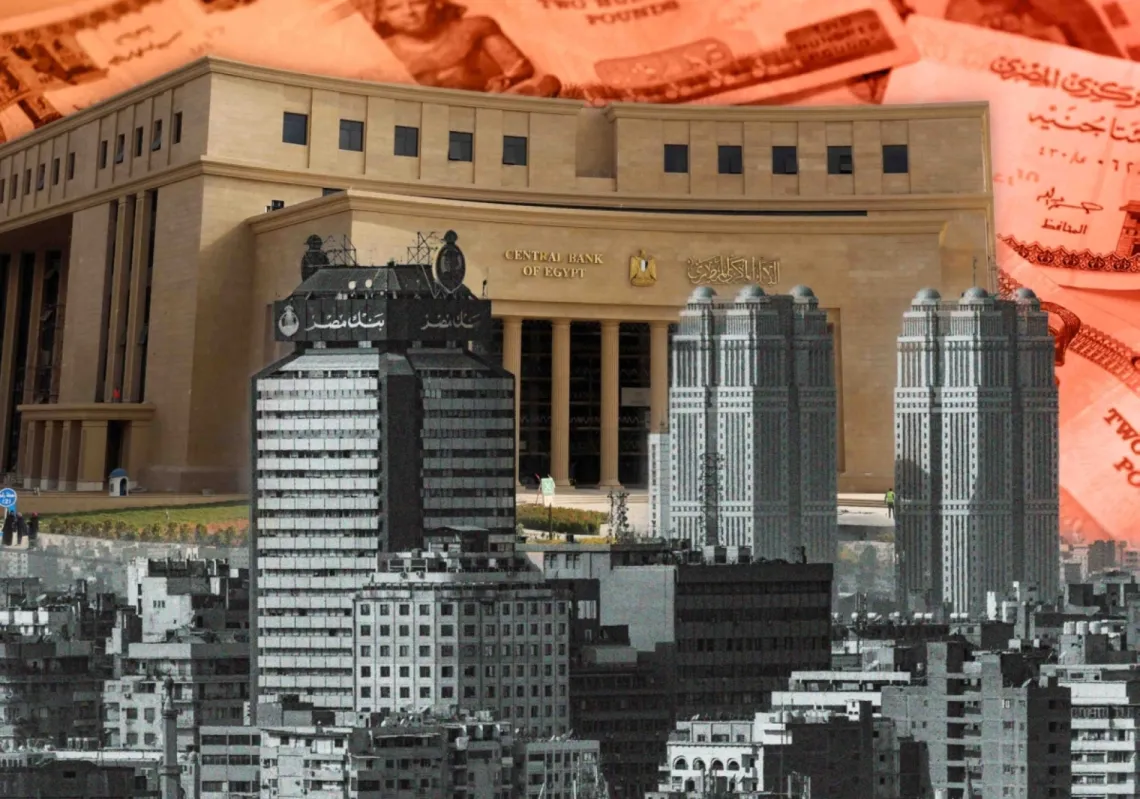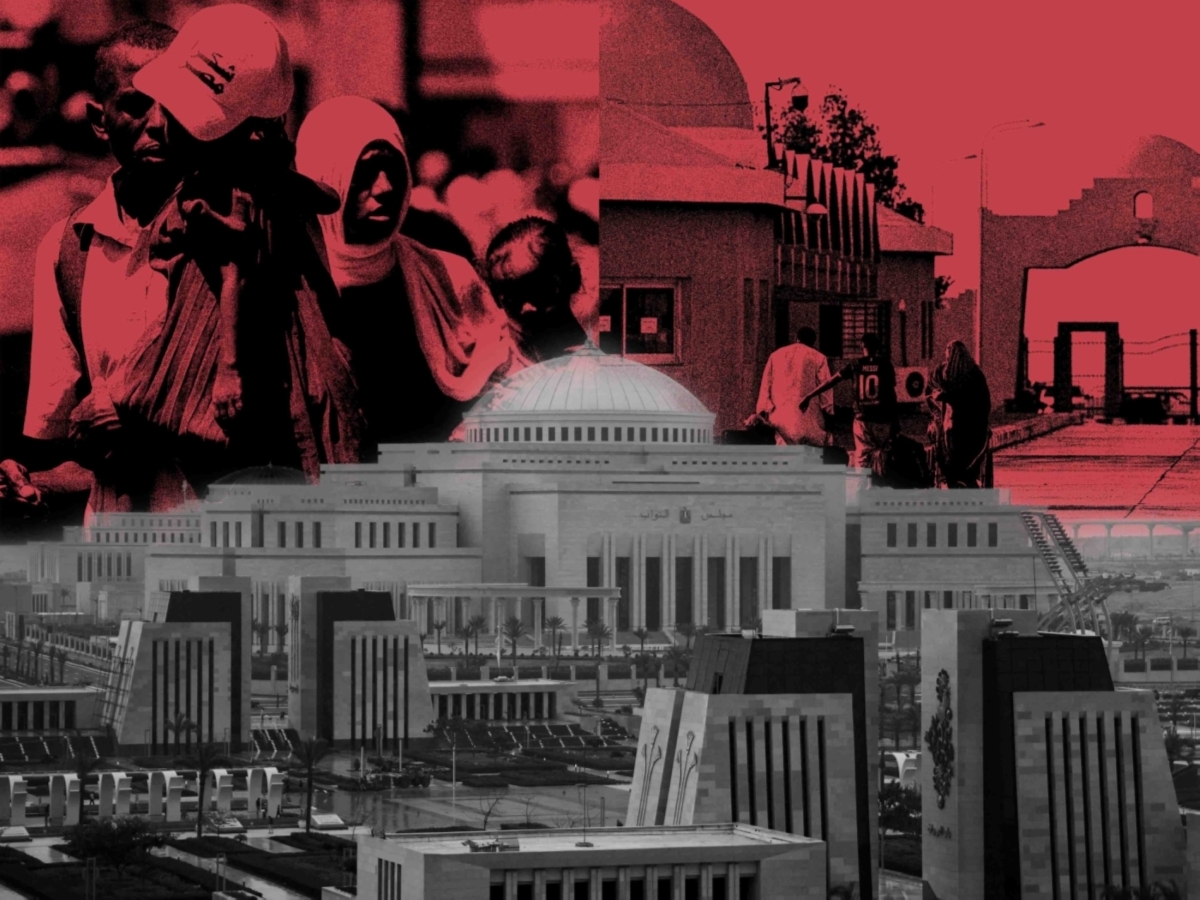

Amid unprecedented regional upheaval, Egypt has become a principal host for refugees across the Middle East and North Africa, but the country’s increasing financial pressure has added an urgency to the mix, and the issue has now moved far beyond the bounds of a temporary humanitarian concern.
Successive regional crises—from Sudan and Syria to the Horn of Africa and Palestine—has led to the continued arrivals, but while there are international funding contracts, the Egyptian state faces a delicate balancing act between its humanitarian obligations and finite national resources. Policymakers are scratching their heads over how to transform millions of refugees from a latent cost into an organised economic asset.
According to the United Nations High Commissioner for Refugees (UNHCR), 1.05 million refugees and asylum-seekers are registered in Egypt, but most are not. Egyptian authorities say there are 9 million foreign nationals in the country, a figure that includes refugees, migrants, and those legally residing in the country. Questions over the true figures highlight the absence of a comprehensive national database.
The Egyptian state is responsible for providing essential services to refugees, foremost among them healthcare and education. Refugees benefit from national health programmes, including vaccination campaigns and presidential initiatives. Refugee children are admitted to public schools, stretching budgets.
Education problem
By October 2024, the UN said there were 246,000 refugees and asylum-seekers of school age in Egypt, but nearly half fall outside the formal education system. A separate study reports that 9,000 children arrive in Egypt every month, almost half of whom do not enrol in school. These figures exclude 100,000 Palestinians who entered Egypt from Gaza in 2023 without registering with UNHCR. According to a diplomatic source in Cairo, most cannot get legal residency or access to public education.
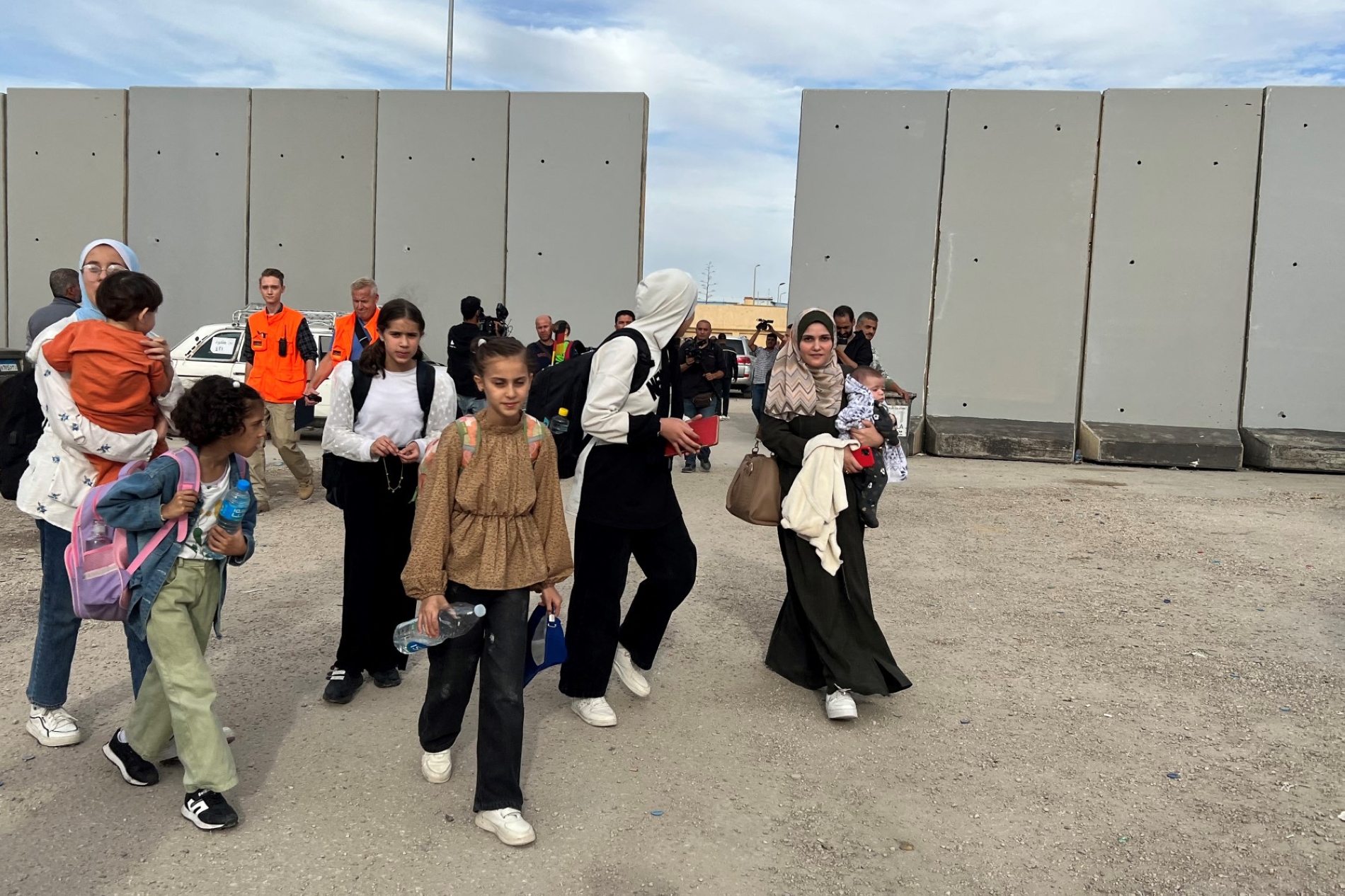
The cost to Egypt of hosting the refugees cannot be accurately calculated without detailed official reporting, but there is a cumulative strain on the system that requires long-term planning. Law No. 164 of 2024, known as the Foreigners’ Asylum Law, is an effort to address the problem. It legally defines a refugee and establishes a Permanent Committee for Refugee Affairs under the authority of the Prime Minister.
The significance of this statute is that it represents a move towards structured institutional governance. Responsibility for registering refugees and administering their affairs is transferred from the United Nations High Commissioner for Refugees (UNHCR) to a national authority. This gives the state control over its refugee data (including numbers, nationalities, grounds for asylum, and material needs), which in turn lays the groundwork for more coherent and effective policymaking.
The law also enshrines core rights for refugees, including access to healthcare, education, and employment, as well as the right to establish or join companies. This lets refugees work in the formal economy, transforming dependency into productivity.