The new US defence strategy leaves allies in the lurch

A sweeping shift in Washington’s geographic and doctrinal compass brings the focus closer to home, leaving partners out on the periphery

AFP-Reuters

The new US defence strategy leaves allies in the lurch

The United States’ recently published 2026 defence strategy raises more questions than it answers. On the surface, it points to a sweeping reorientation of Washington’s military compass, both geographically and doctrinally, alongside a reordering of strategic priorities. But how it translates that vision into practice remain unclear.

For decades, successive administrations worked on the basis that America’s internal security was anchored beyond its borders. The new strategy advances a different premise, one that brings security much closer to home. This stands in stark contrast to US power projection across distant seas for the past 70 years, establishing hundreds of military bases in various continents to contain threats at an early stage.

The Pentagon’s new doctrine, aligned with the National Security Strategy recently issued by US President Donald Trump’s administration, argues that Washington has long failed to give sufficient attention to the security of its borders. It frames illegal migration and drugs trafficking as big threats and envisages the deployment of substantial military forces to the southern border, treating the frontier as a military challenge, rather than a conventional security issue for domestic agencies.

The Donroe Doctrine

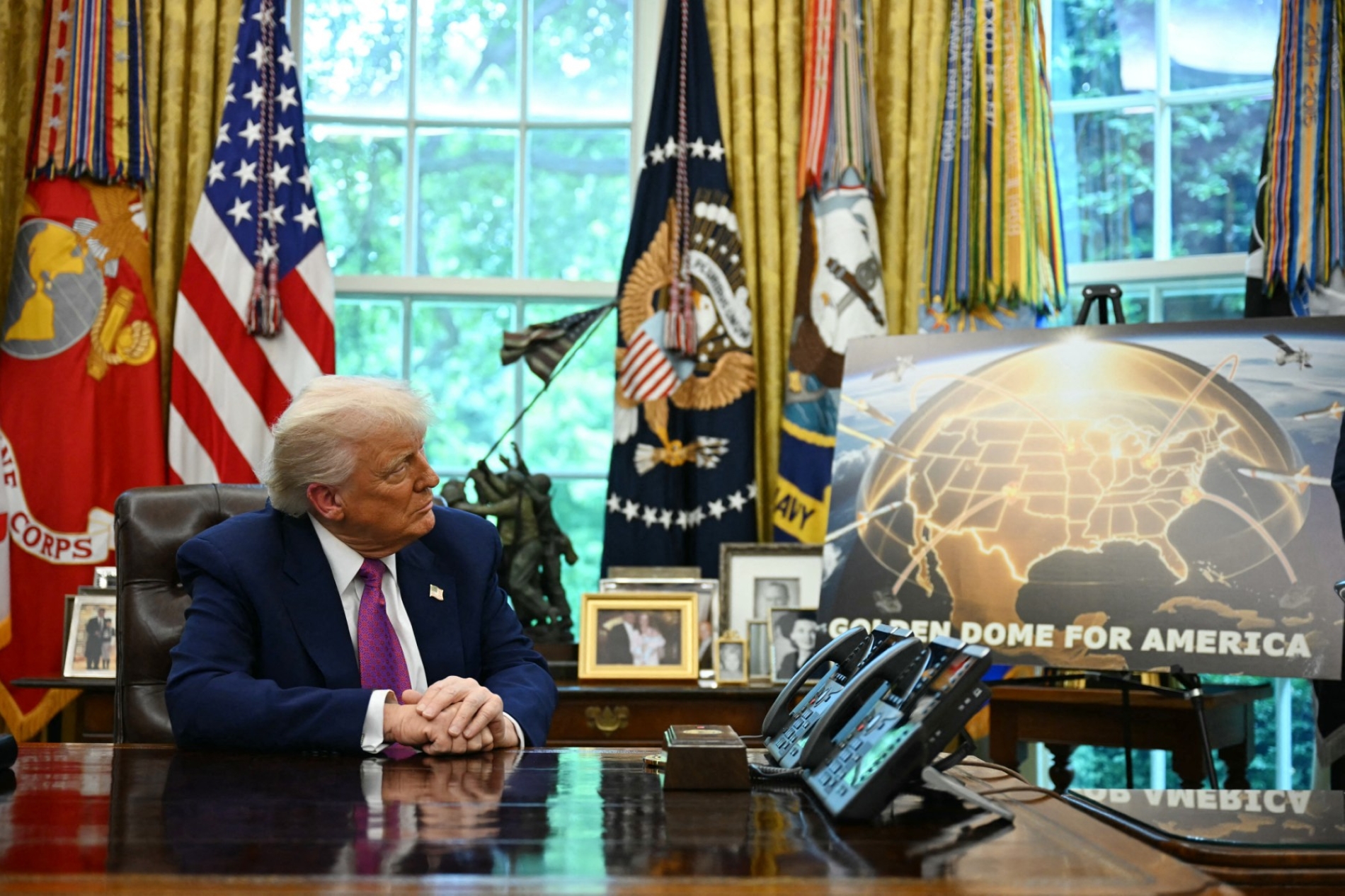
Opening with a confrontational preamble aimed at former US leaders, accusing them of sidelining Americans and their vital interests, the 34-page strategy document urges accelerated work on the ‘Golden Dome,’ a defensive shield intended to intercept missiles or drones that could target American cities.
AFP
US President Donald Trump during the announcement of the "Golden Dome" missile defense shield, in the Oval Office at the White House, Washington on 20 May 2025.

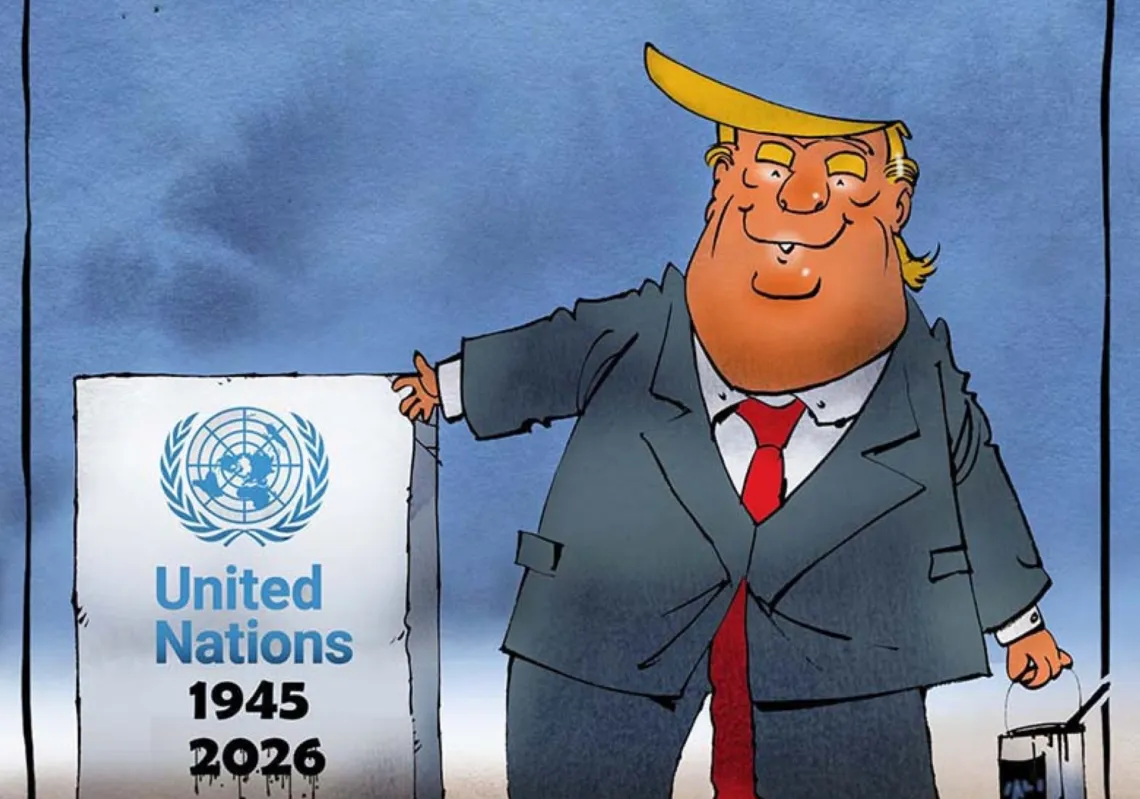
In language that bears the imprint of Defence Secretary Pete Hegseth, reflecting his expansive rhetoric and dismissive view of international norms, it lavishes praise on Trump while ridiculing his predecessors’ attachment to what it describes as empty principles, including a stated commitment to the rules of the global order. It accuses them of eroding the nation’s fighting spirit, embracing defeatism, and entangling the country in wars disconnected from public priorities.

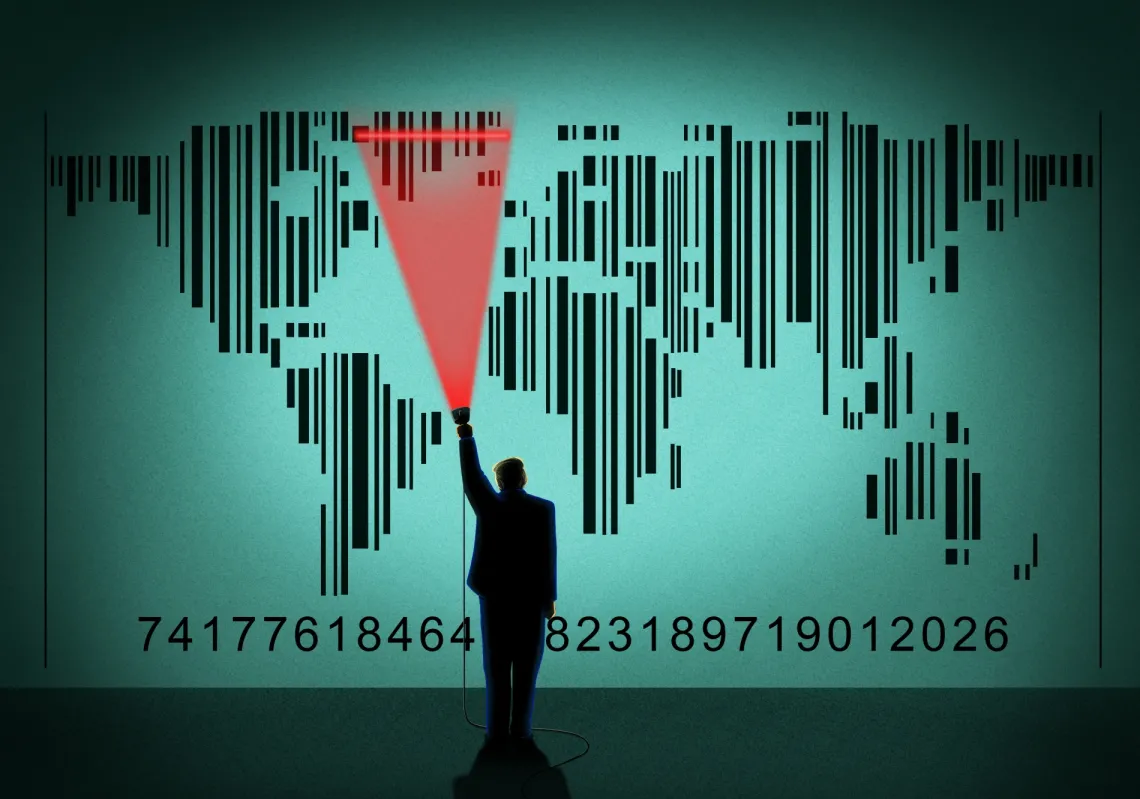
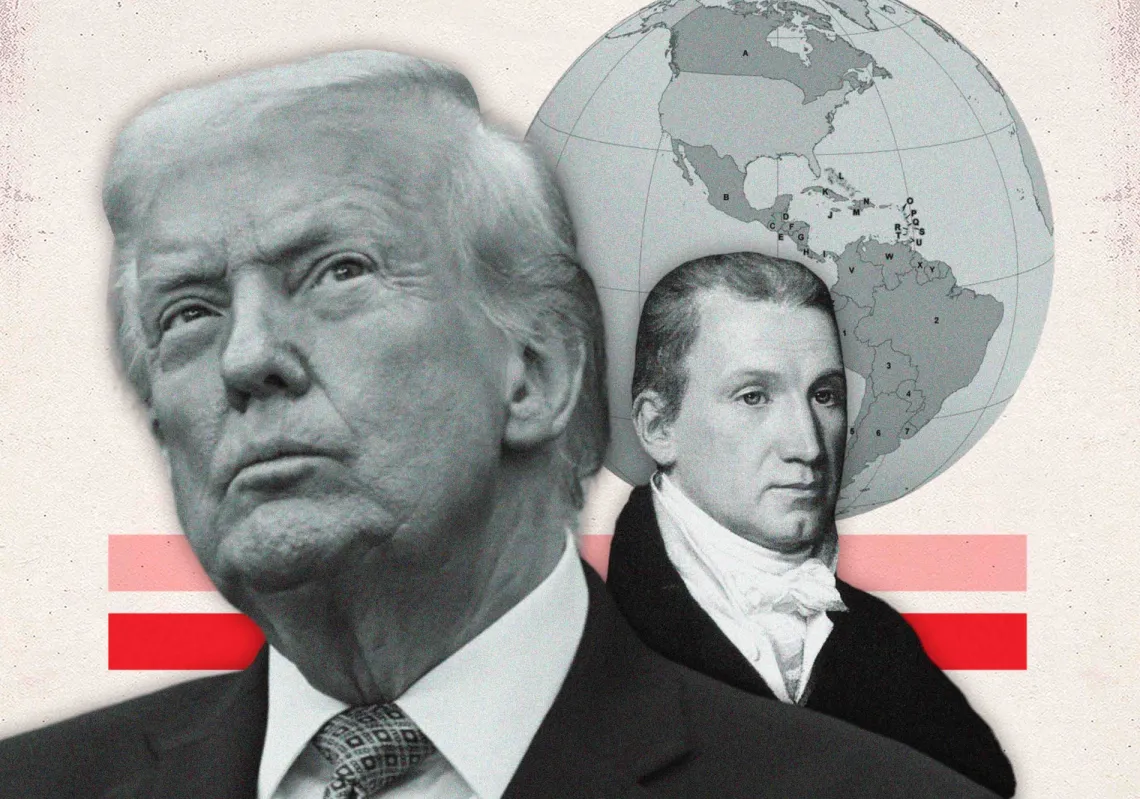
More importantly, the strategy revives the 19th century Monroe Doctrine, articulated by President James Monroe as a warning to European powers against colonial expansion in the Western Hemisphere. The Pentagon presents a contemporary version, described as “Trump’s Monroe-style doctrine” (or, in Trump’s words, “Donroe”). Under this, major powers—particularly China—are to be prevented from establishing military bases or gaining control over strategic facilities or territories in the region.

The document hints at ambitions that extend to the Panama Canal (the crucial artery linking the Pacific and Atlantic Oceans), the Gulf of Mexico (which Trump renamed the ‘American Gulf’), and Greenland. It also invokes the campaign against drug cartels in the Western Hemisphere as a basis for pressing adversarial governments, including Venezuela, whose president was abducted in January. Colombia and Cuba are also understood to be in Trump’s sights.

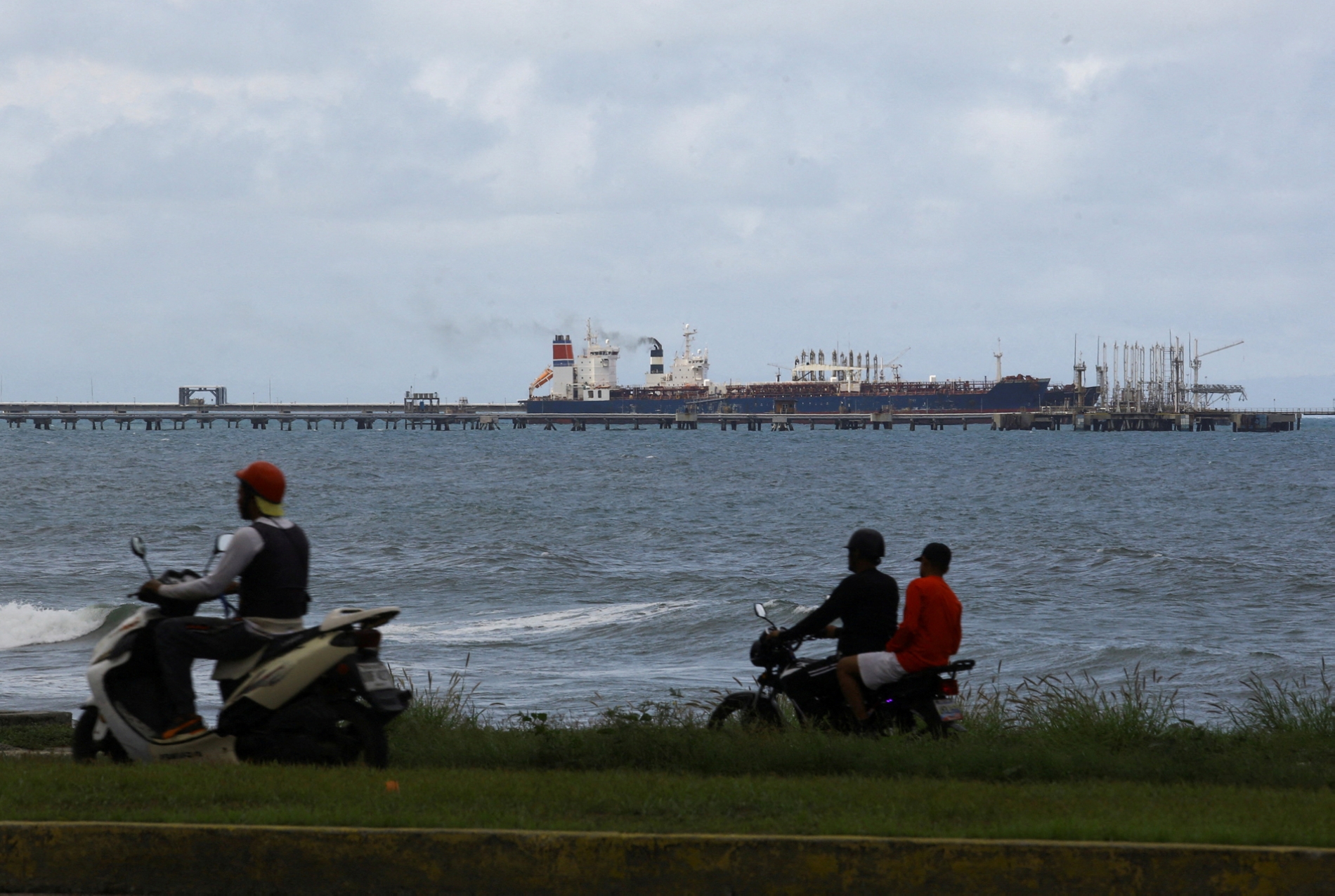
The strategy document claims that the US has the authority to intercept other nations’ oil tankers and fishing vessels, and to cause casualties in Caribbean waters, under the banner of counternarcotics operations, despite those actions being in contravention of international law.
Reuters
Huge ships transporting Venezuelan oil, which is subject to US sanctions, near the Venezuelan city of Puerto Cabello, on 29 December 2025.

Abandoning allies

The Pentagon argues that NATO, which now has 32 member states, has developed sufficient capacity to defend itself since Trump forced allies to spend more on defence (much of it flowing to American arms manufacturers). For the Pentagon, NATO allies can now confront Russia without the need for extensive US involvement.

It assigns primary responsibility for ending the war in Ukraine to Europe, adding that US support cannot be sustained indefinitely. By contrast, Israel is described as a “model ally,” depicting it as a state that conducts its own wars without asking the US to fight on its behalf, and therefore as one that merits unconditional support.
The strategy invokes the campaign against drug cartels in the Western Hemisphere to press governments like Venezuela, Colombia, and Cuba

Taiwan has long been supported by the US through security guarantees, arms supplies, and political backing in the face of Chinese pressure, but it is conspicuously absent from the text, while South Korea is now deemed capable of defending itself in any confrontation with North Korea. Japan is in a similar situation, as the Pentagon urges its Asian partners to shoulder more defence responsibilities.

This is the first US defence strategy document to be published since 2022, when the Biden administration identified China as the foremost threat to US security, and it is one of several tools the Pentagon uses to plan global deployments and align military activity with political priorities.

Reuters
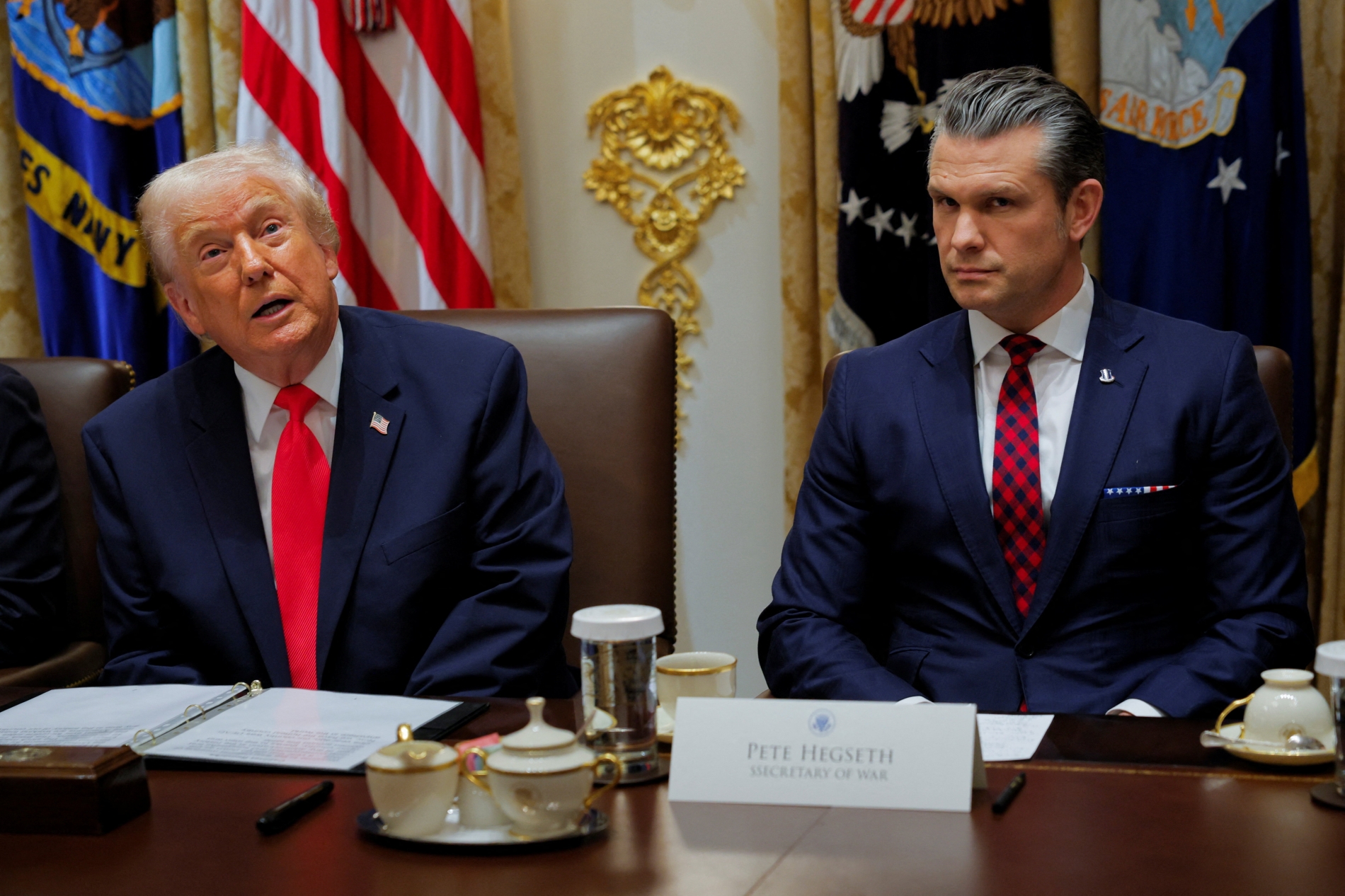
Trump with US Secretary of Defense Pete Hegseth at the White House in Washington, DC, on 2 December 2025.

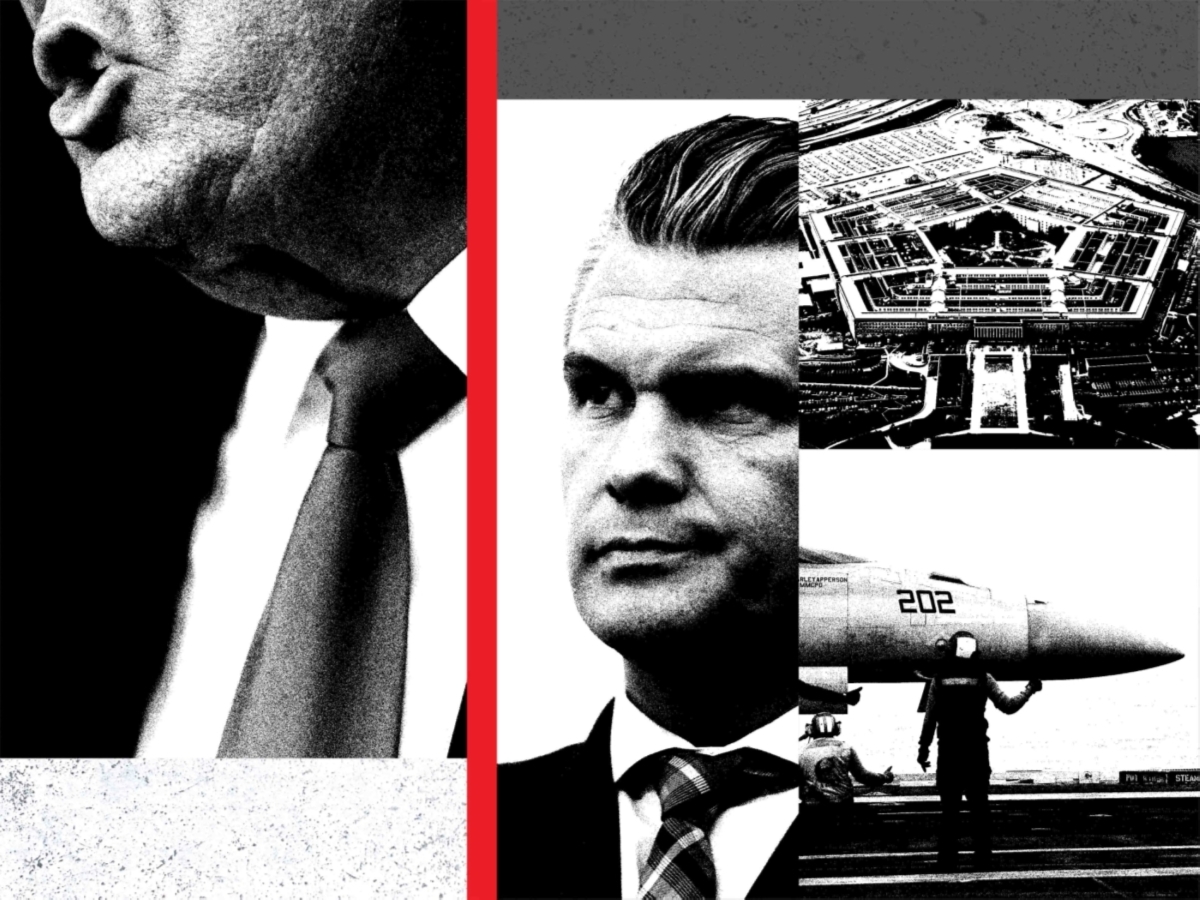
Hegseth's four guiding priorities are defence of the homeland (extending to Greenland and Latin America), deterring China, expanding the defence-industrial base, and encouraging allies to reduce reliance on the US. "It is neither America's duty nor its interest to act everywhere on its own, or to correct the security shortfalls created by the irresponsible decisions of allied leaders," writes Hegseth in the introduction.

Pointing to priorities

The strategy serves as a guide for military-industrial planning, shaping decisions on force posture, deployment patterns, and bases. The Pentagon states that it will "reorganise its forces into a posture better suited to confronting the Russian threat in a manner that advances our interests and strengthens the capabilities of our allies".

According to the document, strategic focus will increasingly centre on the Western Hemisphere, including the construction of the missile defence system known as 'Golden Dome,' and securing military and commercial access to key regions stretching from the Arctic to South America, with particular emphasis on Greenland.

Moscow responded favourably, describing the strategy as largely consistent with its own worldview, as trilateral US-Russia-Ukraine talks were underway in Abu Dhabi. But Hegseth dismissed claims that the US was retreating from the world, arguing that Washington instead sought to redirect its alliances by encouraging partners to assume greater responsibility for their own security.

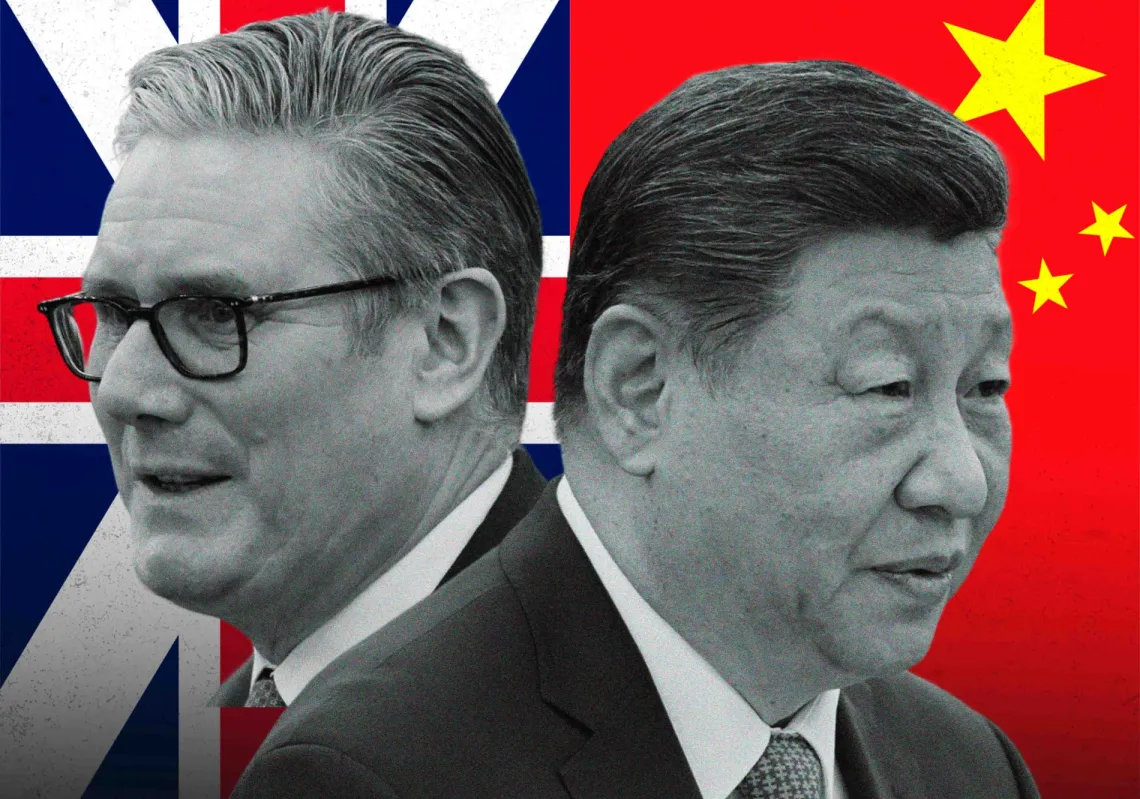
The strategy states that Europe remains important despite its declining share of global economic power and what it describes as 'civilisational decline'. The US will maintain its partnership with Europe, it says, while prioritising homeland defence and China. As such, the Pentagon commits to reinforcing its presence in the Indo-Pacific along the first island chain with Indonesia, Malaysia, Japan, and Taiwan.

Reuters
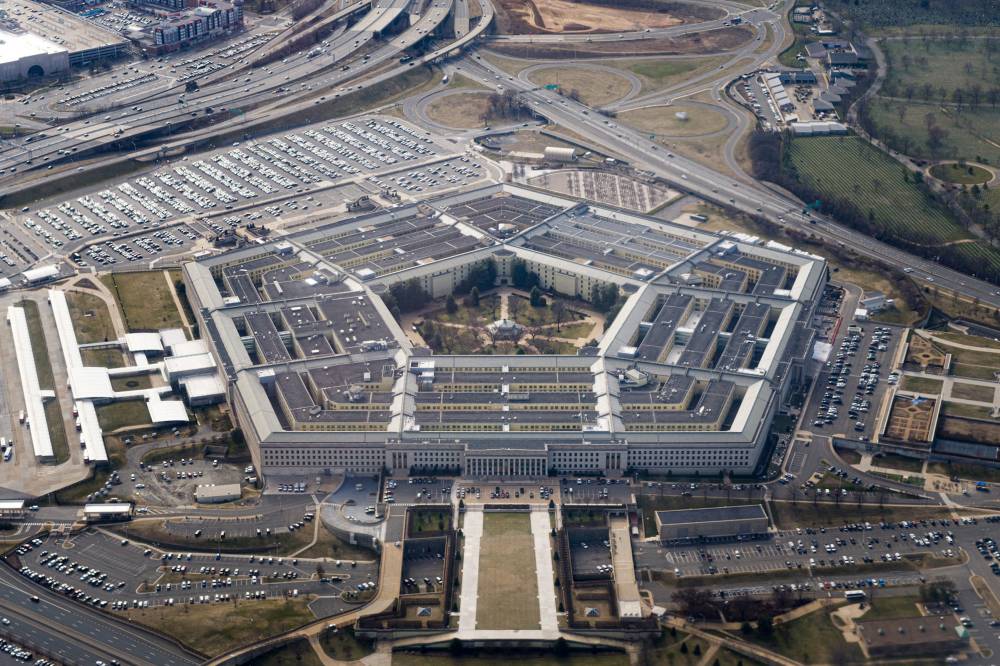
The Pentagon is seen from the air in Washington, US, 3 March 2022, more than a week after Russia invaded Ukraine.

In the Middle East, the strategy is to contain Iran while urging regional partners to take greater responsibility for their own security, supported by American arms sales. It makes no reference to Gaza but suggests a troop reduction in the region, even though similar moves by previous administrations over the past 15 years have always been reversed.

Mirroring events

As the Pentagon released its strategy, the aircraft carrier USS Abraham Lincoln and three destroyers steamed towards the Arabian Sea. Once there, the Carrier Strike Group shot down an Iranian drone, with US Central Command reporting a separate incident days earlier in which the Islamic Revolutionary Guard Corps (IRGC) Navy tried to seize a US-flagged oil tanker sailing through the Strait of Hormuz.

Washington is also expected to begin reducing its military footprint in Europe, replacing permanent deployments with concentrated rotational forces adjusted to circumstances. This shift would be accompanied by higher readiness levels, larger weapons stockpiles, and stronger command-and-control structures. It could prompt Europe to build an integrated framework of collective self-defence.

Although the strategy during Trump's first term identified China as the principal threat to US security, the current document offers little clarity on how an expanded American presence in the Indo-Pacific would deter what it describes as the Chinese threat. With the overwhelming emphasis on defending American territory, uncertainty surrounds Washington's extensive overseas deployments in Asia and Europe. 

AFP
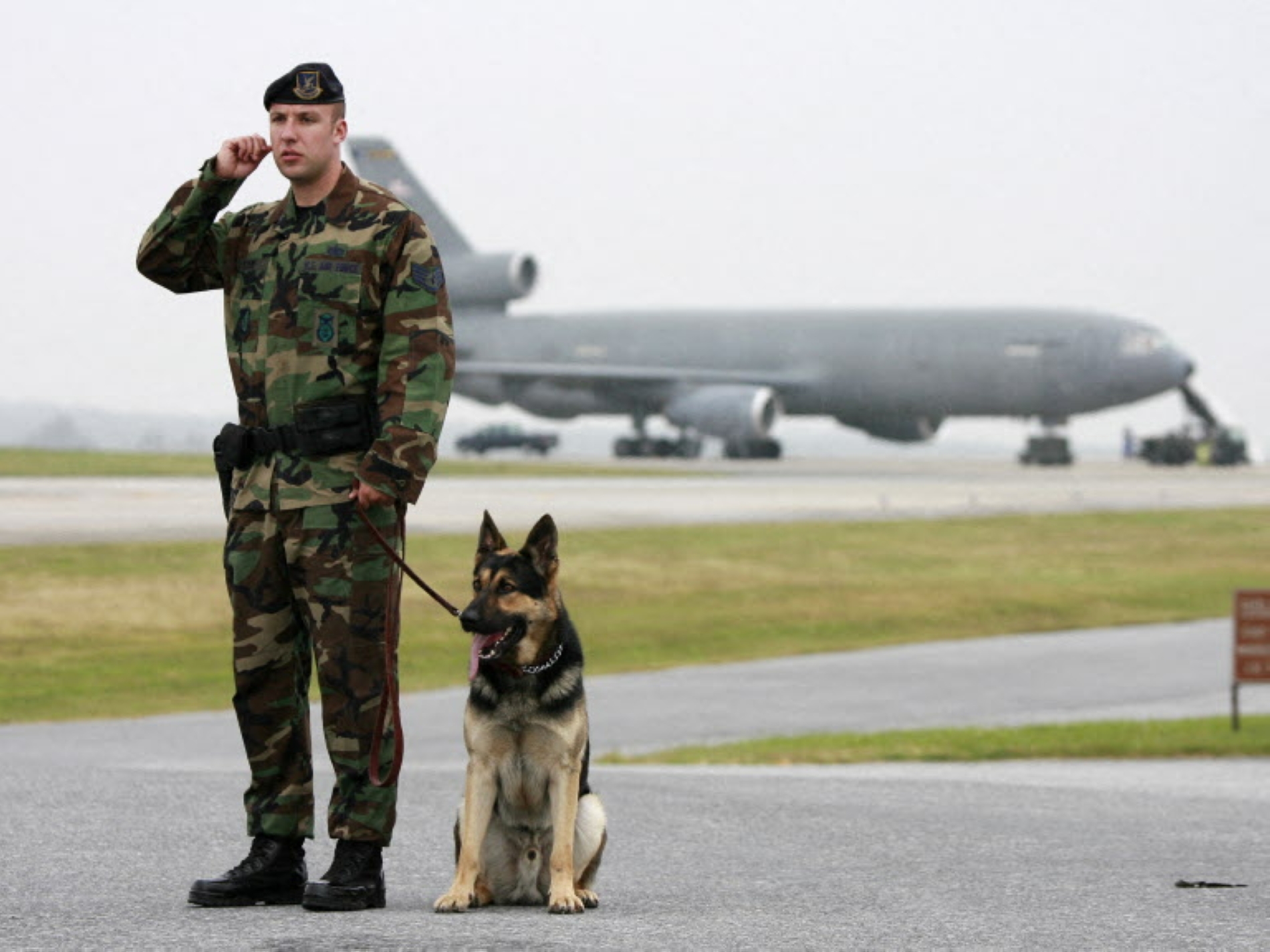
A US Air Force's security personel stands guard with a military dog for the arrival of the new stealth fighters F-22A Raptors at Kadena US Air Base in Kadena town, Okinawa 18 February 2007, in the backdrop of the East China Sea.

The US operates around 800 military bases and installations across about 80 countries. Two of the biggest are Kadena Air Base in Okinawa, Japan, and Camp Humphreys in South Korea. The latter is the largest US overseas military base with 45,000 residents. But defence pacts such as the transatlantic alliance rests on confidence in America's willingness and capacity to defend allies in the event of aggression.

As that confidence weakens, the foundation of alliances erodes, leaving allies to reconsider their posture toward adversaries and their broader alignment with Washington. These alliances have underpinned America's global influence, extending beyond military strength alone, but uncertainty now surrounds the strategy for defending the Western Hemisphere and the commitments that implies.

The decisive test of this strategy will lie in the actual redirection of American assets toward homeland defence, for instance, whether there is a sustained withdrawal of military support from Ukraine and Taiwan. Washington's moves to separate its interests from those of its allies may mean those allies pursue their own paths, following the same realist logic that shapes Trump's approach. In this grand shuffling of chairs, the final seating arrangement remains to be seen.

font change