With protests at home and threats abroad, Iran looks rattled

America’s raid in Venezuela has some officials in Tehran wondering if their country will be next

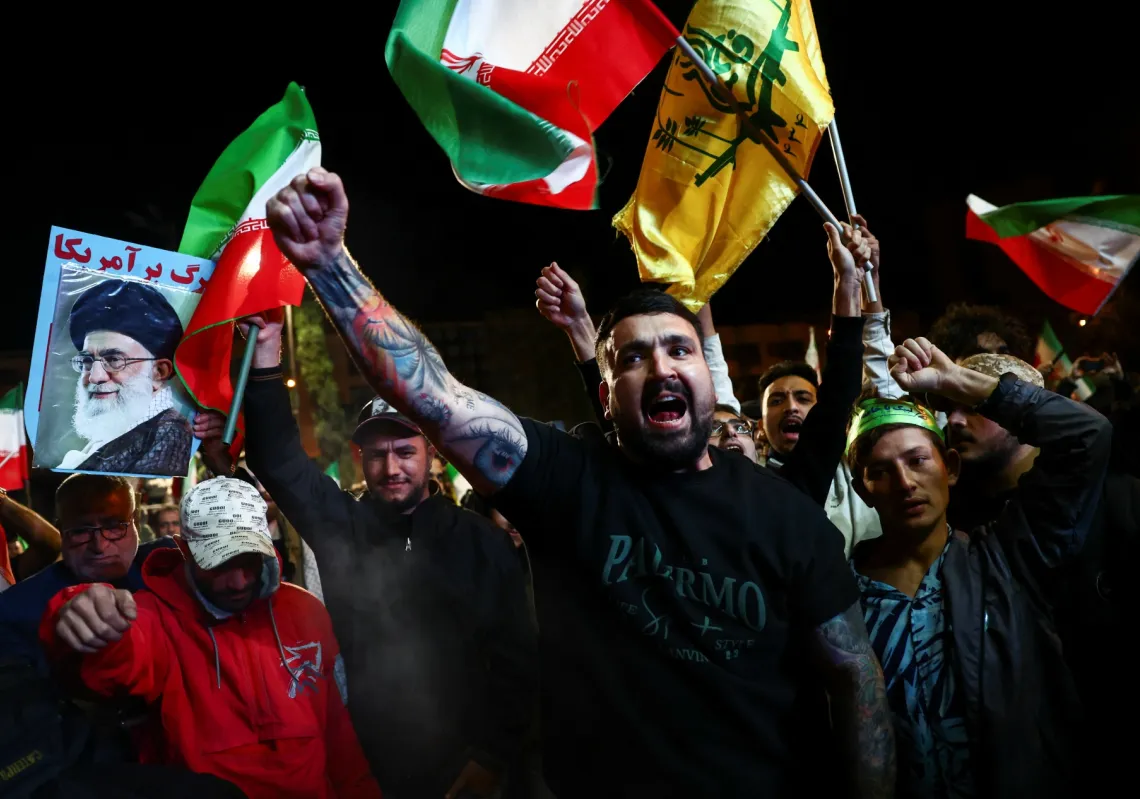
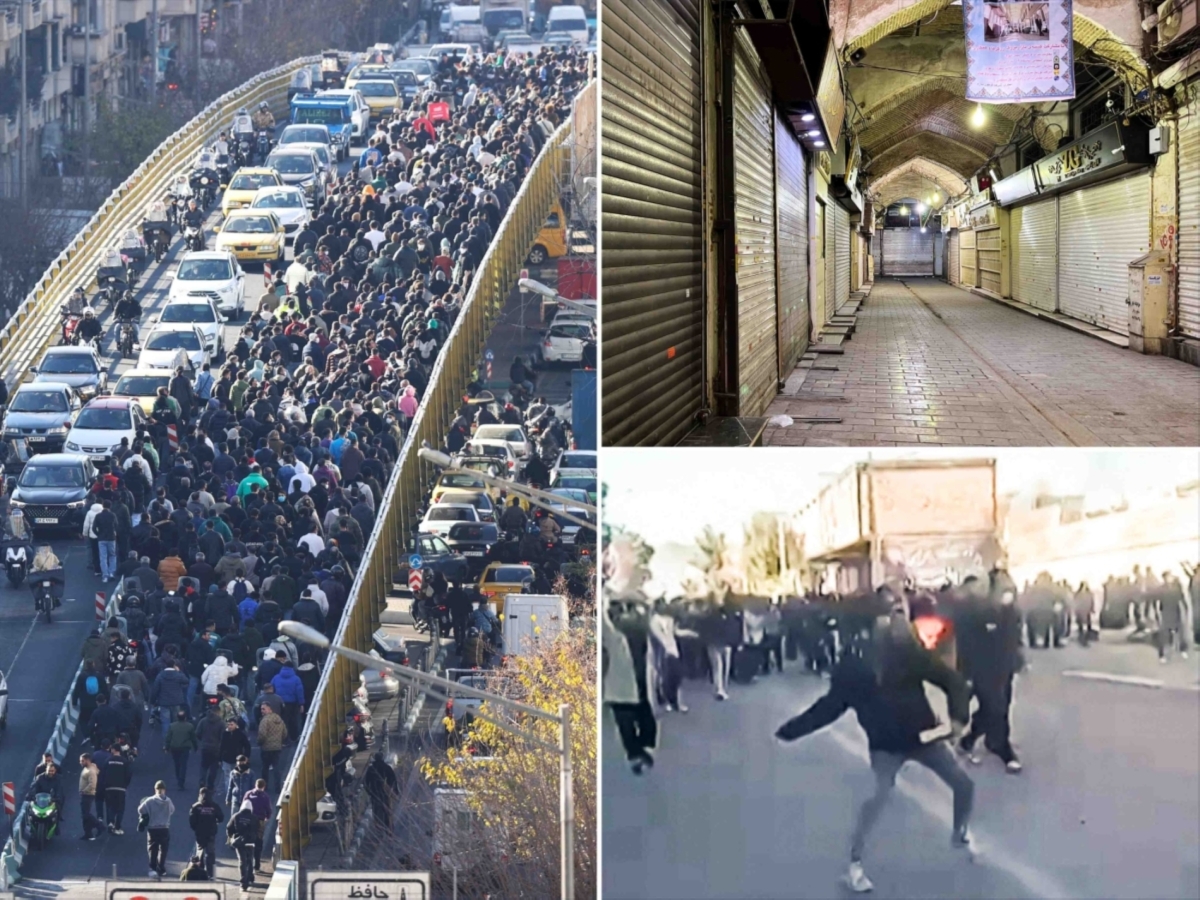
A collage of protests in Iran on 8 and 9 January 2026.
AFP /AP
A collage of protests in Iran on 8 and 9 January 2026.

With protests at home and threats abroad, Iran looks rattled

For decades, each big bout of unrest in Iran has followed a similar pattern. It starts with a trigger, be it a murder, a stolen election or a collapsing currency. The protests that follow are leaderless and disorganised. If they grow large enough, the regime reaches for its repressive toolbox: armed thugs, internet shutdowns, arrests. Order is restored, but nothing is fixed, and the cycle repeats a few years later.

On 28 December, electronics vendors in Tehran went on strike. Most of their wares are imported, and it is hard to buy and sell such goods with the currency in free fall. Other businesses joined the walkout, including shops in Tehran’s grand bazaar, a weathervane of politics. Protests spread outside the capital and are continuing. This is the widest unrest the country has seen since 2022—but still far smaller, and not yet a nationwide uprising. Most demonstrations draw just a few hundred people, concentrated in provincial cities so obscure that Tehranis might need a map to locate them. Across the country, factories and government offices remain open.

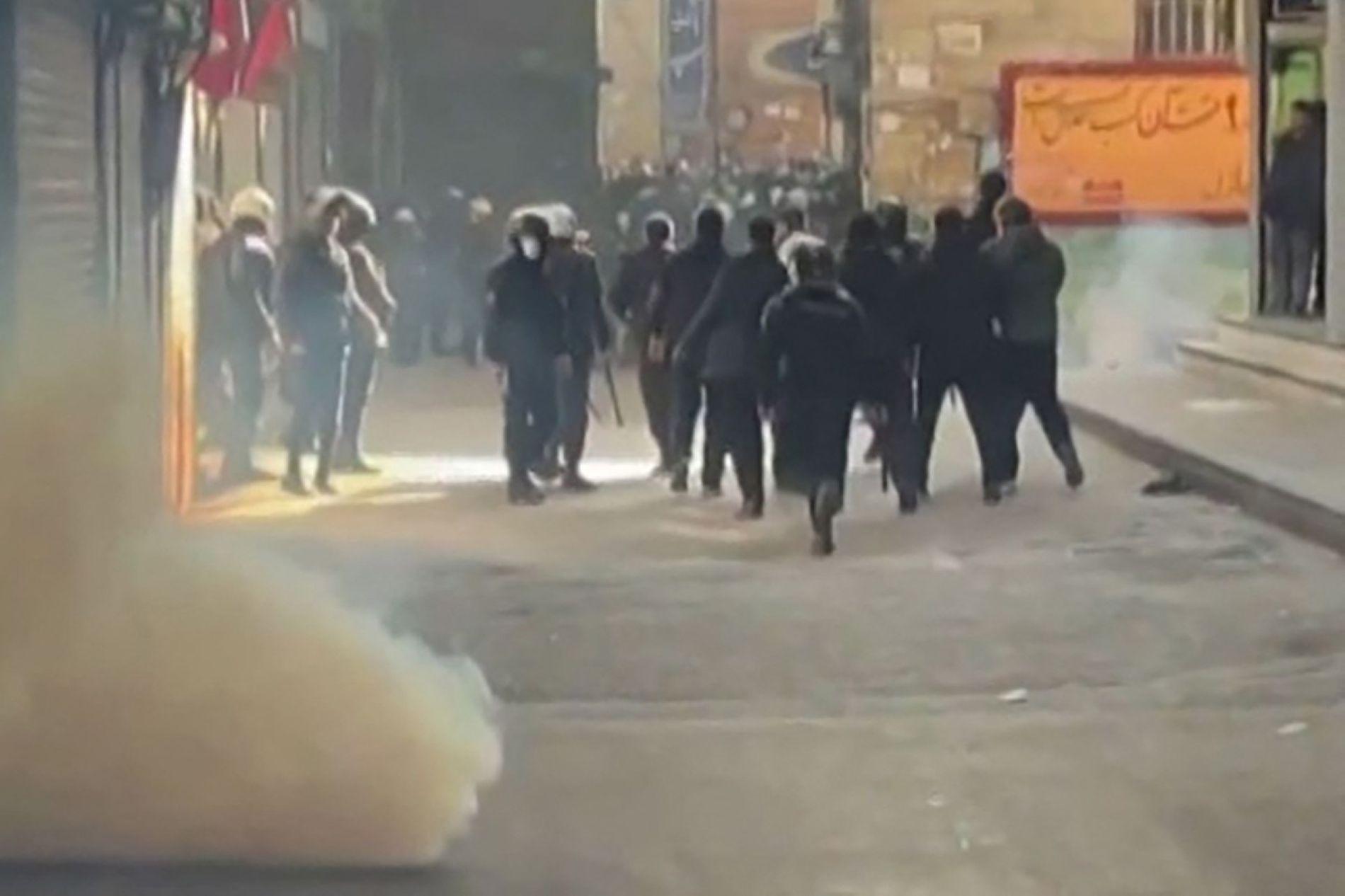
Yet the regime looks more rattled than you might expect. Riot police and water cannons have been deployed on the backstreets of central Tehran. Plain-clothes goons disperse people before they can gather at intersections. Schools and universities have been closed on the pretext of air pollution, a tactic to forestall mass action.

The latest protests diverge from the old pattern in two ways. One is that the bankruptcy of the regime (both literal and figurative) is in full view. Iran has endured a year of economic collapse, war and environmental crisis; its leaders have no solutions for these woes. The other difference is the prospect of foreign intervention by either Israel or America. After the American raid to seize Nicolás Maduro from Venezuela on 3 January, many Iranians wondered if their country might be next in Donald Trump’s crosshairs.

The protests have drawn on a well of anger within a constituency that the regime long regarded as its own: jobless young men. The state has no answer to their demands. In 2022, it defused months of unrest over social restrictions by loosening enforcement of the mandatory veil for women, withdrawing the morality police from the streets and letting musicians and performers take over public spaces. Iran’s economic and environmental crises offer no such quick fixes. “I can’t do anything,” admitted the president, Masoud Pezeshkian, on the eve of the protests.
AFP
This grab, taken on 6 January 2026, from UGC images posted on social media the same day, shows Iranian security forces using tear gas to disperse protesters at the Tehran bazaar.

The rial is crashing, trading at an all-time low near 1.5mn to the dollar. It has lost 45% of its value in the past year and 98% in the past decade. Prices of staples have soared beyond reach. Poor Iranians go hungry. Mr Pezeshkian’s main attempt at economic reform, which began earlier this month, is to scrap a preferential exchange rate for imports of essential goods and use the money to send monthly cash transfers to Iranians worth 10mn rials per person.

In principle, this is a fine idea: direct payments to the poor are preferable to supply-side subsidies, which are prone to corruption. But the sum in question is worth less than $8, barely enough for a bag of rice or a jug of cooking oil. Unifying the exchange rates will also fuel inflation, already above 40%. Fatemeh Mohajerani, a government spokeswoman, acknowledged that it will lead to “significant” price increases for chicken, eggs and other staples.
Iran's latest protests diverge from the old pattern in that there is the added prospect of foreign intervention by either Israel or America

If the government cannot reform its way out of trouble, repression is backfiring, too. Footage of security forces raiding hospitals to arrest wounded protesters has enraged the public. Some demonstrators have torched police stations in attempts to free prisoners. The religious ideology that once underpinned the system looks spent.

Meanwhile, a fractured opposition seems to be coalescing around an unlikely figure: the exiled son of the shah overthrown in 1979. Monarchism still repels many. But Iranians who dismissed Reza Pahlavi as a joke are suddenly taking the 65-year-old more seriously.

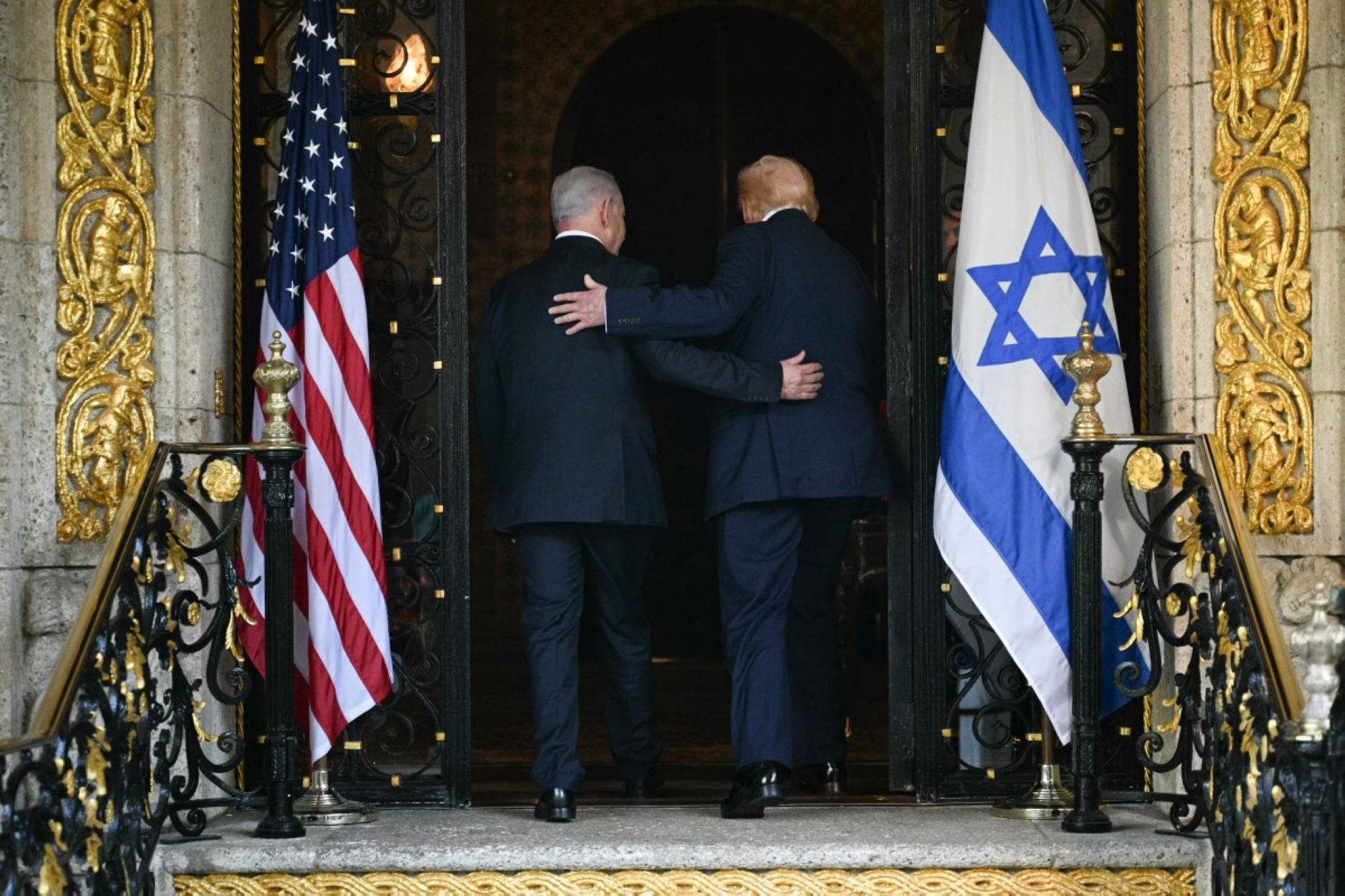
Looming in the background is the threat of another war. Israel carried out 12 days of air strikes in Iran last summer. Benjamin Netanyahu, its prime minister, seems keen on a second round, in part because the Iranian regime is trying to rebuild its ballistic-missile programme. A possible war was on the agenda on 29 December, when Mr Netanyahu visited Mr Trump at Mar-a-Lago. 

JIM WATSON / AFP
US President Donald Trump (R) and Israeli Prime Minister Benjamin Netanyahu (L) at Trump's Mar-a-Lago residence in Palm Beach, Florida, on 29 December 2025.

On 2 January, Mr Trump made his own threats, warning Iran not to kill peaceful protesters. "America will come to their rescue," he wrote on social media. "We are locked and loaded and ready to go." It was unclear what he had in mind: a symbolic show of force? Or a more sustained campaign against Iran's security forces?

The next day, another possibility arose when American commandos swooped into Venezuela. That is not to say America is about to try a similar raid to nab Ayatollah Ali Khamenei, the 86-year-old supreme leader. The last time it attempted an incursion into the Iranian capital was in 1980, during the hostage crisis; it ended ignominiously, with helicopters wrecked in the desert and eight American soldiers dead.

But Mr Maduro's swift downfall has fuelled a running debate within Iran's regime. Many officials who were waiting for Mr Khamenei's death to bring change now want it to come sooner. "Things are bad enough for the regime to be looking for scapegoats," says an Iranian commentator in exile. Some are considering a Venezuelan-style solution: sacrificing the supreme leader to save the system and stave off chaos. Saeed Laylaz, an economist favoured by the regime, urged the ayatollah to step aside in favour of a "Bonaparte".

ATTA KENARE / AFP
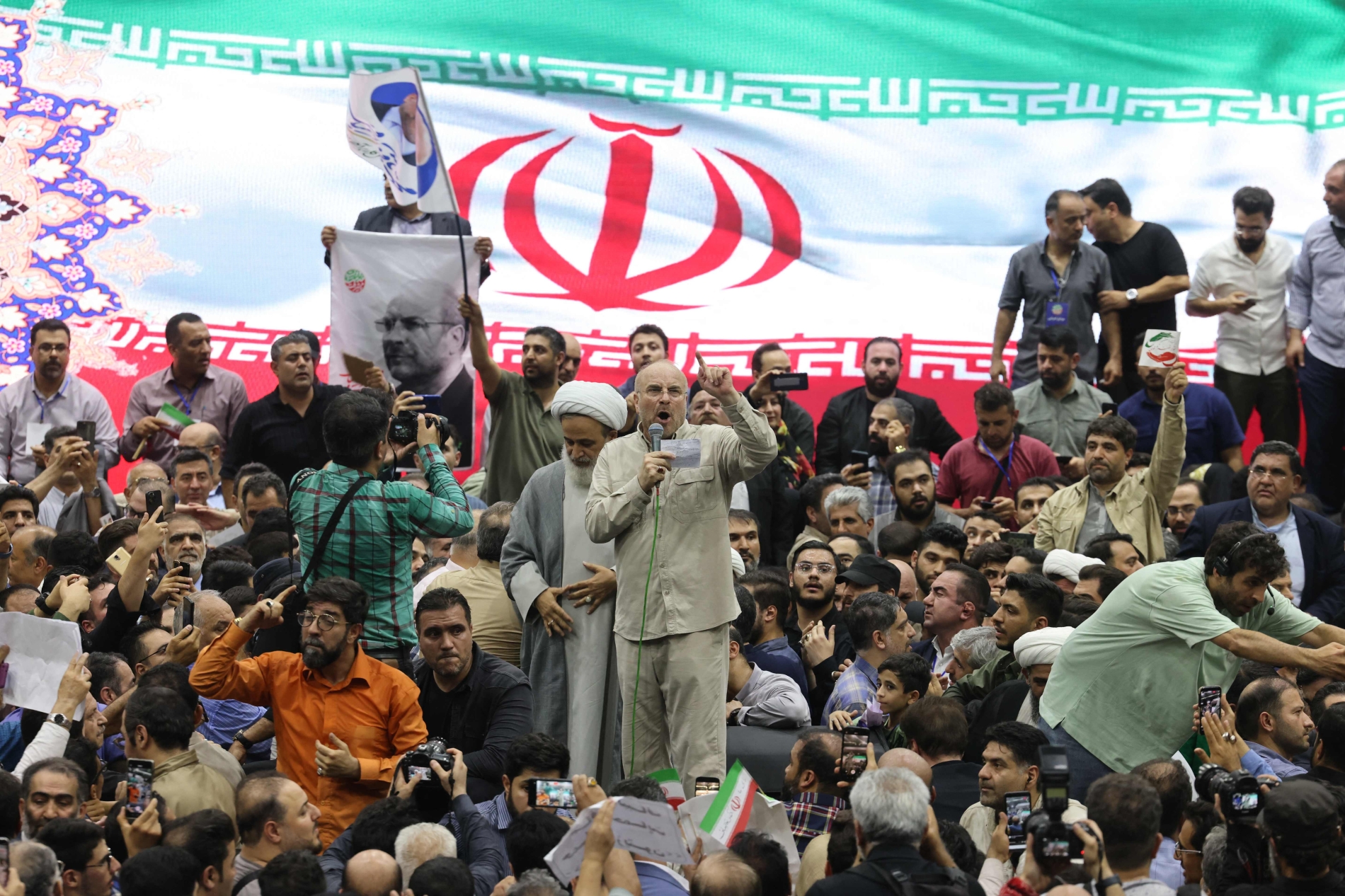
Iran's conservative Parliament Speaker Mohammad Bagher Ghalibaf addresses supporters in the Iranian capital, Tehran, on 26 June 2024, during his election campaign ahead of a presidential vote to replace the late president.

He even discussed one: Mohammad Bagher Qalibaf, the parliamentary speaker and a former commander in the Islamic Revolutionary Guard Corps (IRGC), who observers say briefly took charge when Mr Khamenei went into hiding during the war last year. As a last resort, insiders may even have floated Mr Pahlavi's name, perhaps to be installed with the IRGC's blessing.

Mr Khamenei may yet choose a different end. Vast billboards looming over central Tehran show coffins draped with American and Israeli flags. Advisers threaten regional escalation, with strikes on American bases and Israeli cities if foreign attacks resume. Leaders in the Arab Gulf states are nervous that they may be targeted too. Perhaps Mr Khamenei's aides hope to again rally the home front, as they briefly did during the June war. Either way, his 37th year as supreme leader could yet prove as perilous as that of the last shah, toppled after 37 years on the throne. 

font change