A closer look at the Trump-Netanyahu meeting reveals gaps

The two appeared to be in lockstep in many areas, but dig deep, and you will see where they don't align. So, what does this mean for the region? Al Majalla explains.

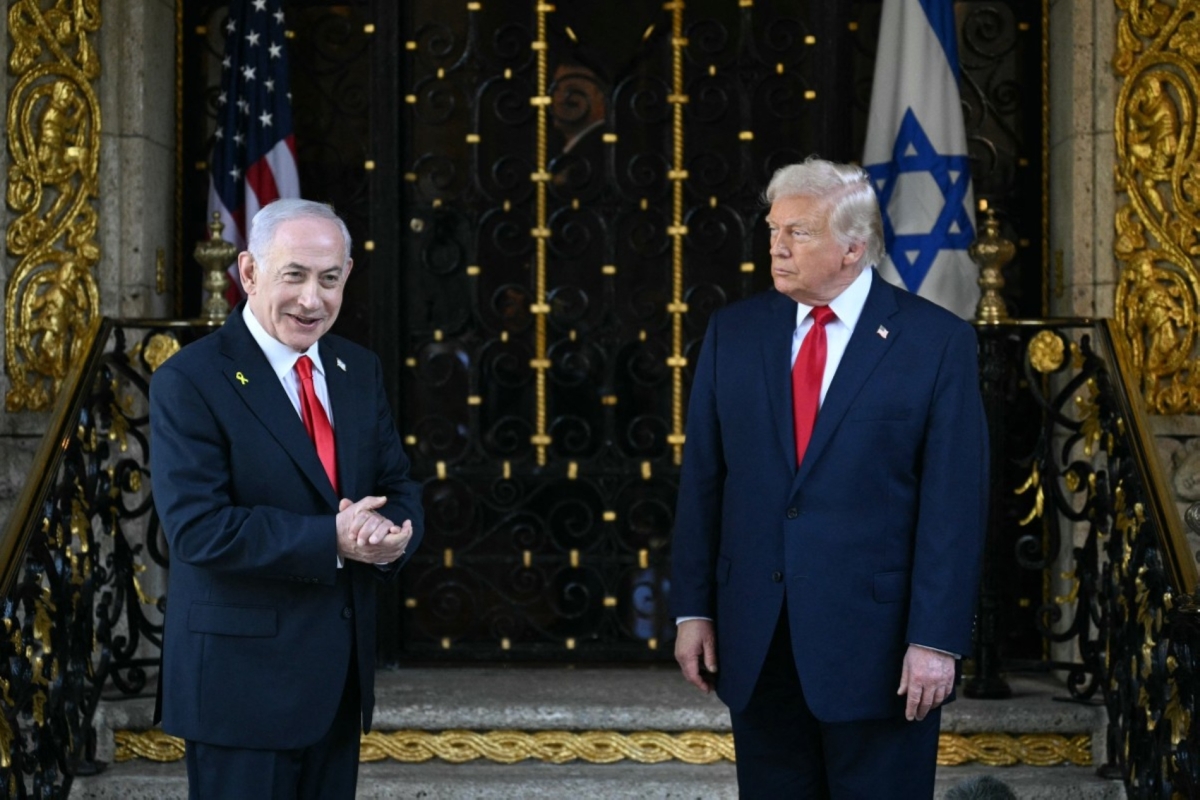
US President Donald Trump (R) and Israeli Prime Minister Benjamin Netanyahu (L) speak to reporters upon Netanyahu's arrival at Trump’s Mar-a-Lago residence in Palm Beach, Florida, on 29 December 2025.
JIM WATSON / AFP
US President Donald Trump (R) and Israeli Prime Minister Benjamin Netanyahu (L) speak to reporters upon Netanyahu's arrival at Trump’s Mar-a-Lago residence in Palm Beach, Florida, on 29 December 2025.

A closer look at the Trump-Netanyahu meeting reveals gaps

The meeting in Florida at the end of December between US President Donald Trump and Israeli Prime Minister Benjamin Netanyahu carried none of the crucial significance of their last meeting three months ago, when Trump pressed Netanyahu to agree to a ceasefire plan for Gaza after two years of war.

That meeting, at the end of September, ended with Netanyahu approving Trump’s 20-point plan. This week’s get-together laid down no broad principles for a new regional chapter. Instead, it largely reiterated previous positions, especially on Syria and Türkiye, and to a lesser extent on Gaza, while updating others, most notably Iran’s nuclear and missile programmes.

Their Florida meeting remained within the familiar framework of US-Israeli exchanges, in a partnership that does not appear to have been put under any serious strain in light of events, notably Israel’s war on Gaza and the regional reverberations it has generated over the past two years. Still, Trump and Netanyahu are understood to read developments in the region differently, not least because their national interests sometimes differ, so analysts watch for signs of a rift between them.

Interests and approaches

The issue of ‘American guardianship’ over Israel is a live debate in Tel Aviv. Likewise, influential voices around Trump and within the broader MAGA (Make America Great Again) movement question open-ended American backing for Israel, citing the risk that Israel could drag the US into another Middle East war. Still, there were no outward, public signs of a rift in Florida, and while the relationship between the two men appears undiminished, the US-Israeli relationship will continue to be scrutinised.
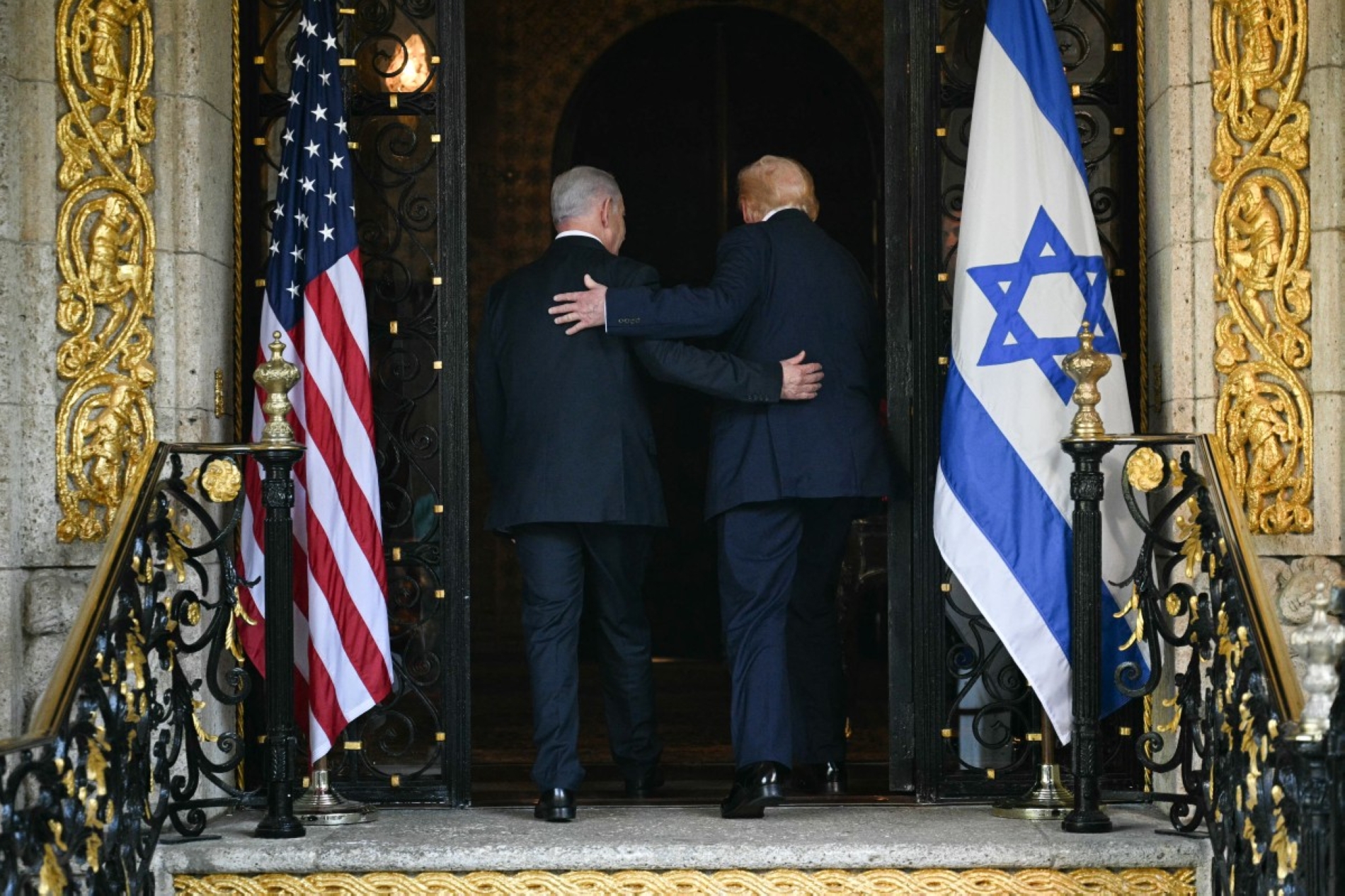
JIM WATSON / AFP
US President Donald Trump (R) and Israeli Prime Minister Benjamin Netanyahu (L) at Trump’s Mar-a-Lago residence in Palm Beach, Florida, on 29 December 2025.

Trump and Netanyahu take different approaches to issues such as Gaza, Syria, Türkiye, Lebanon, and to a lesser degree, Iran. Questions about Netanyahu’s continued tenure have been raised by America’s regional allies, including Jordan’s King Abdullah II, but frustrations have not yet reached a point that would push Trump to reconsider his support for the veteran Israeli leader, nor does Netanyahu’s premiership seem to hinder Washington’s regional strategy.

For now, at least, the idea of replacing Netanyahu appears to be on the back burner (were that ever to change, it may come down to the ability of regional actors to manoeuvre and apply pressure in Washington). In Florida, Trump praised Netanyahu, saying Israel was 100% committed to the ceasefire agreement, while casting doubt on the commitment of others.

Trump also commended Türkiye’s role—and that of President Recep Tayyip Erdoğan in particular—in the overthrow of former Syrian president Bashar al-Assad. He even seemed to endorse Turkish involvement in Gaza, despite Tel Aviv and Ankara being at loggerheads over issues like Syria and the Horn of Africa. This left analysts asking where Trump stands on regional allies who may not themselves see eye-to-eye.
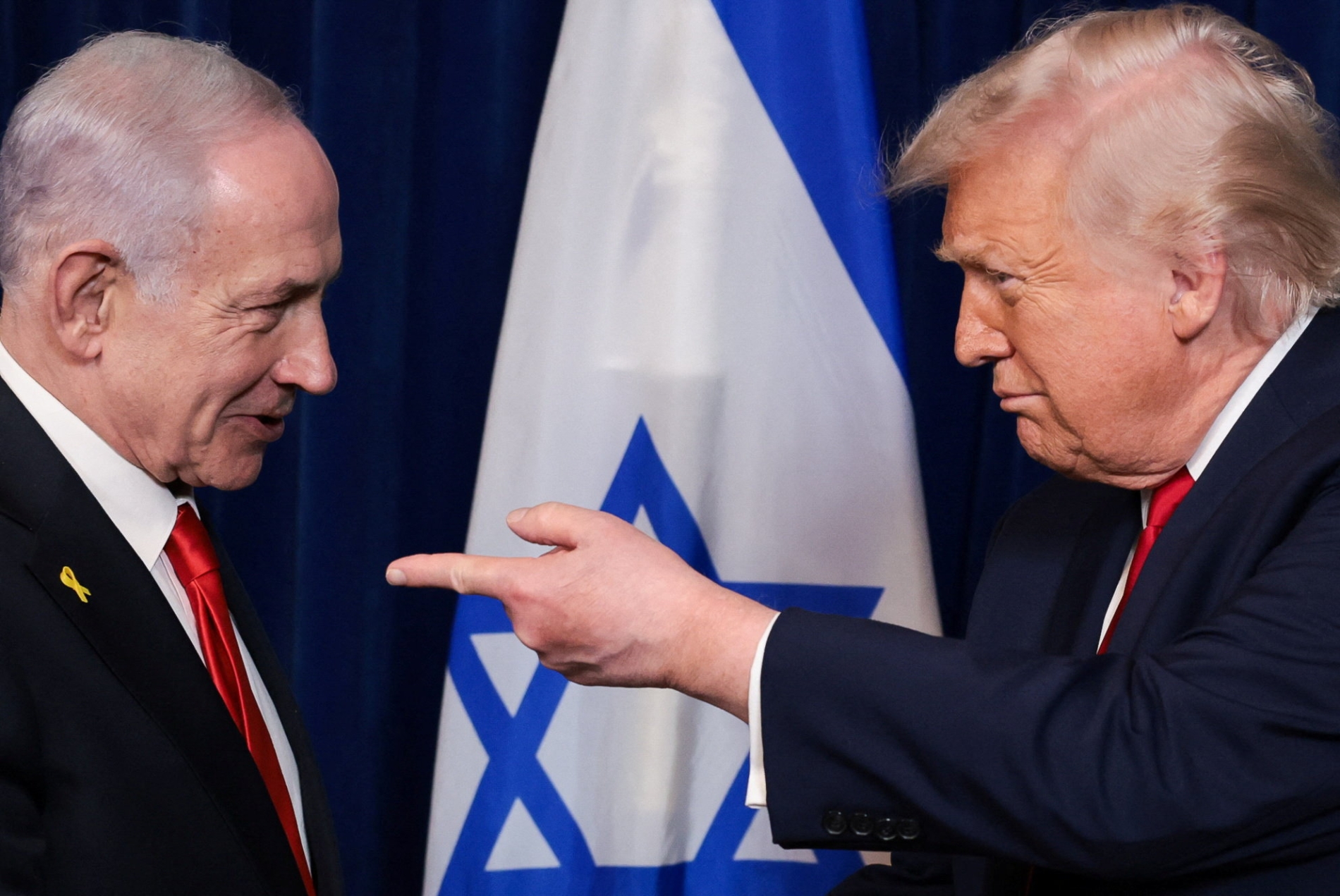
Reuters
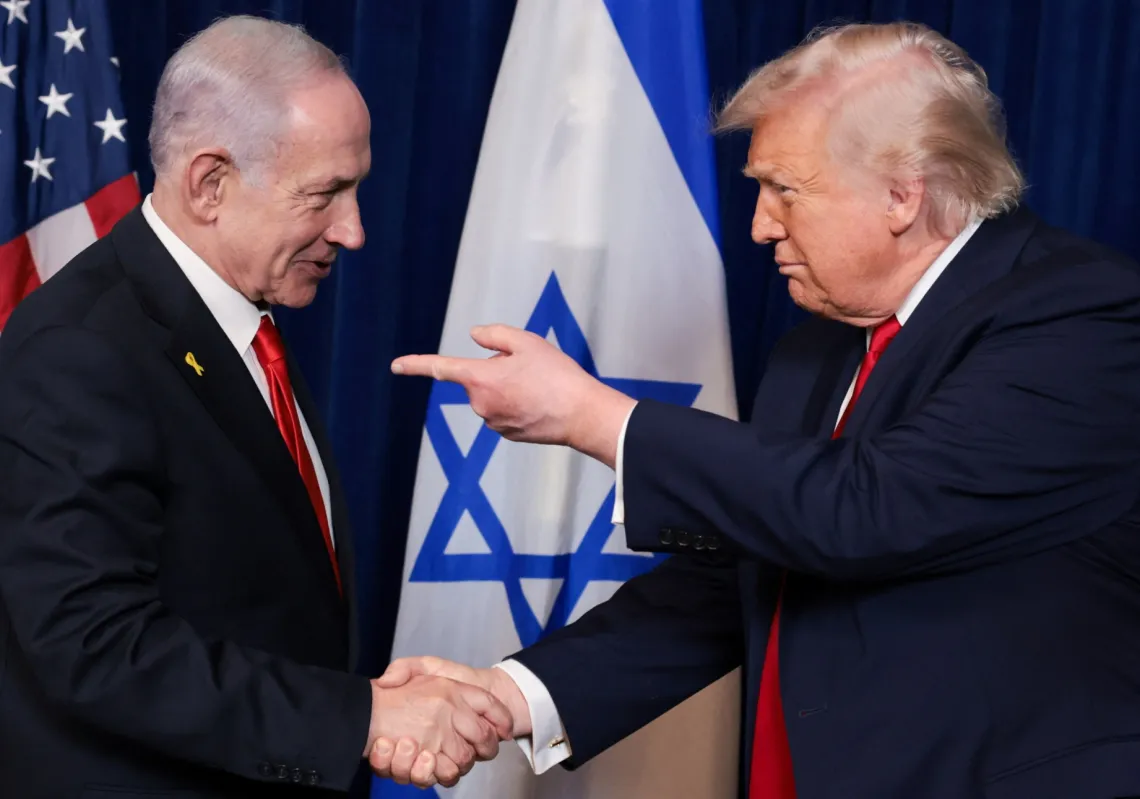
US President Donald Trump points his finger towards Israeli Prime Minister Benjamin Netanyahu during a press conference after meeting at Trump’s Mar-a-Lago club in Palm Beach, Florida, on 29 December 2025.

Agreement and oscillation

In Florida, if there was an issue on which Netanyahu and Trump were most tightly aligned, it was probably Iran. This was underscored by Trump’s threat of fresh strikes on Iran if it were to rebuild its nuclear capabilities. On Iran’s missile programme, however, Trump seemed to think this was less urgent than its nuclear enrichment goals (which—in private—Netanyahu may not necessarily agree with).

Trump's oscillation between threats and the prospect of a deal with Iran reflects the ongoing ambiguity in Washington's approach. Trump is proud of what he sees as his 'achievements' against Iran, but it was revealing that he linked the American strikes he ordered on Iran to the concept of peace in the Middle East, a recurring theme in his rhetoric. Some think this is more about Trump's personal ambition to be awarded the Nobel Peace Prize than it is a US policy goal.

On that theme, Trump continues to emphasise the importance of ending the war in Gaza, showing no appetite for resuming hostilities. Despite that, he does not publicly oppose ongoing Israeli bombing, provided it does not jeopardise the ceasefire agreement and the transition to the second phase. Here, there may be some divergence between Washington and Tel Aviv, with Trump stating that reconstruction will begin soon and is not conditional on Hamas's complete disarmament.
Trump shows no appetite for resuming war in Gaza. Despite that, he does not publicly oppose the ongoing Israeli bombing there.

Navigating ambiguity

Gaza is delicate for Netanyahu, whose fiery far-right cabinet ministers do not want him to make concessions to Washington. This seemed evident in recent days in the debate about reopening the Rafah crossing, one of the key markers of the second phase. Netanyahu hinted at its reopening, only to reverse course under pressure from Finance Minister Bezalel Smotrich and National Security Minister Itamar Ben-Gvir.

Others think this was a tactical manoeuvre ahead of Florida, especially as the Israeli army was given de-escalation instructions in Gaza ahead of the summit. As for Trump, he gave Hamas a short grace period in which to disarm. If they failed to do so, there would be "hell," he said. Yet he offered no deadline, which leaves the matter open to interpretation. Still, it may give Netanyahu a degree of reassurance.

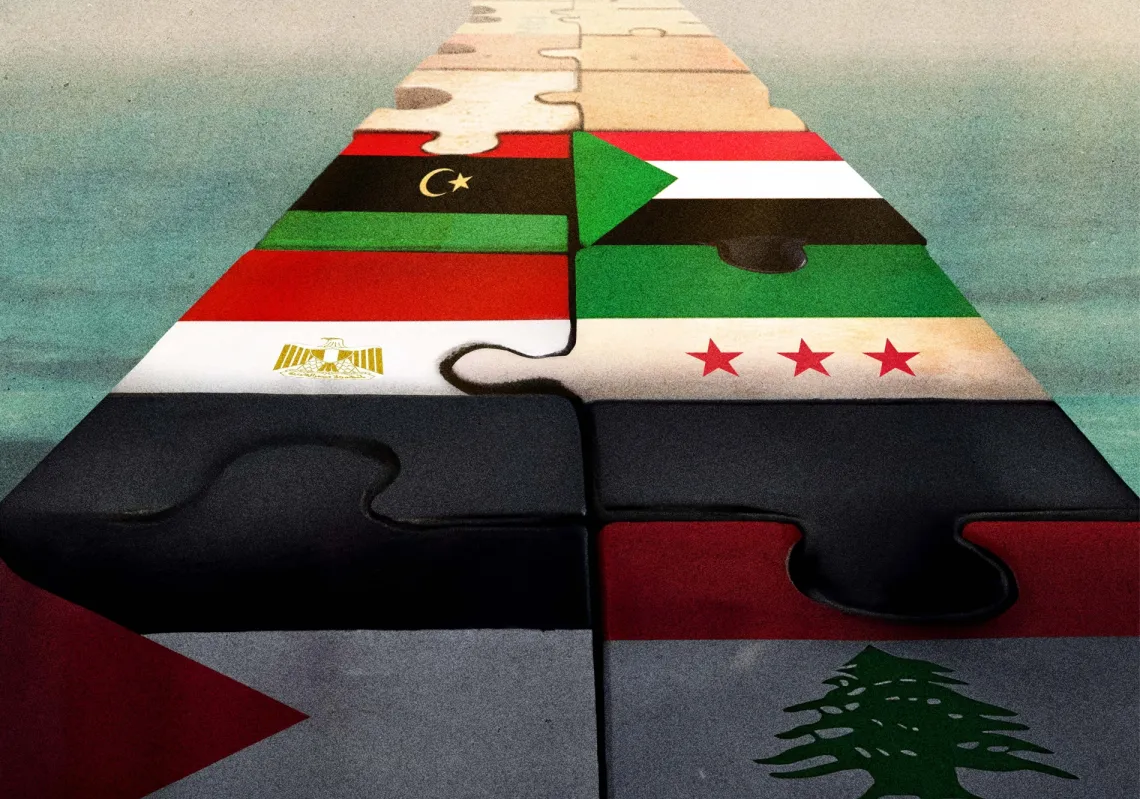
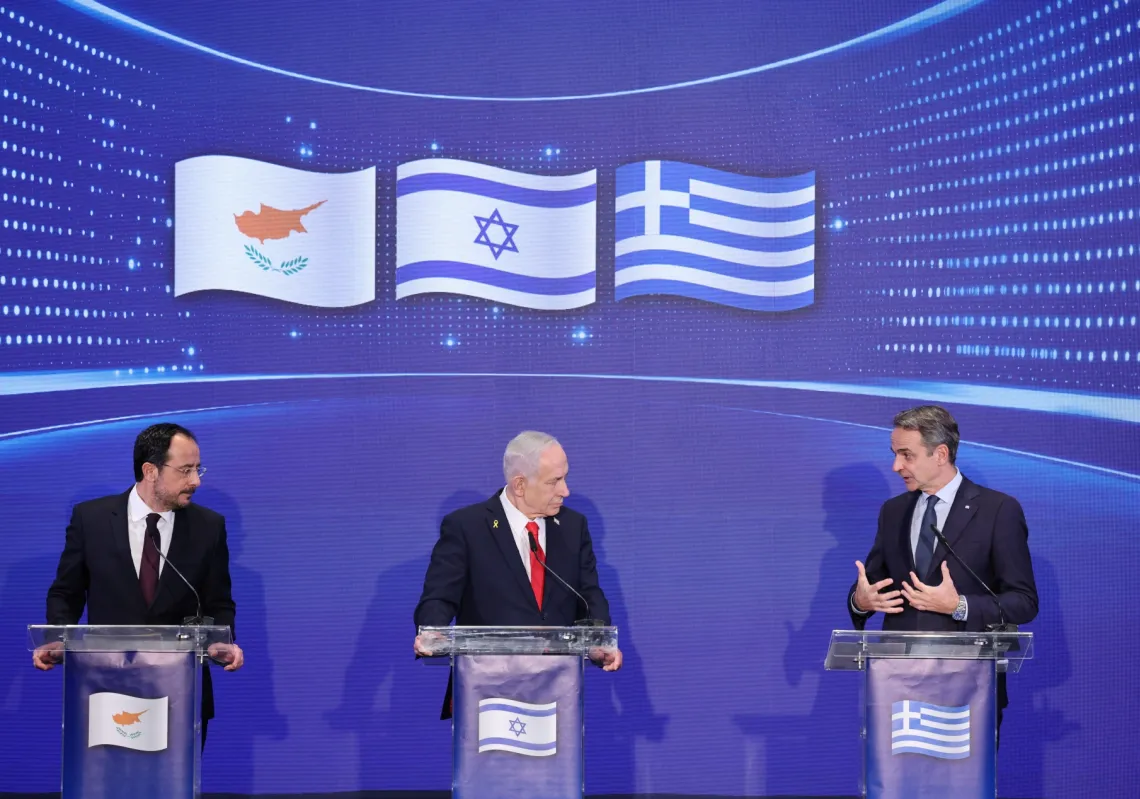
Across the wider landscape, there is an emerging strategic alignment linking Greece, Cyprus, and Israel. The Israeli-UAE alignment, centred on the Abraham Accords, also appears strong. Analysts wonder whether counter-alignments may now form. Among the candidates are Saudi Arabia, Türkiye, and Egypt (Pakistan appears constrained).

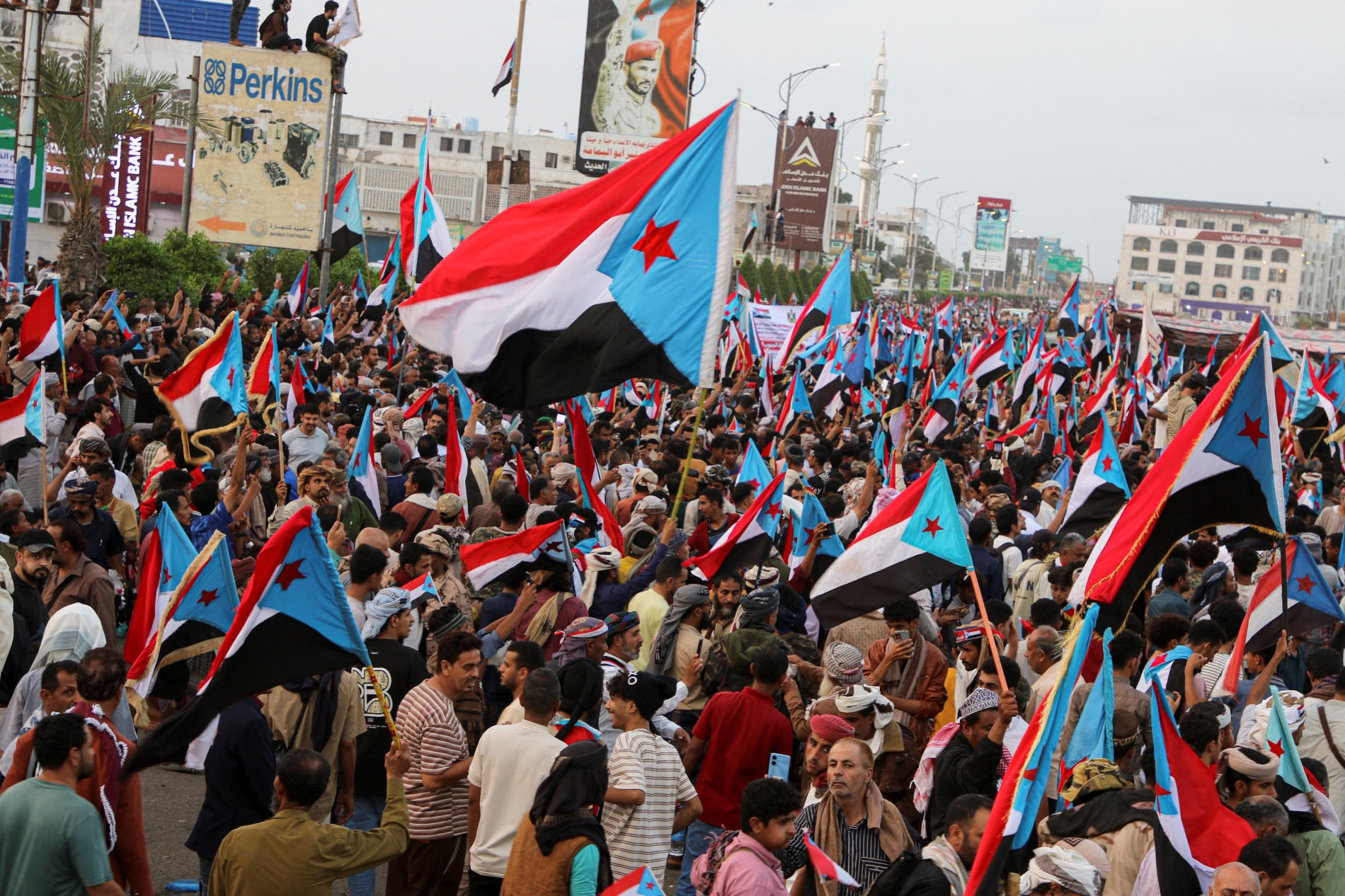
Reuters
A crowd of people at a march organized by the Southern Transitional Council in Aden, Yemen, on 21 December 2025.

Competing interests

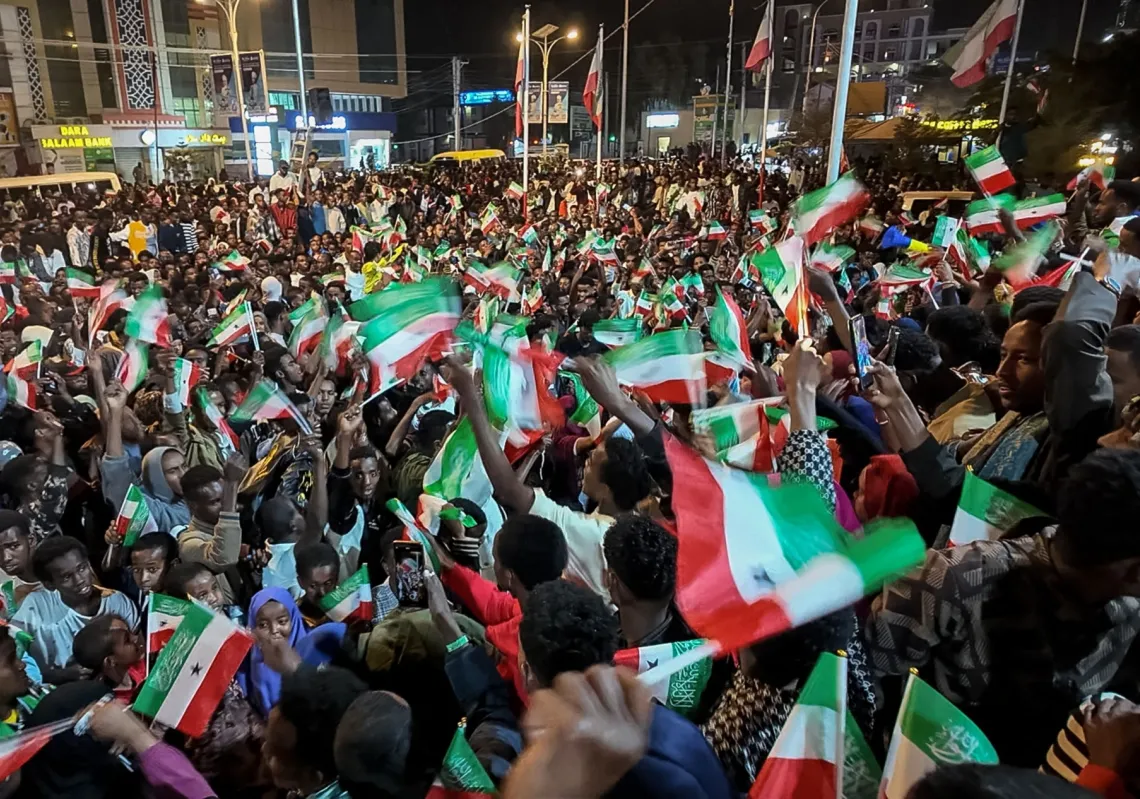
Developments in Yemen and the Horn of Africa have quickly become integral to the broader regional equation and to the competitive dynamics within it. Secessionists in South Yemen, supported by the United Arab Emirates, have taken land, including a central region rich in oil. The secessionists, led by the Southern Transitional Council, have pledged to join the Abraham Accords if they gain independence from the north and the capital, Sanaa, which is currently controlled by the Iran-aligned Houthis.

In the Horn of Africa, Israel became the first UN member state to recognise Somaliland, a breakaway coastal province in Somalia, last month. Egypt, whose 1979 peace treaty with Israel has come under strain since October 2023, fears an alignment linking Tel Aviv with Somaliland and its regional rival, Ethiopia, which wants access to the Red Sea and sees Somaliland as the best way to achieve that.

These arenas are increasingly linked to the Middle East's core theatres, especially the Levant and Syria in particular, where Türkiye and Israel both have interests. Trump takes pride in his relationship with both Netanyahu and Erdoğan. At a press conference following the Florida meeting, he poured cold water on prospects of a conflict between Tel Aviv and Ankara.

Security and politics

US President Donald Trump has said he opposes recognition of Somaliland, but, on Monday, the US defended Israel's decision to recognise it at the United Nations Security Council. Trump's confidence about Türkiye and Israel was mirrored in his remarks about Syria and Israel, where he suggested that relations would proceed as Washington intends.

In Florida, Netanyahu showed that Israel sees Syria and Lebanon through a security lens, stressing border security and the protection of minorities, with explicit reference to the Druze and Christians. The White House, by contrast, tends to approach both Syria and Lebanon in more political terms, backing Syrian President Ahmed al-Sharaa's government—a point Trump reinforced by publicly praising him. Al-Sharaa has become a key figure in the developing Arab-Turkish convergence, and Trump is aware of that.

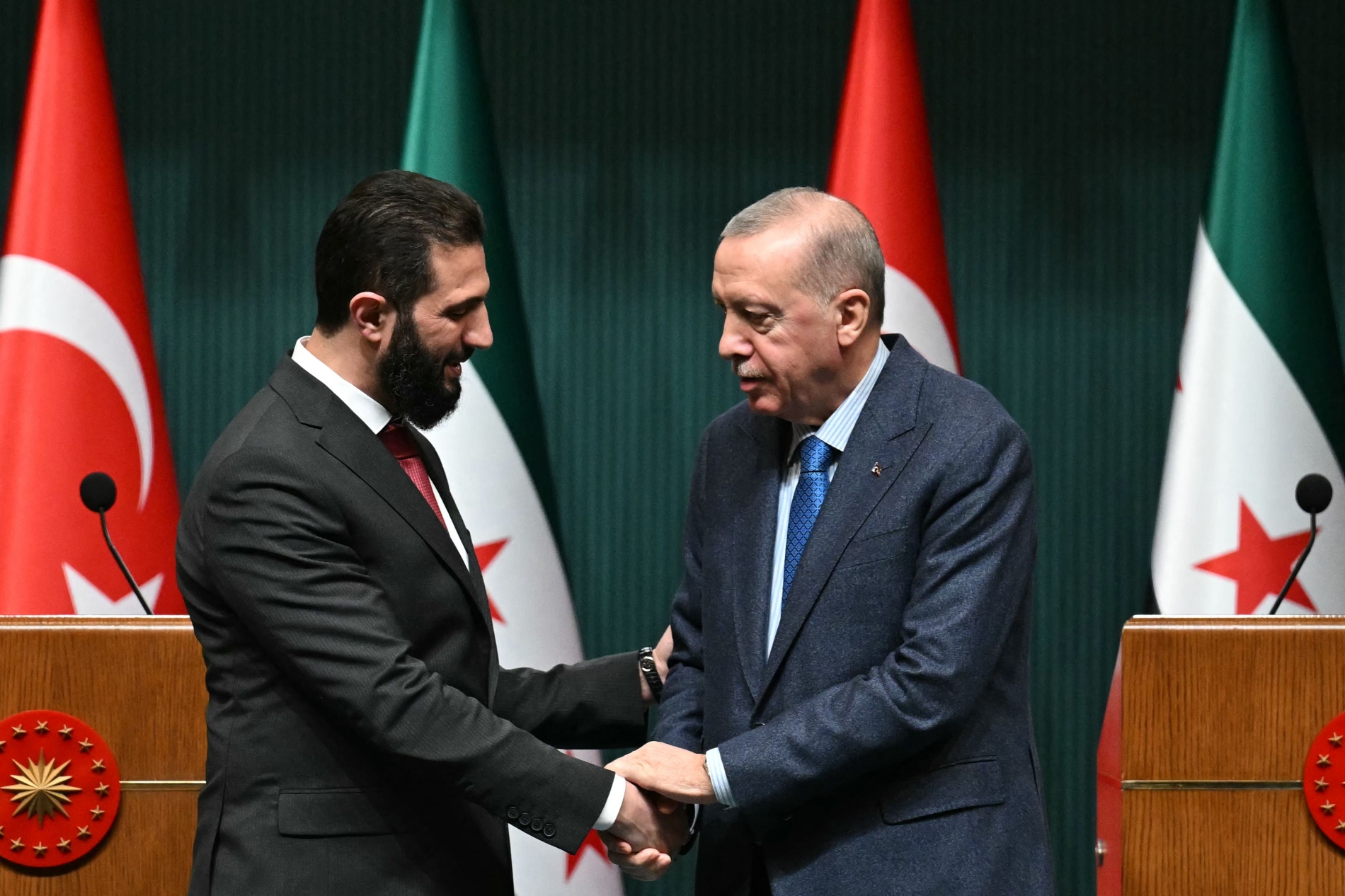
 Ozan Kose/AFP
Turkish President Recep Tayyip Erdogan (R) and Syria's interim president Ahmed al-Sharaa shake hands during a joint press conference following their meeting at the Presidential Palace in Ankara, on 4 February 2025.

In Lebanon, Washington is steadily increasing its support for the monitoring mechanism overseeing the ceasefire in the south, especially after it was reinforced with political negotiators from both Israel and Lebanon. Even so, Lebanon remains a 'soft flank', and any Israeli escalation against Hezbollah would likely get approval in Washington, where hopes rest on Lebanon's relatively new leadership team of President Joseph Aoun and Prime Minister Nawaf Salam.

A time to take stock

As Trump reiterated, Washington recognises the limitations facing both the Lebanese government and the US-backed Lebanese army in addressing Hezbollah's arsenal. Still, Trump's comment that Hezbollah was "behaving badly" suggests that he may approve further Israeli military action in the future.

The most notable point to emerge from the Trump-Netanyahu meeting in Florida is that there are no straightforward trade-offs between Washington and Israel in the Middle East. For instance, the idea that Washington might accept calm in Syria in exchange for escalation in Lebanon is widespread but misleading. It overlooks the specifics of each and the complexity of American interests.

Israel retains its room to manoeuvre, but the bigger take-home from Florida was the idea of continuity in the regional status quo. That may serve Netanyahu's interests, as he continues to buy time with Washington. It may also suit Trump, who cannot single-handedly deliver on all his promises over Gaza and elsewhere. The prevailing reality of 'no war and no peace' offers him a measure of comfort. To some extent, it relieves him of the burden of his most expansive commitments.

font change

Related Articles