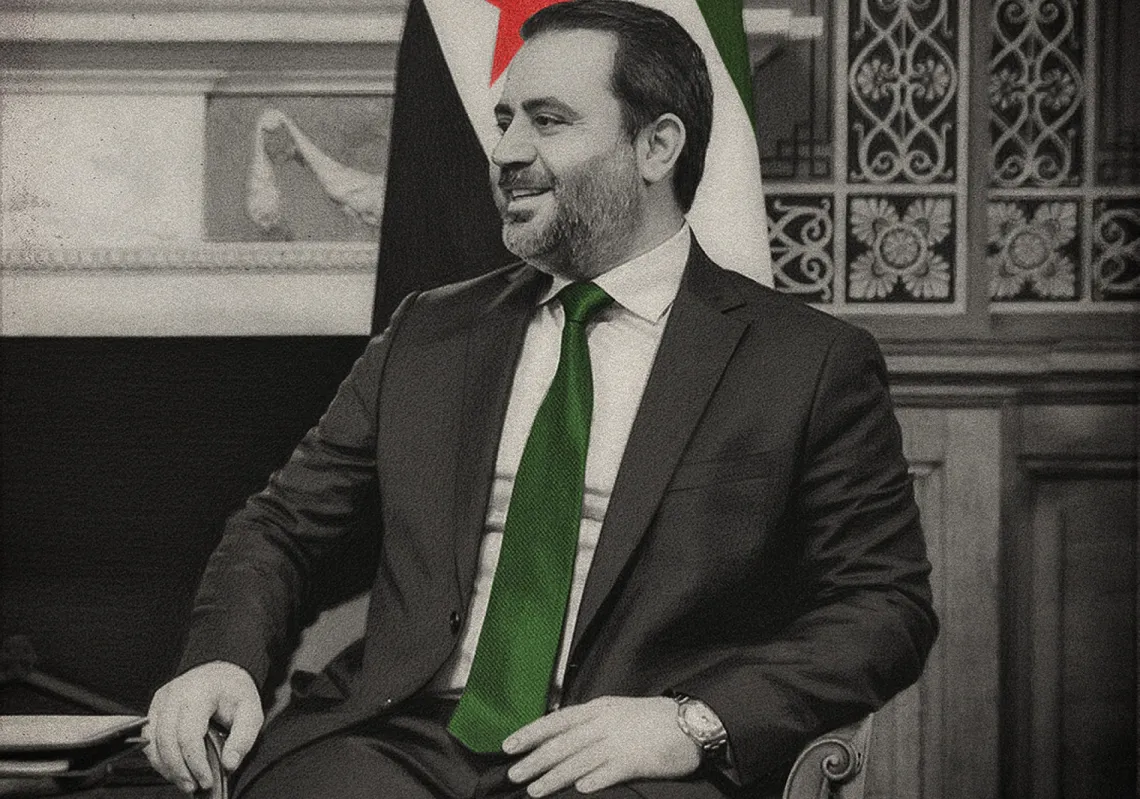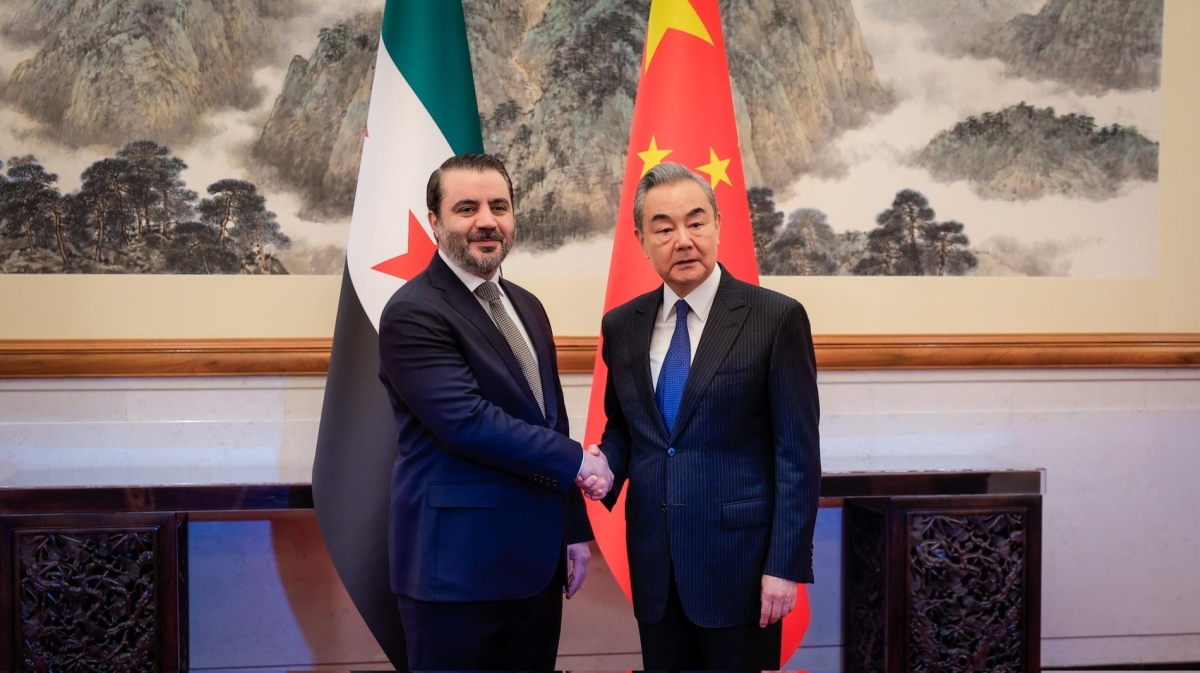

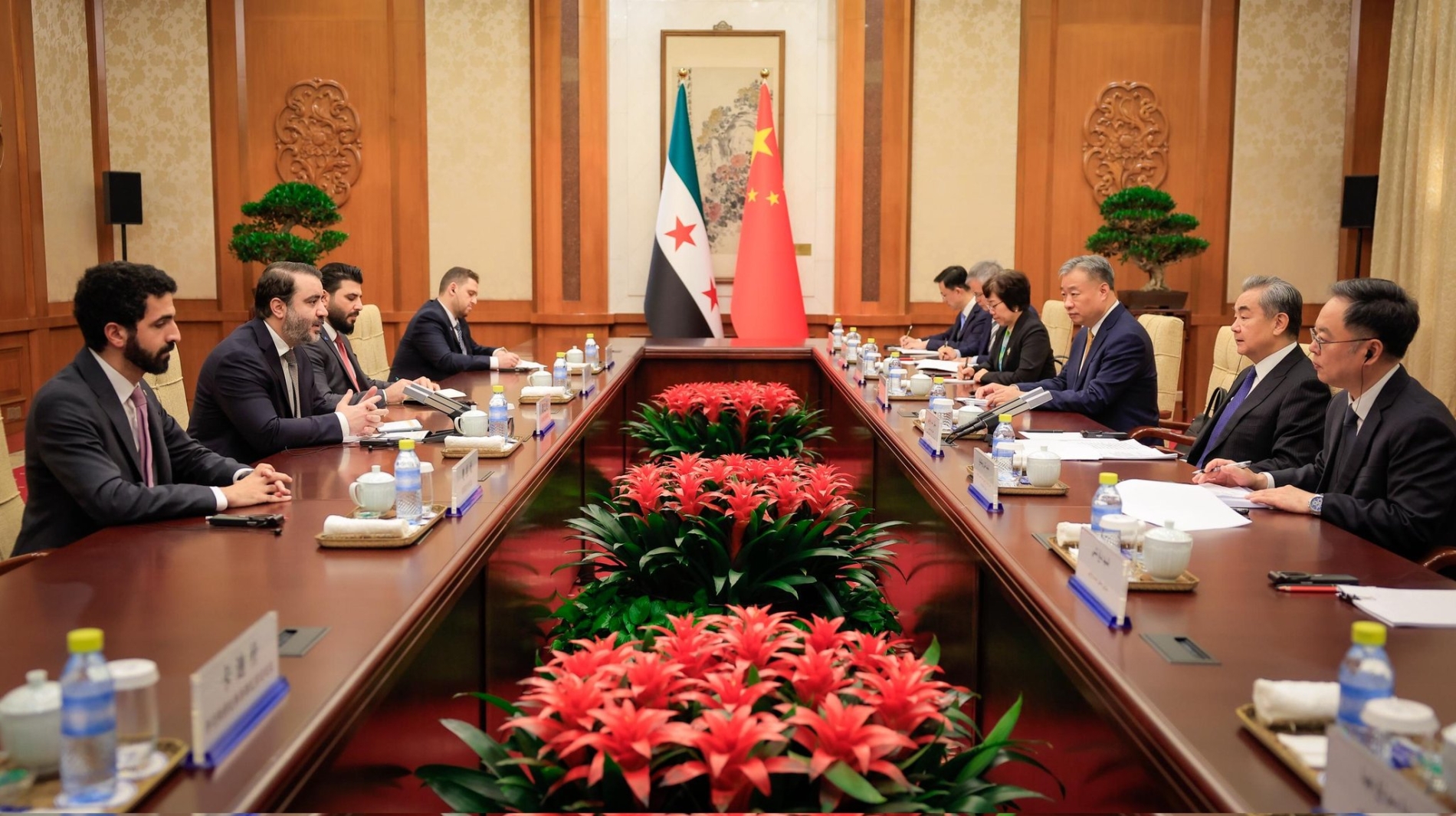
Syrian Foreign Minister Asaad al-Shaibani’s November visit to China marks the first visit by a senior Syrian official since former Syrian President Bashar al-Assad was ousted from power. Long overdue, the visit is seen by many as a turning point in China-Syria relations. China—once Assad’s staunch ally—had repeatedly flexed its diplomatic muscle at the UN by vetoing resolutions that could threaten his rule. This included blocking a resolution that called for a ceasefire in Idlib, then the stronghold of Hay’at Tahrir al-Sham (HTS)—an opposition group led by Ahmed al-Sharaa, who later became Syria's president.
The visit yielded positive results, most notably, both countries agreed to discuss Syria’s reconstruction and pledged to cooperate on counter-terrorism, paving the way for a China-Syria relations that could live up to its “comprehensive strategic partnership” name.
However, several challenges remain. These include China’s concerns over the Uyghur militants in the Syrian military and the country’s ongoing political instability. These issues continue to cast a shadow over the relationship, prompting Beijing to adopt a cautiously optimistic approach to engaging with Damascus.
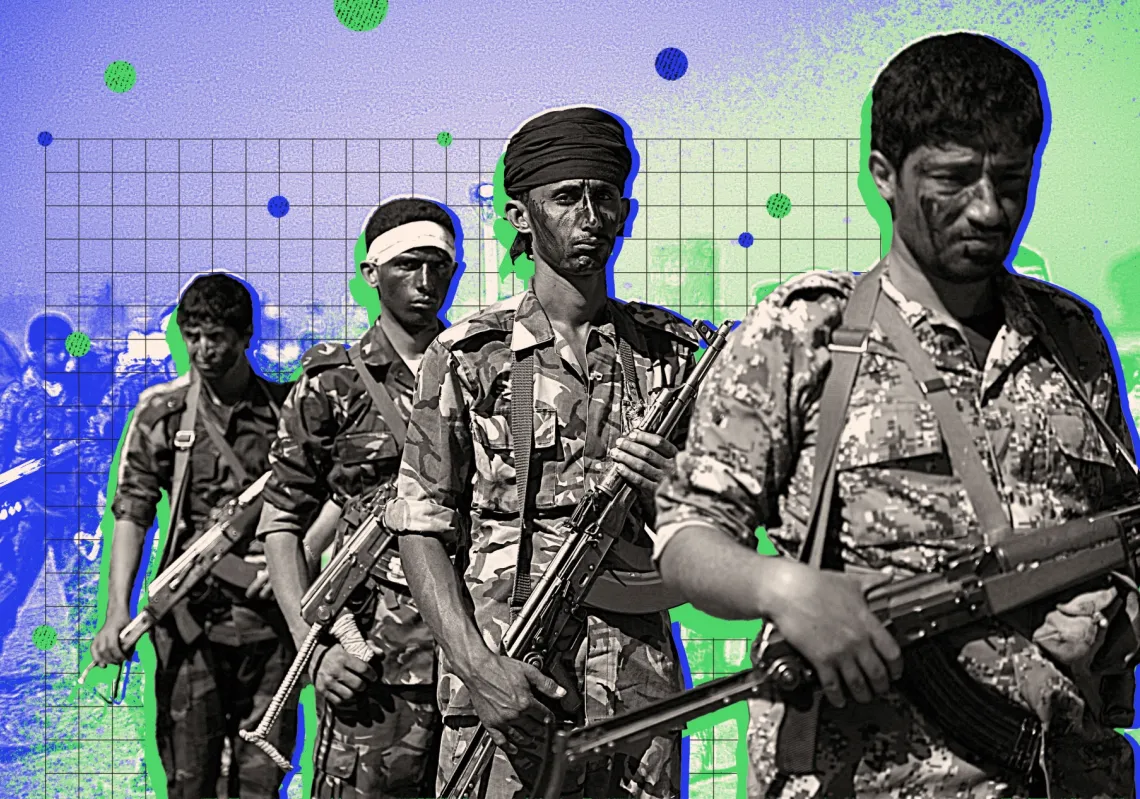
Foreign fighters played an important role in al-Assad's ouster, among them are 5,000 Uyghur militants who left China to fight in Syria. Most fought under the flag of the Turkestan Islamic Party (TIP)—a Uyghur separatist group originating from China’s western province of Xinjiang. Since the ousting of Assad, these Uyghur militants have been incorporated into the Syrian army’s 84th Division, with a commander of the TIP branch in Syria promoted to the position of brigadier-general, while two others were promoted to the position of colonel.
While it is unlikely that these Uyghur militants could ever return to China, they pose a very real threat to Chinese interests abroad—be it in Iraq, Pakistan or elsewhere. In addition, they could spread their ideology online. As such, Beijing has repeatedly called for Damascus to “honour its counter-terrorism commitment” and eradicate the TIP, warning that “to harbour terrorists is akin to rearing a tiger and will inevitably lead to disaster”.
Assuring Beijing
For its part, Damascus has repeatedly assured Beijing that it will not become a breeding ground for terrorism. This commitment was reaffirmed in the joint declaration issued during al-Shaibani’s visit, in which Damascus stated that it “takes Beijing’s security concerns seriously”, and that it “will not allow its territory to be used to harm Chinese security, sovereignty or interests”.
Recently, China abstained from voting on a draft resolution before the UN Security Council to remove al-Sharaa from the international sanctions list. Although the abstention came after the Chinese Permanent Representative to the UN, Fu Cong, delivered a speech emphasising that the resolution does not adequately address China’s concerns about terrorism, the move is nonetheless very encouraging as it suggests that Beijing believes Damascus may be willing to allay its fears.
From Beijing’s perspective, the main obstacle to advancing China-Syria relations is Damascus’ limited control over foreign fighters, particularly Uyghur militants. Since assuming power, al-Sharaa has verbally distanced himself from religious extremism, sparking backlash from hardliners—particularly foreign fighters. Some accused al-Sharaa of collaborating with other countries to target them, while others openly defied his orders.
Although al-Sharaa has expressed his sympathy for the Uyghurs, he has also made it clear that “their struggle against China is not ours”, indicating that he will not allow Syria to be used as a staging ground for attacks against China, but has said and done little apart from that one-off comment to clamp down on their activities.
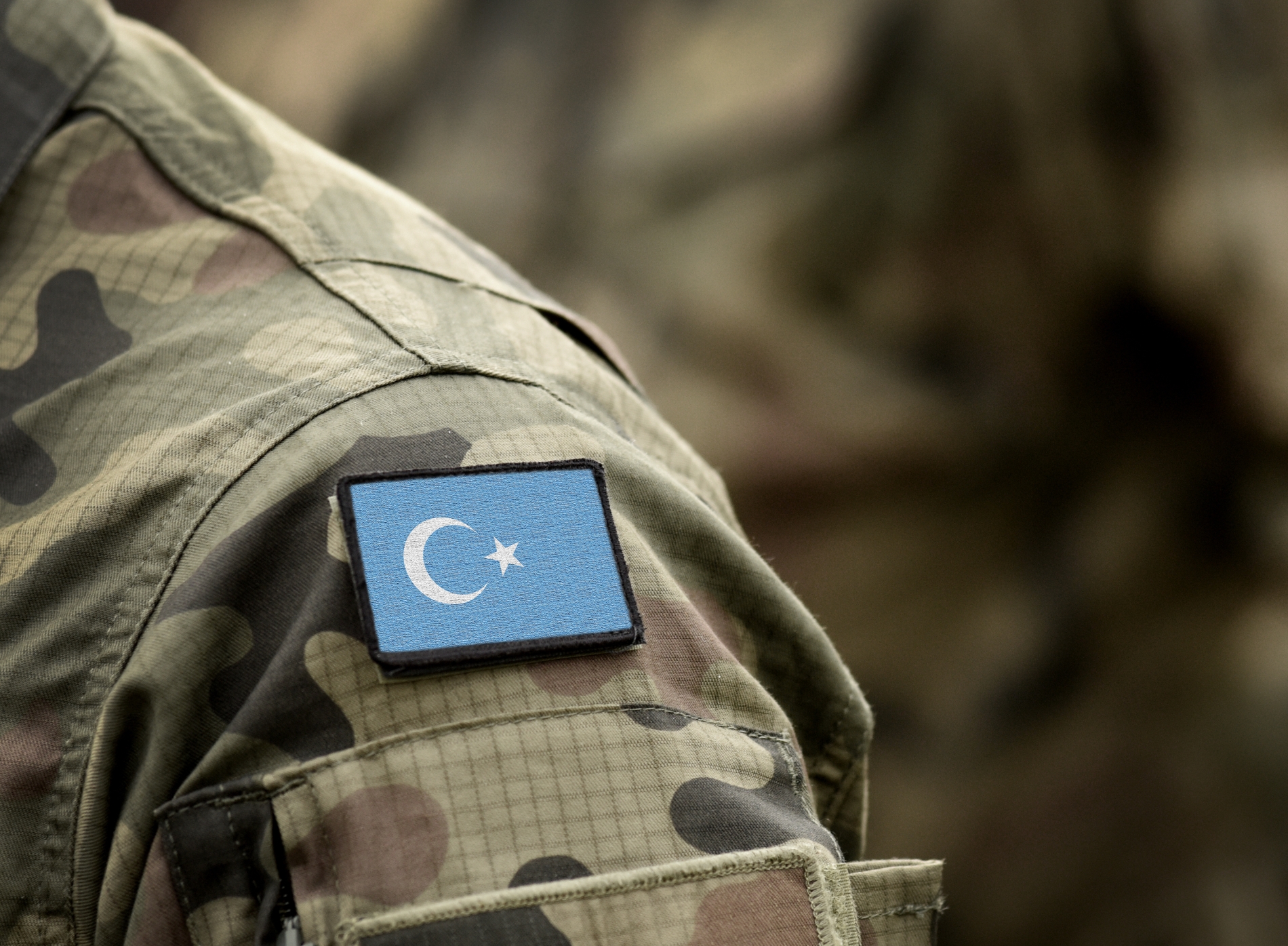
The same day al-Assad was ousted from power, the TIP released a video vowing to redirect its focus to China. In a follow-up video, the group was seen using the light blue flag bearing the crescent and star, replacing the black flag bearing the shahada (the Muslim pledge that there is no God but Allah and Muhammad (PBUH) is his messenger), suggesting a return to the group’s original goal of seeking independence from China.
Recently, fighting broke out between Damascus and the Ghuraba Brigade—a group composed primarily of French-speaking foreign fighters. The group’s leader, Omar Omsen, accused Damascus of collaborating with France. However, Damascus insisted that it was not targeting foreign fighters, but rather Omsen himself, whom it accuses of collaborating with the Islamic State (IS) and kidnapping a little French girl.
Read more: Syria lacks a coherent policy on foreign fighters
Damascus sought to downplay the incident to avoid alarming other foreign fighters, many of whom are wanted in their home countries and fear being handed over in exchange for economic or political concessions. With over 2,500 IS fighters still active in Syria and Iraq and with IS attacks having doubled compared to the previous year, Damascus cannot afford to alienate these battle-hardened veterans. Pressuring them too hard risks defection to IS or other extremist groups.
Room for cooperation
While extradition of the Uyghur militants is precisely what Beijing seeks from Damascus, it is unlikely to happen, given that Damascus was quick to deny rumours of handing over 400 Uyghur militants to Beijing. Nonetheless, with China and Syria agreeing to cooperate on counter-terrorism during al-Shaibani’s visit, a compromise may still be possible.
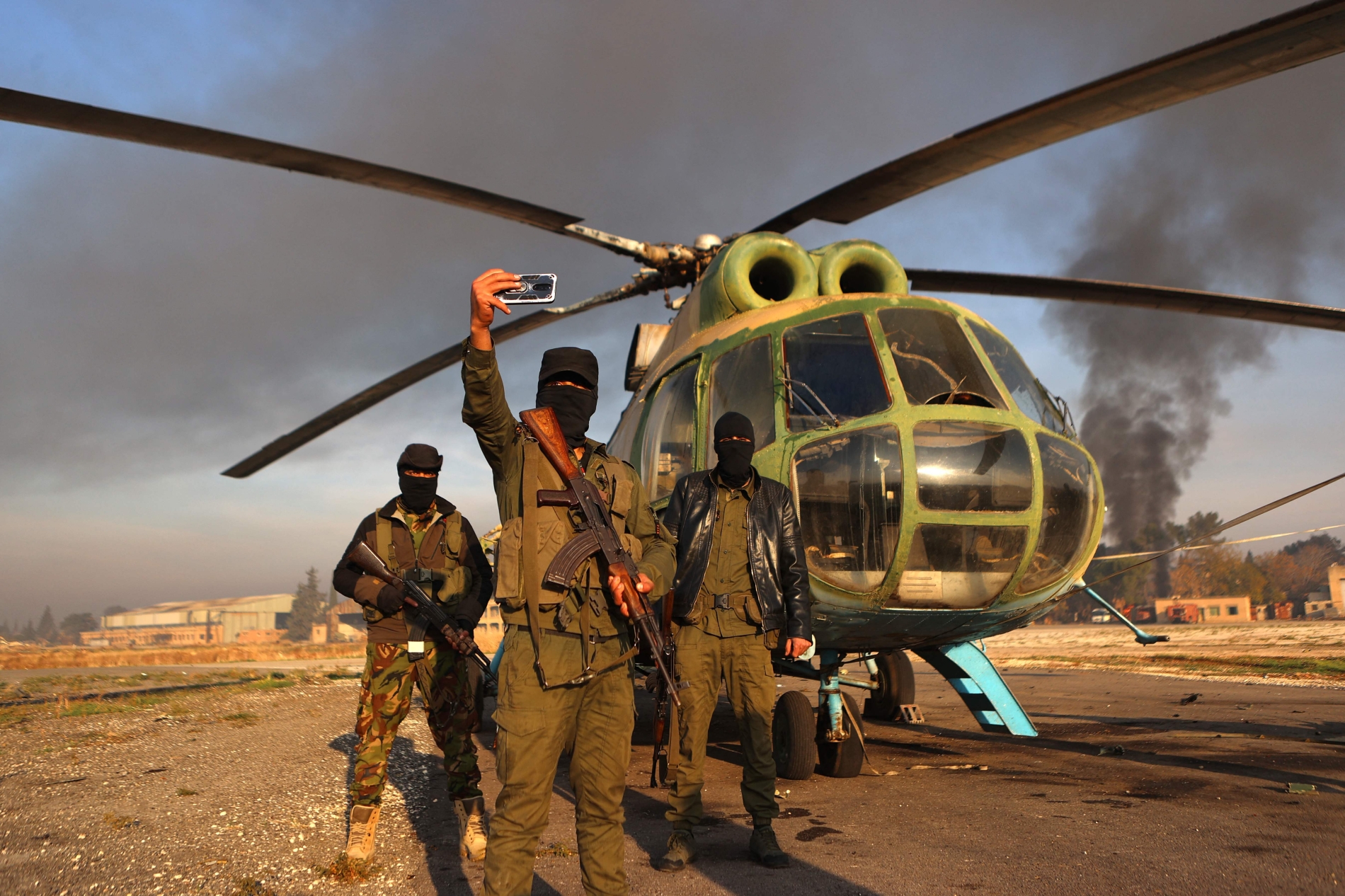
Acceptable terms would entail Damascus exercising greater control over Uyghur militants, such as withholding passports from Syrian citizens of Uyghur descent to restrict their international travel, or stationing the 84th Division in regions far from Damascus, where most Chinese investment is expected to be concentrated.
Even under al-Assad, Chinese investment in Syria has consistently fallen short of its promises, as China views it as a high-risk, low-reward venture. In 2017, China pledged to invest $2bn to establish an industrial park in Syria, a commitment that ultimately failed to materialise. In the years that followed, Chinese foreign direct investment remained negligible, never exceeding $20mn and even plummeting to $0.9mn in 2018.
This discrepancy persisted despite Syria’s accession to China’s Belt and Road Initiative in 2022 and the elevation of China-Syria relations to a strategic partnership in 2023. This was further reinforced in 2024, when Chinese Foreign Minister Wang Yi promised that China would continue to provide economic assistance to the best of its ability.