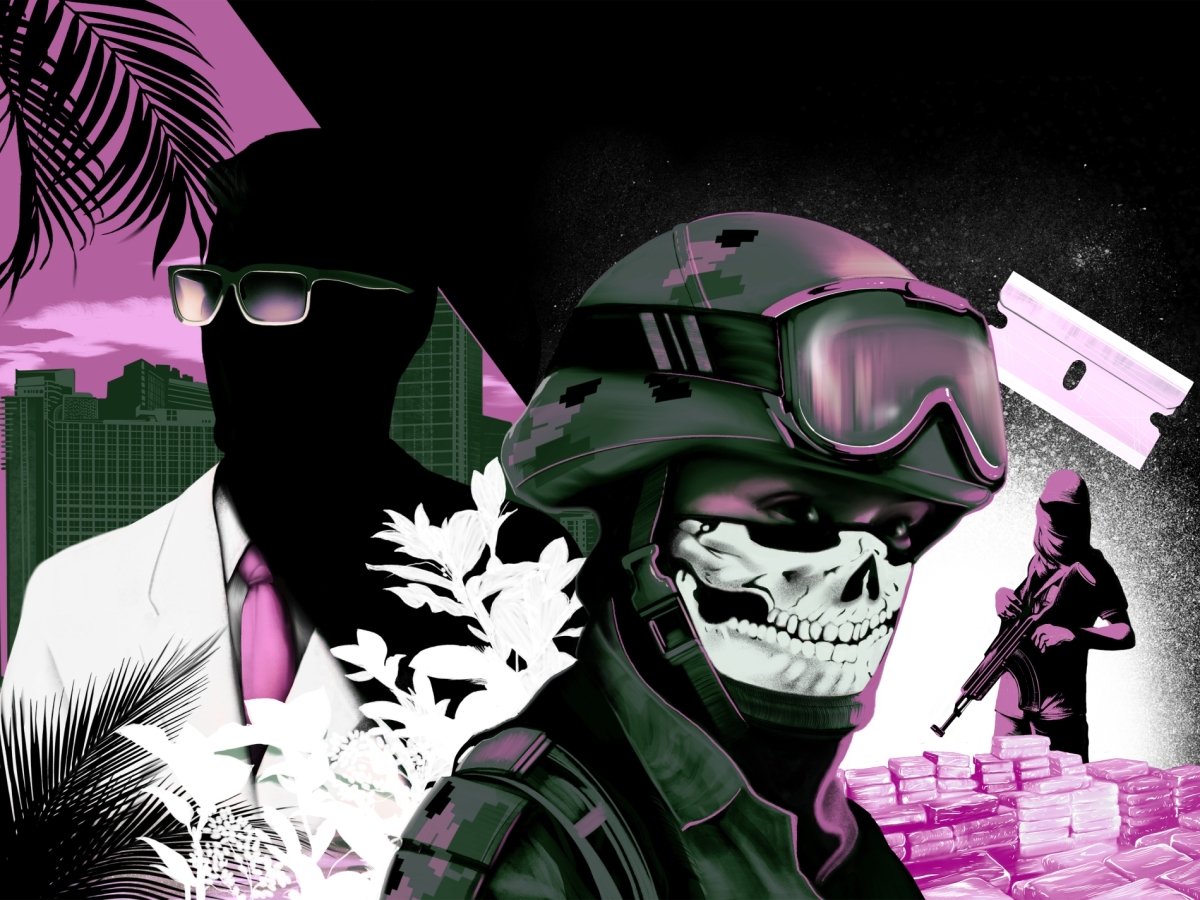

For much of the last century, the illicit drug trade has shaped the economic, political, and social landscape of Latin America. What began as a small, locally rooted trade in coca leaves and opium evolved into a transnational system of cartels that challenged governments, corrupted institutions, and altered the course of regional security. From the industrial might of Colombia’s Medellín cartel to the decentralised networks of Mexico and Venezuela today, the region’s illicit economy reflects profound historical roots intertwined with global markets and fragile governance.
The shift from concentrated criminal empires to fragmented and militarised networks was not accidental; it mirrored the region’s political transitions, economic pressures, and the international demand that sustained them. Understanding this transformation is crucial to grasping how organised crime has adapted to state weakness and global opportunity. How did Latin America’s cartels evolve from centralised powerhouses into fluid, transnational systems operating across the hemisphere?
Drug economy origins
Latin America’s modern drug economy emerged gradually from the region’s rural economies, weak state institutions, and dependence on agricultural exports. Coca—a plant long cultivated in the Andes for traditional use—became the foundation of a global cocaine industry as demand from the United States and Europe surged after World War II. In parts of Peru, Bolivia, and Colombia, drug production became a survival strategy for communities excluded from formal markets and tolerated by governments that lacked the means or will to enforce prohibition.
The Cold War deepened the US involvement in Latin America’s domestic affairs. Anti-communist priorities were soon tied to anti-narcotics efforts, framing the region’s drug economies as both a moral and security threat.
When the US Drug Enforcement Administration was created in 1973, it signalled the beginning of a decades-long militarised campaign against the drug trade. Yet by the late 1970s, Colombia had already become the world’s principal cocaine supplier, with the Medellín and Cali cartels turning illicit trafficking into an industrial enterprise. Their control over production, transport, and distribution networks transformed them into political actors as much as criminal ones, foreshadowing the conflicts to come.
Could the early US focus on eradication and enforcement have paradoxically strengthened these criminal empires by raising profits and driving producers further underground? The answer continues to shape debates about today’s failed “war on drugs.”
Fragmentation and militarisation
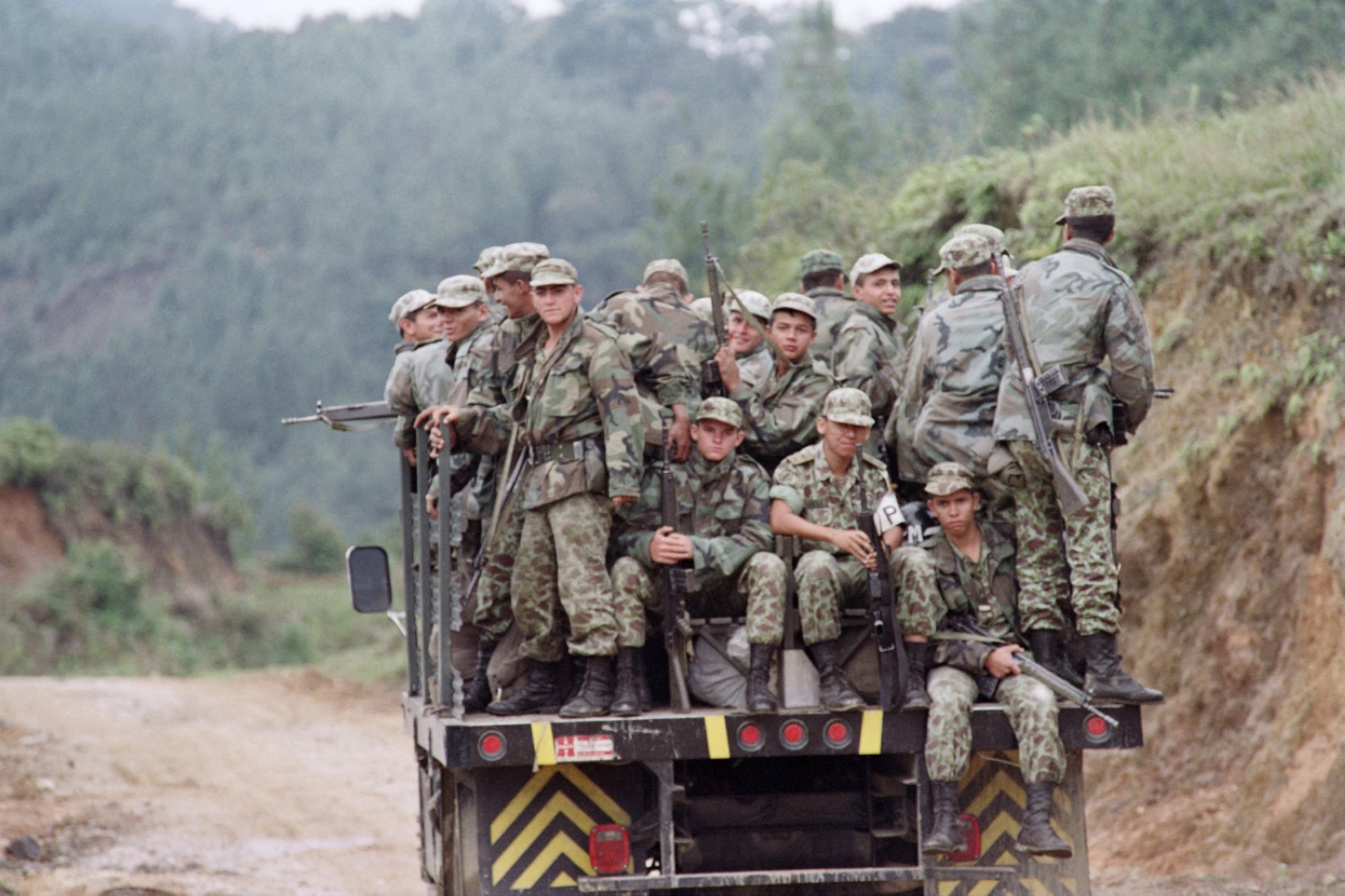
The collapse of Colombia’s major cartels in the 1990s did not end the trade; it simply diversified it. Smaller, more flexible criminal organisations emerged across the region, expanding into Mexico, Central America, and the Caribbean. These groups operated through alliances rather than rigid hierarchies, making them harder to dismantle.
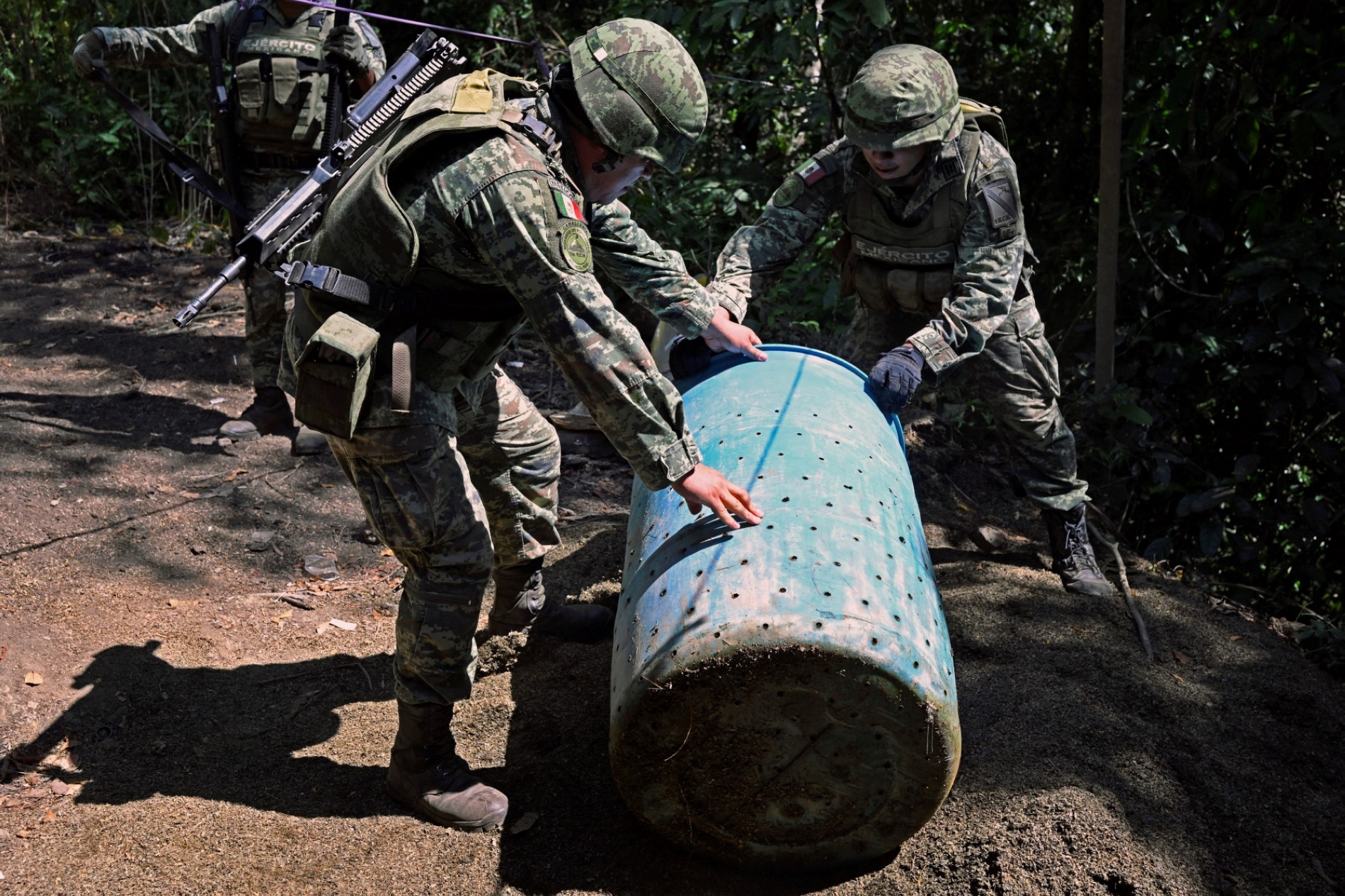
In Mexico, the state’s militarised response launched in 2006 sought to crush organised crime through overwhelming force. Thousands of troops were deployed, cartel leaders captured or killed, yet each removal produced new rivals. The country became a mosaic of competing criminal enclaves, violence escalated, and the boundary between law enforcement and warfare blurred.
Elsewhere, guerrilla movements such as Colombia’s FARC and Peru’s Shining Path turned to drug trafficking to fund their operations. The trade became less about ideology and more about survival, binding political insurgency and organised crime together. In marginalised areas where state presence was minimal, cartels filled the void. They provided employment, protection, and even rudimentary social services, forming what analysts call narco-governance. For many communities, cartels became both predator and provider, a sign of how gravely state authority had withdrawn.
Reclaiming legitimacy in such territories poses one of the greatest challenges for modern Latin American states. Can governments restore trust and authority where organised crime has become the default form of governance?