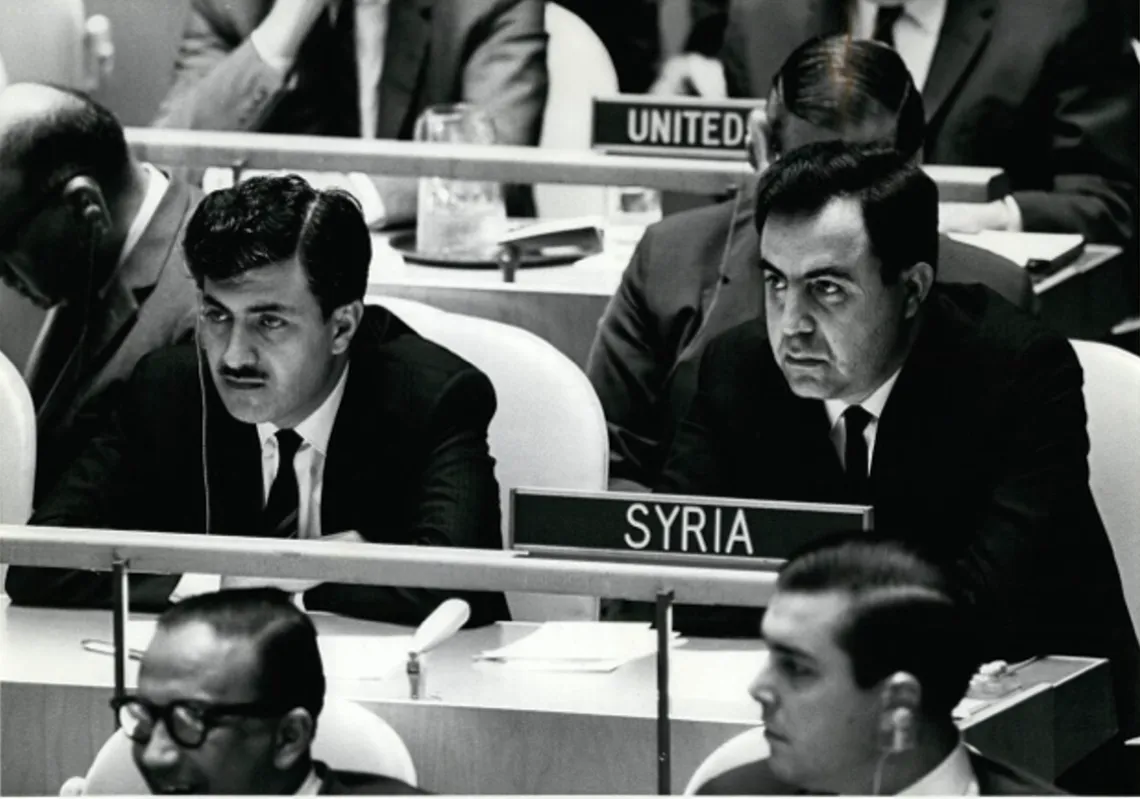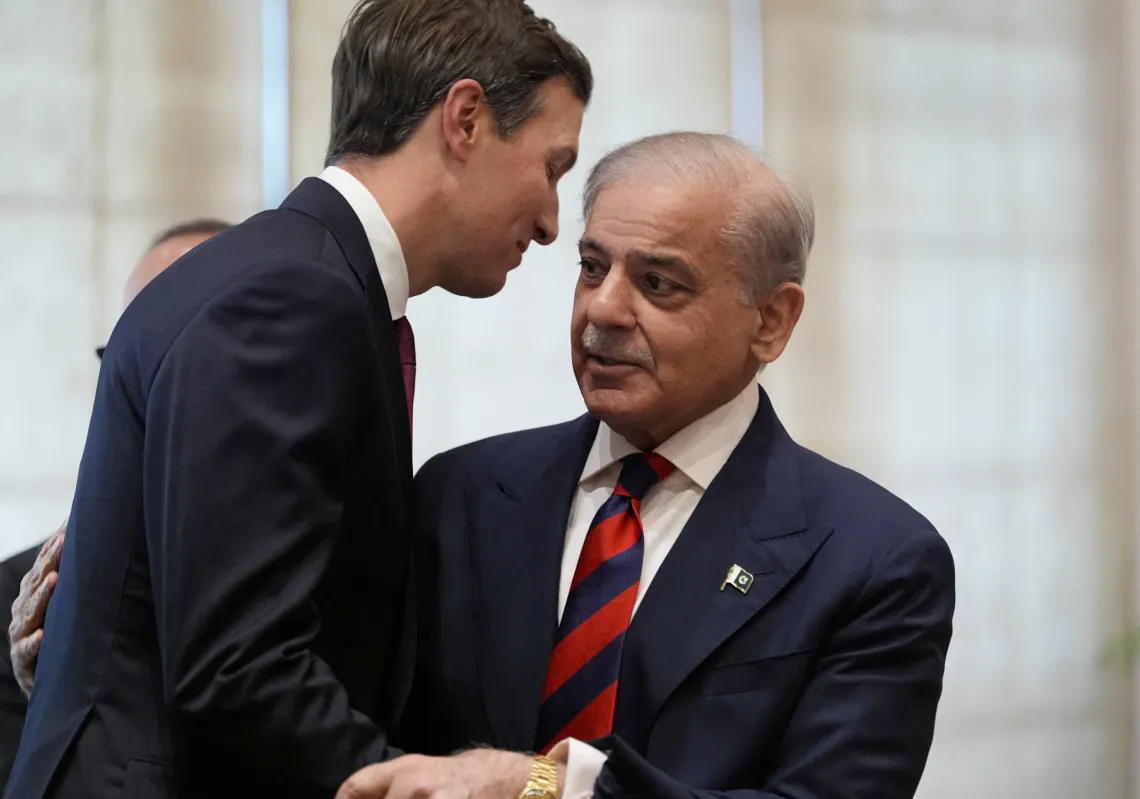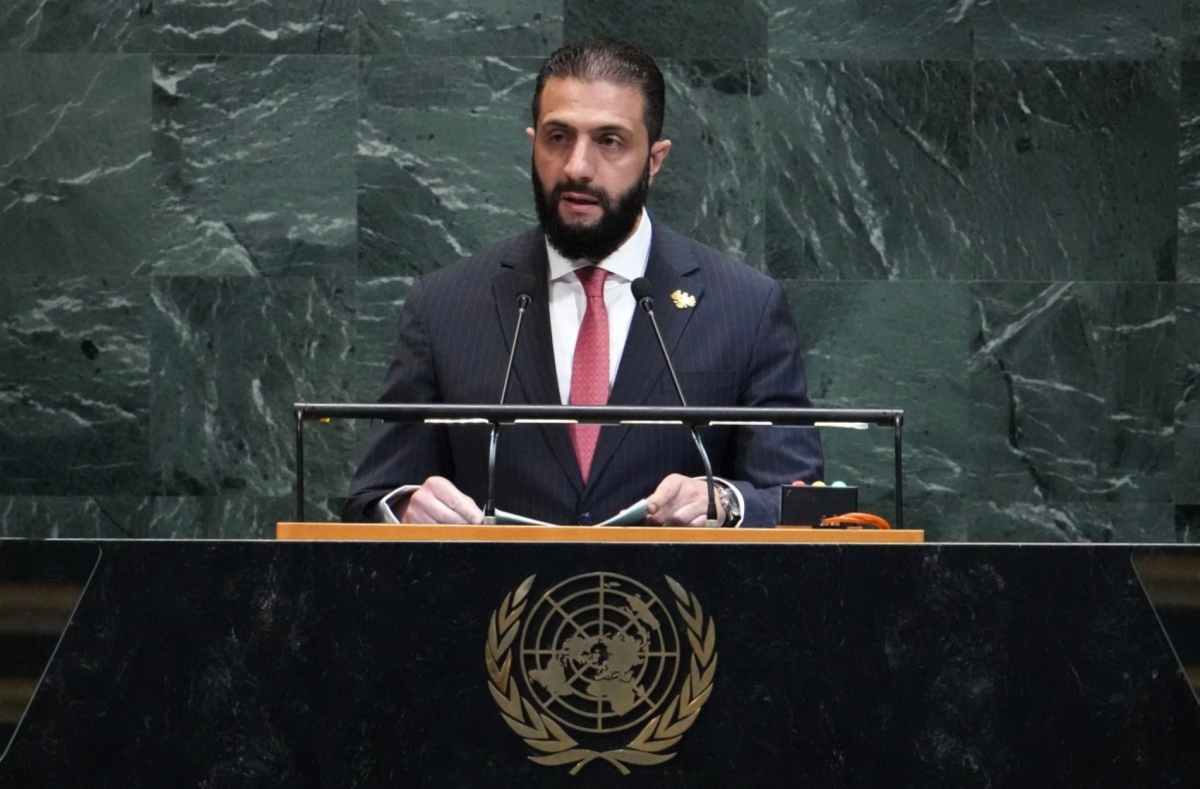

President Ahmed al-Sharaa’s visit to the United States to address the UN General Assembly was the clearest sign yet of his success in restoring Syria’s diplomatic standing. After more than a decade of isolation, Syria is no longer viewed as a pariah.
Achieving this major shift in such a short time is nothing short of extraordinary. But sustaining it now hinges on a far tougher challenge: stabilising Syria’s fractured domestic landscape. The expected deal to repeal the Caesar Act in exchange for a four-year reform package makes the link explicit: sanctions relief will only follow meaningful political change inside Syria.
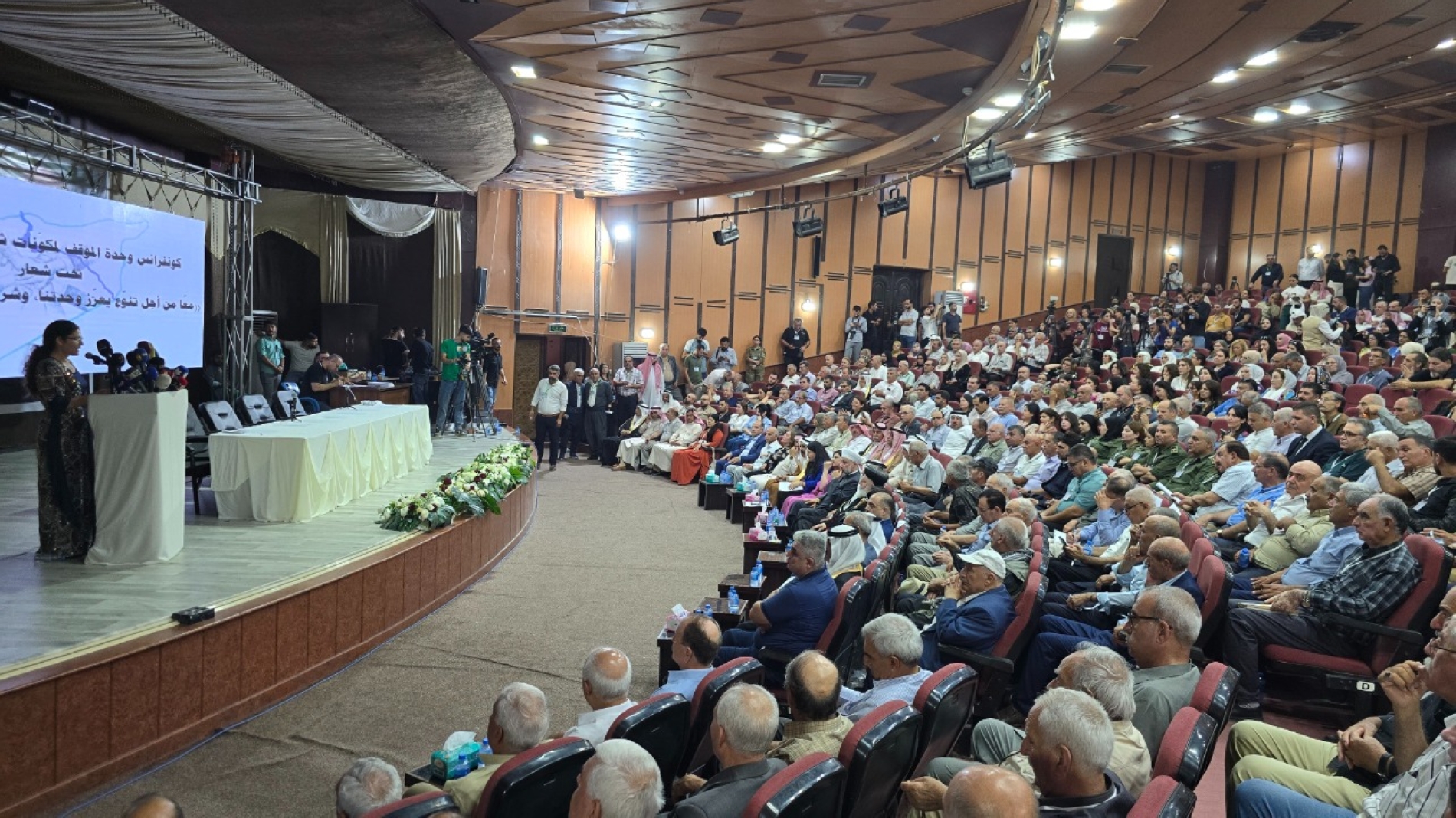
Al-Sharaa acknowledged as much in his UN address, declaring that Syria’s new chapter is titled “Peace, Prosperity, and Development.” To reinforce the message, his government unveiled an internationally-backed roadmap to resolve the conflict in Sweida—deliberately timed to coincide with his visit—as a tangible sign that change is underway.
Yet Sweida’s roadmap is more than a local initiative. It is a proving ground. If implemented successfully, it could serve as a model for reconciliation and consolidate Syria’s reintegration into the international system. Failure, however, would cast serious doubt on al-Sharaa’s ability to stabilise and hold the country together—risking the return of the very international pressure he has worked so hard to defuse.
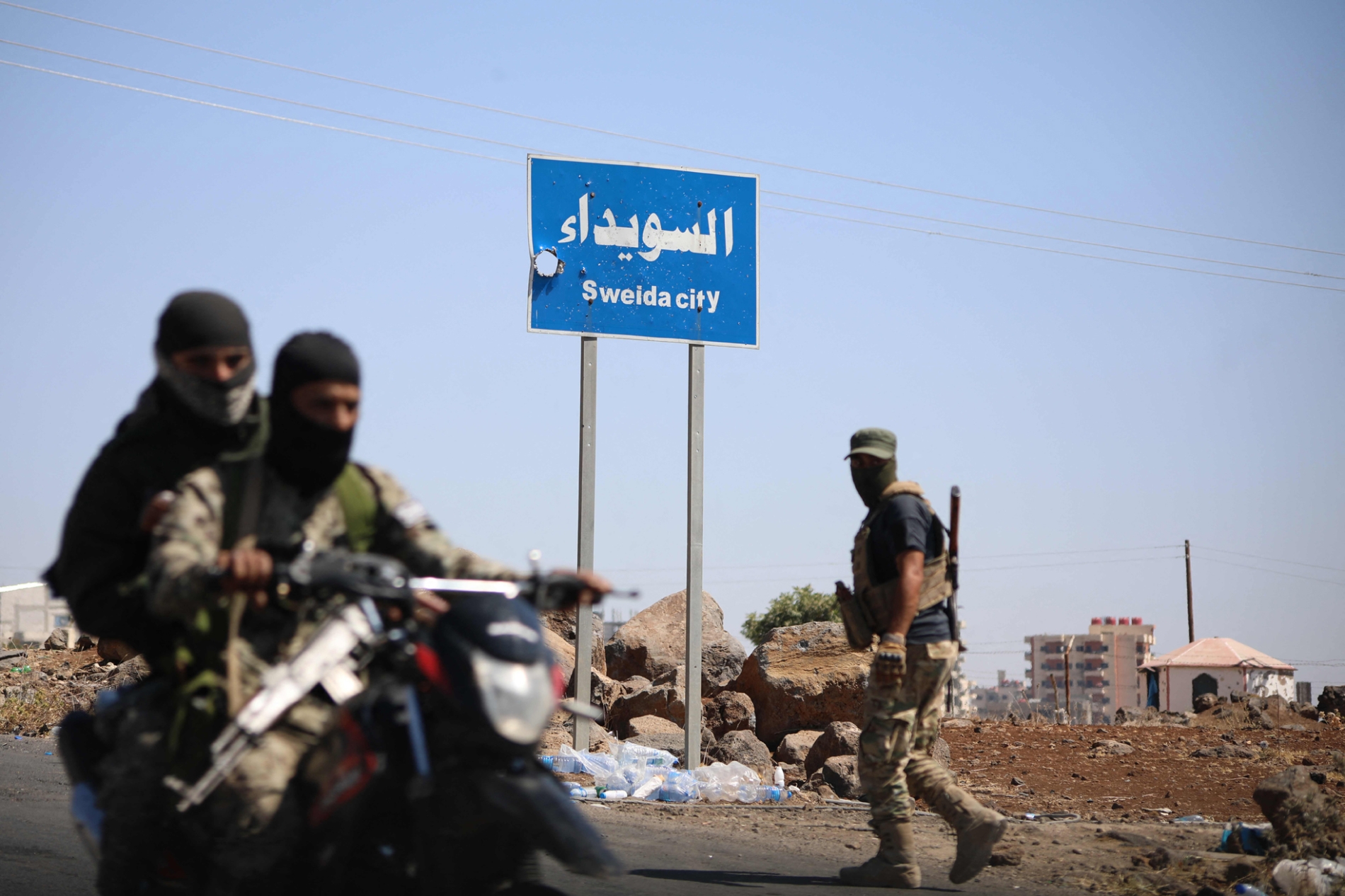
Sweida’s roadmap
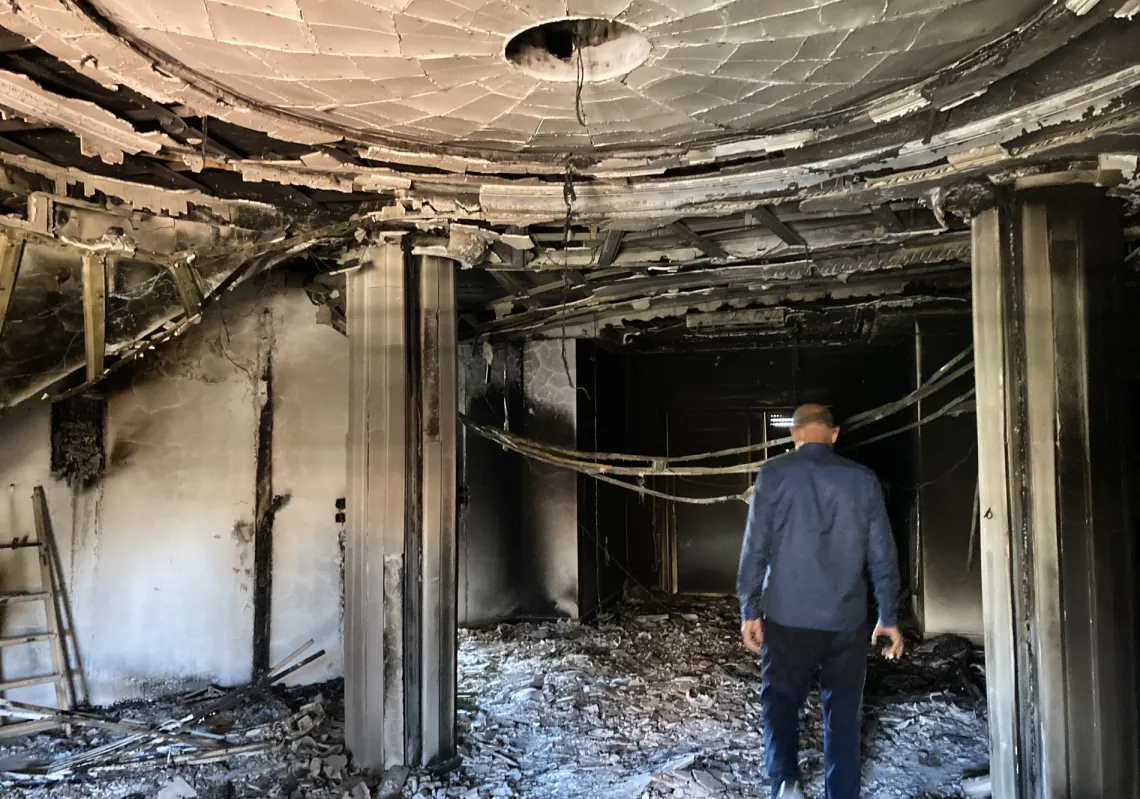
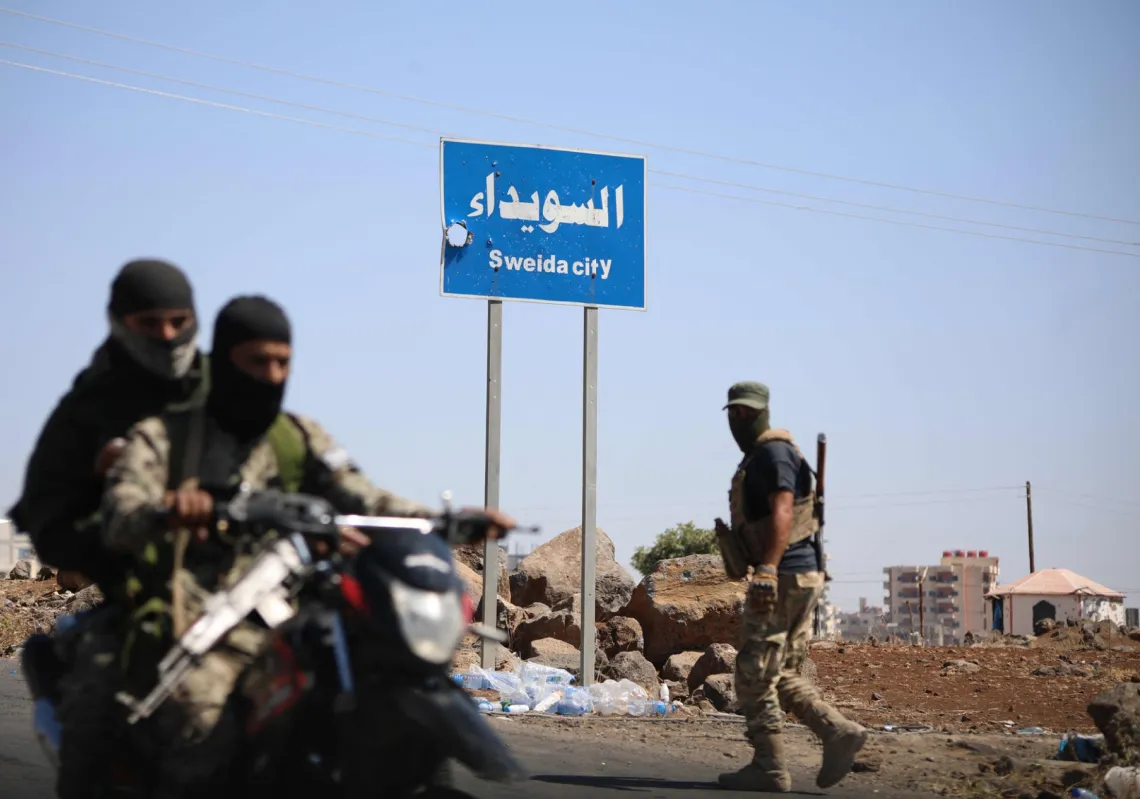
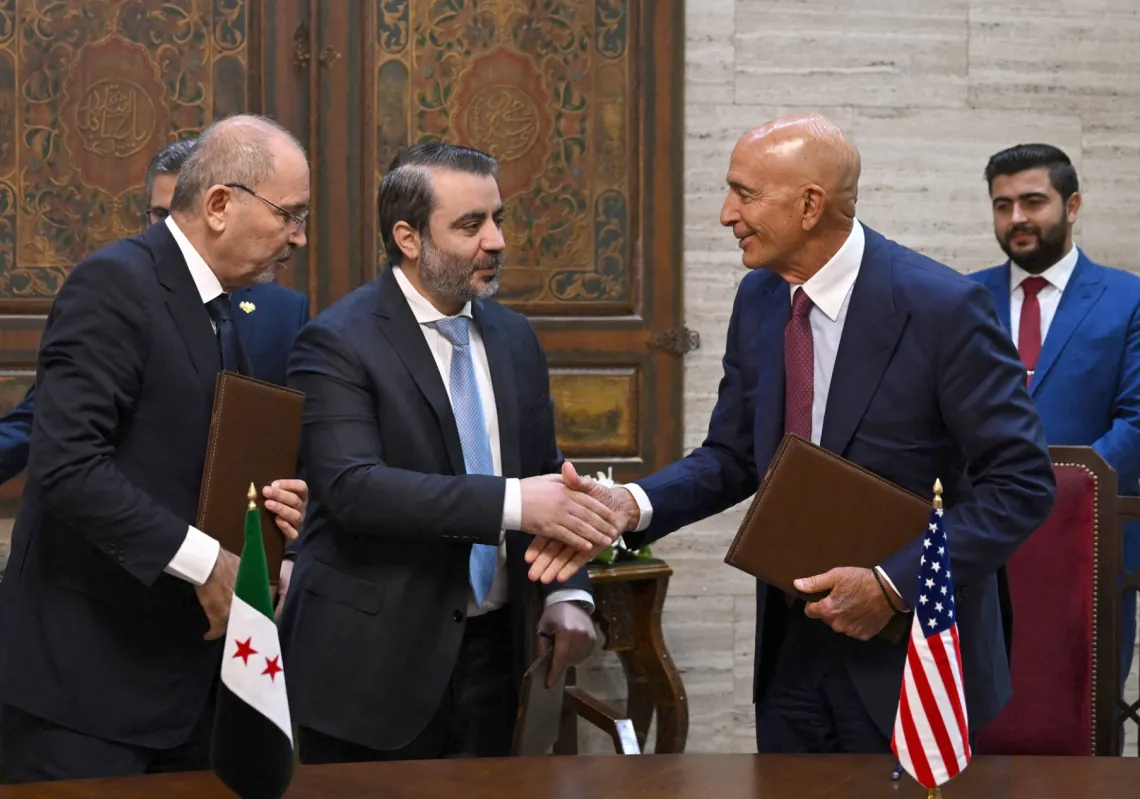
The tripartite agreement signed on 16 September by Syria, Jordan, and the United States lays out a 13-point roadmap aimed at ending the crisis in Sweida following the violent clashes in July. Anchored in the principles of national unity and equal citizenship, the roadmap outlines steps to rebuild trust between Damascus and the province through an independent investigation into recent violence, accountability for perpetrators, the return of displaced residents, withdrawal of armed forces, deployment of trained police, restoration of essential services, and a local reconciliation process among Sweida communities.
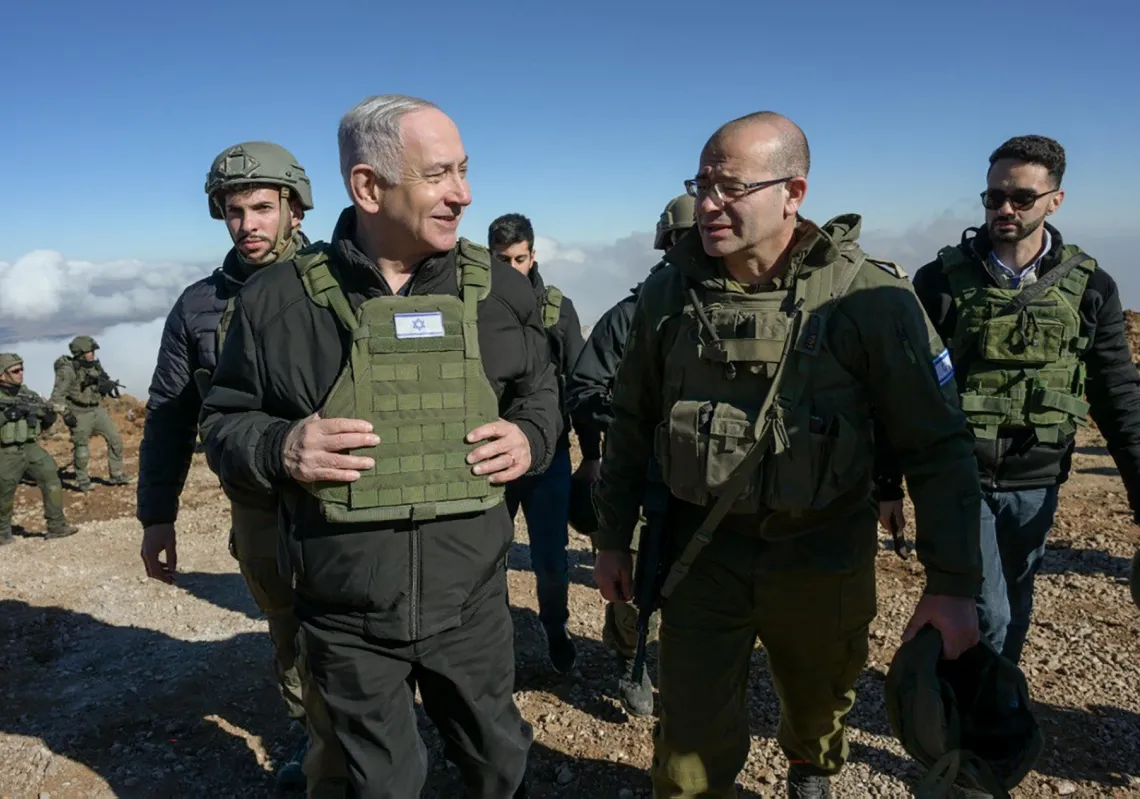
Politically, the agreement calls for expanding local governance and community engagement, albeit within the framework of Syrian state sovereignty. Implementation and oversight will be jointly facilitated by the US and Jordan, who will also work to mobilise the international funding required to support the rollout of the roadmap. Importantly, the agreement includes a provision to pursue a security arrangement addressing Israel’s concerns in southern Syria—an acknowledgement of the broader regional stakes that underscore this effort.
While the agreement has been welcomed by regional and international actors, it was firmly rejected by Sweida’s de facto authorities. The Supreme Legal Committee, aligned with Druze spiritual leader Sheikh Hikmat al-Hijri, dismissed the roadmap as contradictory and lacking credibility. It argued that accountability measures under Syrian jurisdiction cannot be trusted, since the state is both a party to the conflict and the arbiter of justice.