
As the US-Israeli war on Iran deepens into a protracted and volatile standoff, its economic fallout continues to grip the global economy, with Europe bearing the brunt. The war has starkly exposed the fragility of the European economic model, which has long been underpinned by imported energy and geopolitical stability.
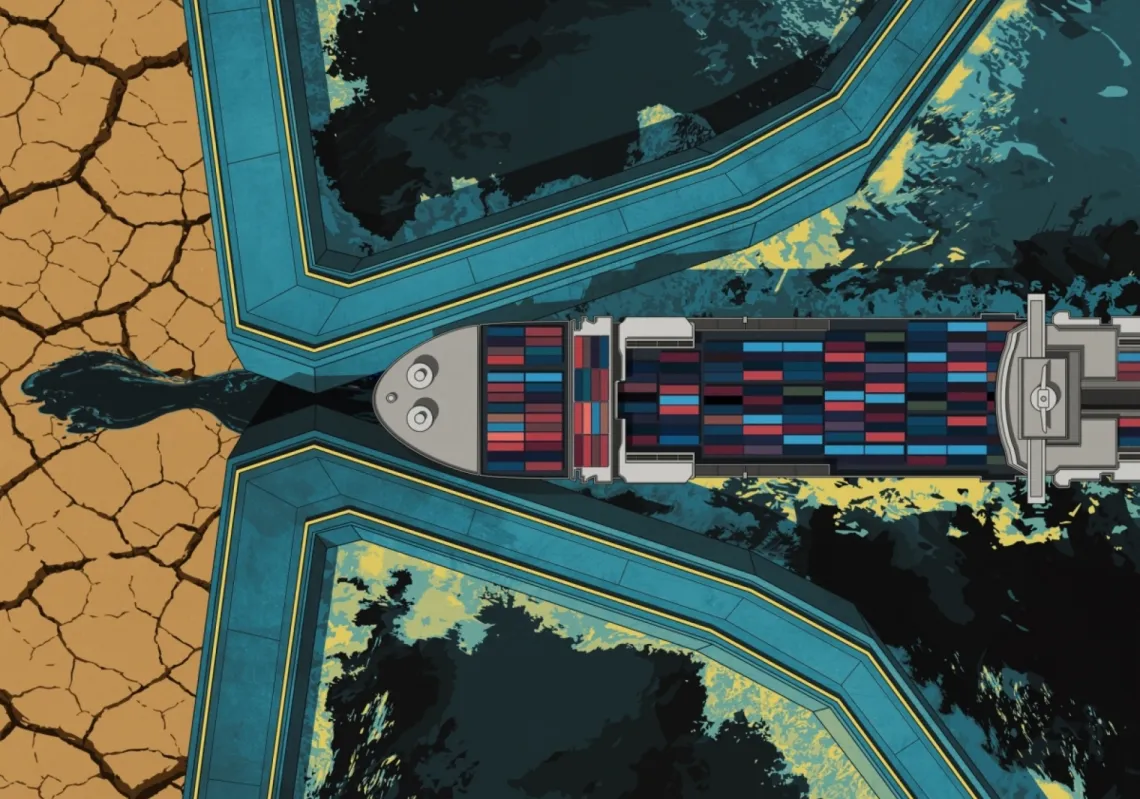
With navigation through the Strait of Hormuz disrupted by overlapping Iranian and US blockades, and energy once again at the centre of the strategic equation, Europe faces a mounting economic shock, marked by rising inflation, tightening supplies, and a steady erosion of the already narrow margins on which recovery depends.
Given its heavy reliance on imported oil and gas, the continent finds itself confronting a fresh economic trial—one that revives urgent questions about energy security and the limits of independent economic decision-making in a world increasingly shaped by turbulence, sharpening blocs, and recurrent shocks.
Prior to the announcement of a two-week ceasefire, Iran imposed a toll on ships passing through the Strait of Hormuz—a move rejected by European governments as commercial maritime piracy and in breach of the United Nations Convention on the Law of the Sea. Earlier this month, French Foreign Minister Jean-Noël Barrot affirmed that maritime navigation in the strait is a shared right that cannot be curtailed by restrictions or levies. To pay the tolls imposed by Iran, European officials and maritime bodies warn, would set a dangerous precedent that threatens the global system of commercial navigation.
And yet, with US-Iran talks set to resume this week, following the failure of an earlier face-to-face meeting in Islamabad, Europe is bracing for further shocks as blockades drive oil above $100 per barrel and reignite inflation fears.
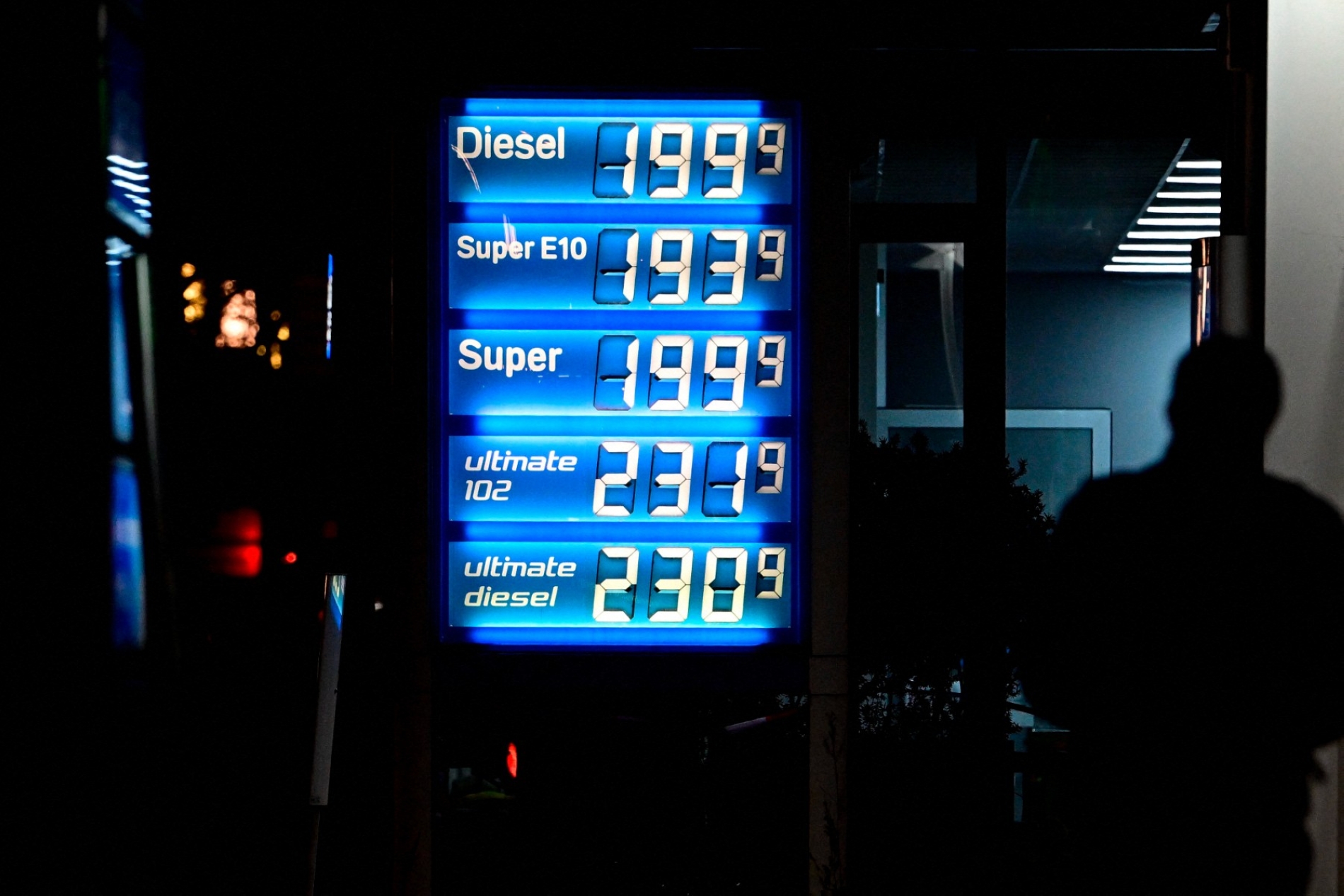
Germany impact
The US-Israeli war on Iran has coincided with a fragile recovery in the German economy. Growth had been expected to reach 1.2% before forecasts were revised down to around 0.6%, reflecting weakened industrial demand. The surge in energy prices threatens that recovery, according to Timo Wollmershäuser, deputy director of the Ifo Centre for Macroeconomics and Surveys. Although expansionary fiscal policy is helping to prevent a deeper slowdown, the consequences are already being felt across Germany’s energy-intensive industries, including the automotive and chemical sectors.
German Chancellor Friedrich Merz has argued that the economic consequences of the conflict could prove comparable to those seen during the Covid-19 pandemic and the early phase of the war in Ukraine. Merz added that energy prices, up by 40 and 70% since 28 February, now exceed what the economy can reasonably absorb.
Rising energy prices affect all of Europe. In response, the European Commissioner for Energy and Housing, Dan Jørgensen, called for the implementation of the International Energy Agency’s recommendations. Those recommendations urged greater use of public transport, car sharing, tighter speed limits, working from home where possible, and cutting non-essential air travel.
“Today we are far better prepared than we were in 2022, thanks to collective political choices, coordinated diversification efforts, and the accelerated deployment of domestic energy,” said Jørgensen, who also called for the rapid introduction of coordinated energy storage measures to help the market adapt and to ease pressure on prices. “Yet our exposure to the volatility of global markets remains evident.”

UK impact
The UK is among the industrialised nations most severely affected by the war’s repercussions, according to the Organisation for Economic Co-operation and Development (OECD). It warns that inflation could rise from 2.5% to 4% as energy prices climb, placing additional strain on consumers and mortgage holders. This is likely to constrain the Bank of England’s ability to cut interest rates from 3.75 to 3.3% by late 2026 to support investment.
On 14 April, the International Monetary Fund (IMF) also said the UK economy would be the G7’s biggest loser, with GDP expected to rise by just 0.8% this year rather than 1.3% as previously forecast. The IMF also warned that unemployment could hit its highest rate in more than a decade and that real incomes would remain under pressure.
The outlook in France is scarcely brighter. Current estimates suggest growth will slow to around 0.9% in 2026, down from the OECD’s earlier forecast of 1% before the conflict. Rising energy prices are placing increasing pressure on household finances, with many consumers feeling insufficiently shielded from the squeeze on purchasing power. The price of a litre of petrol has approached €3 at a number of filling stations across the country.
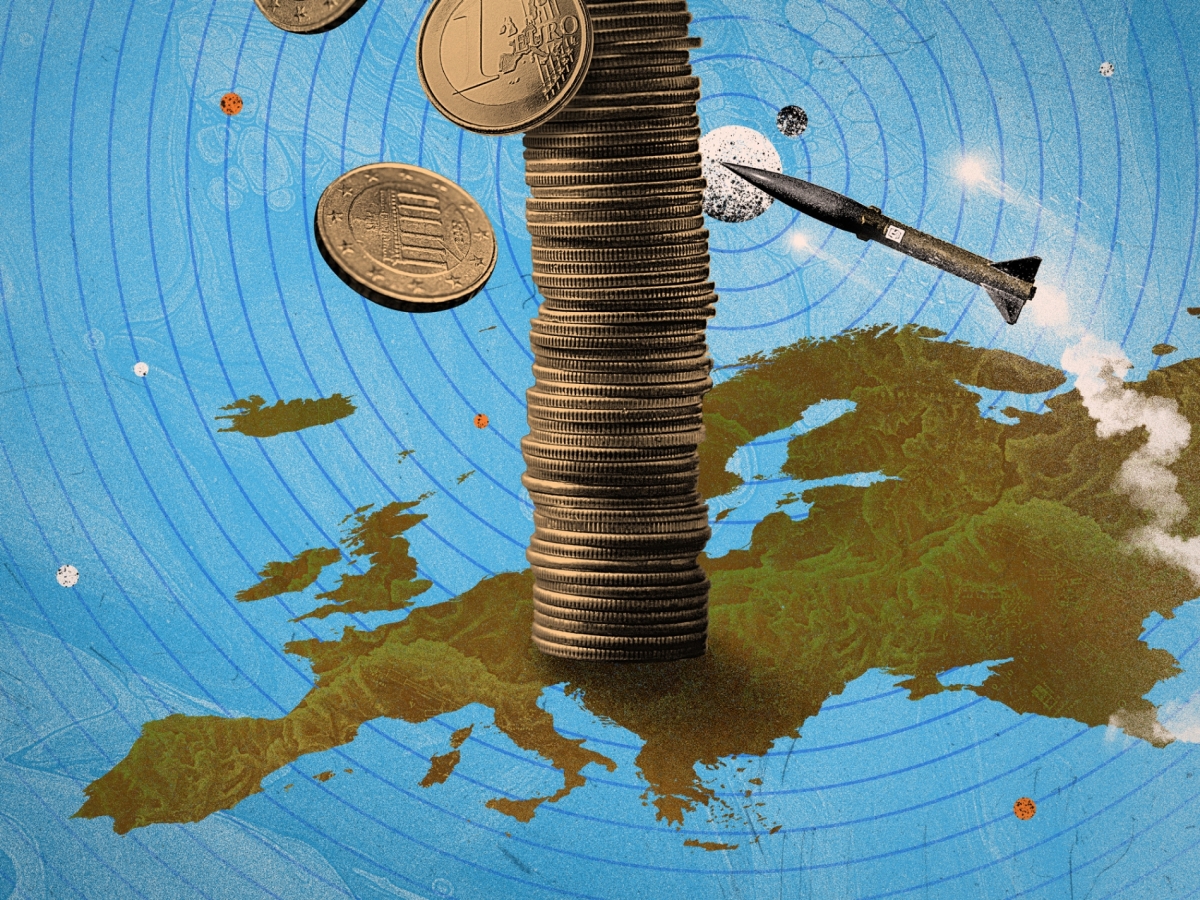
Across Europe, anxiety continues to mount over the prospect of shrinking energy supplies and persistently high prices. According to Eurostat figures, the EU imported oil worth €336.7bn in 2025, equivalent to around 723 million tonnes.