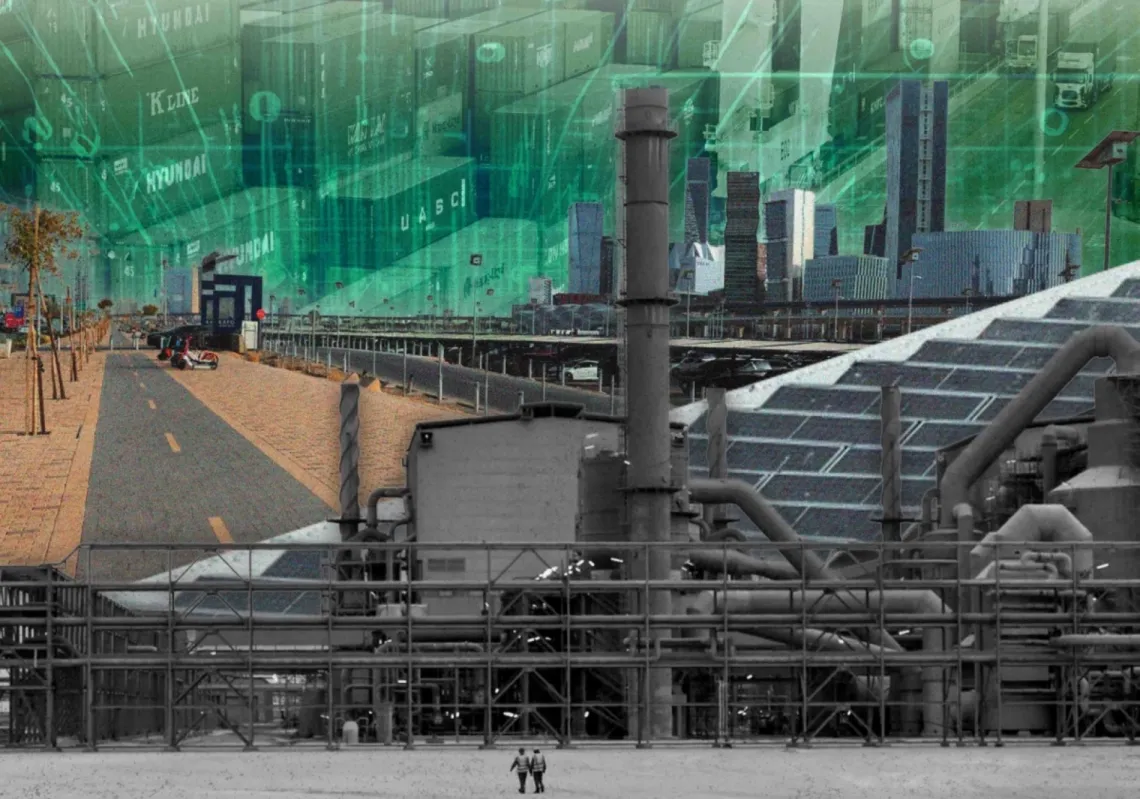

In the second instalment of a two-part series, Al Majalla looks at how Saudi Arabia moved from a horizontal to a vertical development model, powered by an ambitious package of reforms

The first in a two-part series explains how the country capitalised on its black gold decades ago to expand its economy horizontally, a stunning success that paved the way for Vision 2030
Like Saudi Arabia, Gulf states should update their investment laws to help incentivise FDI, which is crucial to developing key sectors in their economies
The PIF has been the primary driver for meeting the needs of Vision 2030, attracting foreign investments, and enhancing local content by increasing the private sector's contribution to its portfolio…
Investing in sports is not only part of Saudi Arabia's overall diversification strategy, but it also helps boost related sectors like hospitality and tourism
Discoveries have increased the Kingdom's reserves of an alternative means of electricity generation, helping it move away from liquid fuel and toward a bigger role in the global market.
Disruption in the Hormuz can have major implications for global trade, but it also creates opportunities for smaller nations like Iran to become global political players
The Iraq war was viewed as disastrous in retrospect, while the Iran war was unpopular from the get-go. Al Majalla highlights the similarities and differences between the two.
Pipelines have a chequered history in the Middle East, but the closure of the Strait of Hormuz has led US Tom Barrack to conclude that a new route through Syria could solve some problems.