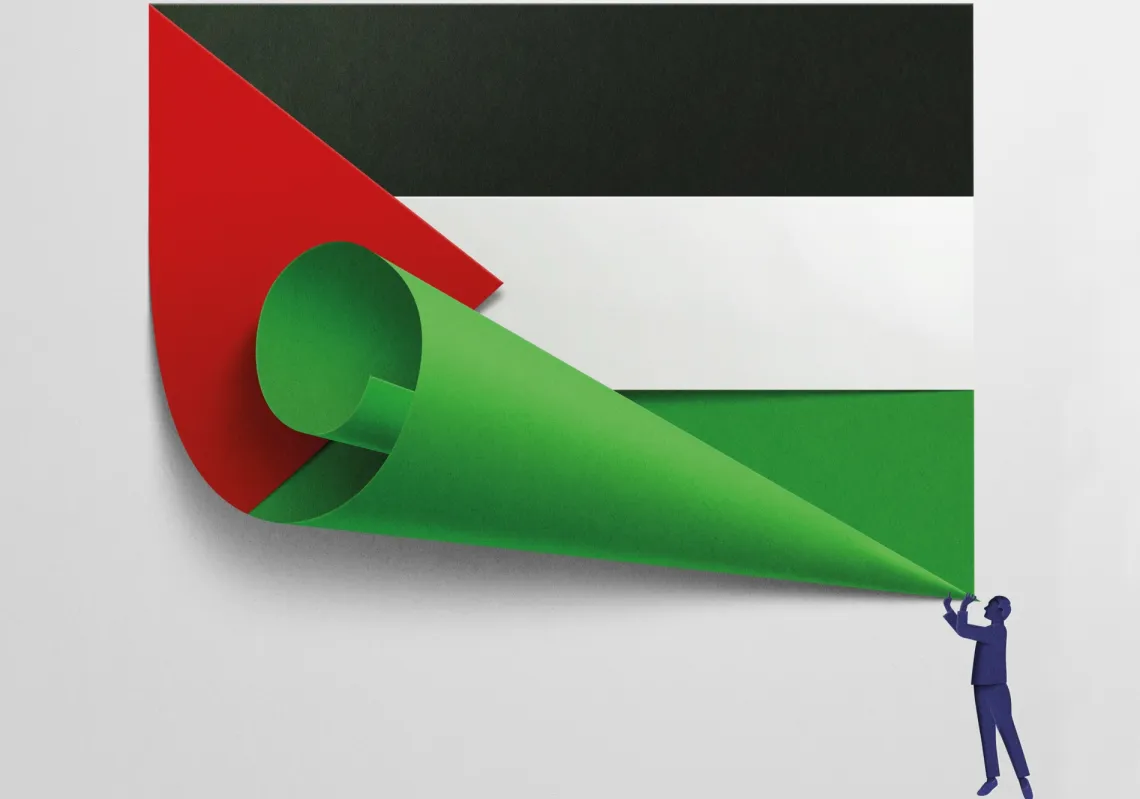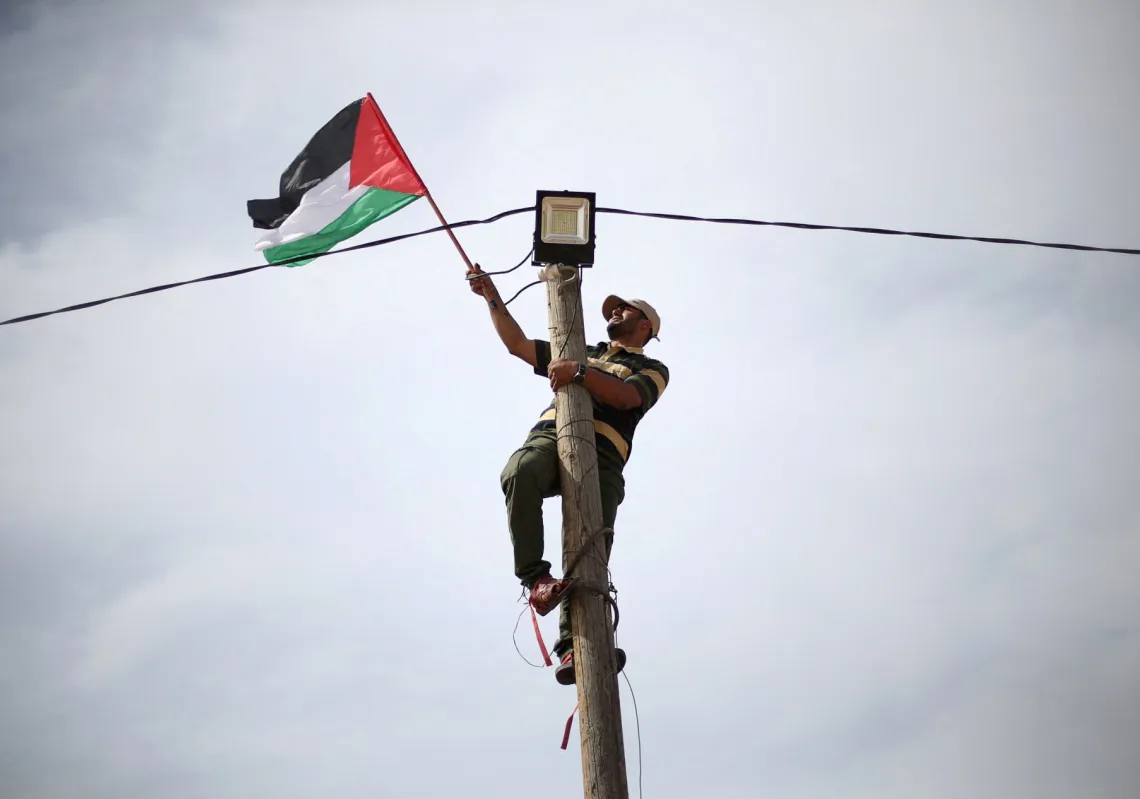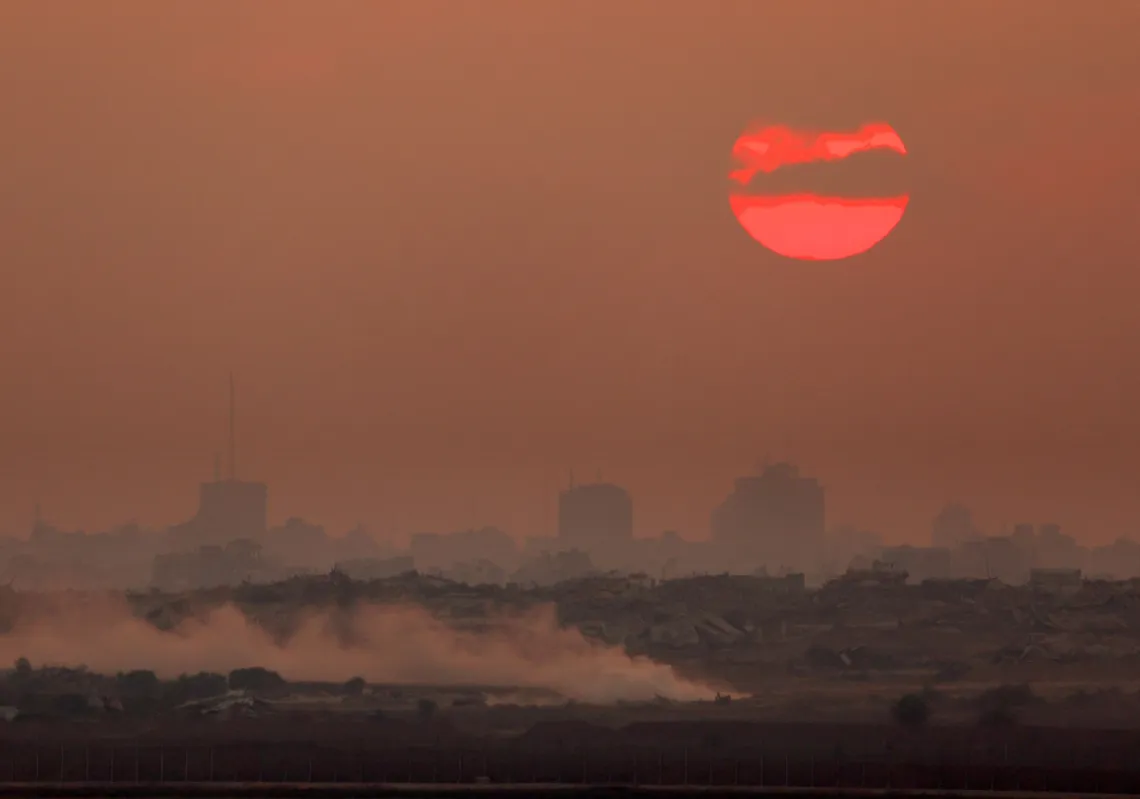
The two-state solution is on life support. Israel's genocide in Gaza and its relentless building of settlements in the West Bank are actively destroying the viability of a Palestinian state.
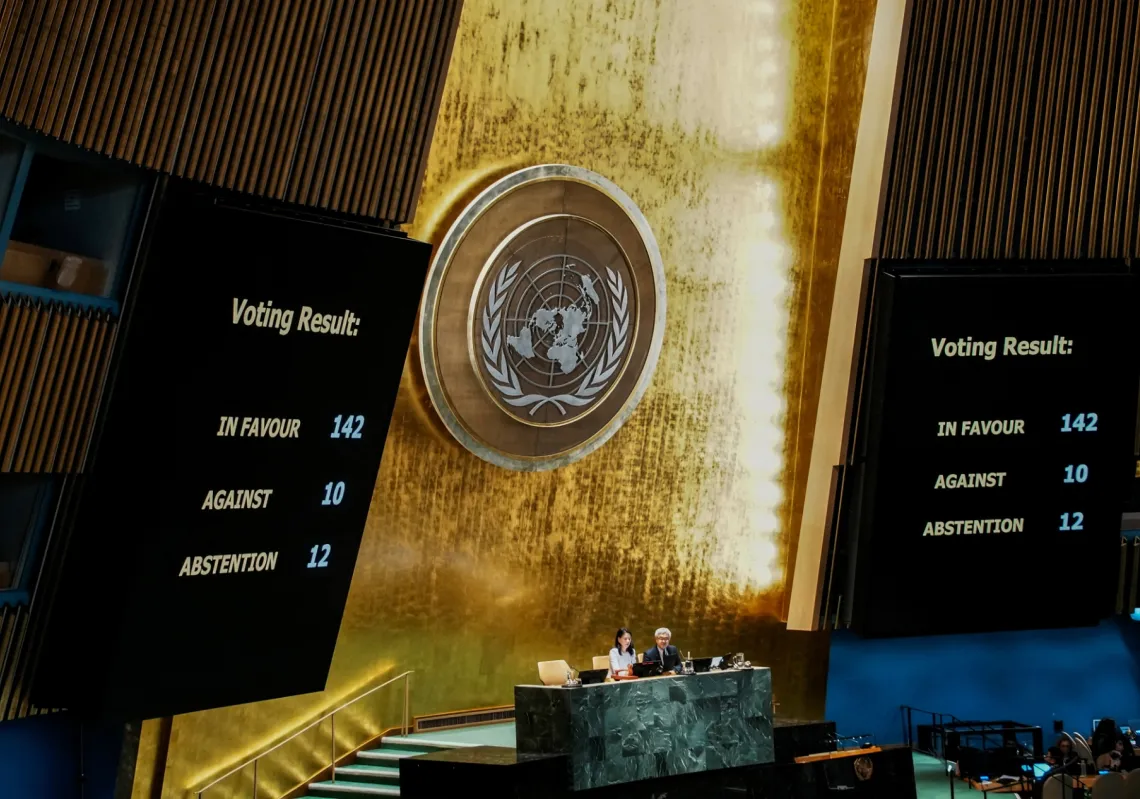
Palestinians do not have the luxury of time. The prospect of their state is vanishing before their very eyes. What will next week's UN General Assembly bring?
Will recognition from France, the UK, Canada and Australia matter? Or will Israel simply go on defying the vast majority of UN member states? September will tell us.
An international conference in New York this week generated momentum towards diplomatic recognition, but what precisely would be recognised? The West Bank is splintered and Gaza is under rubble.
In 1947, the world's nations came together to propose the partition of Palestine into separate Arab and Jewish states. One happened, the other did not. When they meet, will they right that wrong?
Israel's UNRWA ban further cements its disregard for the world governing body and its resolutions. Like apartheid South Africa, Israel should be suspended from the General Assembly.
British Prime Minister Liz Truss will pledge at a UN summit to meet or exceed the 2.3 billion pounds ($2.6 billion) of military aid spent on Ukraine in 2022 in the next year, doubling down on her…
The United States has less reason to worry about its sovereignty than any other country in the world. No other country enjoys as much freedom from external interference—military, economic, or…
When U.S. President Donald Trump spoke to the United Nations General Assembly yesterday, he deliberately signaled a definitive break with the internationalist consensus that has guided U.S. grand…
Disruption in the Hormuz can have major implications for global trade, but it also creates opportunities for smaller nations like Iran to become global political players
The Iraq war was viewed as disastrous in retrospect, while the Iran war was unpopular from the get-go. Al Majalla highlights the similarities and differences between the two.
Pipelines have a chequered history in the Middle East, but the closure of the Strait of Hormuz has led US Tom Barrack to conclude that a new route through Syria could solve some problems.