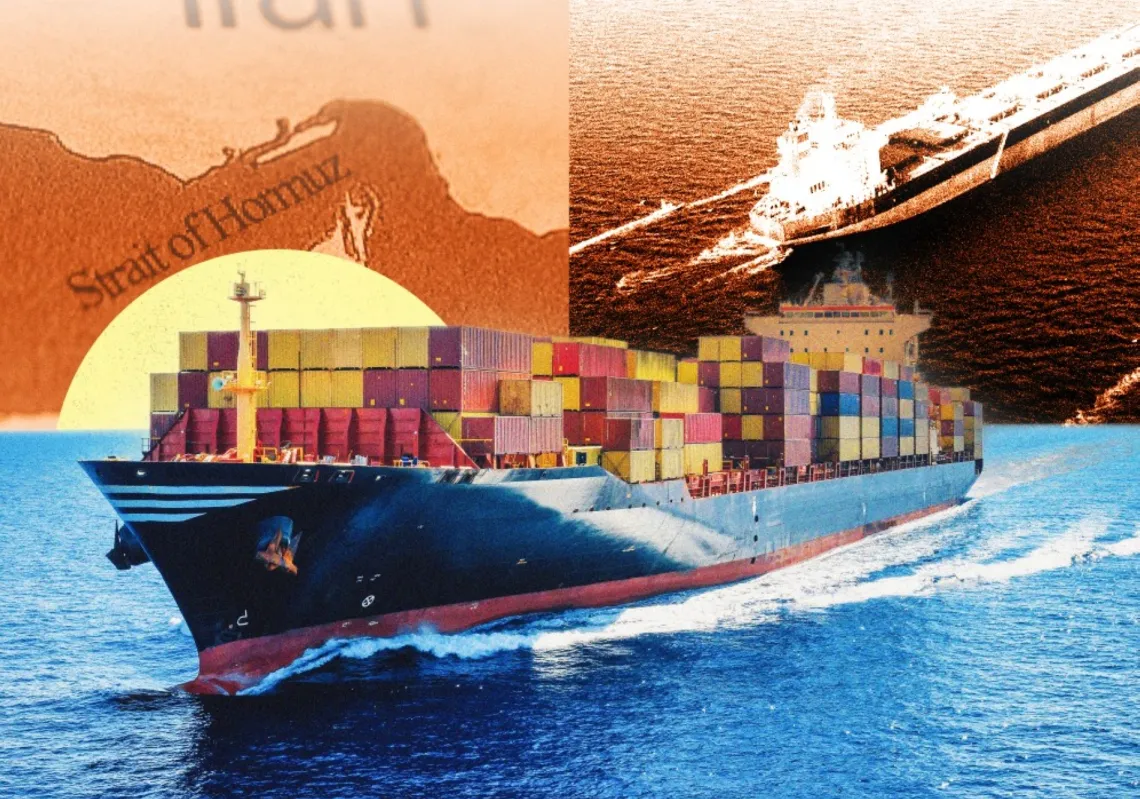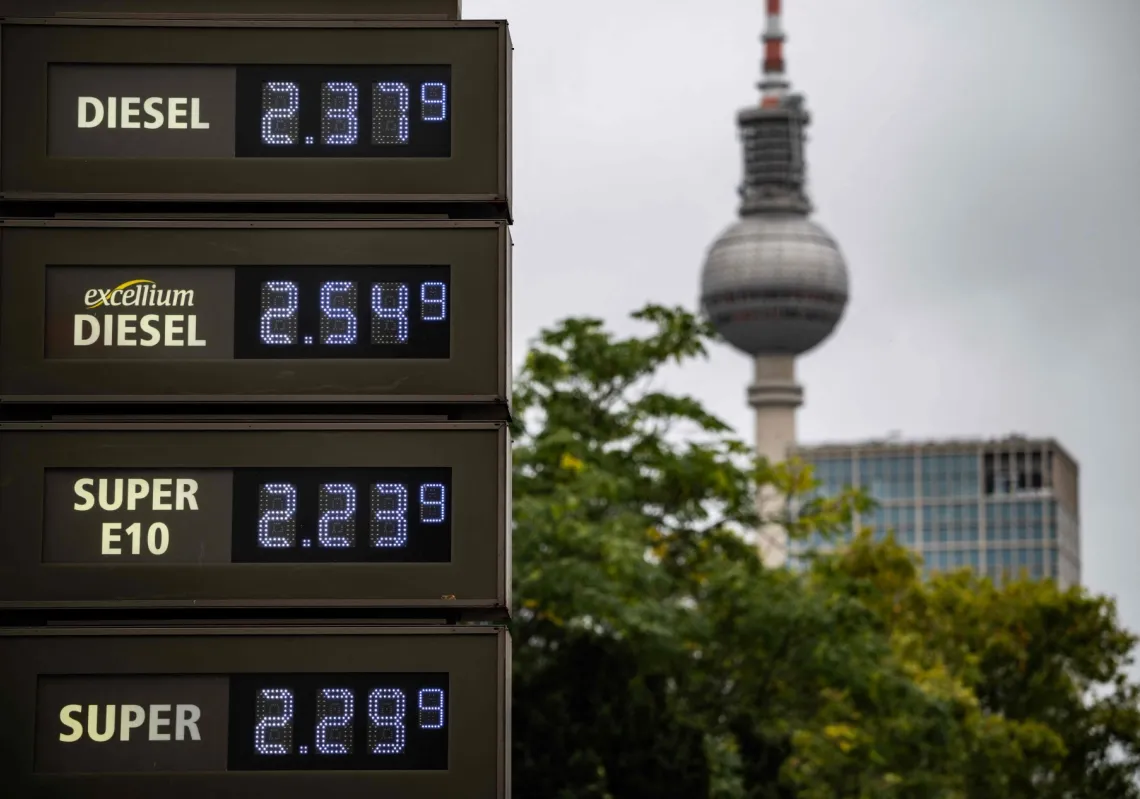
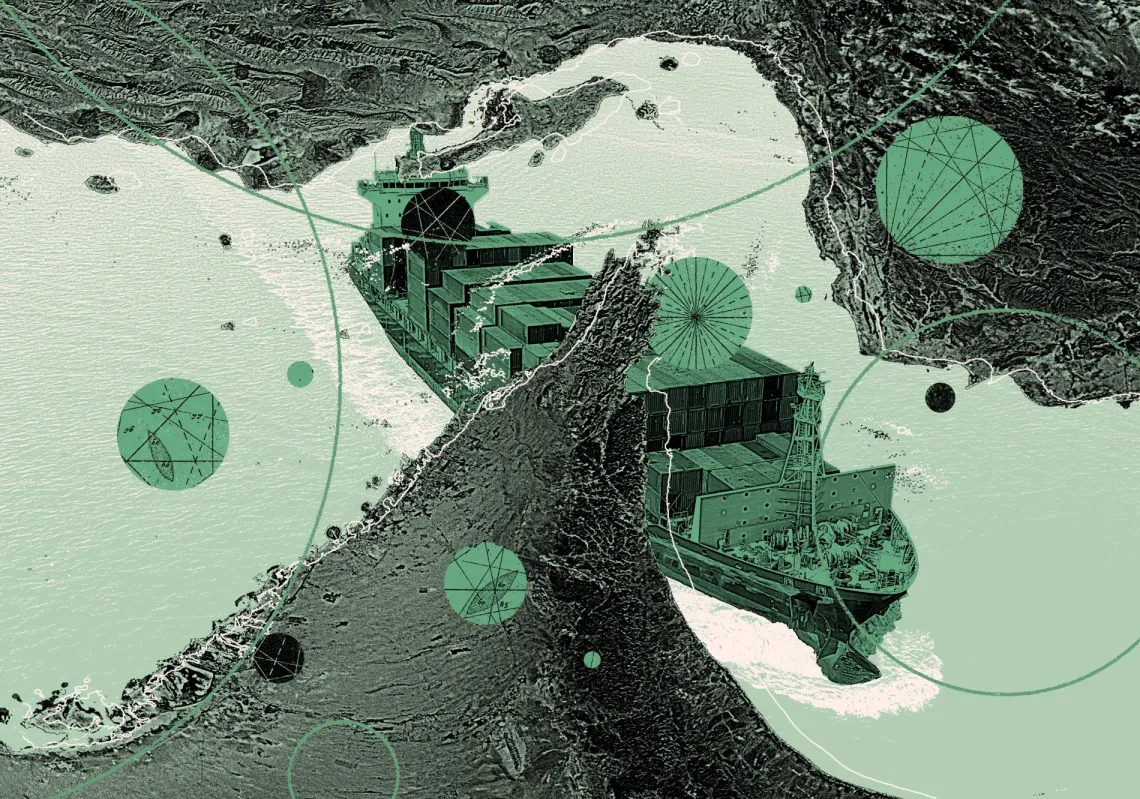
With Iran's effective closure of the Strait of Hormuz, alternatives for Gulf energy transit are being sought. Could the Saudi landmass straddling two seas be bridged for the benefit of all?
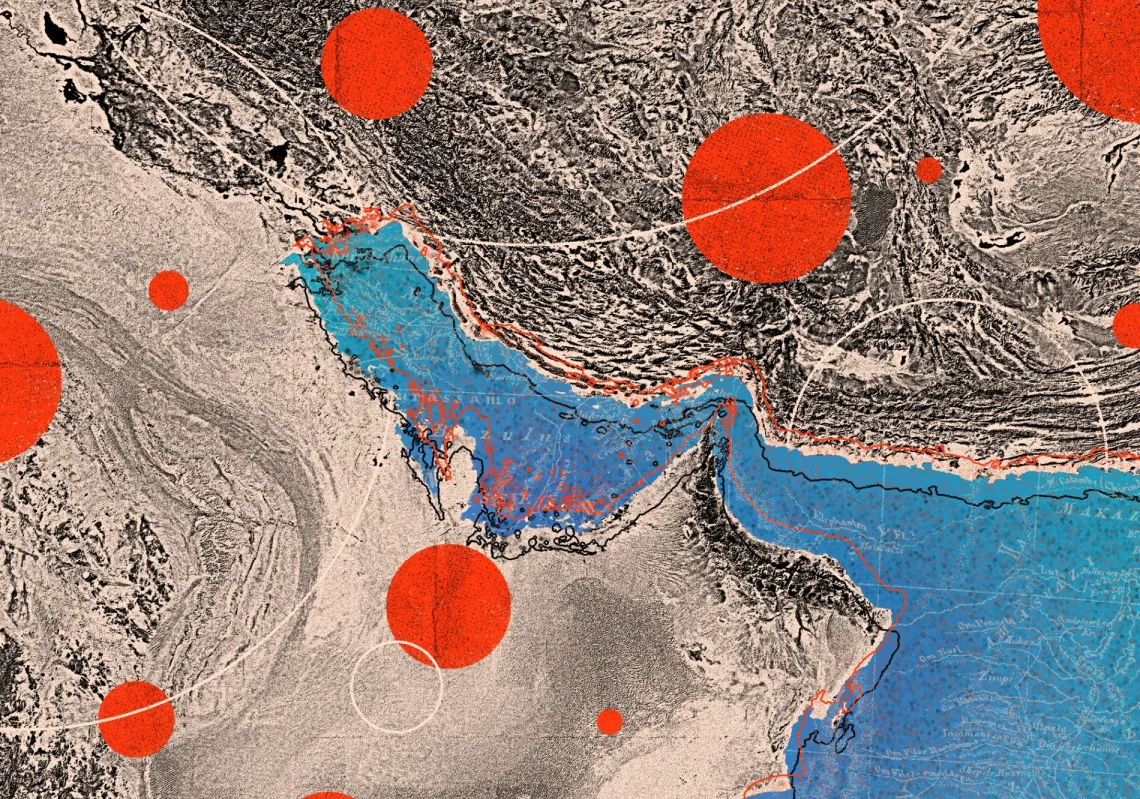
As a route for Gulf energy exports, nothing can fully replace the Strait of Hormuz, which remains closed by Iran, but a Saudi port city on the Red Sea could hold some of the answers.
A two-week truce has sparked a cautious market rebound, but deep anxiety persists over renewed escalation and its impact on global growth and inflation
Disruptions to Gulf energy and shipping routes are tightening supplies of chemical fertilisers, raising costs from Europe to South Asia and heightening fears of a widening global food crisis
From military spending to energy markets, the US-Israeli war on Iran is driving rising costs, with the Strait of Hormuz emerging as a central pressure point
As US strikes dismantle Iran's regime and Venezuela's leadership, Beijing confronts energy strangulation, chokepoint vulnerability, regime decapitation, and the shattering of Xi's multipolar ambitions
While all the effects of this conflict may take time to fully realise, short and medium-term signs expose the limits of US power and see America's rivals benefiting
Closing the Strait of Hormuz has shown how the Gulf should shift from an oil-export model to a digital and distribution hub. Will this trigger the long-delayed free trade agreement with China?
Building on the ten-day ceasefire announced by US President Donald Trump, time will tell if these talks are a one-off or the beginning of a different path for Lebanon.
Egyptian heritage researcher Haytham Abu Zayd sheds light on how the art form grew, excelled, and then declined over the years and ends by offering a path to revival