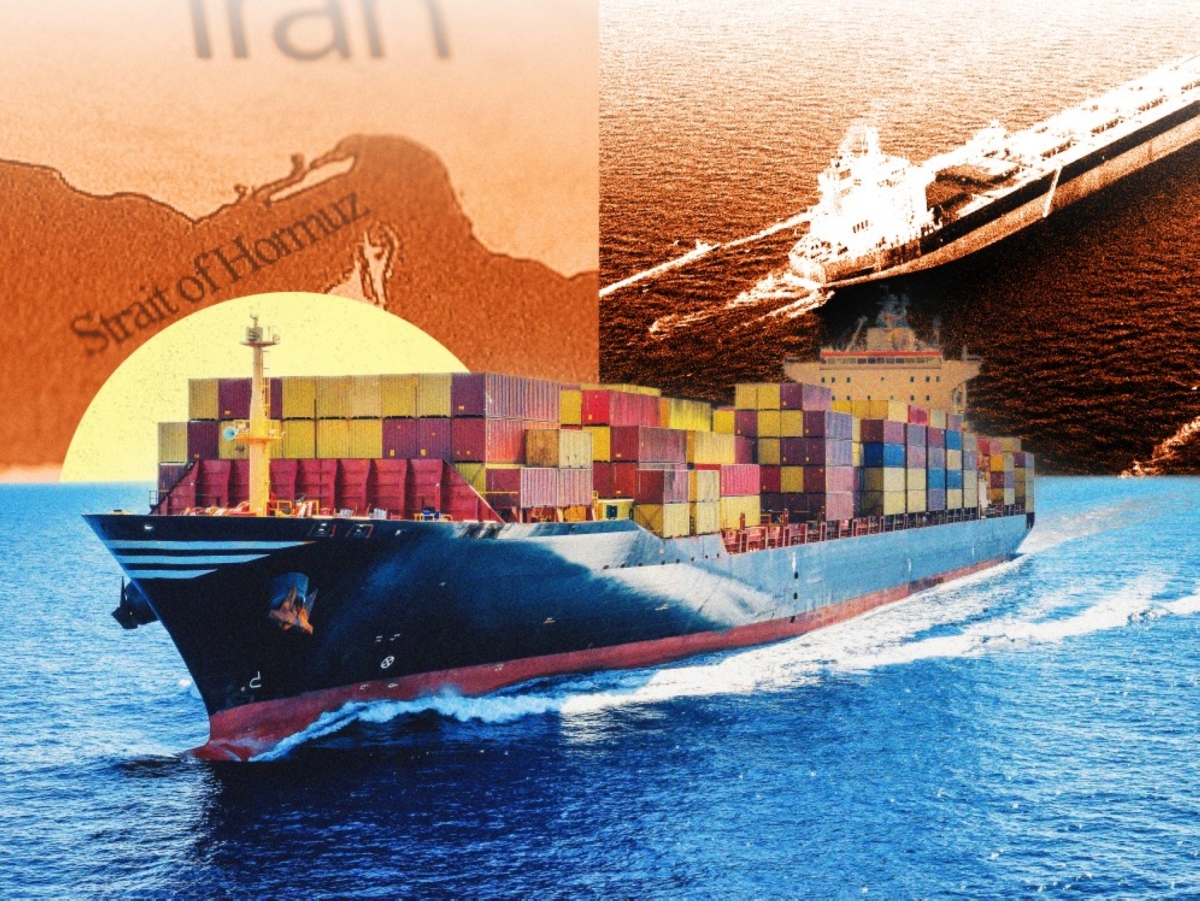

Maritime security in the Red Sea, Bab el-Mandab Strait, and the Strait of Hormuz is often treated as a regional problem whose principal stakeholders are the Gulf states and other countries bordering these waterways. Yet these routes are global economic arteries, so protecting them is a matter of national security for European, Asian, and other states. It is not simply a security matter for the Gulf.
The response is fragmented. There are capable military missions, regional information-sharing mechanisms, national sanctions, and international legal frameworks, but no standing political coalition that joins them into a common strategy. Iran benefits from this fragmentation and from the absence of international political alignment regarding its threatening behaviour. Many now believe that the creation of a global coalition for maritime security and network disruption would make a serious statement, forming an international political alliance to safeguard shipping and the global economy.
The inclusion of networks in the response is necessary. Iran projects power through formal state institutions, the Islamic Revolutionary Guard Corps (IRGC), aligned armed groups, financiers, shipping facilitators, commercial intermediaries, and procurement agents operating across jurisdictions.
A sustainable strategy must therefore protect ships while addressing the behaviour and networks behind the attacks. It must combine military defence with financial intelligence, customs cooperation, export controls, law enforcement, port security, cyber protection, capacity building, and diplomacy. A global coalition would supply the political and organisational framework for doing so.
Today’s situation
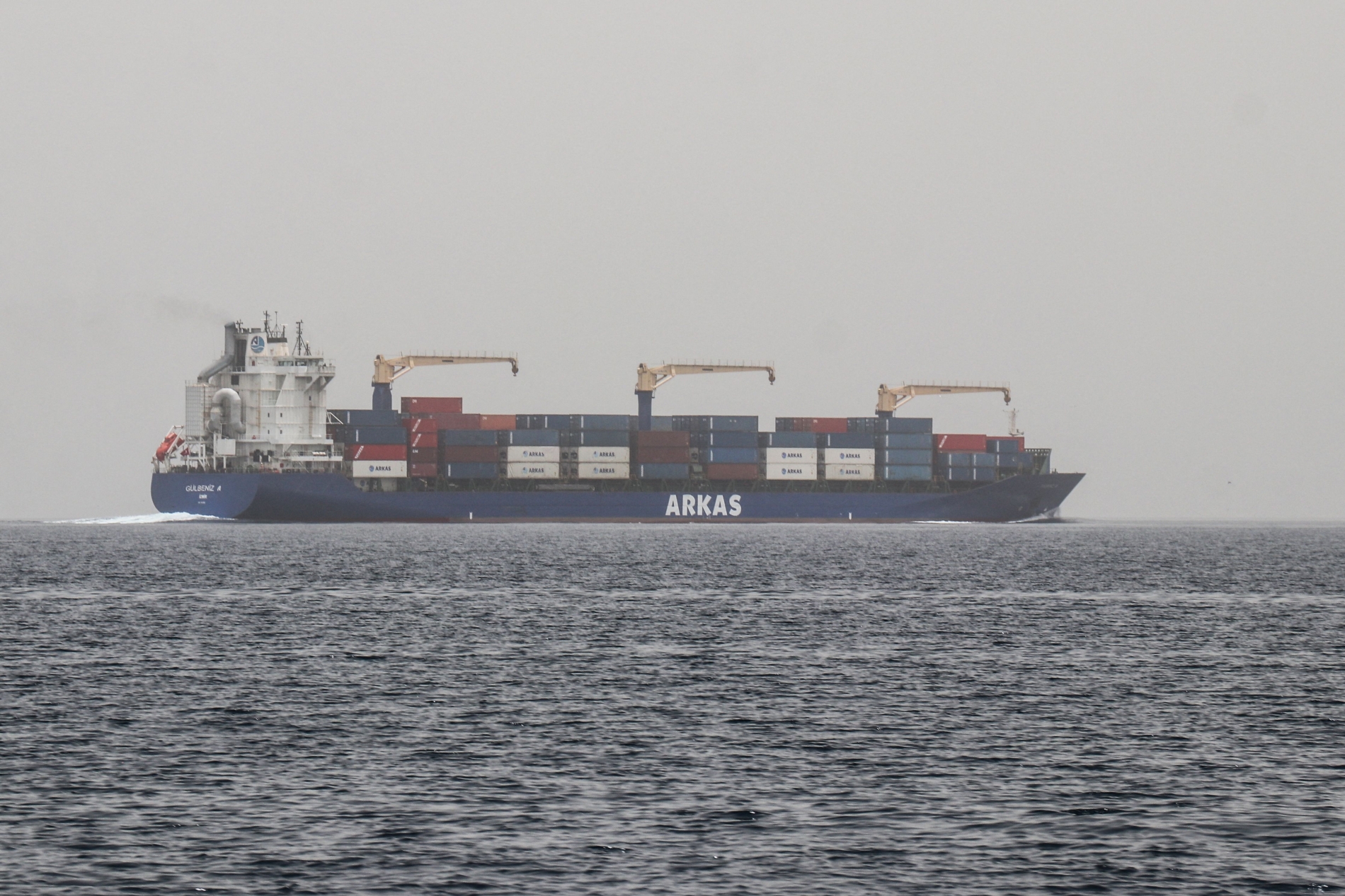
Maritime transport carries more than 80% of world trade by volume. When Houthi attacks in the Red Sea prompted shipping companies to reroute around the Cape of Good Hope, the consequences included longer journeys, higher freight and insurance costs, congestion, disrupted supply chains, and pressure on consumer prices. The Strait of Hormuz is equally consequential: in the first half of 2025, oil flows through it were equivalent to roughly 20% of global petroleum liquids consumption, and more than 20% of global liquefied natural gas (LNG) trade.
Disruption of those transit routes affects energy security, industrial production, food supplies, inflation, shipping, insurance, and supply chain resilience. It can impose substantial costs on distant countries without a conventional attack on their territory. Maritime coercion is thus Iran’s way of exerting global pressure through control of regional geography.
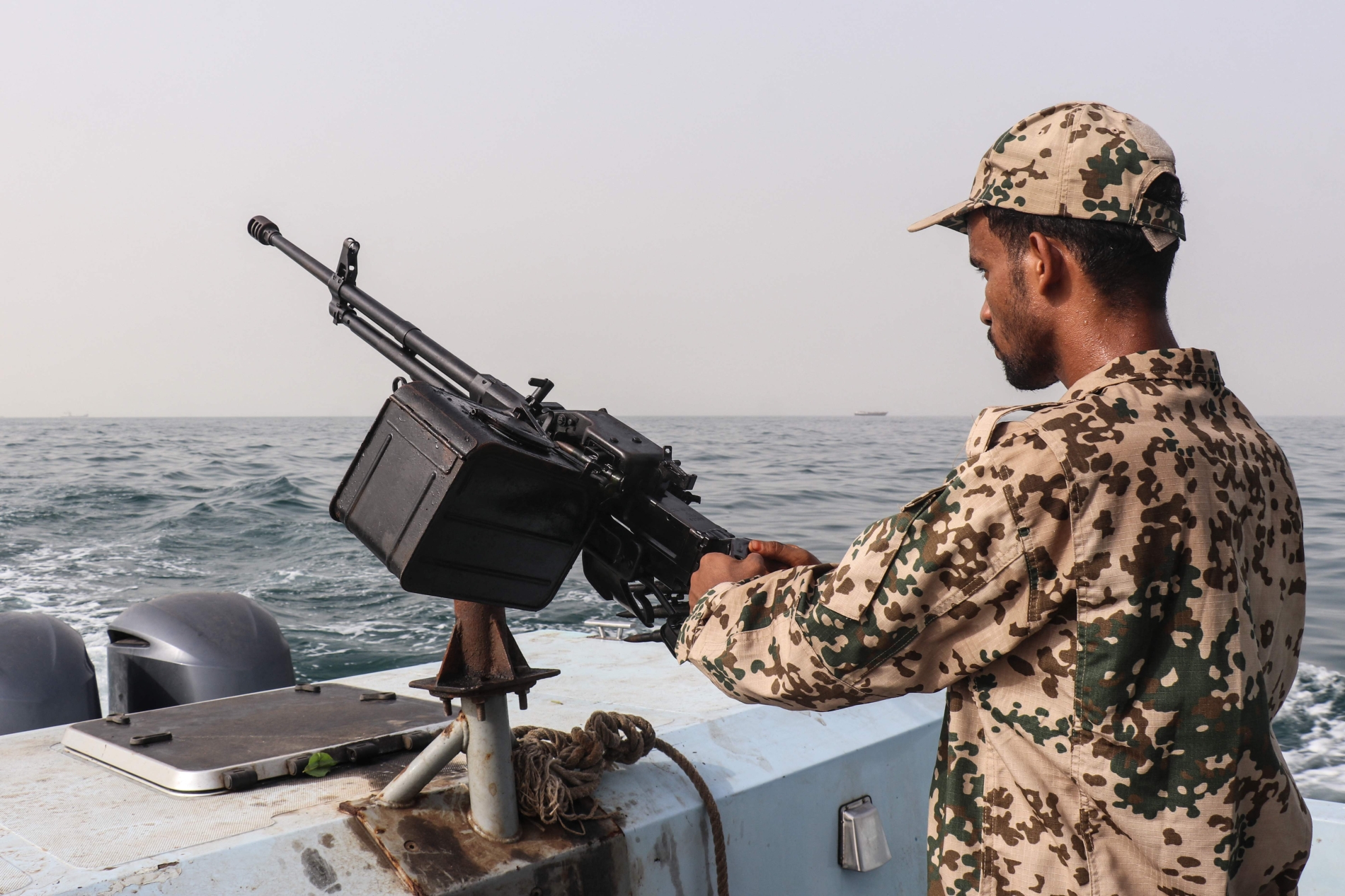
The networked infrastructure sustaining its maritime threats involves the IRGC and other armed actors in addition to Iranian commodities, companies in several countries, vessel owners, managers and captains whose revenues supported attacks on commercial shipping.
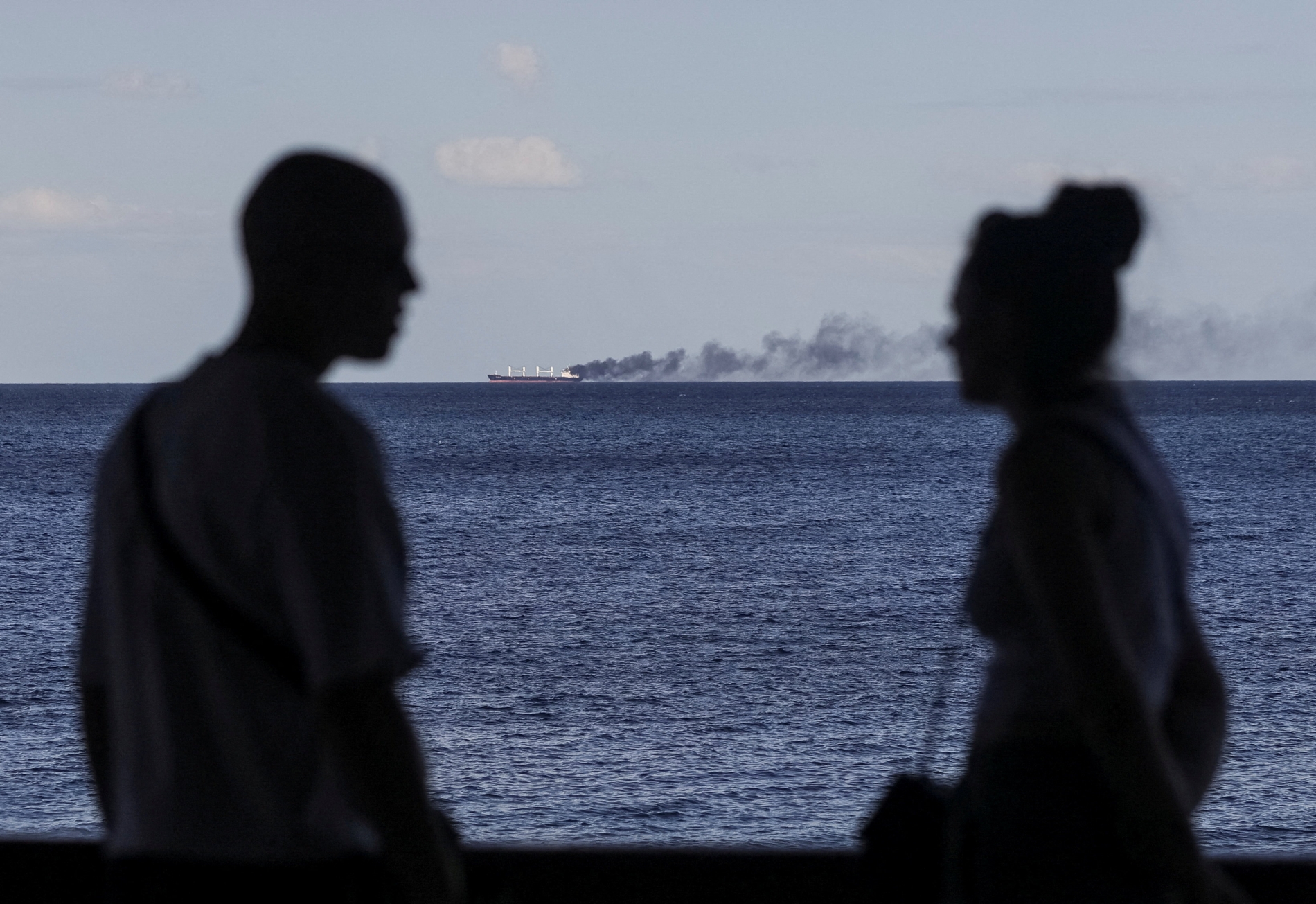
Operationally, the response has been primarily military. These operations are necessary, but they principally address the manifestation of the threat at sea. A warship can intercept a drone, escort a merchant vessel, or deter a seizure, but it cannot dismantle the financial, commercial, logistical, and procurement systems that enable Iran’s attacks to continue.
Four security pillars
The existing maritime security architecture has four principal components. First, naval partnerships provide presence, surveillance, escort, and defensive action. Combined Maritime Forces (CMF) is the broadest standing arrangement. Its task force structure divides responsibility geographically and functionally. Some task forces are assigned to areas, such as the Red Sea, Gulf of Oman, or Arabian Sea. Others have specific responsibilities, such as training. It is multinational and flexible but remains fundamentally a naval mechanism rather than an integrated political, financial and law enforcement coalition.
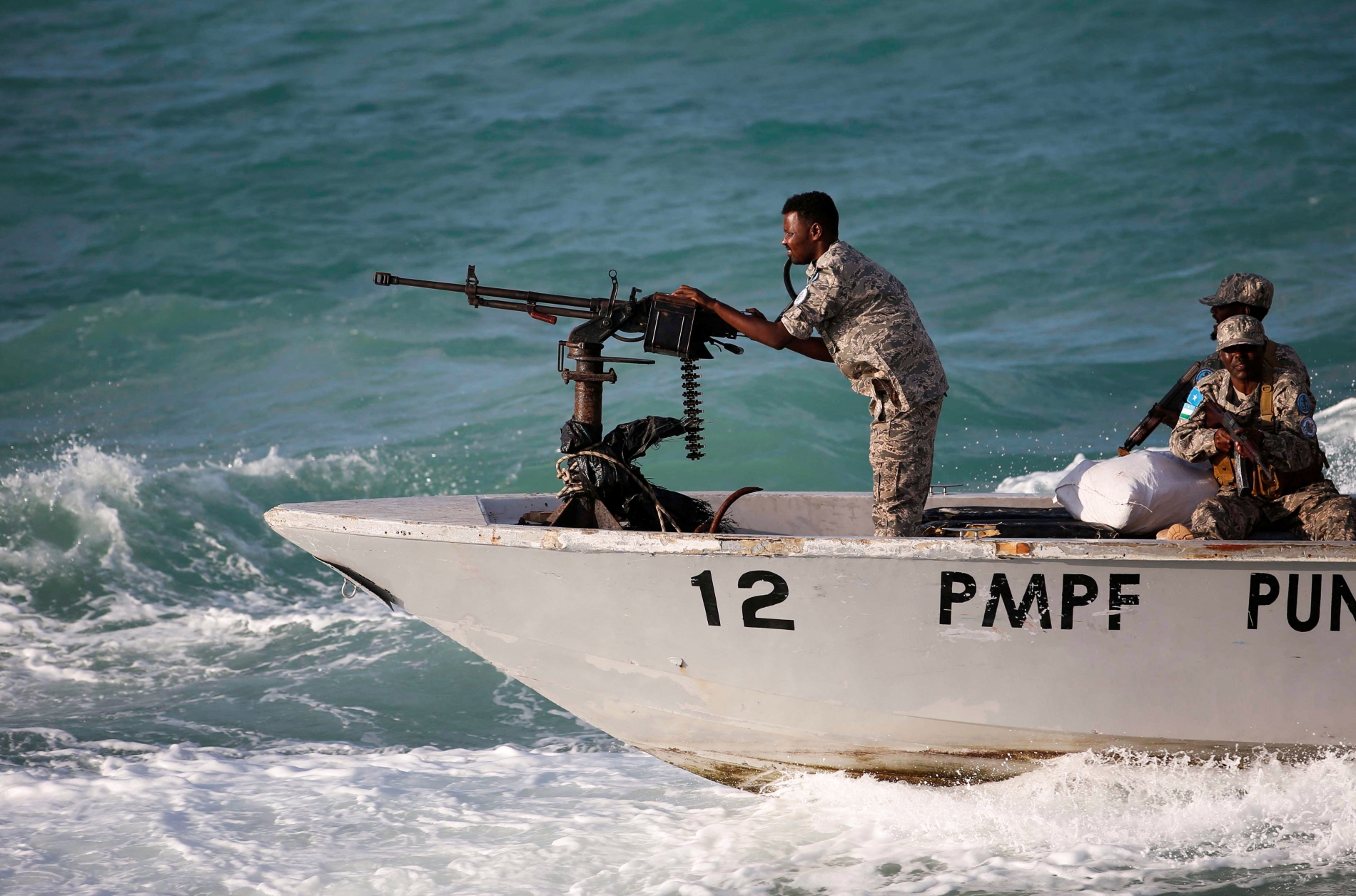
Europe’s ASPIDES offers another important model. European states contribute collectively under a strictly defensive mandate without joining an offensive campaign against a particular state. It provides geographical continuity between the two chokepoints, but it is an EU military operation, not a global mechanism for disrupting the networks behind maritime insecurity.
The second pillar is international law and diplomacy, which provide normative authority. UN Security Council resolutions have condemned attacks on commercial vessels, affirmed navigational rights, and recognised states’ right to defend vessels in accordance with international law. The International Maritime Organisation documents incidents, supports maritime safety, and provides a forum for cooperation. These mechanisms establish rules and legitimacy, but do not coordinate implementation across defence, finance, intelligence, and law enforcement.