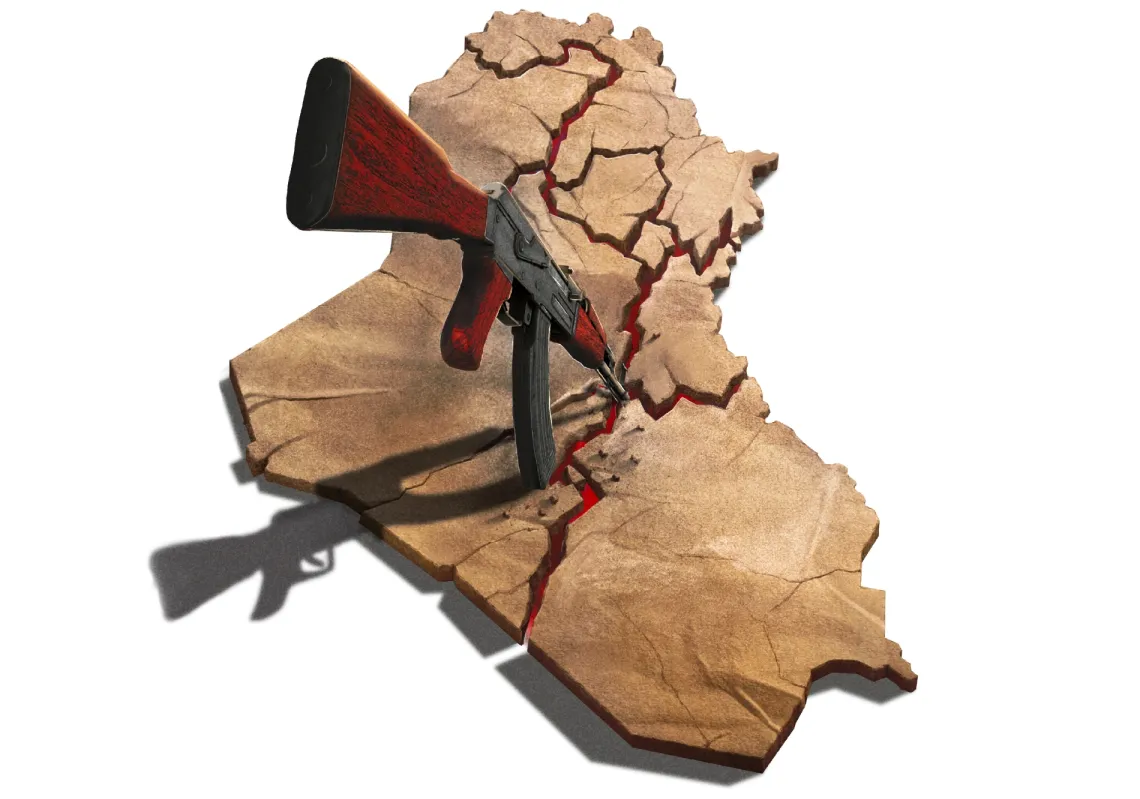
Hormuz is open, but obstacles to trade still linger

Even if diplomatic progress continues, the Strait could be closed again. As a result, the geopolitical risk premium attached to Gulf energy exports is unlikely to disappear entirely.

Hormuz is open, but obstacles to trade still linger

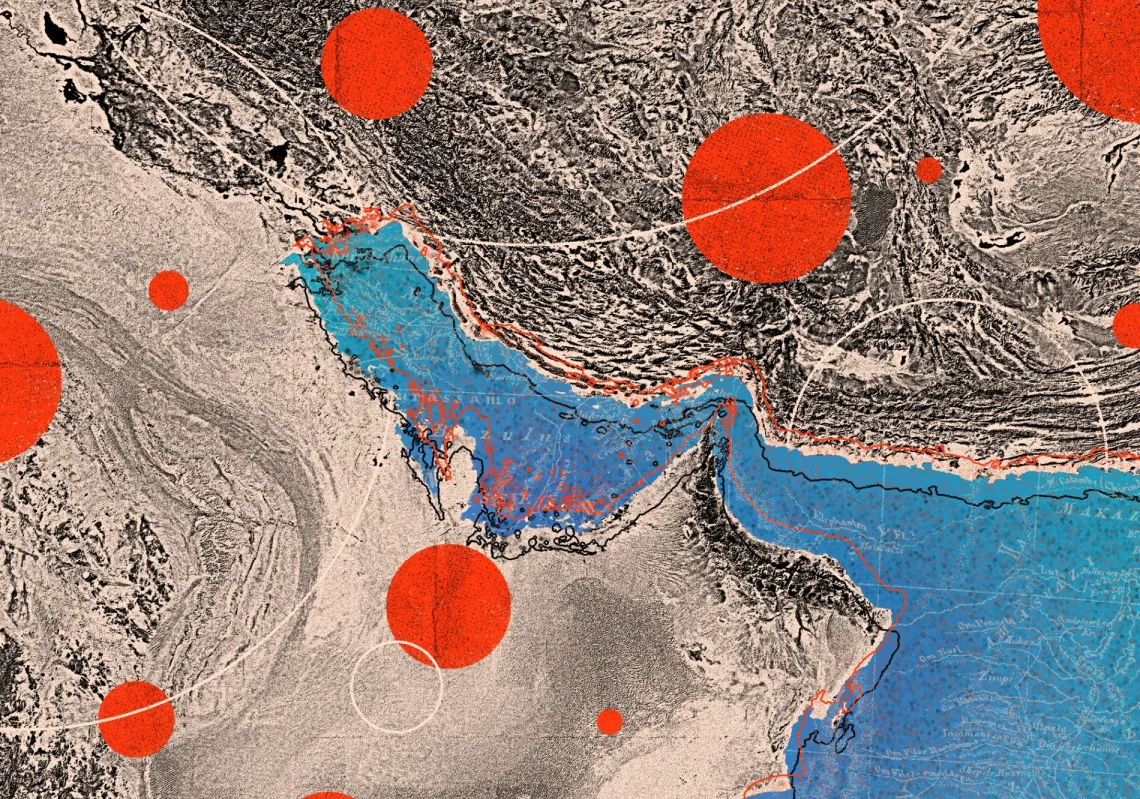
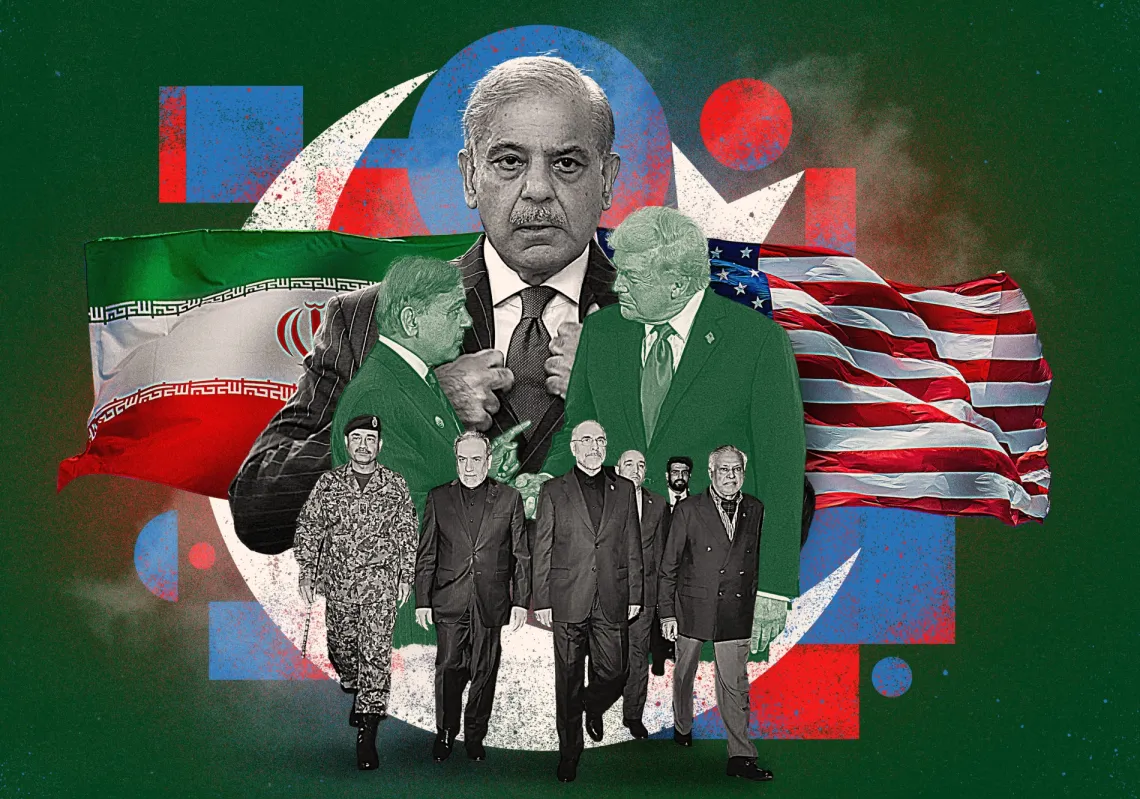
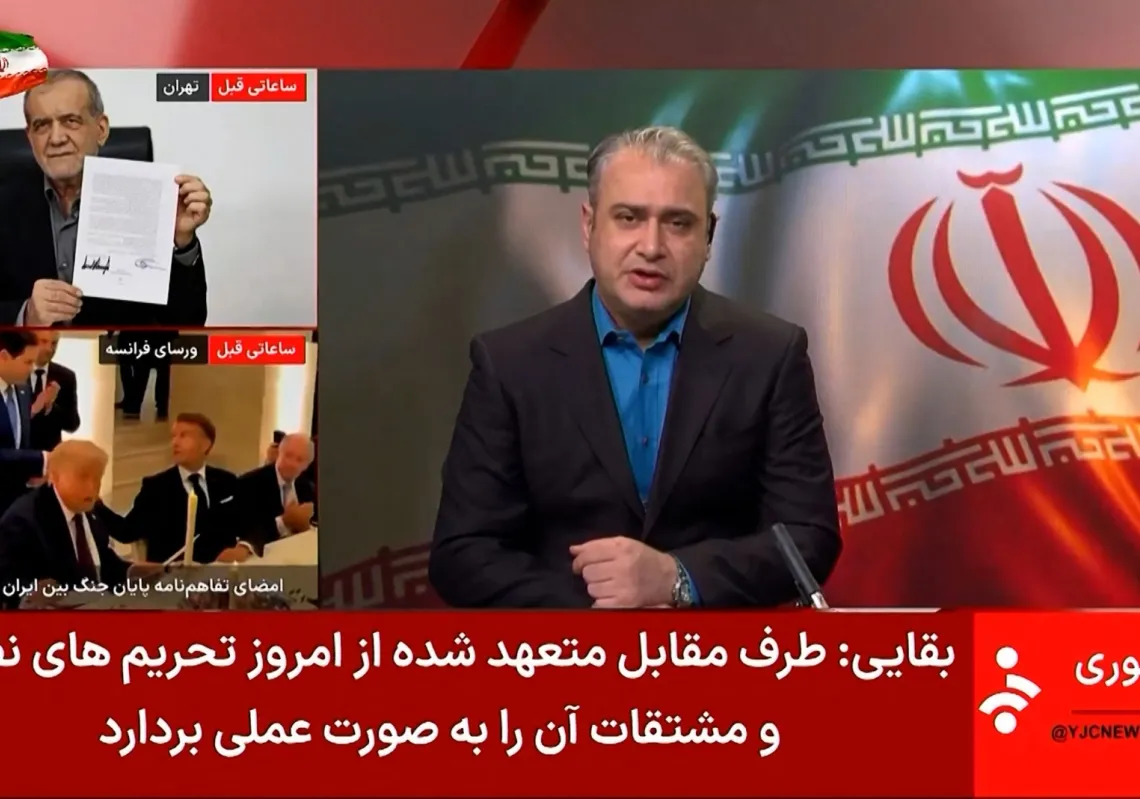
The memorandum of understanding (MoU) signed by the United States and Iran on 17 June has delivered the outcome that energy markets were most urgently seeking—the reopening of the Strait of Hormuz.

The agreement establishes a 60-day ceasefire and a framework for renewed negotiations over Iran’s nuclear programme. More importantly for global markets, it restores access to one of the world’s most critical energy corridors. The United States has lifted its blockade of Iranian ports, while Tehran has permitted commercial shipping to resume transit through the Strait of Hormuz.

Pre-conflict, roughly 20 million barrels of oil and petroleum products moved through the Strait each day, alongside around one-fifth of global LNG trade. The restoration of shipping traffic under the MoU has reduced concerns over physical supply shortages and eased fears of prolonged disruption to global energy flows. Oil prices have retreated towards $80 per barrel as traders reassess risk and factor in the return of Gulf exports to international markets.

However, the significance of the memorandum extends beyond the short-term easing of market pressures; the crisis has irremovably changed perceptions of energy security, maritime risk, and the resilience of global supply chains.

The closure of Hormuz demonstrated that one of the world’s most important energy routes can be disrupted for a prolonged period and at considerable economic cost. While the immediate crisis appears to have passed, it has established a precedent that will shape market behaviour. Future negotiations between Washington and Tehran will unfold against the backdrop of a proven Iranian capacity to exert pressure on global energy markets through maritime disruption.
REUTERS
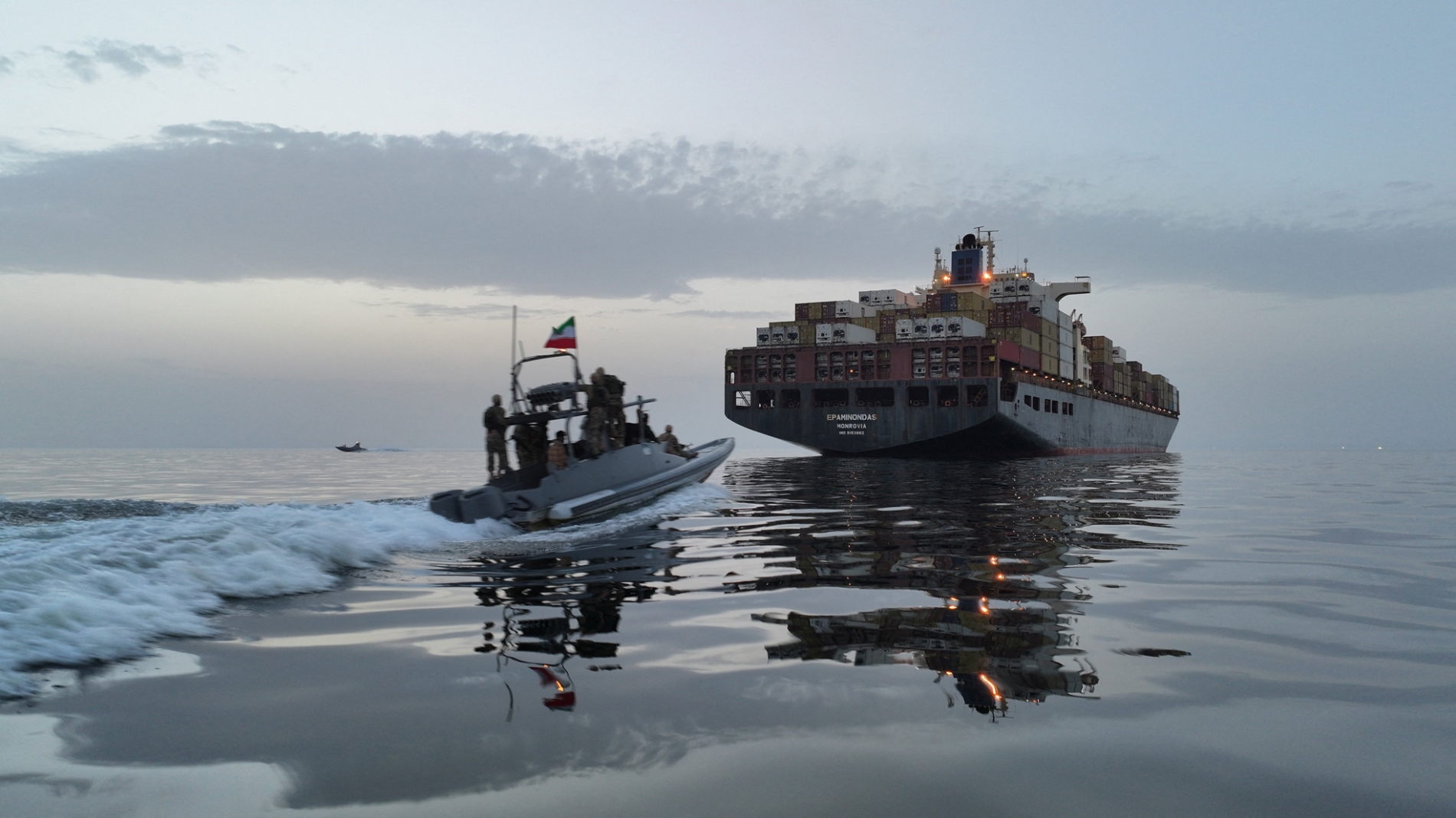
Iran's Revolutionary Guard Corps detains a ship in the Strait of Hormuz.

Authoritative control

Even now, Iran is seeking to pressure energy participants. It announced on 19 June that ships must seek permission from its Gulf Strait Authority, established during the conflict, to transit the waterway and obtain a mandatory insurance policy from Tehran. While the MoU specifies that passage must be free, this only applies to the agreement’s 60-day term, setting the stage for possible paid transits in future.

Markets must now account for the possibility that the Strait of Hormuz could be closed again. As a result, the geopolitical risk premium attached to Gulf energy exports is unlikely to disappear entirely, even if diplomatic progress continues. Insurers, shipping companies, traders and importers have all been reminded that access to energy supplies depends not only on production but also on the security of the routes that connect producers to consumers.

The fallout from the US-Iran war has demonstrated that resilience now takes precedence over commercial efficiency in shaping energy investment decisions.

The implications are particularly important for LNG markets. Unlike crude oil, which can be redirected or supported by strategic reserves, LNG supply chains depend on uninterrupted shipping. Qatar remains one of the world's largest LNG exporters and a central pillar of energy security for Europe and Asia.  

Pre-crisis (2025), it supplied approximately 8% of Europe's LNG and, combined with the UAE, accounted for more than 25% of Asia's total LNG imports. Approximately 93% of Qatar's LNG transits through the Strait, and with no alternative supply routes available, its closure wreaked havoc on Doha's energy industry. The crisis exposed the vulnerability of these supply chains to disruptions in maritime traffic and reinforced the importance of both maintaining open sea lanes and building resilience into supply infrastructure and export routes.

Amirhosein Khorgooi/ Reuters
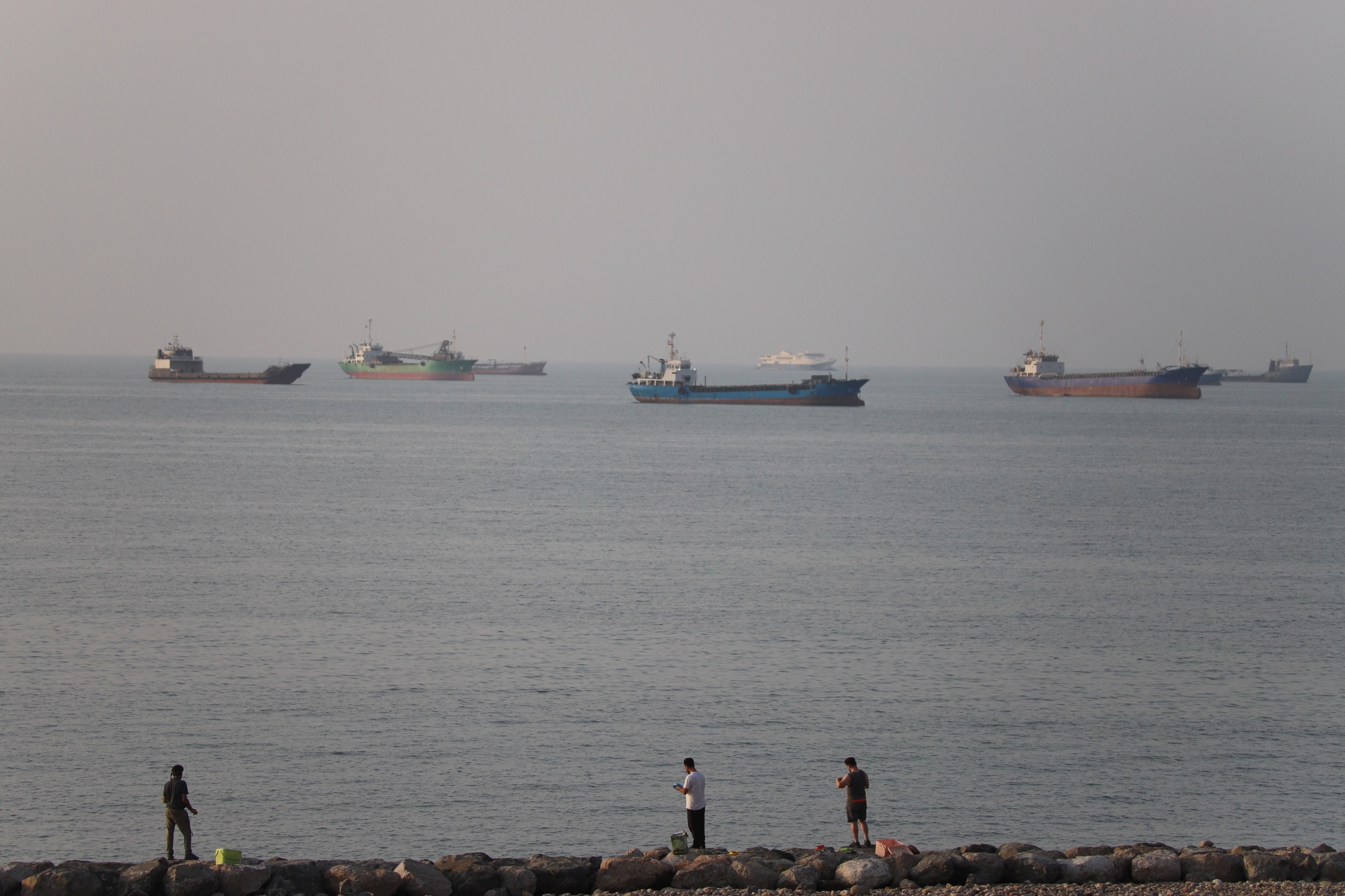
Vessels in the Strait of Hormuz near the beach of Bandar Abbas, Iran, on 21 June 2026.

Diversifying trade routes

Gulf Arab producers have long sought to diversify export routes and reduce reliance on single points of failure, though the commercial case for doing so was never very strong. Nevertheless, the fallout from the US-Iran war has demonstrated that resilience now takes precedence over commercial efficiency in shaping energy investment decisions. Additional pipeline capacity, expanded storage facilities, and greater integration between regional energy networks will move higher up the investment agenda.

Saudi Arabia's East-West pipeline, which connects the country's oil-producing regions to the Red Sea, has proven its value as a bypass of the Strait of Hormuz, and Riyadh has signalled plans to expand capacity along this corridor. The UAE's Habshan–Fujairah pipeline offers a route to global markets without requiring transit through the Strait, with Abu Dhabi also advancing plans to increase its throughput and invest in additional pipeline infrastructure. These measures point to a sustained effort to reduce reliance on Hormuz and strengthen export resilience.

At the same time, Gulf national oil companies are pursuing another form of resilience through international investment. Over the past decade, Saudi Aramco, ADNOC and QatarEnergy have expanded their presence across global energy value chains through investments in refining, petrochemicals, storage and LNG infrastructure in key consumer markets. In the US, this is most visible in Aramco's ownership of Motiva, which operates the Port Arthur refinery in Texas, and QatarEnergy's role in the Golden Pass LNG export project. Most recently, Saudi Aramco chairman Yasir Al-Rumayyan said on 18 June that the NOC is considering expanding its oil storage capacity worldwide as a direct result of export disruptions during the conflict.

REUTERS/Nathan Howard
Delegation staff members meet at at Lake Lucerne, Switzerland, on 21 June 2026, amid high-level talks aimed at advancing a deal to end the Middle East conflict.

Fragile conditions

The operating conditions established under the agreement remain fragile. A diplomatic breakthrough is far from guaranteed, and the continuing conflict between Israel and Hezbollah—in contravention of the MoU could easily undermine progress. A deterioration in the security environment would quickly place renewed pressure on shipping routes and reintroduce volatility into energy markets.

The primary concern is not a return to the status quo before the memorandum, but the risk of wider maritime disruption. The crisis has already shown how quickly pressure can extend beyond the Gulf. During the closure of the Strait of Hormuz, the Bab al-Mandeb took on greater importance as an alternative route for commercial shipping and energy flows. If negotiations were to break down, Iran would retain the capacity to exert pressure beyond the Gulf through regional partners, notably the Houthis, operating around the Red Sea.

A simultaneous threat to both Hormuz and the Bab al- Mandeb would mark a serious escalation. It would place pressure on the two principal maritime corridors linking Gulf producers with European and global markets, increasing shipping costs, raising insurance premiums, and extending delivery times, while reintroducing volatility into energy markets. Even if such an outcome does not materialise, the possibility now factors into market calculations. Traders, insurers and governments must account for the risk that both chokepoints could become instruments of coercion in future crises. The genie is out of the bottle.

font change