How China turned an obscure chemical into a tool of influence

Beijing’s export restrictions on sulphuric acid are pressuring fertilisers, metals, and clean energy industries, exposing fragile supply chains as disruption spreads around the Strait of Hormuz

Almost overnight, sulphuric acid became something closely watched by copper producers, fertiliser manufacturers, and mining companies.
Sara Padovan
Almost overnight, sulphuric acid became something closely watched by copper producers, fertiliser manufacturers, and mining companies.

How China turned an obscure chemical into a tool of influence

Under normal circumstances, a substance such as sulphuric acid attracts little attention outside industrial circles. Few people follow its price movements in the way they track oil or gold, and it rarely features prominently in economic headlines. Yet in recent weeks, that has changed abruptly.

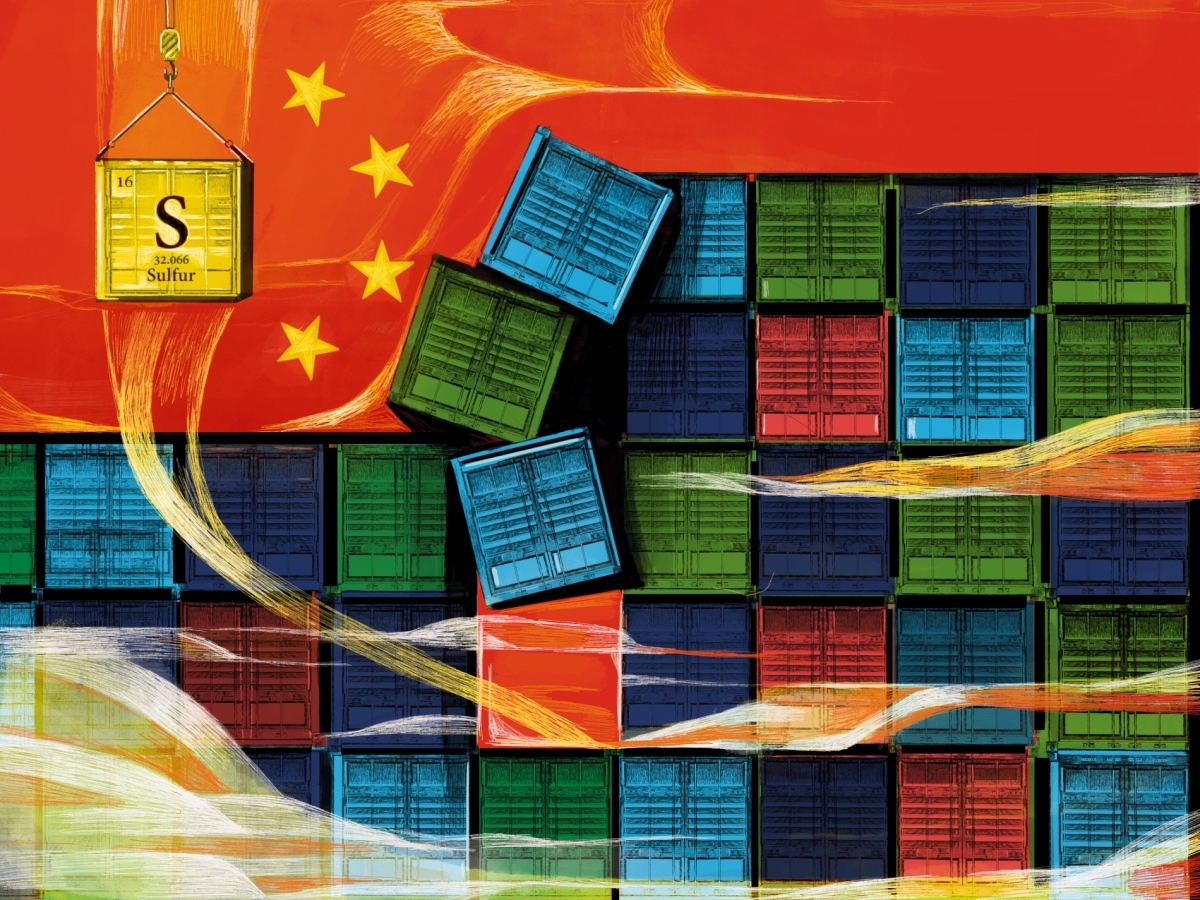
China’s decision to impose near-total restrictions on sulphuric acid exports from the beginning of May, according to market reports and specialised agencies, has sparked deep concern across fertiliser, mining, and energy markets. Almost overnight, a material that barely registered in the public consciousness became something closely watched by copper producers, fertiliser manufacturers, and mining companies worldwide.

The decision did not emerge out of nowhere, nor was it implemented suddenly. It was preceded by a gradual tightening of Chinese export management through quotas and restrictions. Market estimates indicate that China’s sulphuric acid exports between January and April 2026 were capped at roughly 700,000 tonnes, compared with around 1.3 million tonnes during the same period in 2025. In other words, Beijing did not move overnight from an open market to a complete shutdown; it had already begun reducing available export volumes before the market effectively reached a near-total halt.

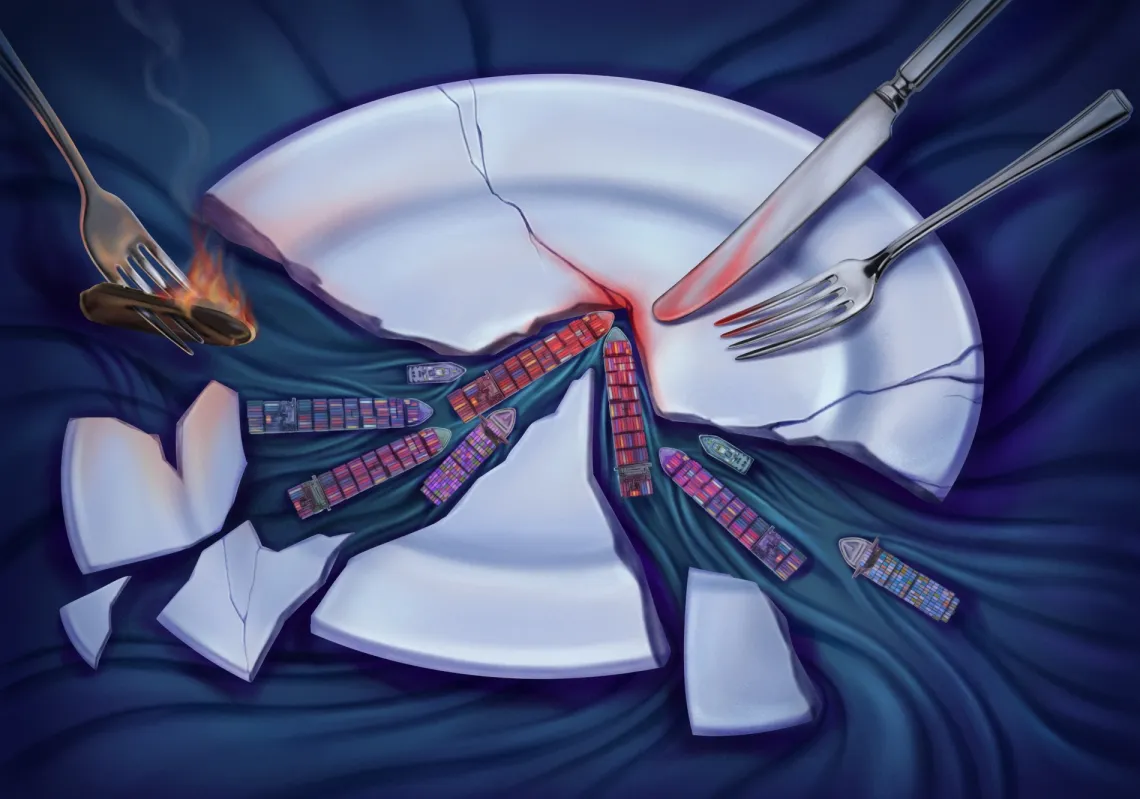
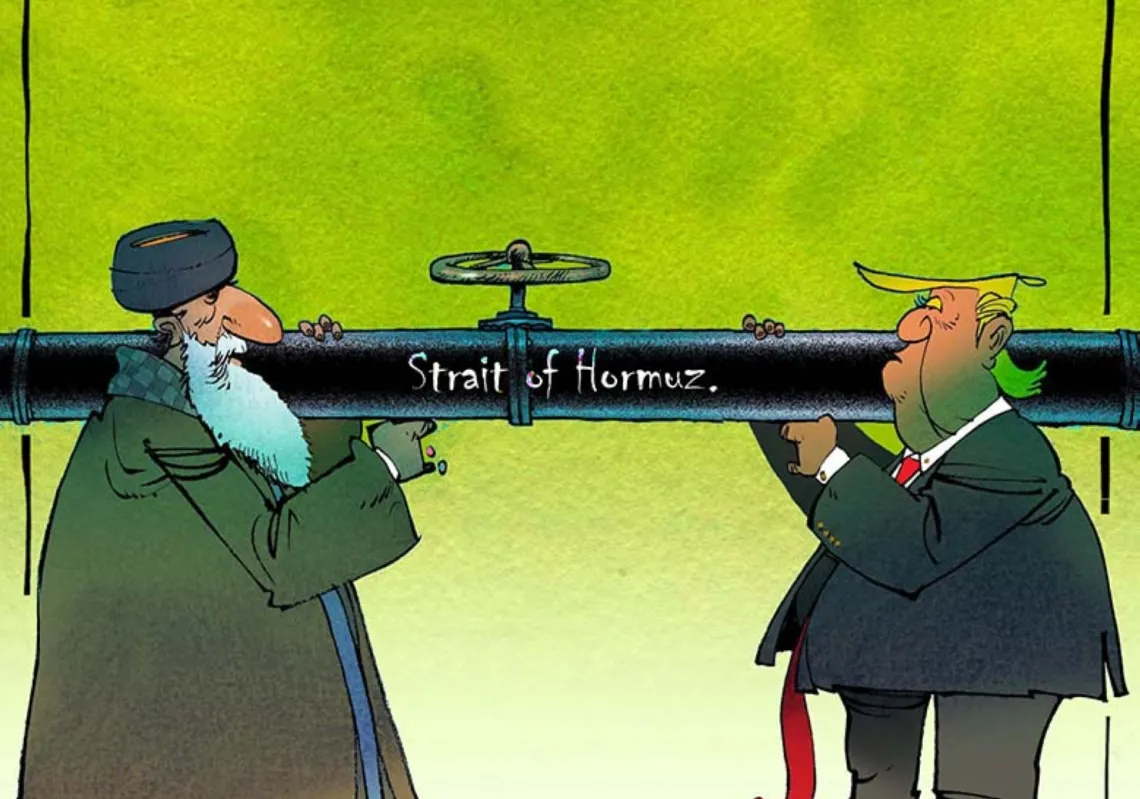
The timing could hardly be more sensitive. The closure of the Strait of Hormuz amid tensions linked to the US-Israeli war on Iran has disrupted one of the world’s most important shipping routes, not only for oil and gas, but also for vast quantities of sulphur, ammonia, fertilisers, and industrial chemicals. As freight routes were disrupted and transport and insurance costs climbed, markets began confronting a new kind of crisis—this time centred on a chemical vital to global industry.

The situation is further complicated by the crisis extending beyond China and the Strait of Hormuz. Russia, another significant sulphur market player, has also extended restrictions on sulphur exports until June. Pressure is therefore building from several directions: Chinese restrictions on sulphuric acid, instability in Gulf shipping lanes, and Russian controls on sulphur exports. What is emerging is no longer a temporary shortage of a single commodity, but a sign of broader fragility within industrial chemical supply chains.

Invisible, yet everywhere

Sulphuric acid may seem remote from daily life, but it is woven into almost every aspect of the modern economy. It is a key component in phosphate fertiliser production, copper, nickel, cobalt, and uranium extraction, chemical manufacturing, water treatment, and certain refining processes. It is also used in explosives and other sensitive industries. For that reason, any disruption to its supply quickly spreads beyond the narrow chemical sector. Higher sulphuric acid prices quickly feed through to mining, agriculture, energy, and heavy industry. Over time, the effects can reach food prices themselves.

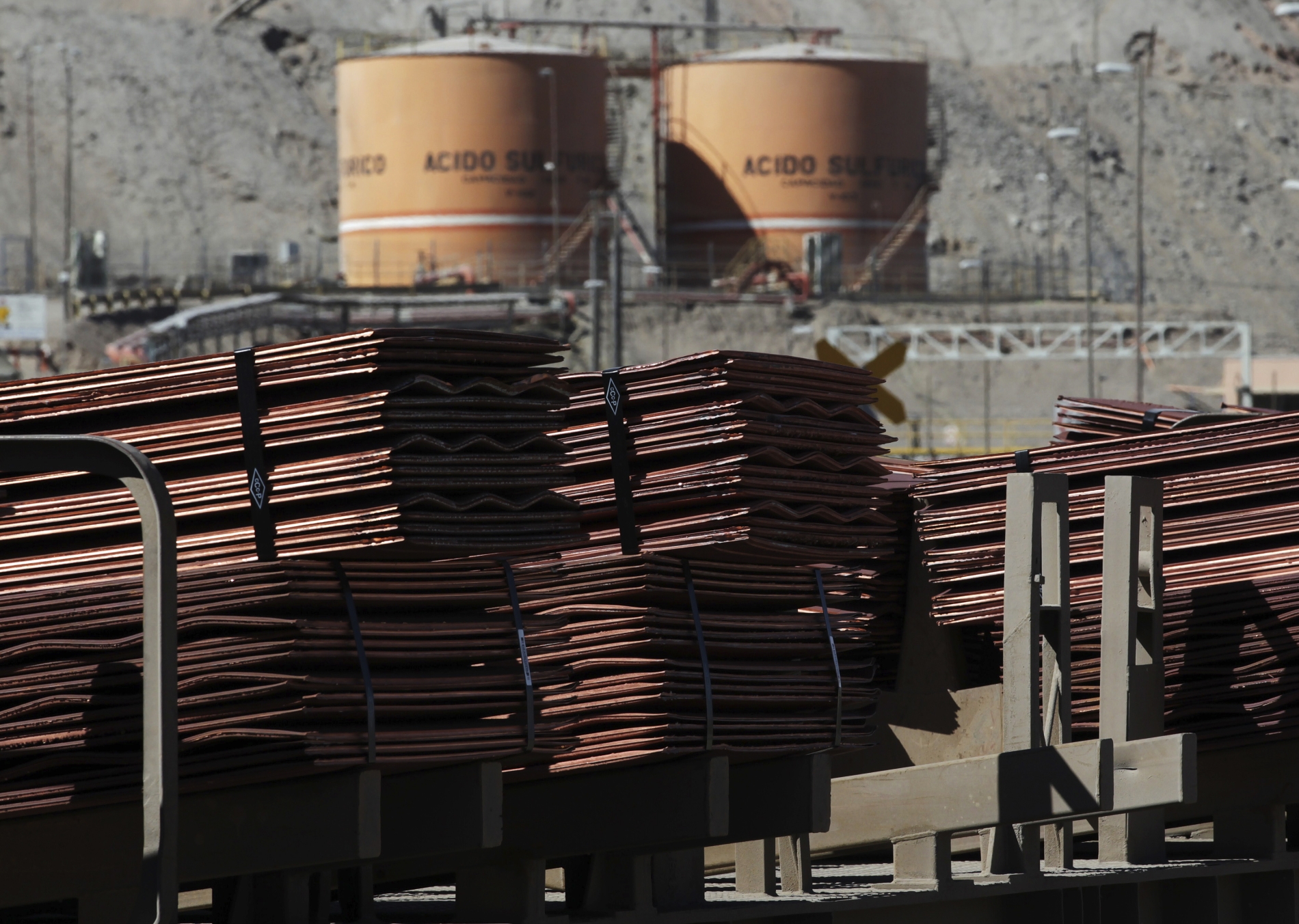
There is another reason why markets are highly sensitive to this substance: it is difficult to store and transport. Sulphuric acid is highly corrosive and requires specialised handling infrastructure, meaning companies rarely maintain large stockpiles. As soon as part of the global supply chain is disrupted, the impact becomes visible very quickly.
Reuters
Sulphuric acid is highly corrosive and requires specialised handling infrastructure.

The global semiconductor shortage of 2020-2023, which disrupted industries from car-making to consumer electronics during and after the Covid-19 pandemic, exposed how economic bottlenecks could emerge from seemingly minor components. Markets are now confronting a similar reality in industrial chemicals. The long-standing assumption that intermediate industrial materials would remain cheap, abundant, and easy to transport is beginning to fracture.

Industry estimates suggest China is both the world’s largest producer and consumer of sulphuric acid. Its production exceeded 110 million tonnes in 2025, while domestic consumption ranged between 105 million and 107 million tonnes. Exports, meanwhile, surpassed four million tonnes. Although relatively modest compared with total production, those exports account for a significant share of global seaborne trade.

In practical terms, it means Beijing only needs to retain a relatively small portion of its domestic output to send shockwaves through global markets.

More than a trade decision

The issue does not appear to be solely about shielding the domestic market from shortages or rising prices, although that is undoubtedly part of the calculation. China has also tightened restrictions on certain phosphate fertiliser exports in recent months to stabilise its agricultural market.

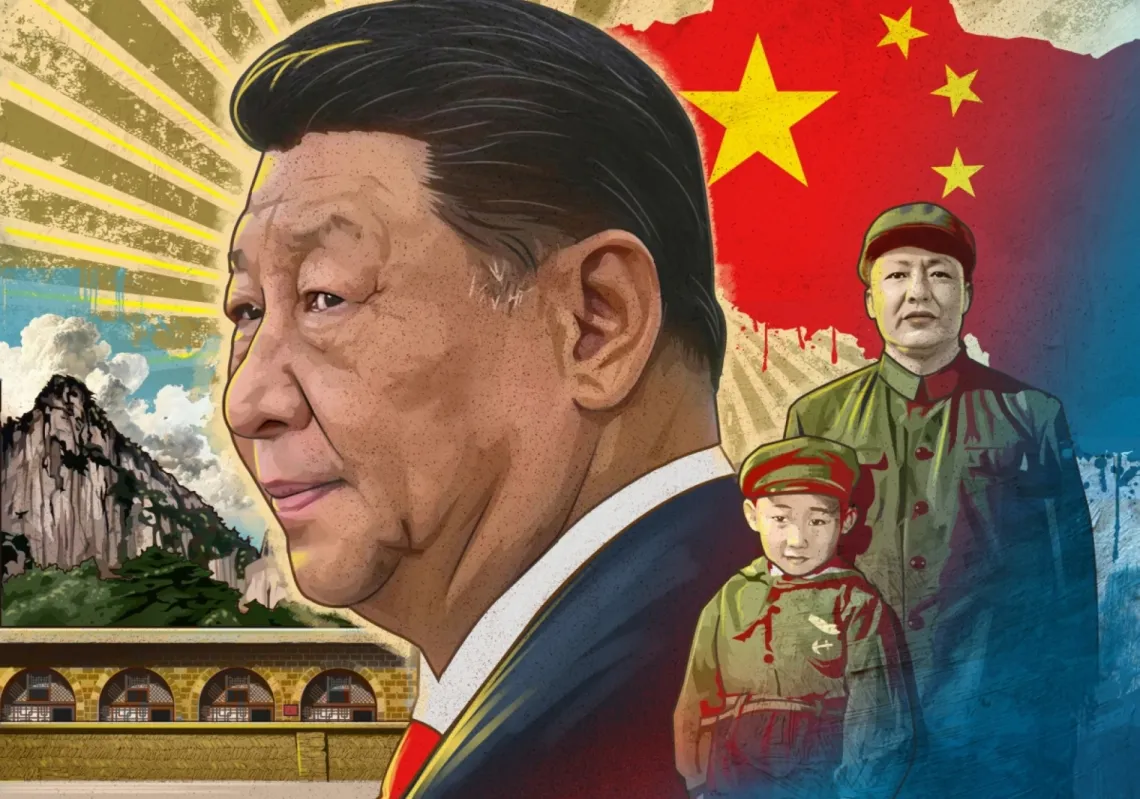
The move also reflects broader changes in Chinese strategic thinking. Since Russia’s invasion of Ukraine and escalating tensions with the West, Beijing has been working to reduce external vulnerabilities in sensitive sectors while expanding reserves of oil, metals, grain, and raw materials.

China increasingly appears to be acting as a state preparing for a more unstable world, not a calmer one—a world shaped by sanctions, trade wars, and geopolitical pressure, where control over strategic materials forms part of economic power.

Previously, discussion often focused on rare earths, gallium, or graphite as potential instruments of Chinese leverage. Today, Beijing seems to be sending a broader message: influence no longer depends solely on controlling end resources, but also on controlling the intermediate materials that make the extraction and processing of those resources possible in the first place.
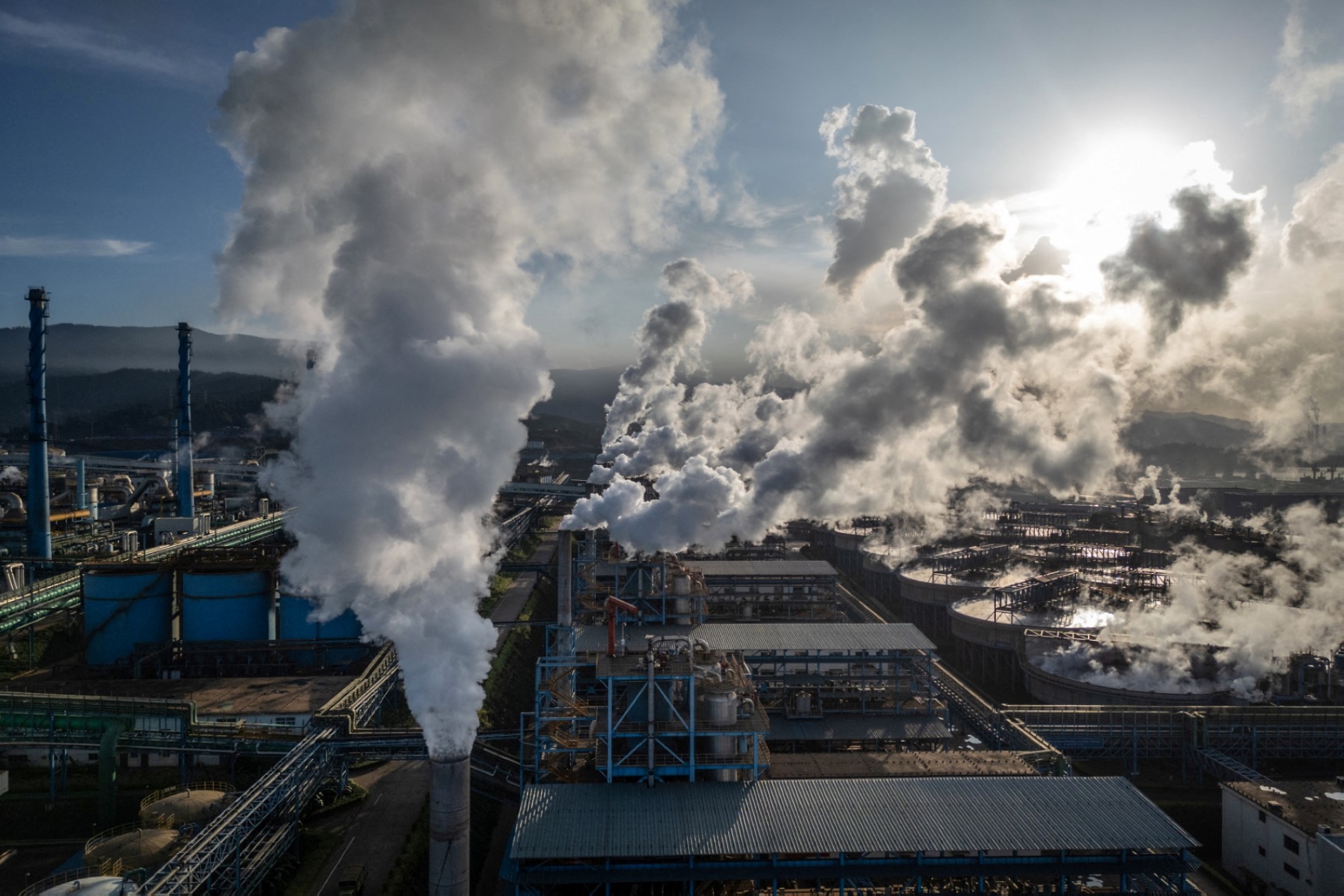

China increasingly appears to be acting as a state preparing for a more unstable world, where control over strategic materials forms part of economic power

That distinction matters. Sulphuric acid is not a consumer commodity; it is an enabling material. Without it, producing fertilisers or extracting copper becomes slower, more difficult, and more expensive.

China may also benefit from the policy in more than one way. While protecting domestic supply, it simultaneously exposes competing industries abroad to higher costs and less reliable access to critical materials. Even if some Chinese smelters suffer from lower export revenues, the broader Chinese industrial economy could still gain a relative advantage if competitors face rising mining, fertiliser, and clean energy costs.

Russia also remains part of the background story. Since the Ukraine war, China has significantly increased imports of discounted Russian crude, particularly heavier and more sulphur-rich grades. While such crude does not directly consume sulphuric acid in the simplistic way sometimes suggested, processing it requires more complex refining operations that rely more on energy and chemical inputs, increasing Beijing's sensitivity to disruptions in industrial supply chains.

Shockwaves through metals markets

Markets did not take long to react. In Chile, the world's leading copper producer, concerns grew quickly because much of the country's copper output relies on sulphuric acid leaching. Chile also depends heavily on Chinese imports of the acid, leaving mining companies exposed to mounting costs and supply pressures.

Chile, however, is not alone. Indonesia, which has emerged as a major global nickel hub, is also highly exposed. Its nickel industry—particularly high-pressure acid leach operations used to process battery-grade nickel—depends on large quantities of sulphur and sulphuric acid. Disruptions to supplies, therefore, threaten battery and electric vehicle production directly. The same applies, to varying degrees, to nickel and cobalt producers in the Democratic Republic of Congo, where extraction and processing also depend heavily on industrial chemicals.

AFP
Smoke rising at Weda Bay Industrial Park, a major nickel processing and smelting hub, in North Maluku, Indonesia, on 18 April 2025.

At this point, the crisis intersects directly with the global clean energy transition. The world wants more electric vehicles, batteries, power grids, renewable energy infrastructure, and data centres tied to artificial intelligence. But all of these industries require enormous quantities of copper, nickel, cobalt, and lithium. And these minerals do not simply emerge from the ground on their own.

Replacing the supply lost because of China's restrictions will not be easy. Sulphuric acid production is typically linked to copper and zinc smelters as well as oil and gas refining, meaning new large-scale production capacity cannot be built within months. Meanwhile, transporting and storing the substance remains costly, while the global market itself is smaller and far less flexible than oil or gas markets.

That is precisely why markets reacted so quickly to Beijing's move, even before any major physical shortages had fully materialised.

From fertilisers to bread prices

Agriculture may prove one of the sectors most vulnerable if the crisis persists. Sulphuric acid is essential for phosphate fertiliser production, and any sharp rise in price directly feeds into farming costs. This is particularly sensitive for food-importing developing countries already grappling with inflation, high energy costs, and expensive shipping. A crisis that initially appears industrial could gradually evolve into a food crisis as well.

These vulnerabilities are further heightened by disruptions in the Strait of Hormuz. As a result, geopolitical tensions in the Gulf are now directly linked to food, energy, and metals markets worldwide.

Reuters/Stringer
Vessels sail through the Strait of Hormuz, Musandam, Oman, on 22 May 2026.

The crisis sits at the intersection of four global pressures: tensions involving Iran exposing the fragility of Hormuz, the green transition driving mineral demand higher, trade conflict sharpening China's focus on supply security, and the accumulated strain on global commerce since the Covid-19 pandemic and the Ukraine war. Beijing's decision therefore appears less an isolated move than part of a broader reordering shaped by vulnerability to disruption.

The Arab world is far from peripheral to these developments. In many ways, it sits at their centre. Morocco, one of the world's leading phosphate and fertiliser producers, relies heavily on sulphur and sulphuric acid in phosphate processing. The Gulf states, meanwhile, remain major players in sulphur, fertiliser, and petrochemical trade.

Yet the same geographic advantages can quickly become vulnerabilities. Because so much of this trade passes through the Strait of Hormuz, the region is acutely exposed to military or security disruption.

Ultimately, the sulphuric acid crisis points to something deeper than a temporary chemical shortage. It reveals how the global economy has become simultaneously more sophisticated and more fragile—and how power in the 21st century lies not only with those who control oil or minerals, but also with those who control the materials that keep modern industry running.

font change