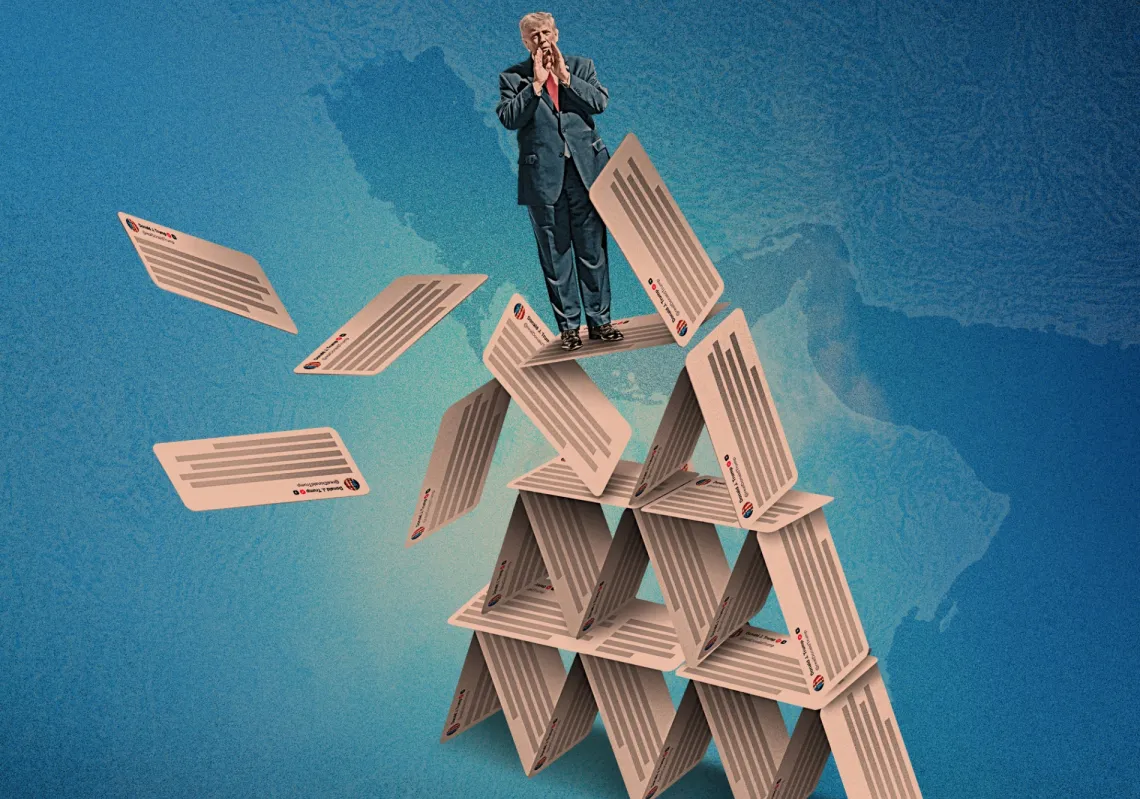
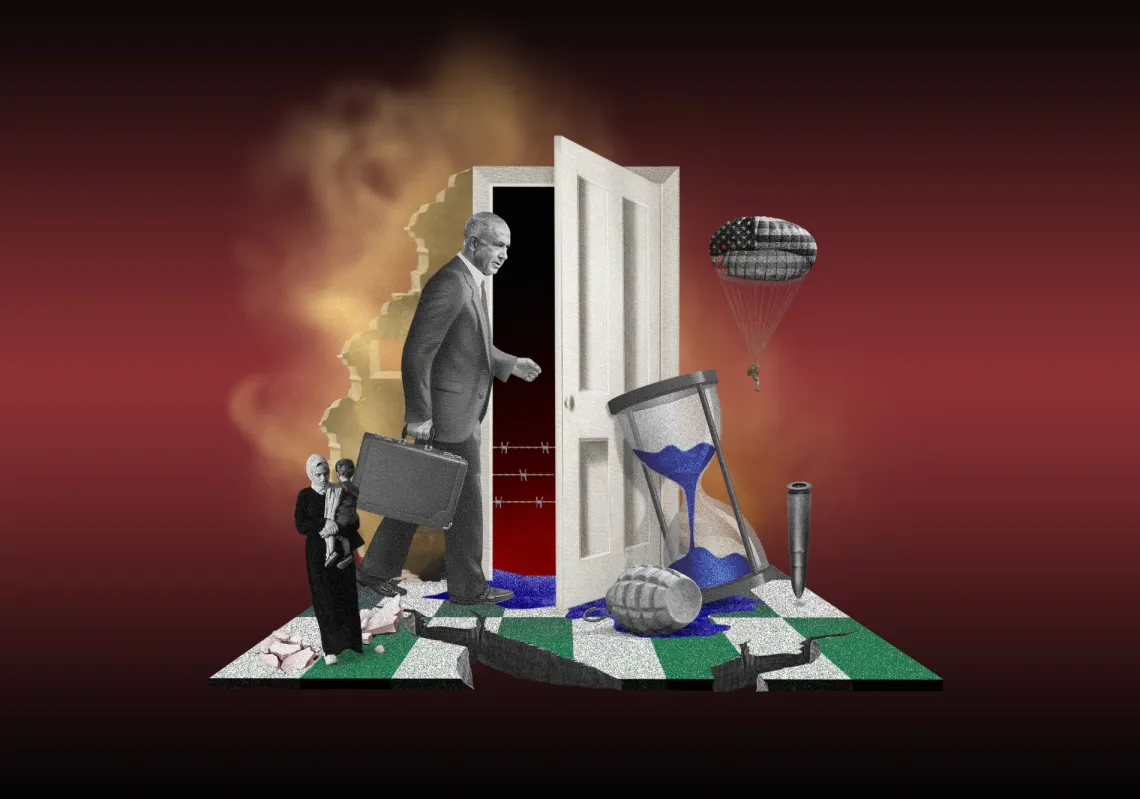
If you are American, then you might be getting damn tired of losing wars. I know I am. And you may be asking yourself, “Why does this keep happening?” It’s an intriguing and disheartening puzzle: Although the United States has been far-and-away the world’s most powerful country for many decades, with a military whose budget and raw capabilities are unmatched, it has compiled a mostly losing record in recent history. This includes the current war with Iran, which has yet to achieve any of the Trump administration’s stated objectives and is likely to end with Iran in a significantly stronger strategic position.
Look at the list. The Korean War was a draw (more about that later). Vietnam was a clear defeat, as were the 2003 Iraq War and the “forever war” in Afghanistan. The 1999 Kosovo War was hardly a triumph, with Serbia getting better terms at the end of the war than it had been offered before the fighting began. Unless you include the occupation of the tiny island nation of Grenada in 1983 (a gross mismatch that hardly counts), then the United States’ only clear victory across these many decades was the 1991 Gulf War. Yes, I know: The United States and its allies did “win” the Cold War, an exception that proves the rule because it was a “war” that never involved a direct clash of arms with the Soviet Union.
Why has the United States done so poorly? It is surely not due to a lack of money, given the size of the US defence budget and the willingness of Congress to vote supplemental funds whenever it is asked. It’s not a lack of firepower, as the United States remains remarkably good at blowing stuff up, even at considerable distances from its own shores. That capacity may be somewhat diminished at present, given how US President Donald Trump and US Defence Secretary Pete Hegseth have squandered the country’s supply of advanced missiles in their foolish war on Iran, but this factor doesn’t explain why victory has been so elusive.
It is not due to insufficient valour in the US armed forces, which remain willing to place themselves in harm’s way, often heroically. And it is certainly not because US troops lack sufficient testosterone, no matter what our hapless secretary of (losing a) war might think.
Instead, the real reasons that the United States keeps losing wars are strategic and structural. The country has been waging wars of choice that combine modest US interests with extremely ambitious goals, such as trying to remake a foreign society in the US image.
The weaker side wins not by outright victory but by waiting for the stronger power to realise that pouring more soldiers and money into a quagmire isn't worth it.
The result is that opponents tend to be much more highly resolved than Washington is, because they have far more at stake. They are fighting to survive or at least preserve their independence and autonomy, whereas, in most cases, the United States is fighting to achieve arguably desirable but ultimately less-than-vital objectives. Under these conditions, it is to be expected that opponents will be far more willing to make sacrifices than the United States is. As in most if not all asymmetric conflicts, the weaker side wins not by outright victory on the battlefield but by not losing and waiting for the stronger power to realise that pouring more soldiers and money into a quagmire just isn't worth it.
This simple formula tells us a lot about all these recent wars. The United States was defending significant interests on the Korean Peninsula, as an uncontested Communist victory there might have significantly affected the Cold War in Asia. But China saw US efforts to unify the peninsula as an existential threat, and eventually sacrificed at least 200,000 troops (and probably far more) to prevent that outcome. After three bitter years of fighting, the result was essentially a draw.
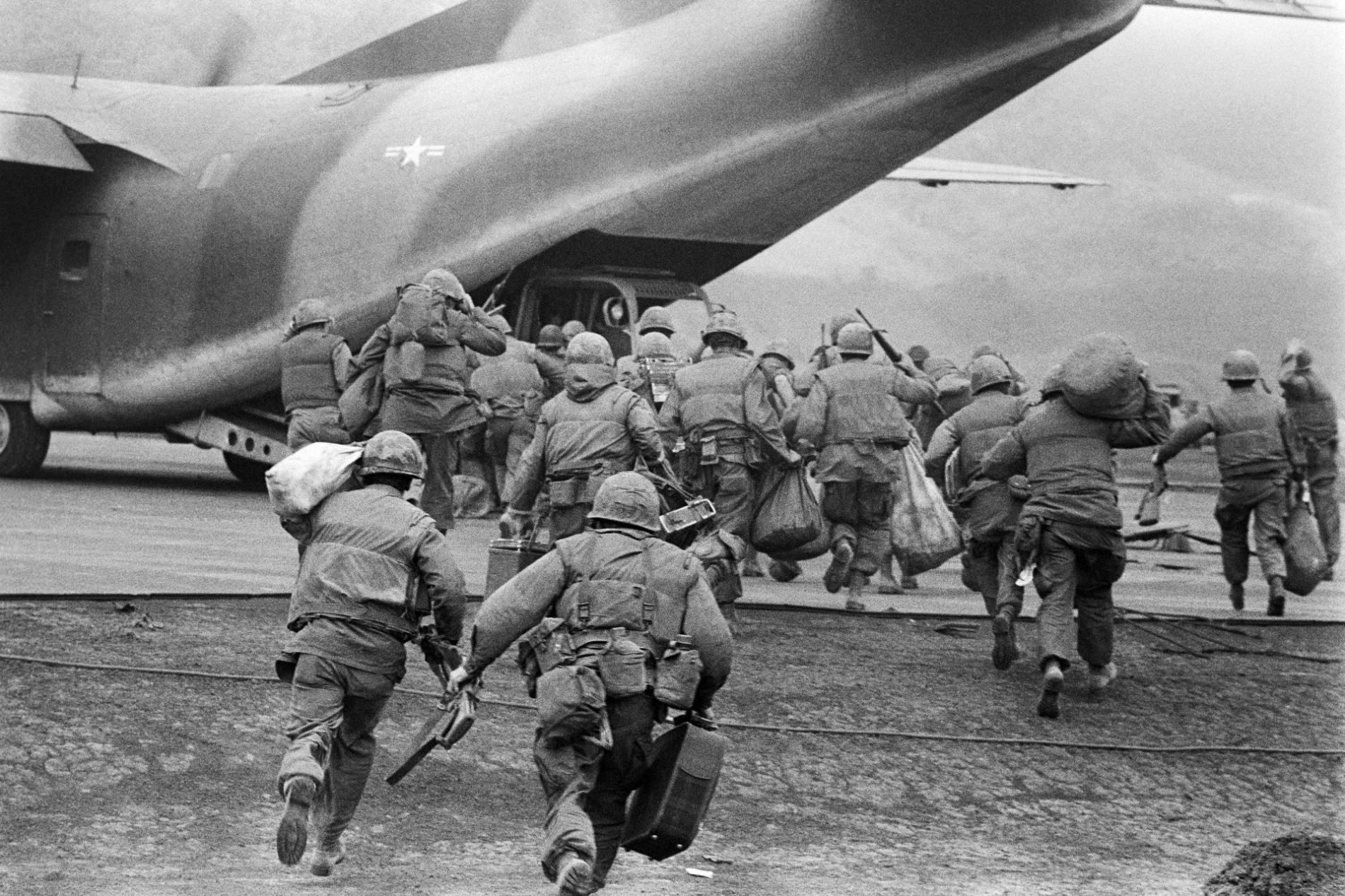
A photograph of American soldiers at the Khe Sanh base during the Vietnam War, amidst constant shelling and danger during the Tet Offensive led by the Viet Cong, February 1968.
In Vietnam, the United States faced the fierce nationalism of the Vietnamese Communist movement, a force that had previously defeated French colonial power and proved impossible to extinguish. Although US leaders were able to persuade Americans that preventing a Communist victory was a vital interest for some time—mostly by invoking exaggerated fears of falling dominos and lost credibility—in the end, the public turned against the seemingly endless war, forced a US withdrawal, and paved the way for Hanoi's eventual triumph.
Much of the same fate drove the unfortunate outcomes in Iraq and Afghanistan. Saddam Hussein was a serial troublemaker, but he was contained by 2003, his weapons programs were dismantled, and he had played no role whatsoever in the 9/11 terrorist attacks. Toppling him was not a vital US interest; therefore, no matter what US neoconservatives dreaming of transforming the Middle East into a sea of pro-American democracies might have said.
Getting rid of Saddam was easy (which underscored how little danger he actually posed), but the occupying forces soon faced a powerful insurgency that was opposed to foreign domination and aided by both Iran and Syria, which had no desire to be next on Washington's hit list. Another ambitious war of choice turned out to be a costly debacle. Sound familiar?
In Afghanistan, a combination of ignorance, idealism, and limited strategic importance ultimately doomed the US war effort there. Washington had good reason to go after Osama bin Laden and his Taliban hosts, but staying there to turn Afghanistan into a Western-style democracy triggered fierce resistance from a society that fully deserved its reputation as the "graveyard of empires." In the end, the insurgents cared more about getting the United States out than the country cared about defeating them—if that were even possible—and eventually Trump, during his first term, and then US. President Joe Biden pulled the plug on a conflict that had long been a pointless exercise.
The 1991 Gulf War is the obvious exception to Washington's unimpressive record. Strictly speaking, it was also a "war of choice," insofar as the United States could have let Iraq keep Kuwait without facing any immediate threats to its own security. But over time, Iraqi control of Kuwait and its oil revenues could have altered the balance of power in the Gulf in worrisome ways, and the George HW Bush administration was concerned that allowing an unopposed aggression of this sort to succeed might set a dangerous precedent. But very importantly, in this case, US objectives were fully commensurate with US interests. The United States and its allies expelled Iraq from Kuwait, decimated Iraq's military power, and imposed intrusive United Nations inspections that dismantled its weapons programmes. But US President George H.W. Bush wisely chose not to "go to Baghdad" and topple the regime, both because doing so would have exceeded the authorisation provided by the UN Security Council and forced the United States to occupy and govern a divided and resentful society. Because US aims were aligned with US interests and Bush ended the war promptly, it is rightly seen as a stunning success.
It is not easy for a superpower to get its interests and objectives aligned, however. Because the United States is so powerful and objectively so secure, there won't be a lot of conflicts where truly vital interests are at stake and major sacrifices—such as those that Americans made during World War II—are easy to justify. At the same time, US power and technological superiority also make it easy to intervene in all sorts of places and for policymakers to convince themselves that these conflicts will be easy to win. The problem, in short, is not that the United States is bad at fighting wars. The problem is that it is usually fighting the wrong wars for the wrong objectives, which undermines allied confidence in US judgment and makes it harder to compete with genuine rivals like China.
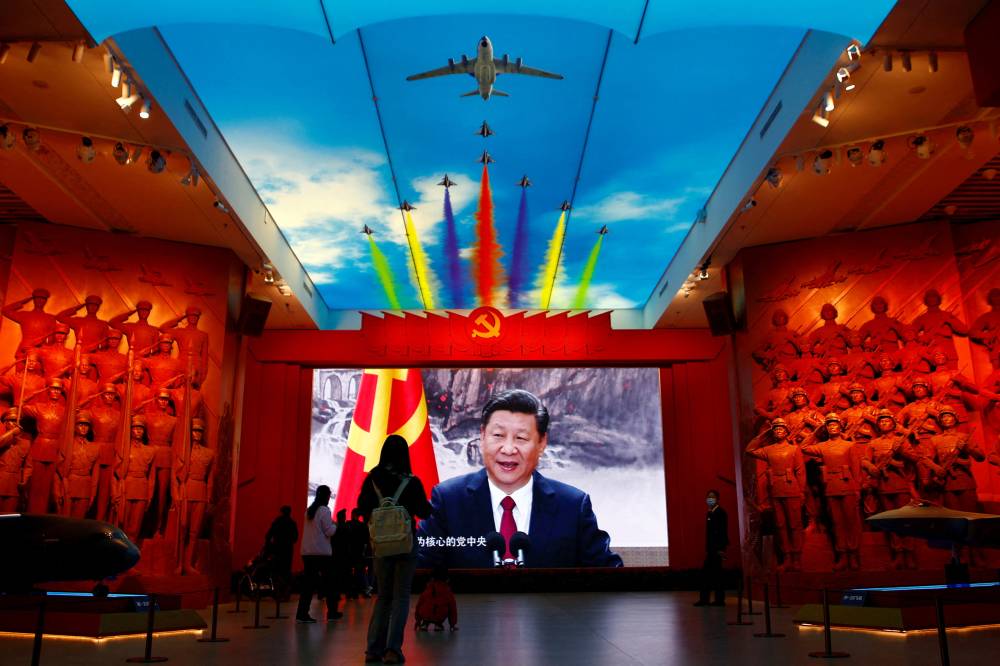
Visitors stand in front of a giant screen displaying Chinese President Xi Jinping next to a flag of the Communist Party of China, at the Military Museum of the Chinese People's Revolution in Beijing, China, on 8 October 2022.
Why does this keep happening, even under a president who claimed to oppose forever wars and insisted that he was the "peace candidate"? There are many reasons, but one of them is the US foreign-policy elite's continued reluctance to hold itself accountable and learn from past mistakes. A perfect illustration of this problem can be found in Robert Kagan's recent interview with Responsible Statecraft.
To his credit, Kagan has publicly criticised Trump's war with Iran, but he has been a consistent proponent of a muscular approach to US foreign policy and was one of the most prominent public advocates for the 2003 Iraq War. When asked whether that war was a mistake, he replied: "I'm not sure what the utility of admitting that it was a mistake is. It's not going to bring anybody back to life." He added that his main regret is that the war reduced public support for the kind of interventionist foreign policy that he favours.
As long as a reluctance to admit errors and take responsibility remains widespread within foreign-policy circles—including much of the MAGA world at this point—Americans will have to get used to disappointment.