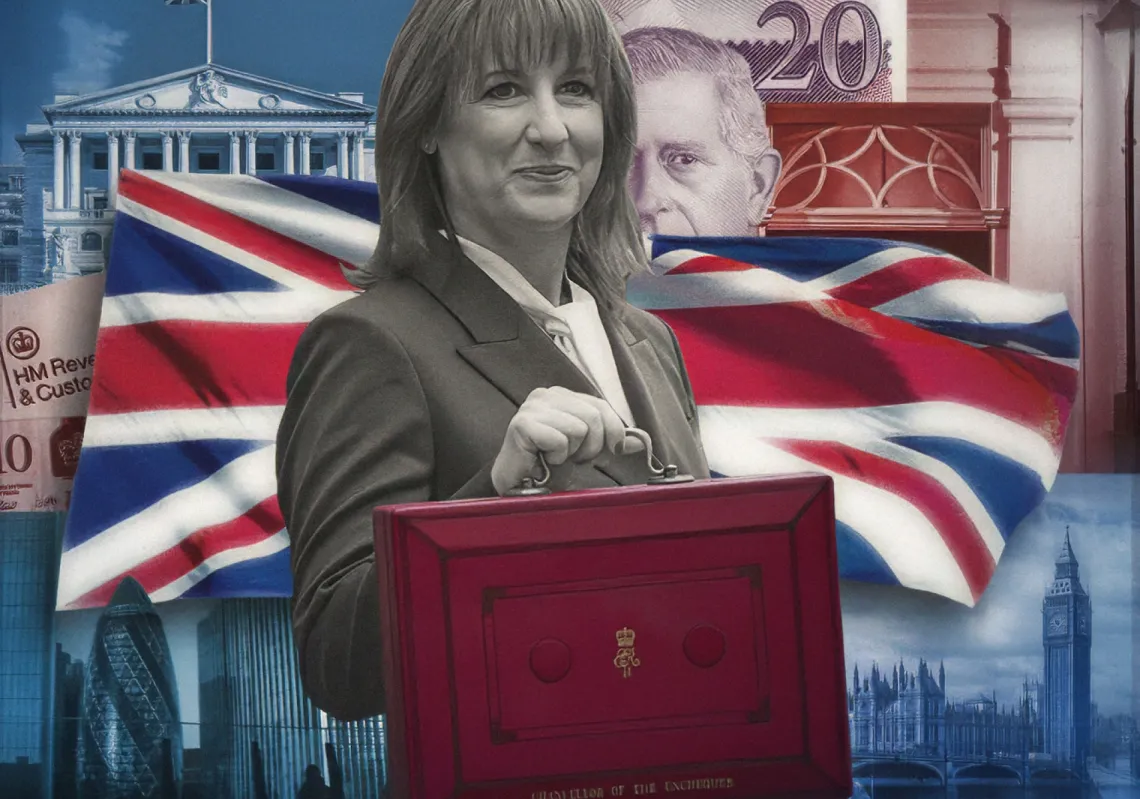
Policymakers' main worry ahead of Rachel Reeves' announcements this week centred on the reaction of the bond markets. So far, they have received a cautious welcome.
Around 11,000 factories nationwide are now classified as "distressed". Their survival hinges on swift and targeted intervention, which the government is attempting to do.
A major global conference in Saudi Arabia shifts the focus of investment and expenditure to programmes and policies with a human-centred impact, not least in healthcare and education
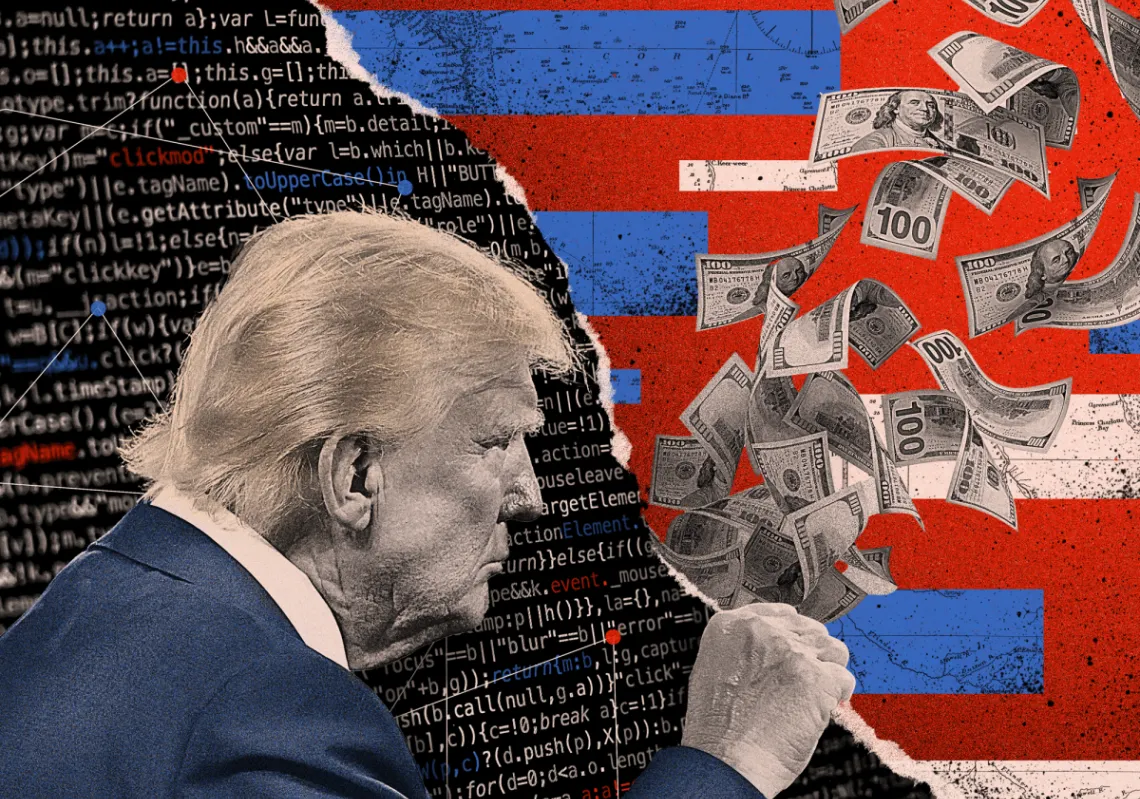
Just weeks after Donald Trump's televised table-thumping over one of the world's most famous canals, the world's biggest asset manager emerged as a buyer for its strategic ports
Another deficit is likely, but it will be in line with EU standards, say Saudi ministers keen to keep investing in the Kingdom's economic diversification away from oil and towards Vision 2030
New investments from the sovereign wealth fund and bilateral trade of $33bn means these two pivotal Arab states can continue enjoying mutually beneficial ties
Once a colonialist's playground, the world's second largest continent has a newfound confidence in its worth. This could well be Africa's century. Who it chooses to partner will be important.
In a wide-ranging interview with Al Majalla, Michael Mainelli discusses Saudi-UK ties, investments in AI and renewable energy and describes Saudi Vision 2030 as 'amazing and ambitious'
Cairo and Abu Dhabi shook hands on a huge development project on Egypt's north coast, giving it a much-needed cash injection. But is Egypt selling the family silver in desperation?
As the world moves away from oil, the region must move its national economies into a new era. But for most states, their starting position is far from ideal. Where and how should they change?
In an interview with Al Majalla, the prominent French jurist discusses Israeli and Western duplicity, their violation of international law, and why Israel bears the cost of Gaza's reconstruction
Tehran's elite have few friends, but regional states fear the consequences of a disorderly transition. If Iran's 92 million people turn on one another, it could cause millions to flee abroad.
Going forward, the international community needs to reduce dependence on the US without upsetting the world's largest military and economic power. It will be a shaky tightrope to walk.
Scrapping foreign ownership caps and qualifying criteria will bring in more capital, with markets reacting positively to the latest reforms that build towards a more open country