
Amid growing fears that the Middle East and the world are forgetting about a long-running war in the splintered country, a particular solution is gaining steam as popular protests break out
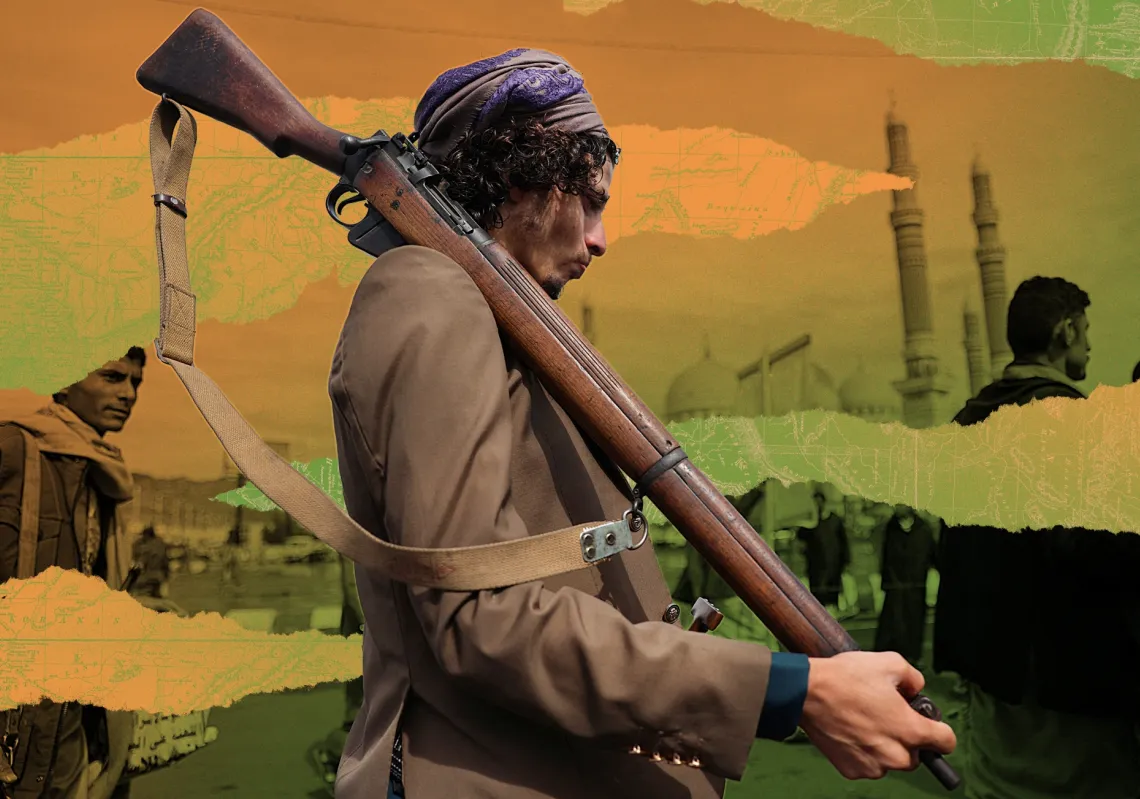
Far from being a technicality, the militia that controls much of Yemen's west and north is using the rial and the physical expression of money to alter the state's identity.
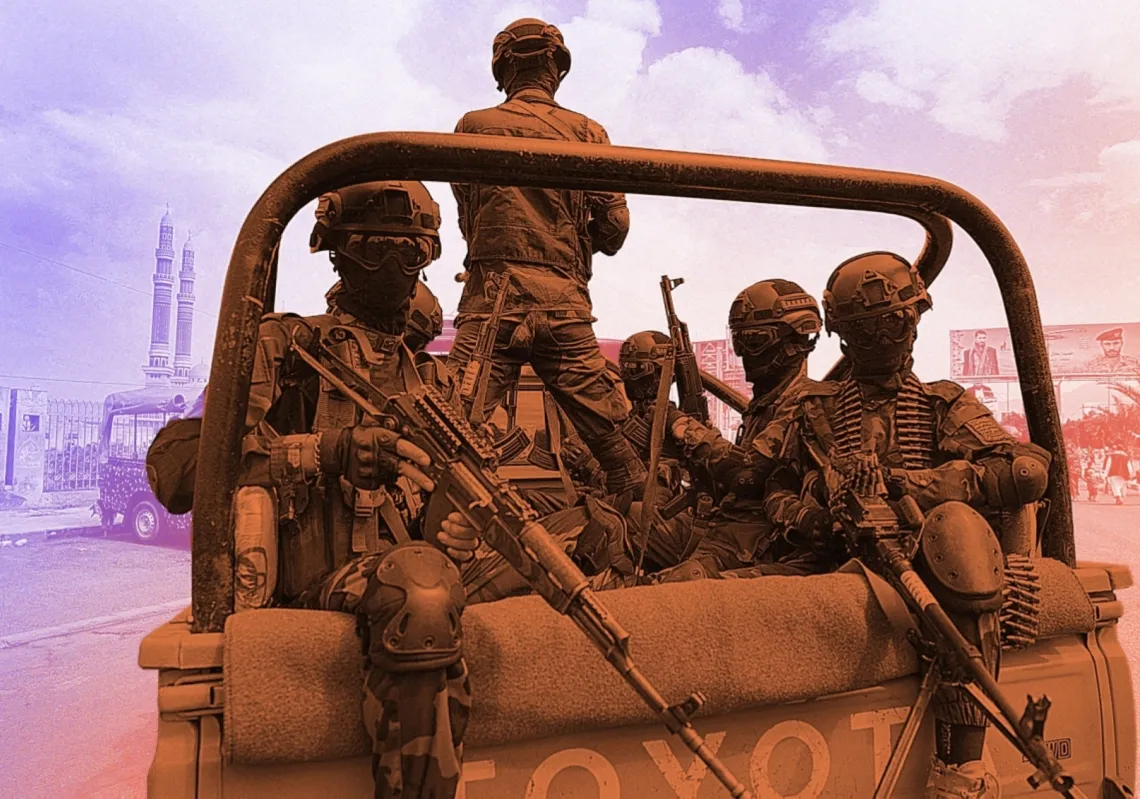
US President Donald Trump agreed a ceasefire in early May on the condition that the Houthis do not attack American ships. Good to their word, they are still attacking others, with no comeuppance.
The Yemeni militant group is proving to be a stubborn adversary, and Trump doesn't want anything to detract from his visit to the Gulf next week, where he plans to make a 'big' announcement
An informed Yemeni military source says a US-backed Yemeni government assault is likely to begin "between mid and late May" after US air strikes have crippled key Houthi military assets
Tehran has long sponsored the Houthis in Yemen, which is the last member of Iran's 'axis of resistance' still standing up to Israel. Neither fully trust each other and never have.
Were recent strikes ordered by Trump intended as a warning to Tehran, or could they be a prelude to an expanded war? Al Majalla weighs in on the possible motives.
Legal classifications will only go so far and may end up hurting more than just the militia. The move could complicate efforts to reach a much-needed political solution in Yemen.
In 1511, there were places in Mecca specifically designated for selling and drinking coffee, known as coffee houses. Decades later, the first café opened in Istanbul.
Last year's 12-day war with Iran was ostensibly aimed at its nuclear programme. This time, the regime is significantly weakened, presenting an opportunity Israel may feel it can't miss.
Pressure builds on Venezuela after Trump appoints himself 'acting president'. With Colombia, Mexico and Cuba seemingly also in the line of fire, they will be closely watching what happens in Caracas.
It remains unclear if Damascus's move to kick the Kurds out of Aleppo will pressure the SDF to implement the 10 March deal to integrate its forces into the Syrian army or harden its resolve to resist
The UAE backs southern Yemenis who want secession, while Saudi Arabia wants a unified Yemen. Egypt also favours unity, but is close to both Gulf states, putting it in a difficult position.
Recently declassified meeting minutes between the two leaders show how Washington was well aware of Moscow's grievances over NATO expansion, but went ahead anyway