
Anyone familiar with the career of the Saudi multimedia artist Shadia Alem will immediately recognise her as a singular presence in contemporary Saudi art. Not only for the remarkable body of work she has produced, but also for the way her long, sustained practice—deeply rooted in the country’s cultural and social fabric—has yielded work of exceptional density and expressive power, in form as much as in idea.
Born in Mecca in 1960, Alem’s work engages a central question in contemporary Saudi art: can art emerge fully formed? Her practice suggests otherwise. Its development is both technical and conceptual, yet never slips into superficial modernity or borrowed idioms detached from place. To isolate any single period of her work would be to miss the continuity of a practice shaped by memory, identity, and cultural experience. This depth of development is not unique to Alem but is shared by artists who sustain a serious, committed practice over time.
That practice shows how a deep connection to place, history, and personal narrative can produce work that is rooted in its local context yet resonates globally. This does not diminish the importance of younger artists; rather, it highlights a fundamental quality of art itself: the impulse to give form to ideas and emotions that arise from within, shaped over time through lived experience. This, of course, assumes a human origin, not one created through artificial intelligence.
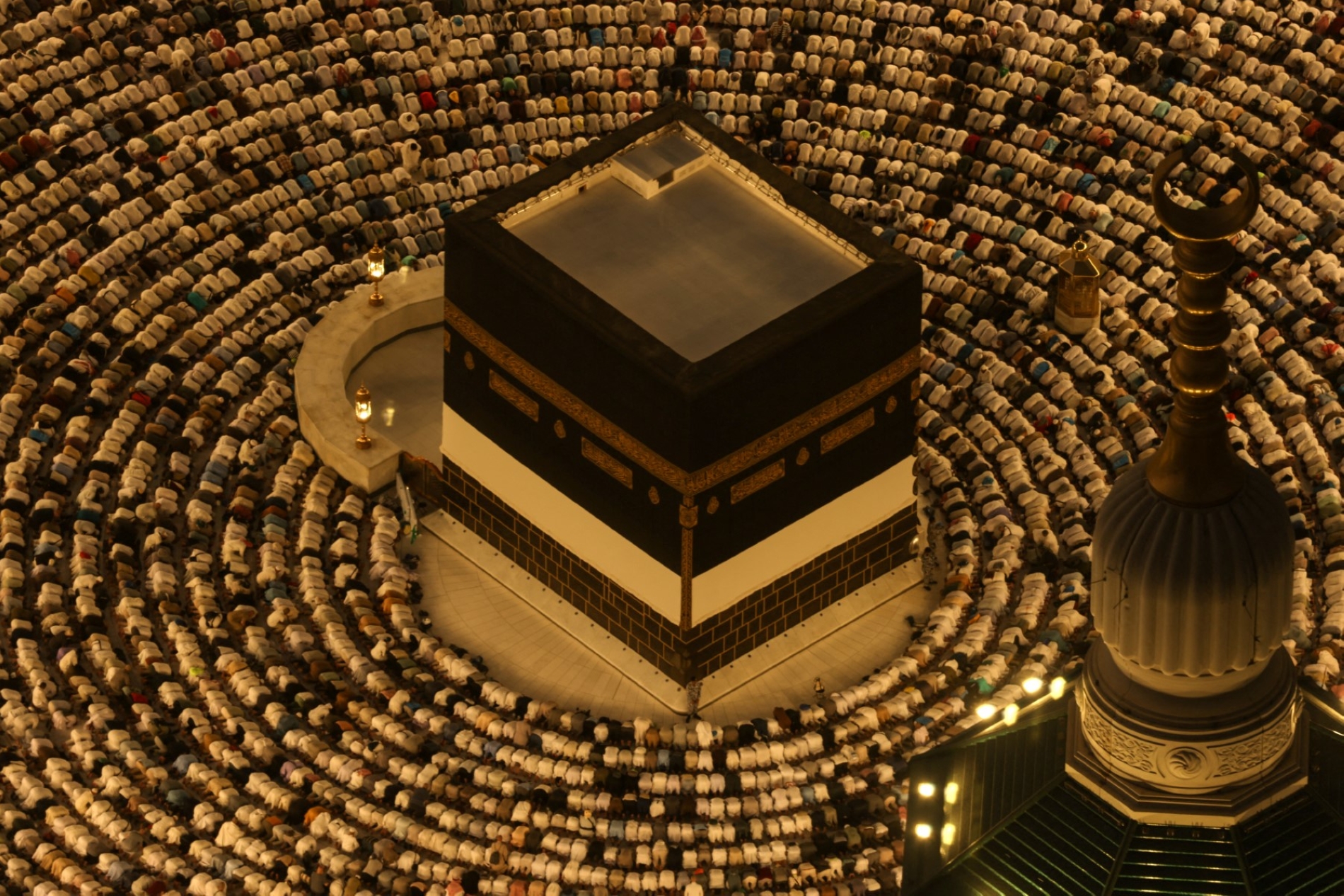
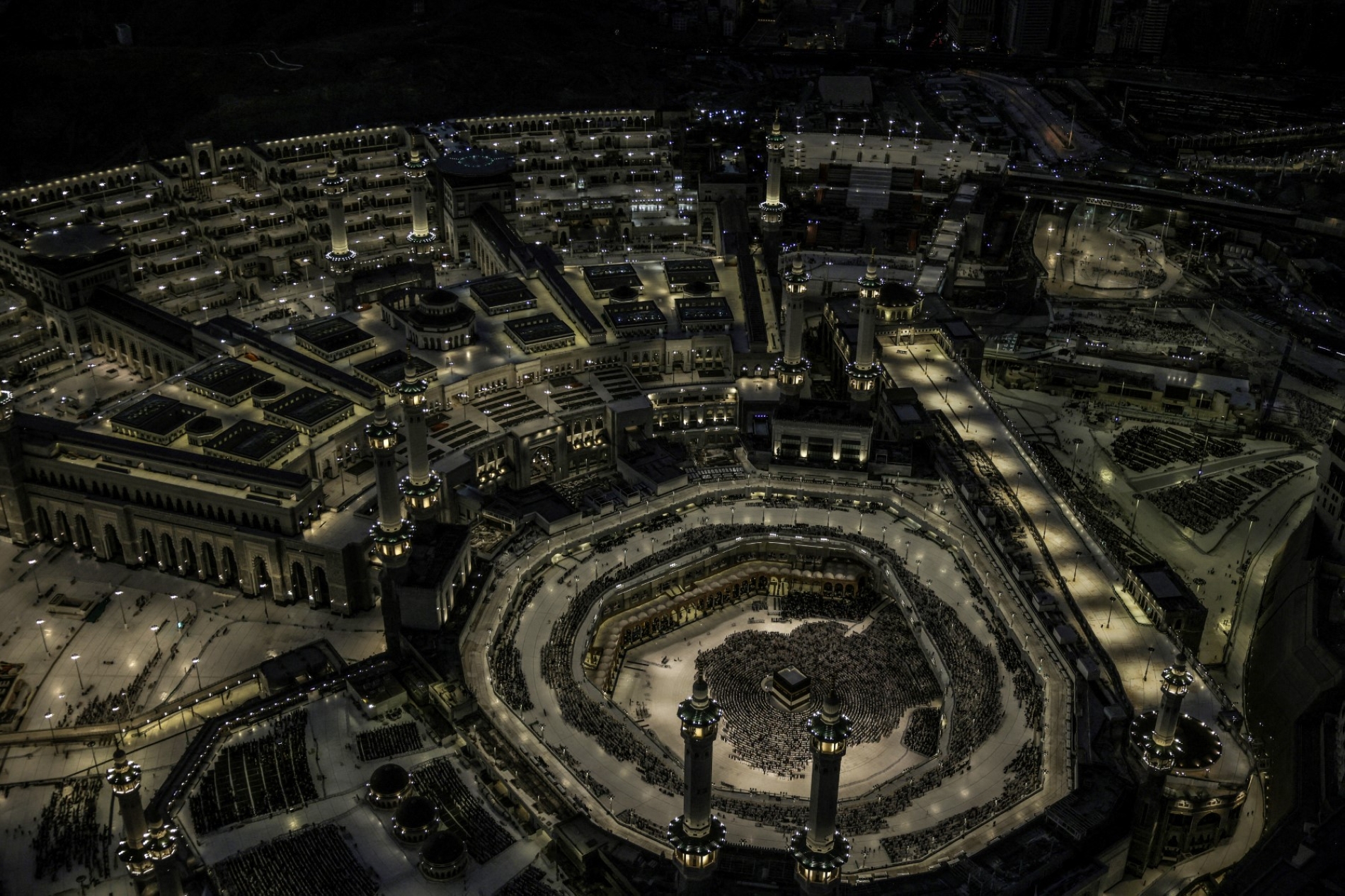
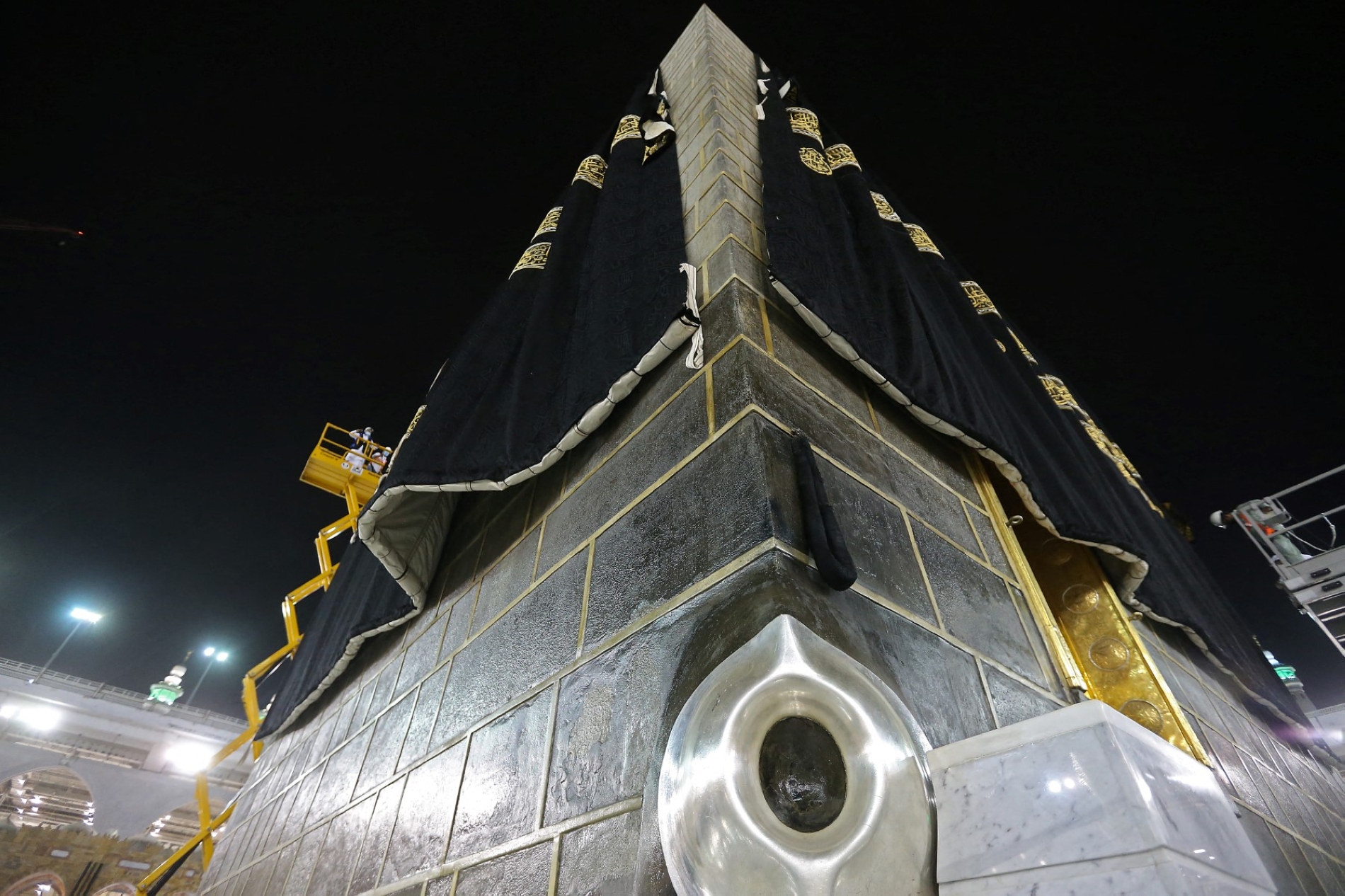
Carrying her childhood city of Mecca with her “like a cosmopolitan cube reflecting it on the world and reflecting the world,” Alem’s work has evolved significantly over time, both technically and conceptually. Her early paintings were expressionistic, using bold colour and semi-representational forms to explore identity, memory, and cultural belonging.
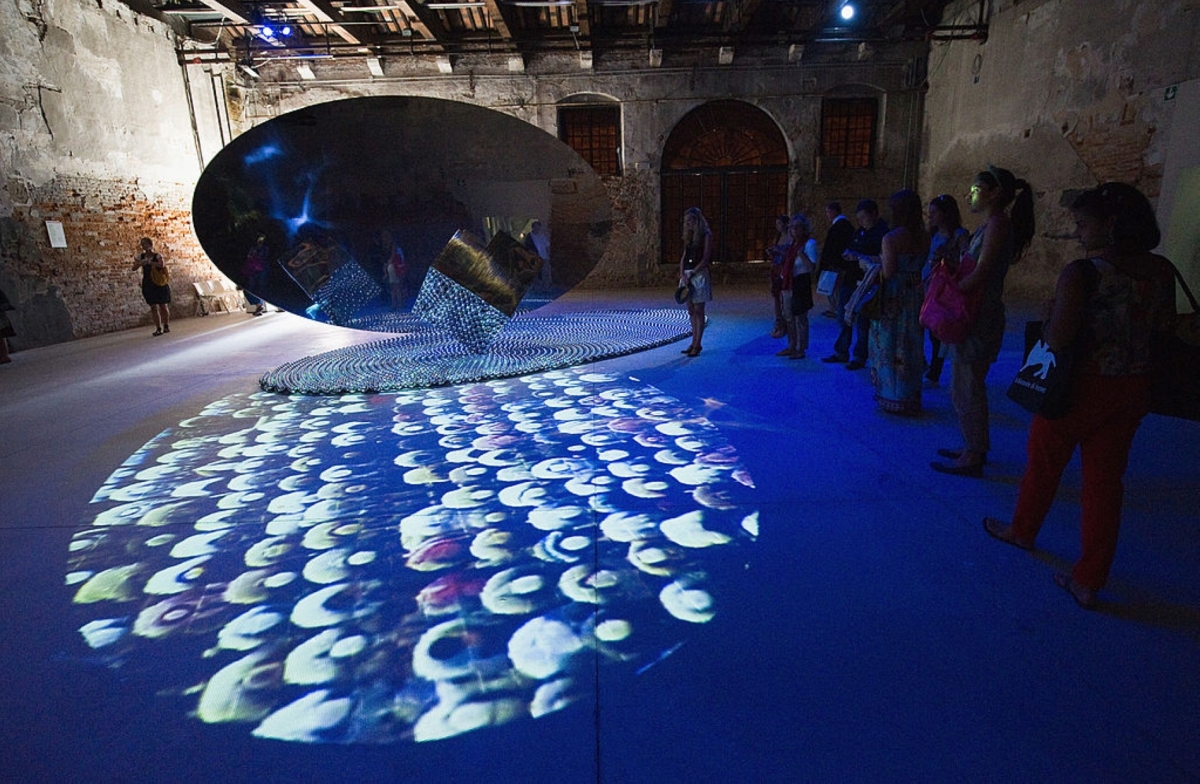
She later moved into mixed media, collage, photography, and installation, turning her focus to sacred architecture, the transformation of Mecca, and the tension between modernity and tradition. Over time, the sacred shifted from subject to structuring idea. She has since embraced a conceptual and spiritual abstraction, using digital layering, architectural forms, and repetition to evoke contemplative, metaphysical space.
Continuity and devotion
“There was no rupture, only continuity,” says Alem, discussing her journey from personal expression to conceptual art. “From my beginnings until today, my art has remained personal in its essence. I grew up in a spiritual family and environment, where art and faith were naturally interwoven. My father was devoted to calligraphy, and from an early age, I was captivated by the movement of his pens and inks across the page. I would listen to him reading the Quran at dawn and playing the oud in the evening. What could express more deeply this interweaving of the spiritual and the personal, of contemporaneity and spiritual heritage?
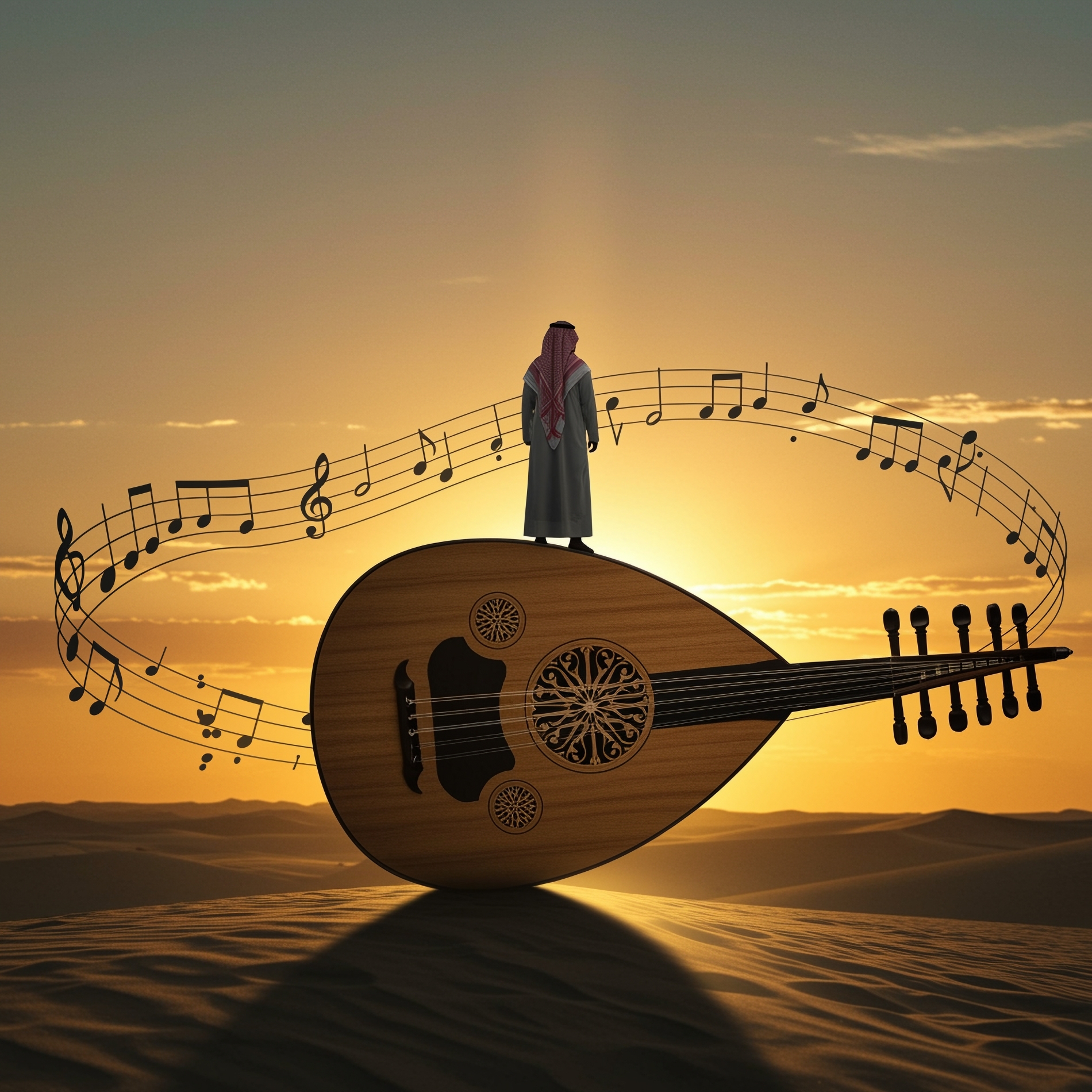
“That daily life, which filled our home with form, recitation, and melody, taught me that art can be an act of devotion, and that rhythm can carry meaning. Calligraphy was never merely letters. It was the trace of the soul. Sound was never merely music. It was the extension of an inner state. In those moments, my understanding took shape: art is not the production of an image, it is presence and invocation. My mother, too, embroidered forms and texts, turning everyday objects into silent visual fields for contemplation. In this way, the spiritual in my life became a daily artistic practice rather than an abstract idea, and the conceptual became a lived experience before it became a theory.”