The regional rivals aren't just fighting over freshwater supplies. Cairo sees Addis Ababa's bid for Red Sea access as part of a wider fragmentation strategy.
Is Washington's intention genuine, or an attempt to slam the brakes on Cairo's growing assertiveness in Horn of Africa politics and debilitate its hard-won leverage?
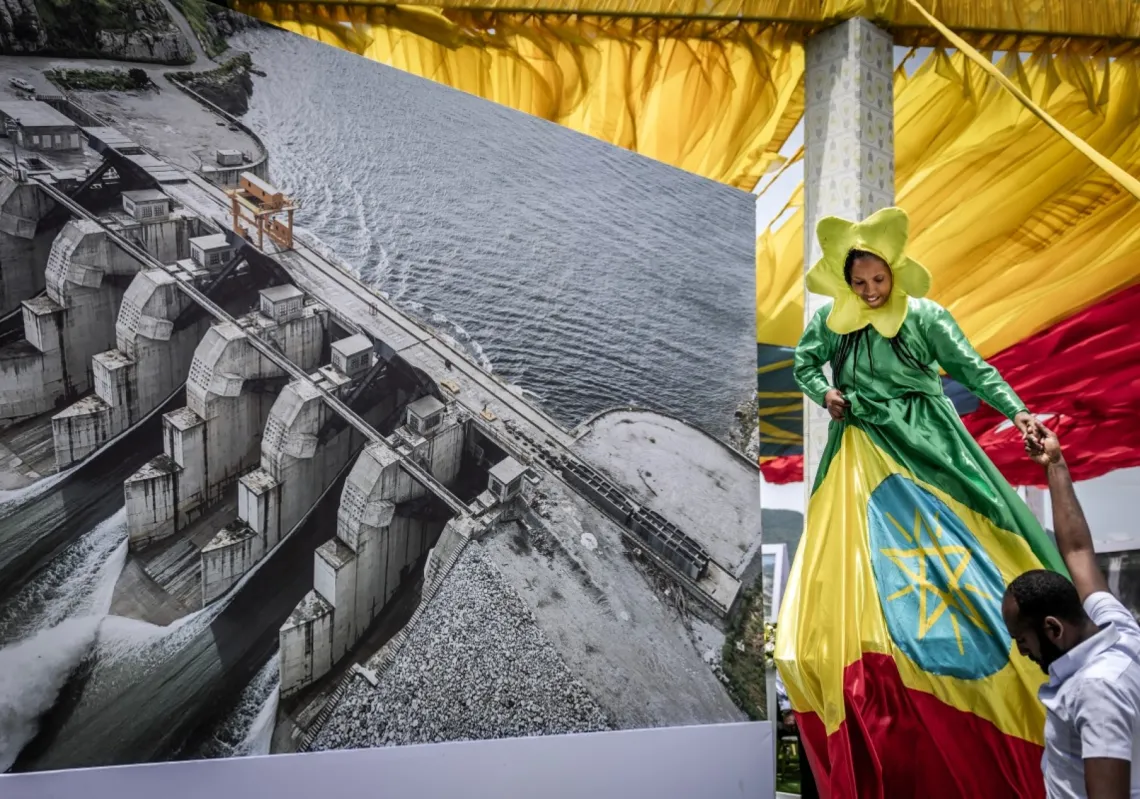
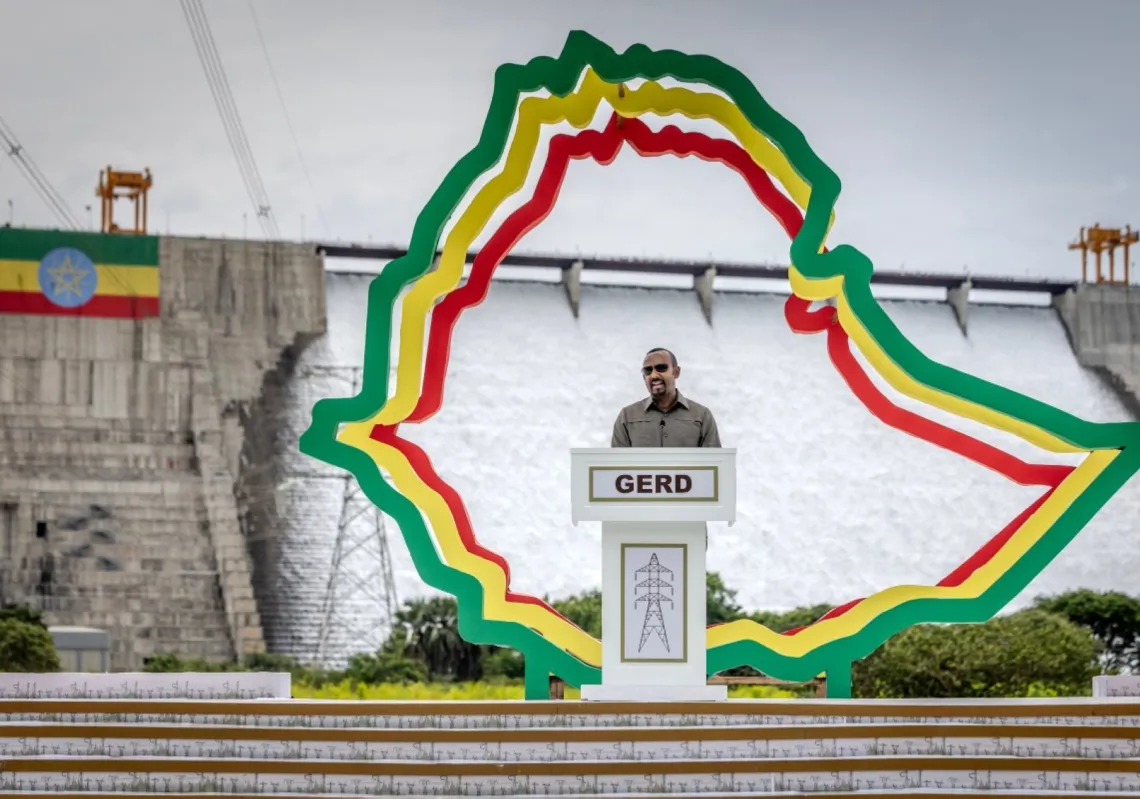
Addis Ababa has finally inaugurated the long-awaited and much-touted GERD—Africa's biggest dam—leaving Egypt and Sudan worried about the impact on their water supply downstream
As Addis Ababa stands to benefit from electricity and revenues, it reassures downstream nations that the $4bn river barrier is an opportunity, not a threat. That's not the view from Cairo.
A deal to give Ethiopia commercial Red Sea access in return for its recognition of Somali territorial integrity has been brokered by Ankara to much acclaim. Where does that leave Egypt?
Tension in the Horn of Africa is not new, but the rivalry between Cairo and Addis Ababa has escalated, as Ethiopia forges ahead with projects that threaten Egypt's national security
An Egyptian minister warns Ethiopia it will "pay" for any harm done to Egypt's water security, stoking speculation that the long-running clash over its GERD dam will spark a water war
Cairo is wooing states in the Nile Basin and Horn of Africa using its defence industry and security expertise to counter geopolitical worries over the Red Sea and the Suez Canal
Where once Middle Eastern states took little interest in this war-torn Arabic-speaking state on the Horn of Africa, today it is a key arena for Middle Eastern foreign policy and, at times, competition
When states are attacked, authority gravitates towards institutions capable of mobilising resources, enforcing discipline, and coordinating a military response
Cairo and Tehran have been at loggerheads since 1979, but the Iranian threat has always acted as a check on Israeli ambitions. If Iran is completely defeated, Israel will reign supreme.
Even if it stays on the sidelines of the US-Iran war, the country is fragile. Unlike larger economies that can absorb shocks in global markets, it has little room to cushion the impact.