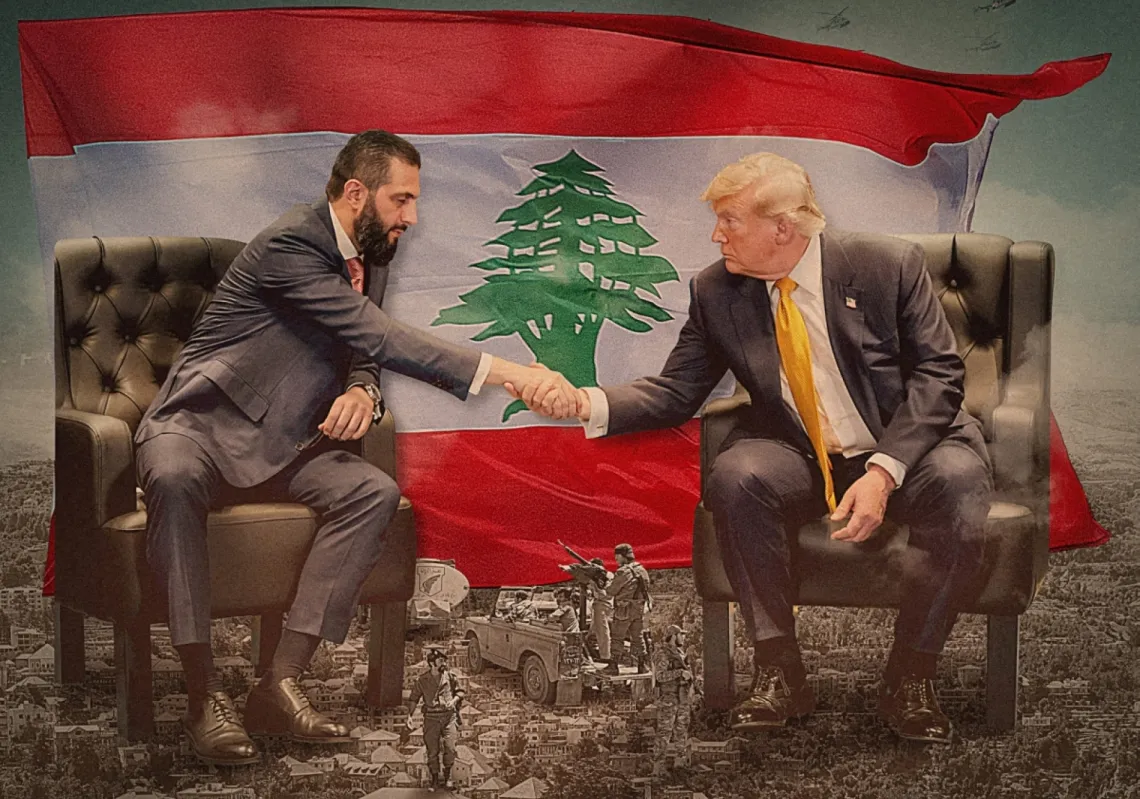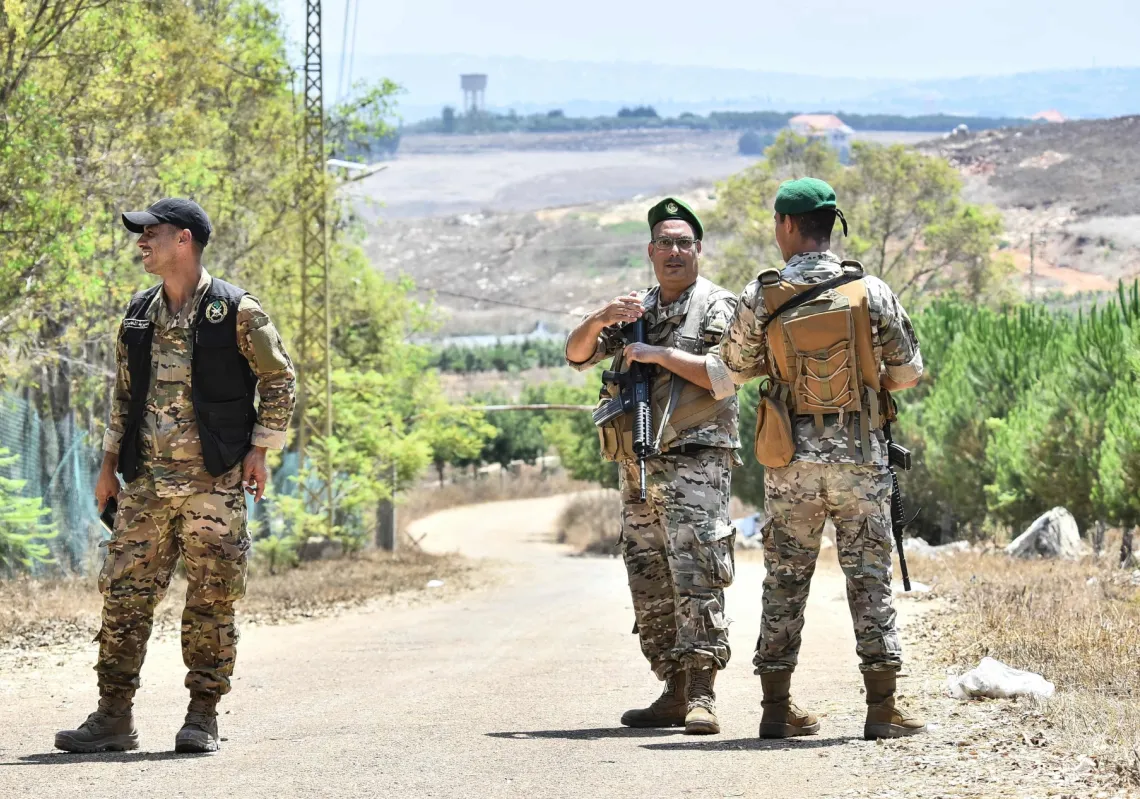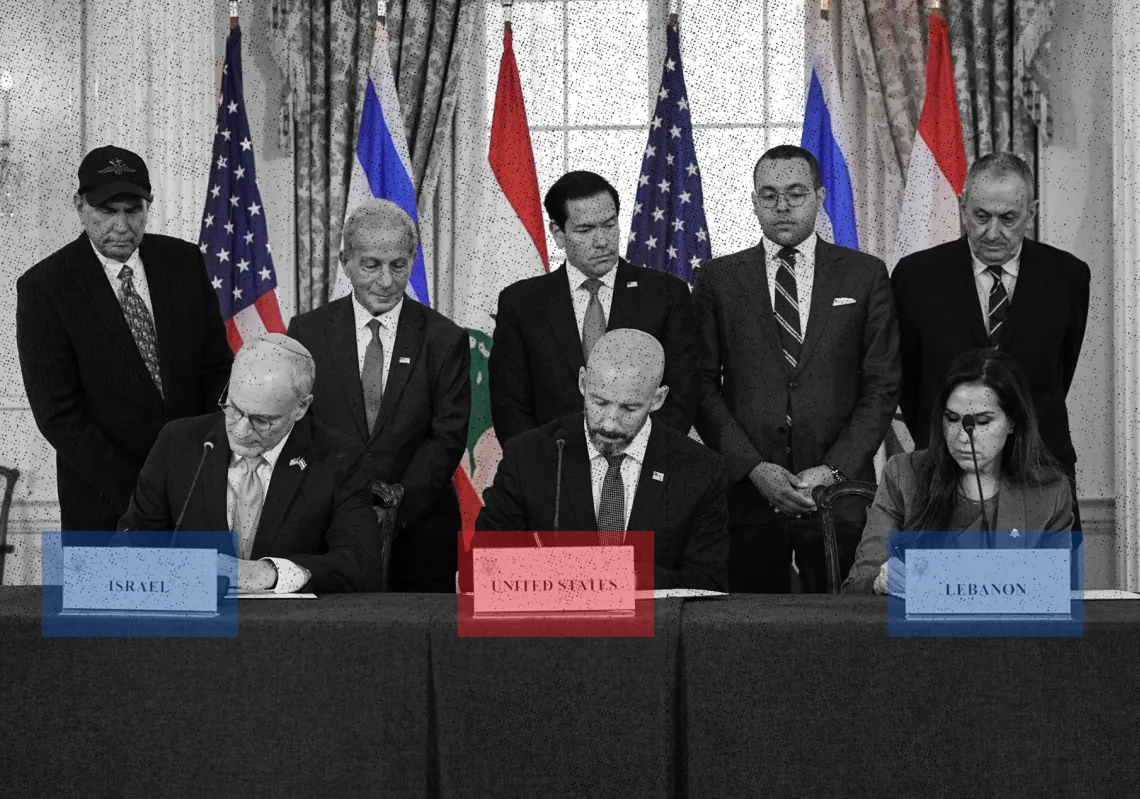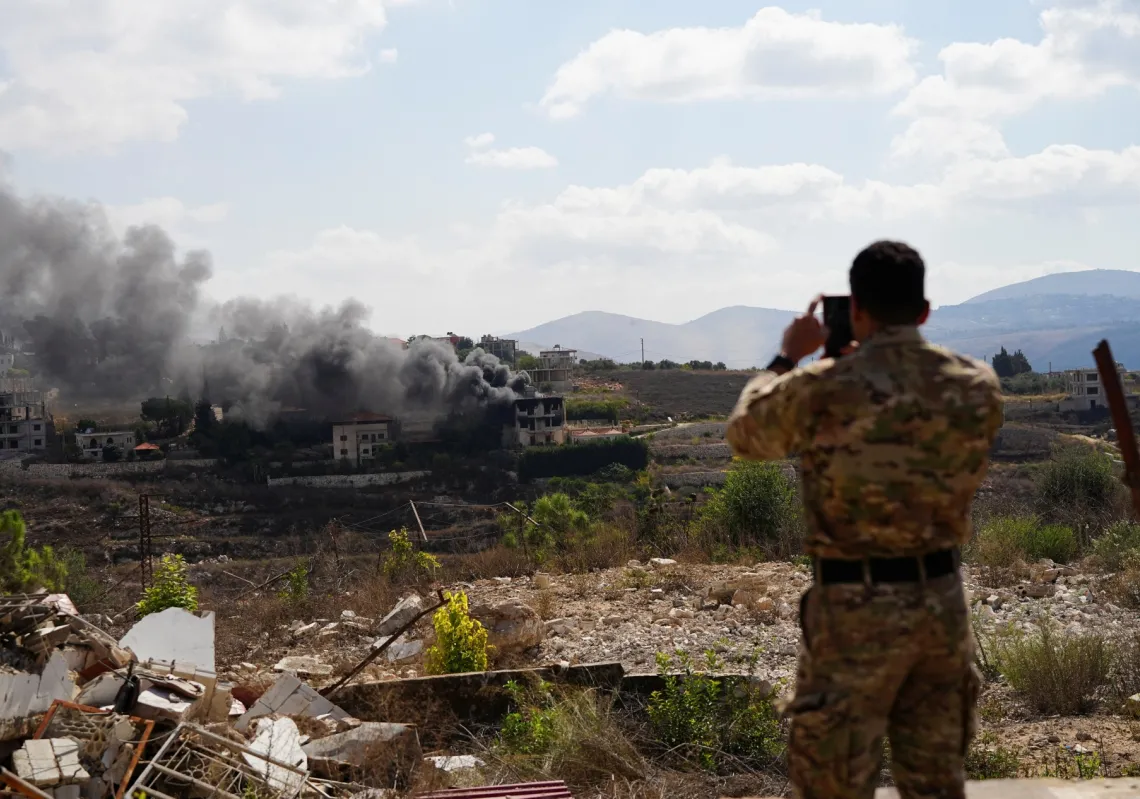
Largely forgotten by history, leaders in Beirut and Tel Aviv shook hands on a plan for normal bilateral relations 43 years ago, after yet another Israeli occupation of southern Lebanon.
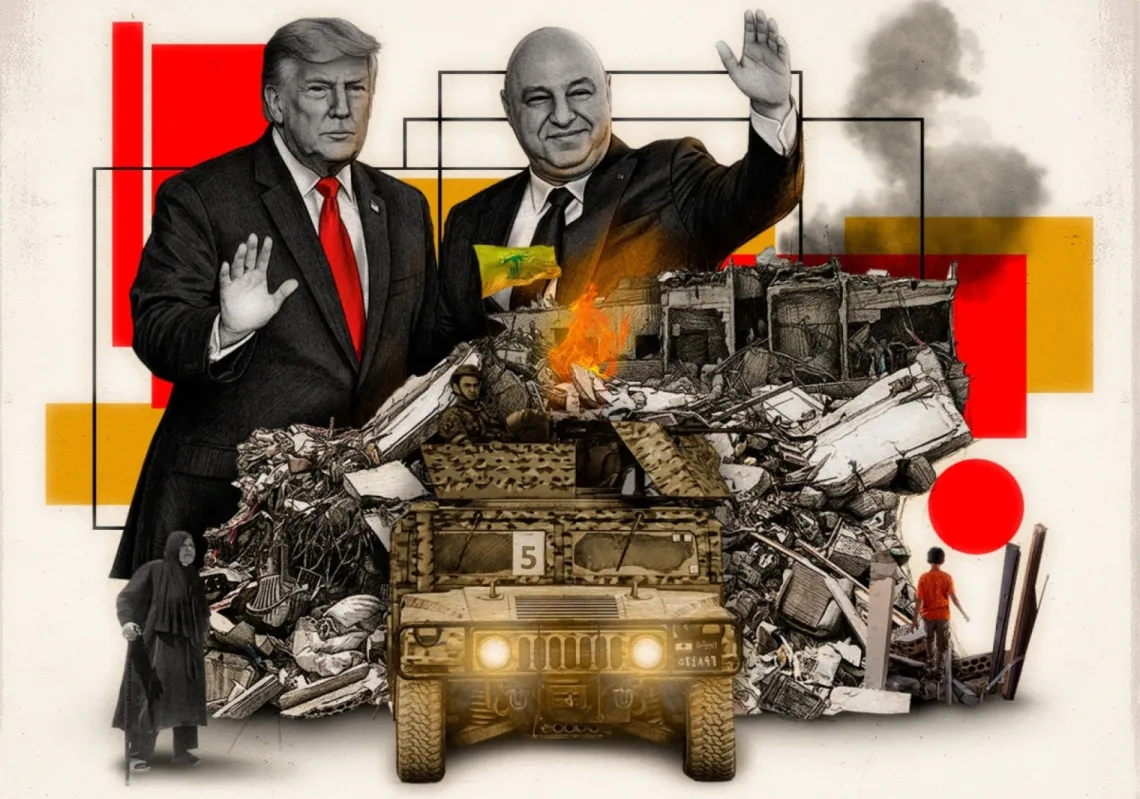
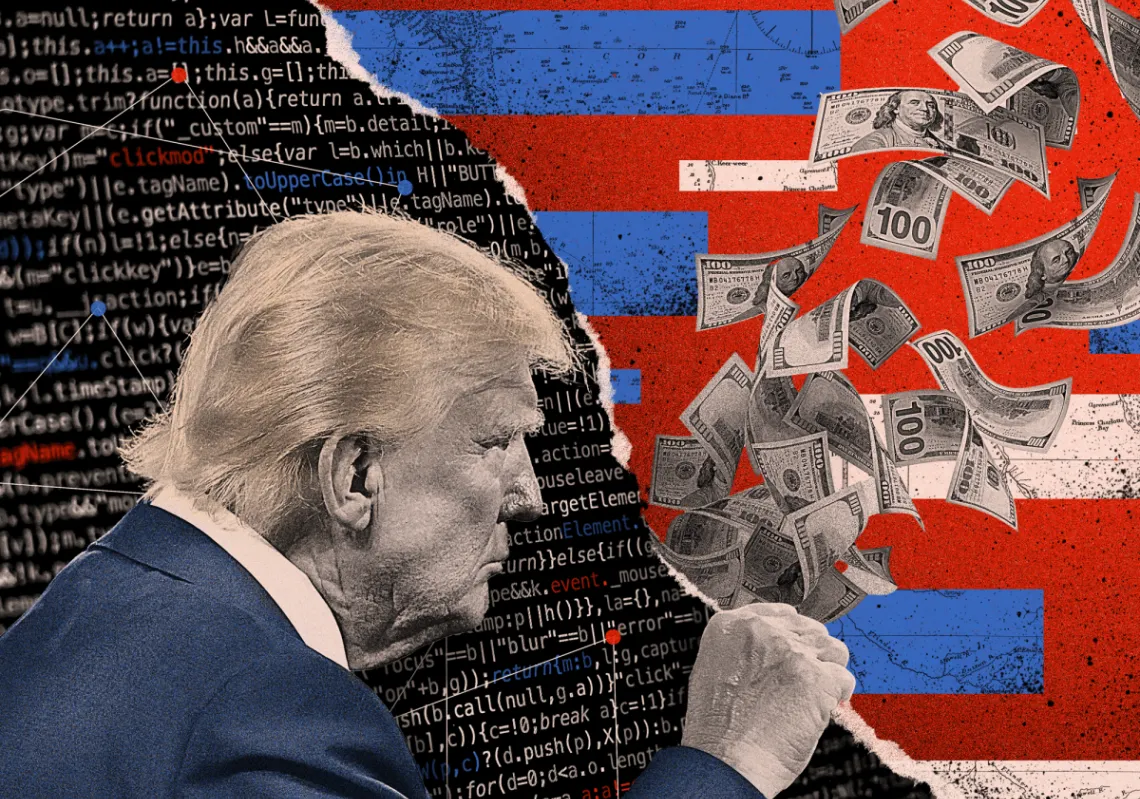
Building on the ten-day ceasefire announced by US President Donald Trump, time will tell if these talks are a one-off or the beginning of a different path for Lebanon.
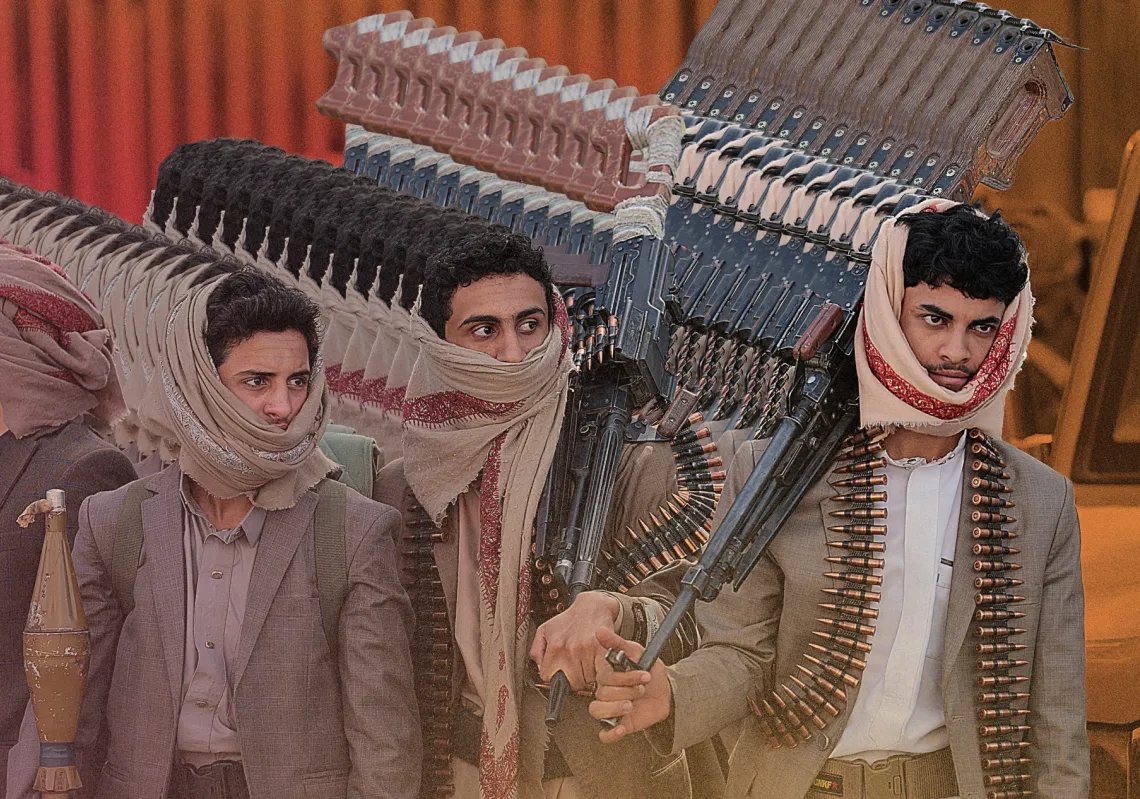
Iran's deep ties with key countries are enough to set off US anxiety and influence strategic calculations, but not enough to constitute a decisive second front in times of war
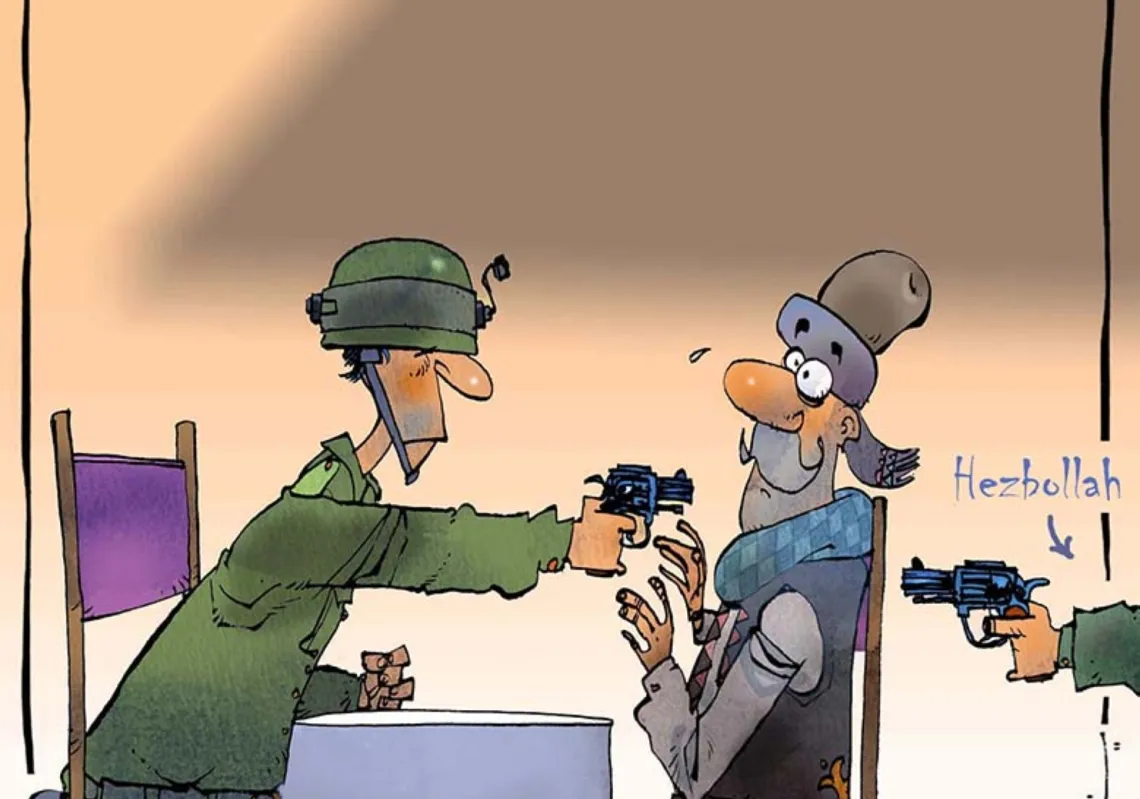
Tehran says any negotiated settlement to the US-Iran war must include its Hezbollah allies, but this could take a long time—a luxury Lebanon may not have.
Amid mounting international, regional and domestic pressure, the group's fate hangs in the balance. A defeat of the Islamic Republic, therefore, could spell the end of Hezbollah.
The standoff in the Hormuz is not simply a question of whether Tehran can survive economic pressure, but whether Washington can sustain the pressure at an acceptable cost.
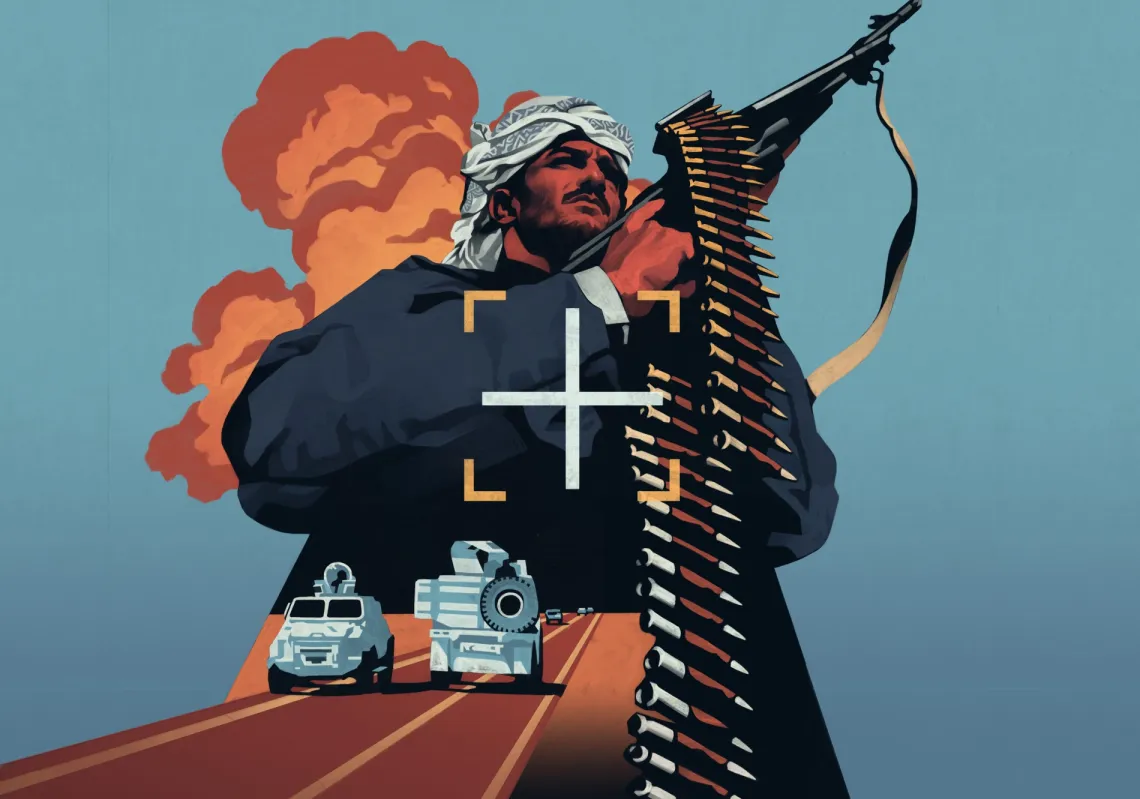
The Strait of Hormuz is now poised to become the primary arena of confrontation, with Iran relying on speedboat-driven guerrilla warfare to confront the US navy.
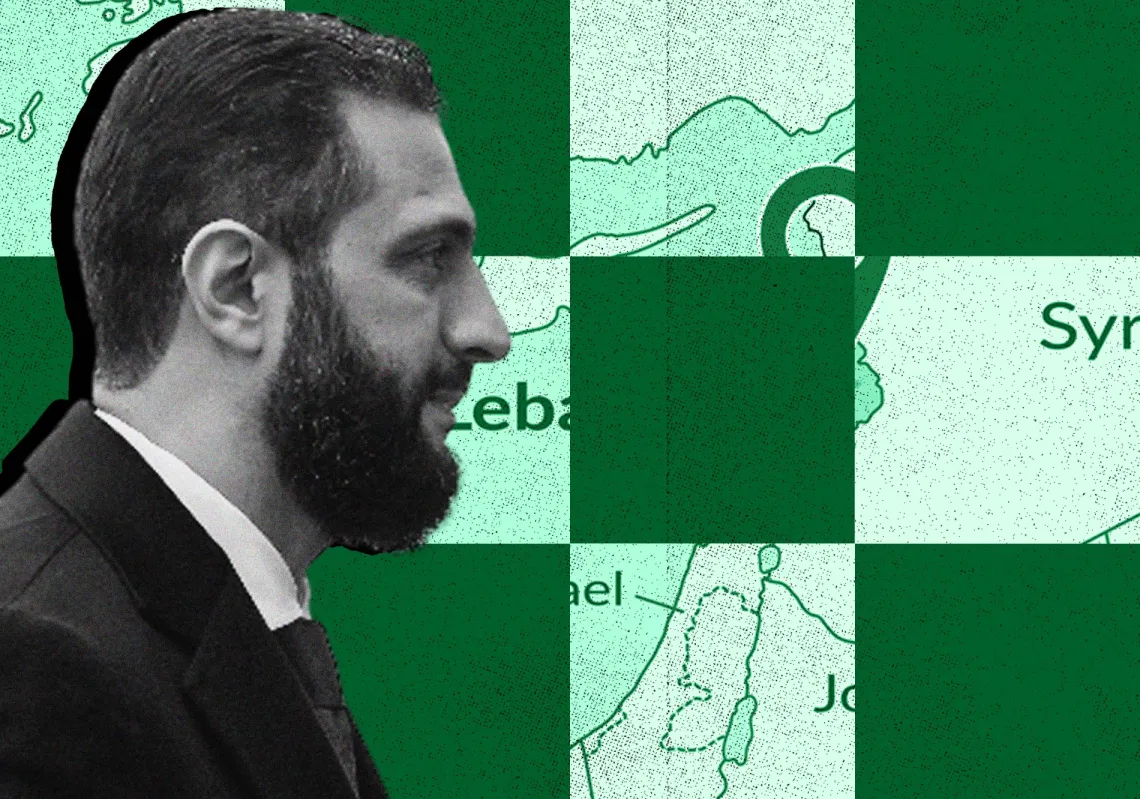
Former regime soldiers are stuck in limbo, as their undocumented status prevents them from working, travelling, and curbs family members' access to education, healthcare and social services