


A deep dive into the evolution of US sanctions against Syria, the Caesar Act's critical role in that evolution and how these sanctions place a ceiling on Arab normalisation with Damascus.
Libya's warring factions are not fighting and oil is flowing, but this illusion of stability can disappear anytime. A legitimate government is key to ensuring development in the country.
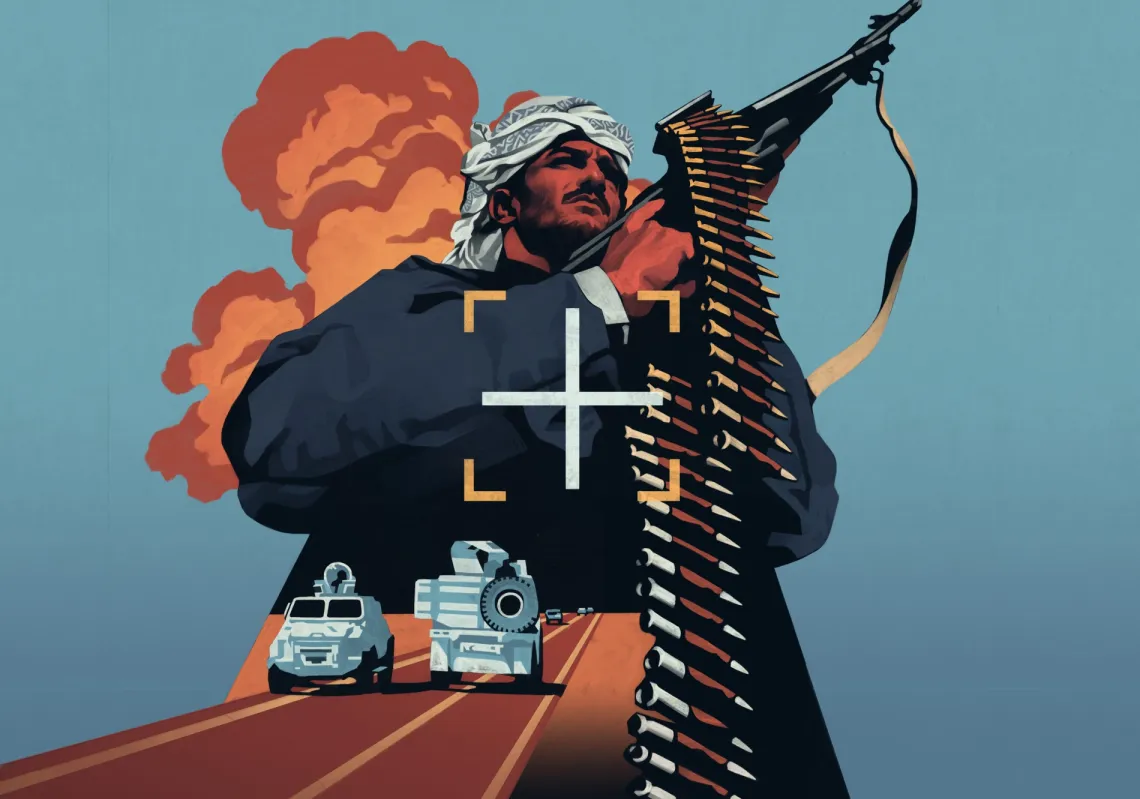
Not enough is known about the Captagon trade — its history, role in the Levant, and impact on regional geopolitics. Al Majalla gives a detailed background about the rise of this narcotic drug.
Safeguarding its water interests, securing its borders and preventing other regional players from gaining a foothold in Afghanistan are all reasons behind Tehran's pragmatic approach.
In an exclusive interview, UN Special Envoy to Syria Geir Pederson tells Al Majalla about his 'step-for-step' approach to resolving the Syrian conflict, while welcoming Arab normalisation efforts
China has neither the willingness nor the ability anytime soon to substantially project military power into the Middle East. To continue to meet its ends in the Middle East, Beijing may not need to.
The economic devastation wrought on Syria by war is outmatched by a horrendous human cost. Changing its trajectory will be harder while those responsible for the plight remain in power.
The primary focus of this initiative is to emphasise Syria's need for a second independence and to present nine key provisions for a comprehensive solution.
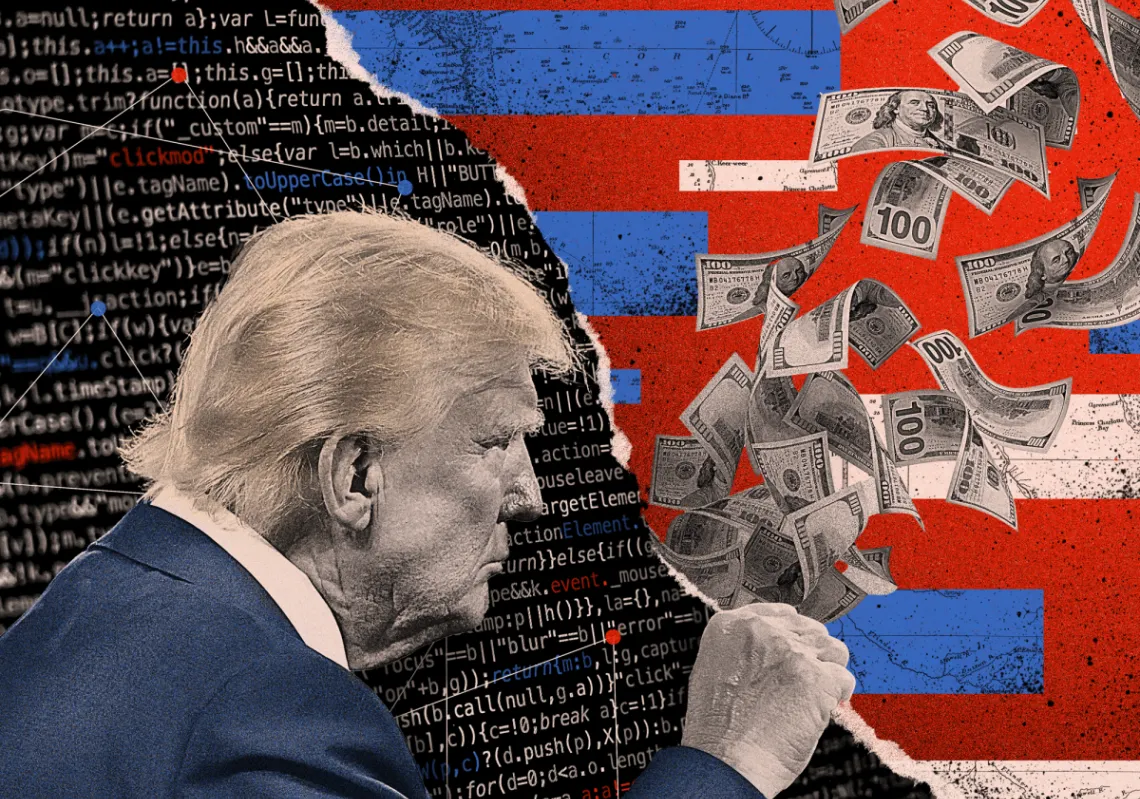
While all the effects of this conflict may take time to fully realise, short and medium-term signs expose the limits of US power and see America's rivals benefiting
Closing the Strait of Hormuz has shown how the Gulf should shift from an oil-export model to a digital and distribution hub. Will this trigger the long-delayed free trade agreement with China?
Building on the ten-day ceasefire announced by US President Donald Trump, time will tell if these talks are a one-off or the beginning of a different path for Lebanon.
Egyptian heritage researcher Haytham Abu Zayd sheds light on how the art form grew, excelled, and then declined over the years and ends by offering a path to revival
