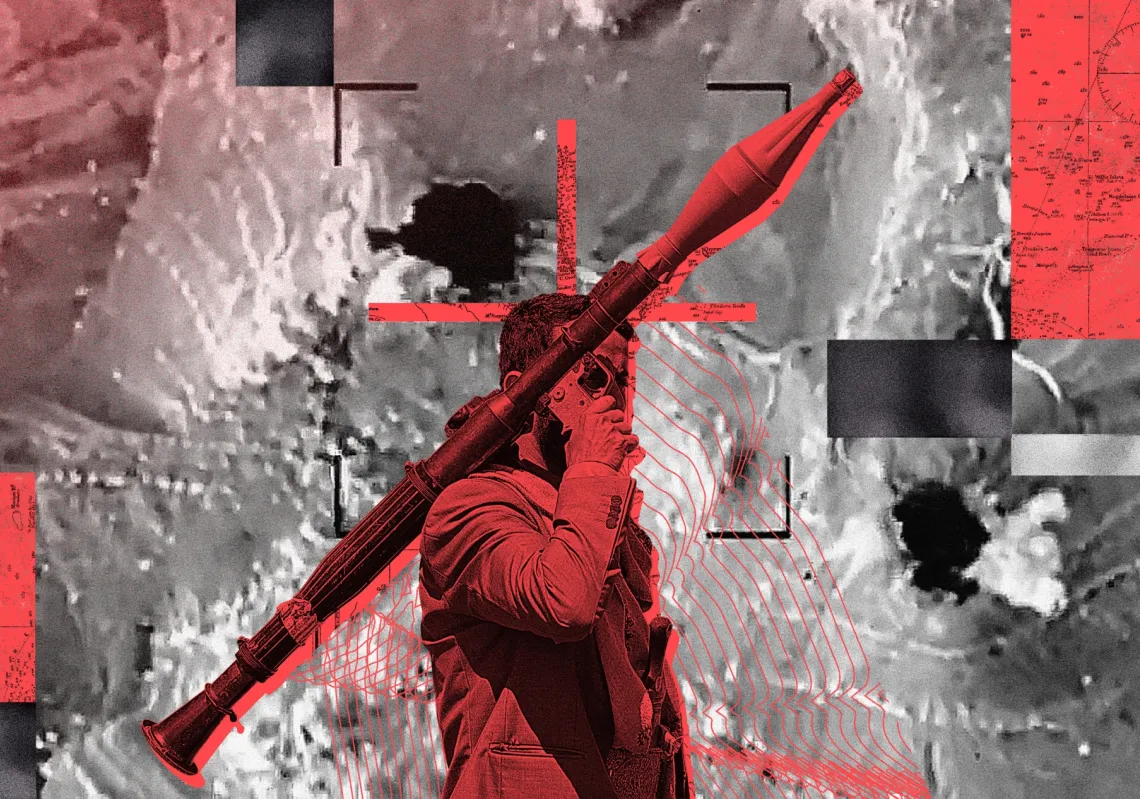



Israel is not only targeting Hezbollah leaders and weapons but also its finances, those who run them, and access to foreign currency, piling pressure on its supporters in Lebanon's cash-based economy
Tension in the Horn of Africa is not new, but the rivalry between Cairo and Addis Ababa has escalated, as Ethiopia forges ahead with projects that threaten Egypt's national security
US academic Jonathan Gribetz asks why Palestinian nationalists in Lebanon set up a research centre on Zionism, why it was important, what fate had in store for it, and what lessons can be drawn
New investments from the sovereign wealth fund and bilateral trade of $33bn means these two pivotal Arab states can continue enjoying mutually beneficial ties
Just after Israel invaded Lebanon, Hezbollah fired missiles at the Mossad headquarters in Tel Aviv. Hours later, Iran followed with over 200 missiles. Now, the region waits for Israel's next move.
On Monday, three rockets were fired at the Victoria military base in Baghdad hosting US troops. A day earlier, the Islamic Resistance in Iraq claimed a drone attack on the Israeli port city of Eilat.
After Israel avoided prevention measures and sent tens of thousands of messages to Lebanese citizens, fears have grown over the security of a key part of the country's infrastructure
Disruption in the Hormuz can have major implications for global trade, but it also creates opportunities for smaller nations like Iran to become global political players
The Iraq war was viewed as disastrous in retrospect, while the Iran war was unpopular from the get-go. Al Majalla highlights the similarities and differences between the two.
Pipelines have a chequered history in the Middle East, but the closure of the Strait of Hormuz has led US Tom Barrack to conclude that a new route through Syria could solve some problems.

