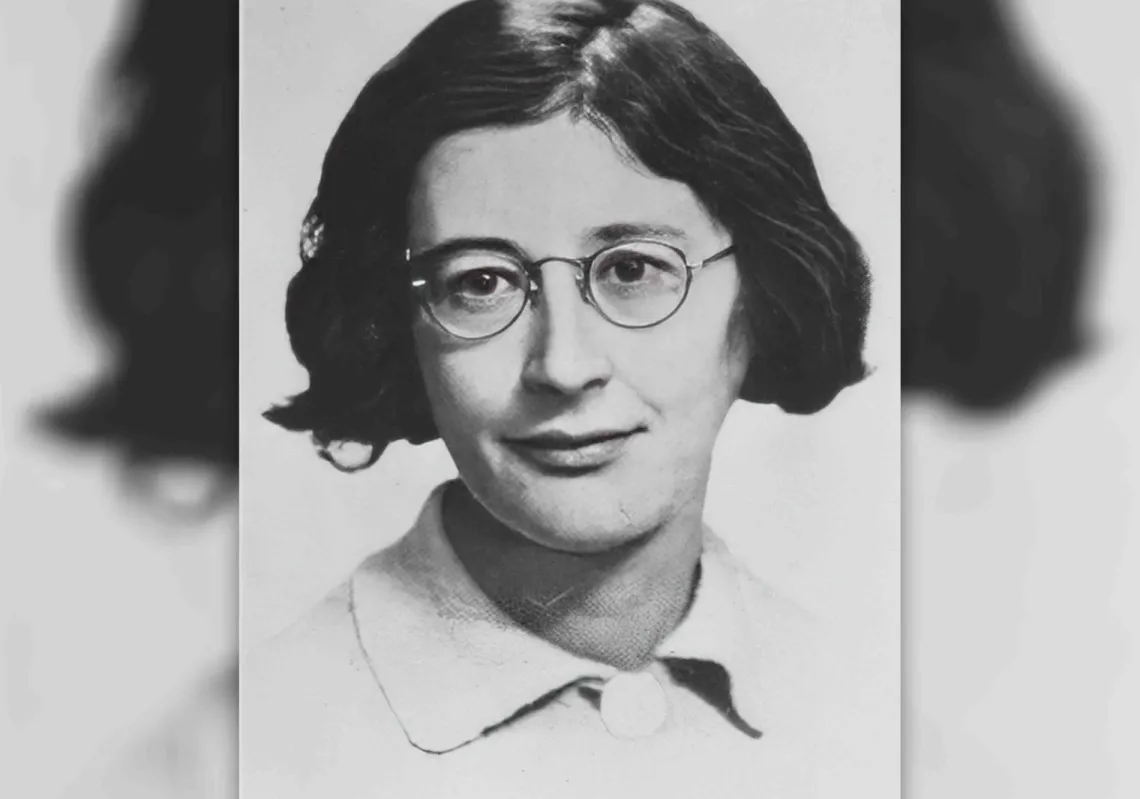
Throughout history, intellectuals have struggled to come to terms with the arrival of violence and the sudden discarding of values and morals once considered foundational
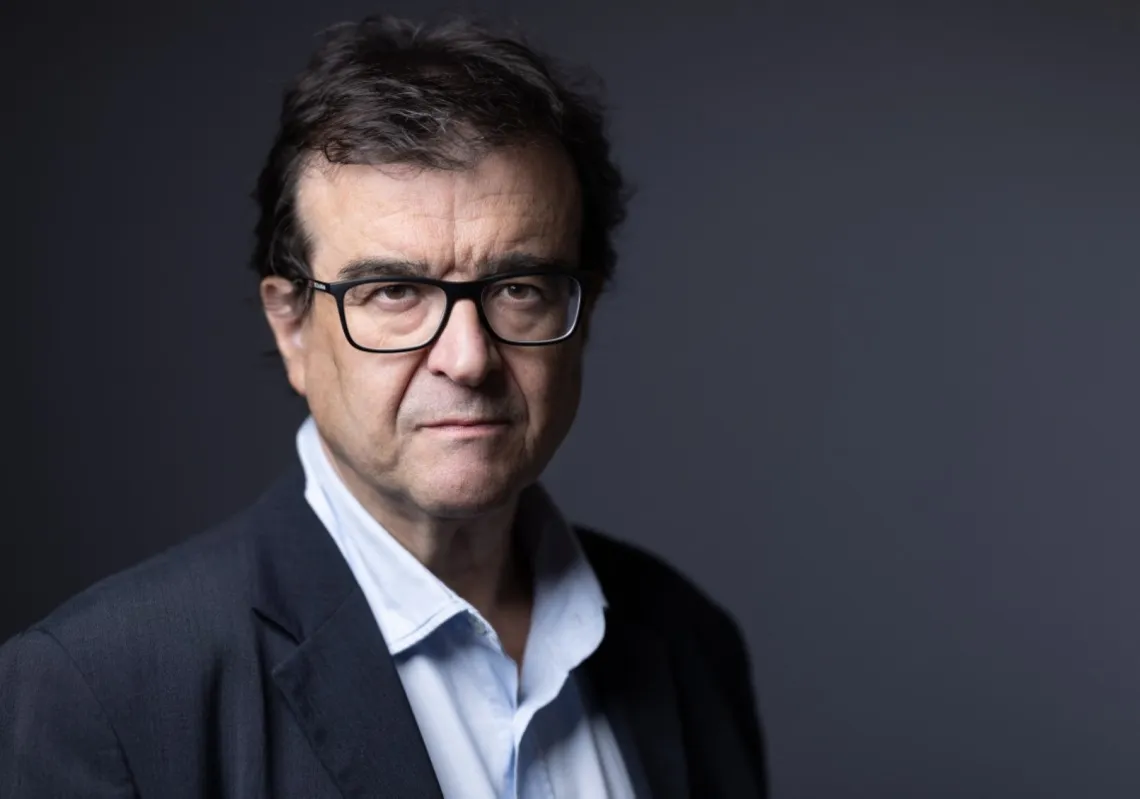
Luis Mateo Díez, 81, won the 2023 Miguel de Cervantes Prize, the most prestigious literary award in the Spanish-speaking world. Díez's commitment to Castille and León paved the way for his epic texts.
Russian writer Leo Tolstoy, an advocate of peace, love, tolerance, and non-violence, deeply admired Islam. His message resonated with major figures, from Mahatma Gandhi to the Grand Mufti of Egypt.
Artists like Pablo Picasso, Jean-Michel Basquiat, Arthur Rimbaud and Imru' al-Qais made a long-lasting impact in their youth. Why, then, does the Arab world shun new voices?
Now available in a new Arabic translation, Franz Kafka's 'Letters to Felice' spans over 800 pages, making it the most extensive composition in his literary repertoire.
The acclaimed writer tells Al Majalla about the story of his father's murder at the hands of paramilitaries and the full gamut of his work, including a book to cheer spirits with unusual recipes
Nobel laureate Mario Vargas Llosa writes a regular column in Asharq Al-Awsat. Peru's great man of letters is more interested in shedding light on the human condition than trending on social media.
In a wide-ranging interview with Al Majalla, the distinguished academic discussed the history of relations between Islam and Italy and the areas of clarity and discord between two intertwined cultures
The award-winning writer tells Al Majalla how he chronicles urban life with an eye on the country's unique heritage as well as the violent overlap between politics and crime in the present day.
A two-week truce has sparked a cautious market rebound, but deep anxiety persists over renewed escalation and its impact on global growth and inflation
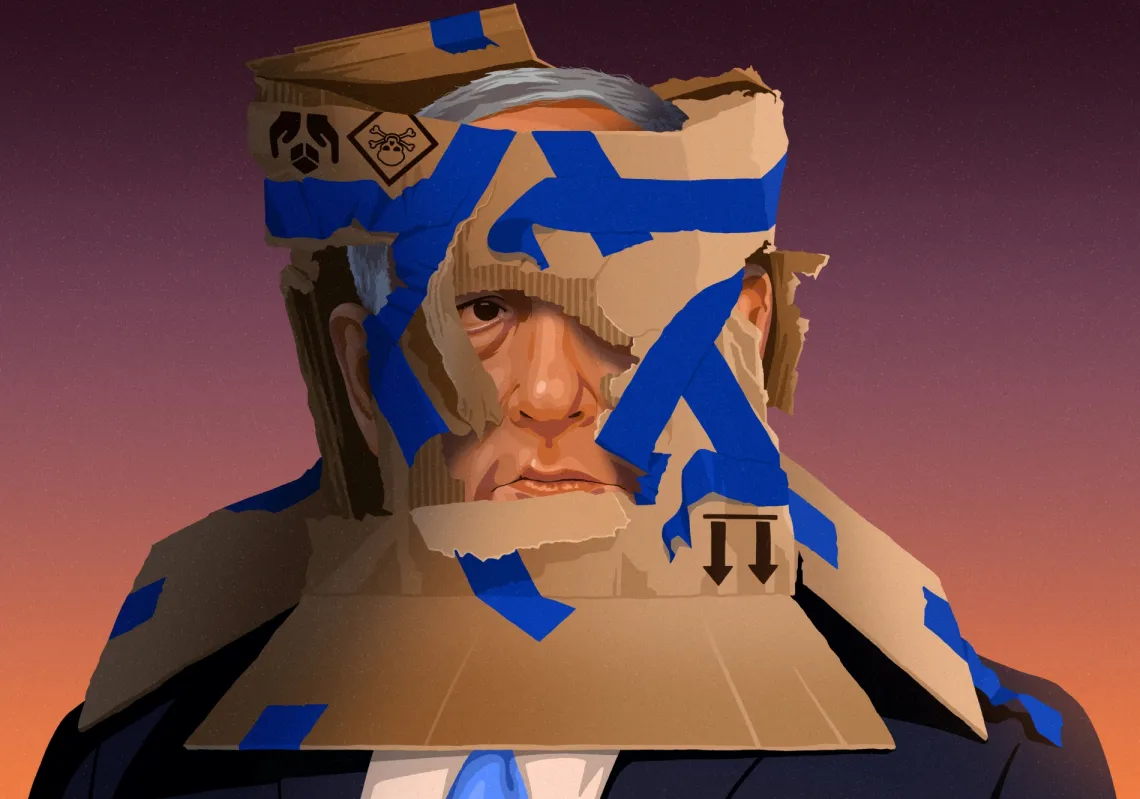
Sources tell Al Majalla that Iran was able to build a rapport with US Vice President JD Vance in Islamabad, but sensed his hands were tied in the presence of Trump's son-in-law and close friend
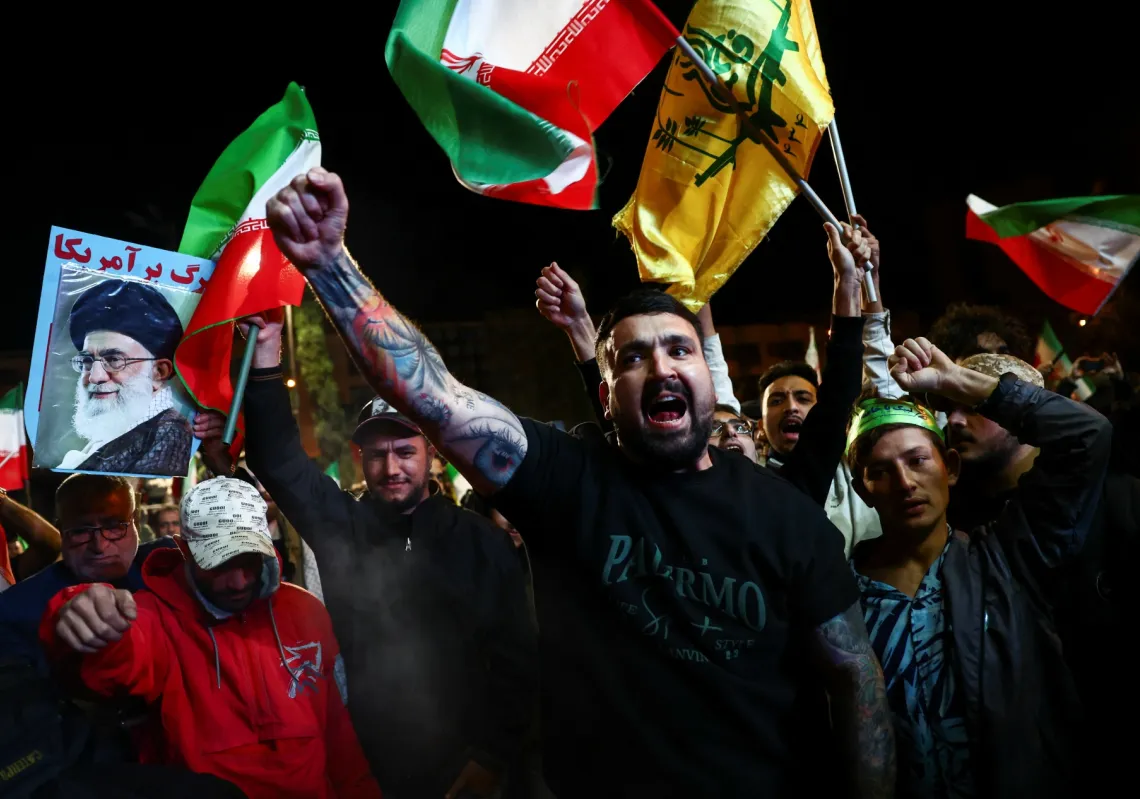
The first is on the border against Israel, which seeks to seize their land and drive them northwards; the second is within Lebanon itself, against a state that seeks to marginalise them