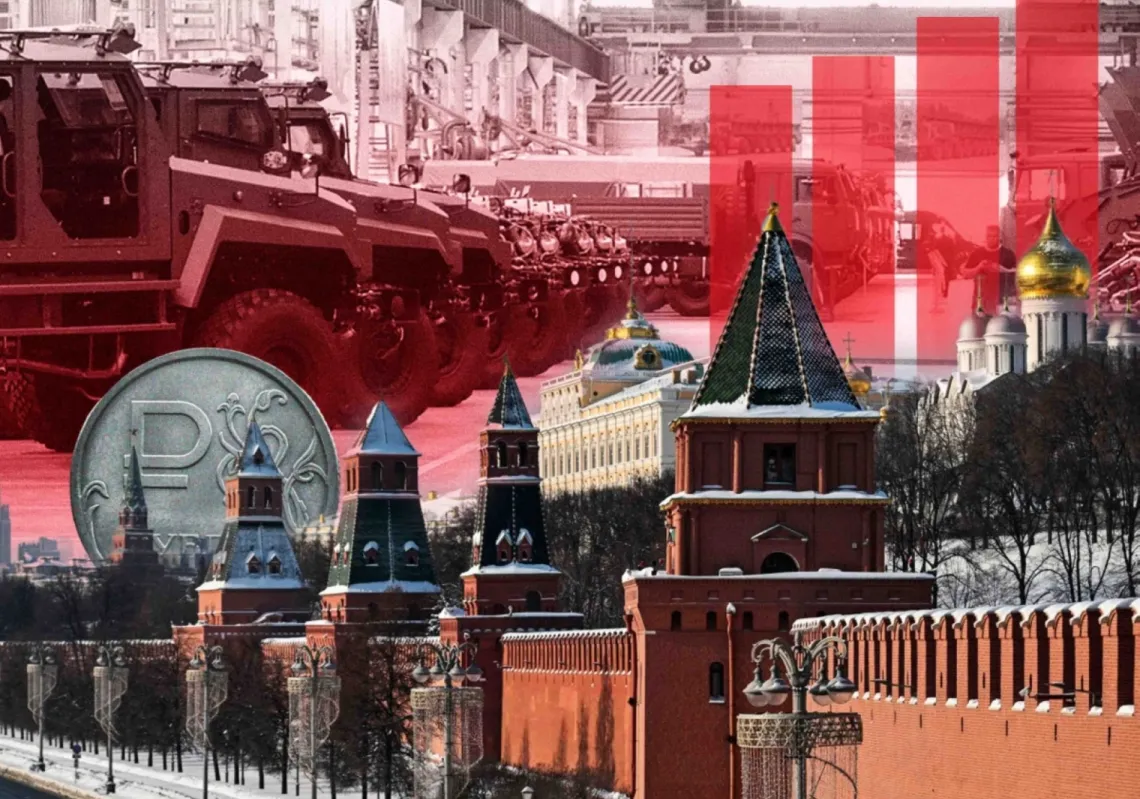
Unsustainable defence spending is causing problems beyond the industry itself. As the war in Ukraine rages on, growth has slowed sharply, and few good options remain, as recession and stagnation loom.
Amid reports of more wins for Zelensky's forces in Belgorod, Putin may yet regret invading his neighbour's land. The change in fortunes shows how Kyiv kept its elite combat troops ready to strike.
The actor-turned-president's term ends on 20 May and new elections will not take place, prompting questions—especially in Russia—about the legitimacy of Zelensky continuing in office
Both Moscow and Kyiv have several moves left to alter the war's outcome. The ability to do so largely depends on the commitment of resources and the will to fight.
The willingness of the Ukrainians to strike targets inside Russia represents a significant challenge for Putin, who claimed the war on Ukraine was to 'secure Russia's borders'
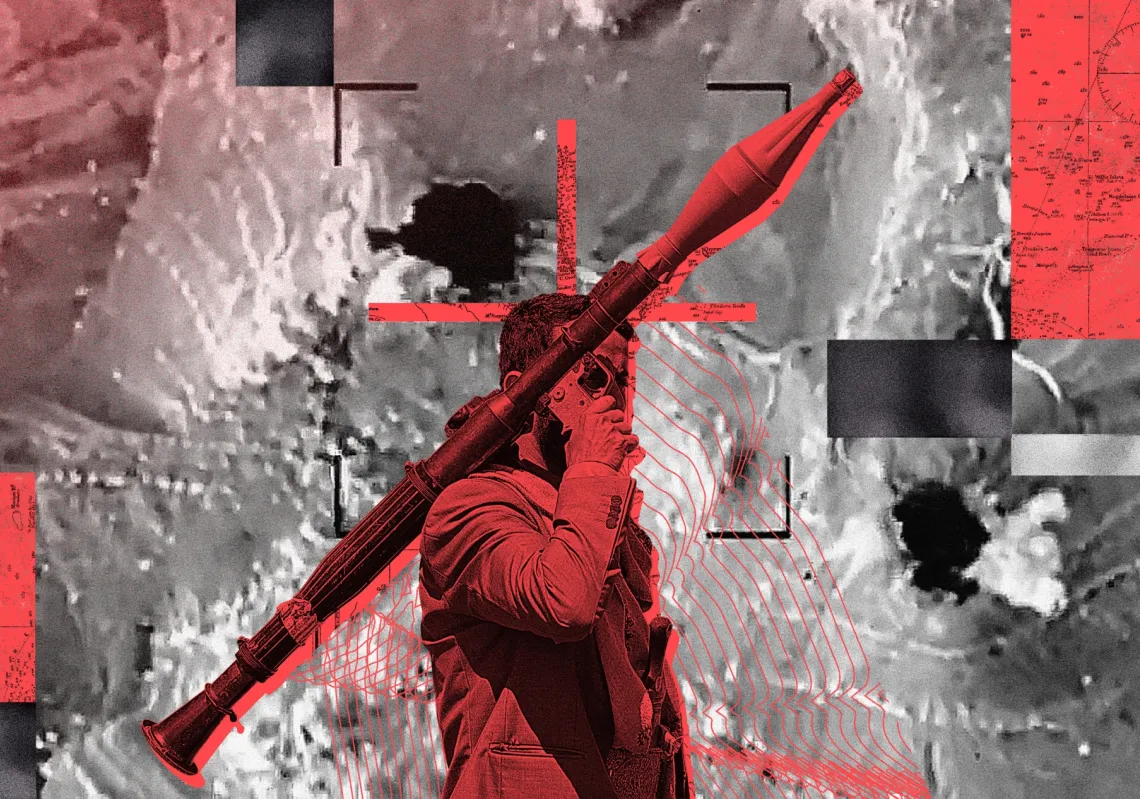
Military strategists have long warned that war should be waged only if those waging it know what they want to achieve. Herein lies a problem: Washington's war aims in Iran are incoherent.
Tehran isn't likely to easily fold if/when Trump attacks. This means that the longer a military confrontation drags out, the more untenable Washington's position becomes.
The conflict has forced Russia to scale back its global footprint and NATO to boost its defence spending. Meanwhile, China and Middle powers have emerged as key beneficiaries.
Natural resources like solar, wind, and water are set to provide 36% of global electricity production this year. Even for sceptics like Donald Trump, the trends are unmistakable.
Some point to his possible links to Mossad through his associate Ghislaine Maxwell, whose father was a known Israeli spy, and assert that he blackmailed powerful figures to exert influence
Al Majalla - London
Sign up for the Weekly Newsletter
Get the best of Al Majalla, straight to your inbox.