The latest violence against Druze is yet another example of the danger of failing to address sectarian fissures, leaving Syria's fragile transitional process dangerously exposed
Having agreed on an outline for integration with Syrian President Ahmed al-Sharaa last month, Kurdish-led groups have now issued a raft of contradictory demands, angering both Damascus and Ankara
Weapons caches, investigations into killings, ongoing raids and kidnappings, coordinated assaults, roadblocks, and sporadic fighting does not instil confidence, but some residents see reason to hope.
On 26 April 2005, Syria was forced to pull its troops from a country that US Secretary of State Henry Kissinger had tacitly invited in a year after the civil war erupted in 1975
Demands include a public ban on any Palestinian political activity, proscribing Iran's Revolutionary Guard as a terrorist organisation, and allowing unilateral US military action in Syria
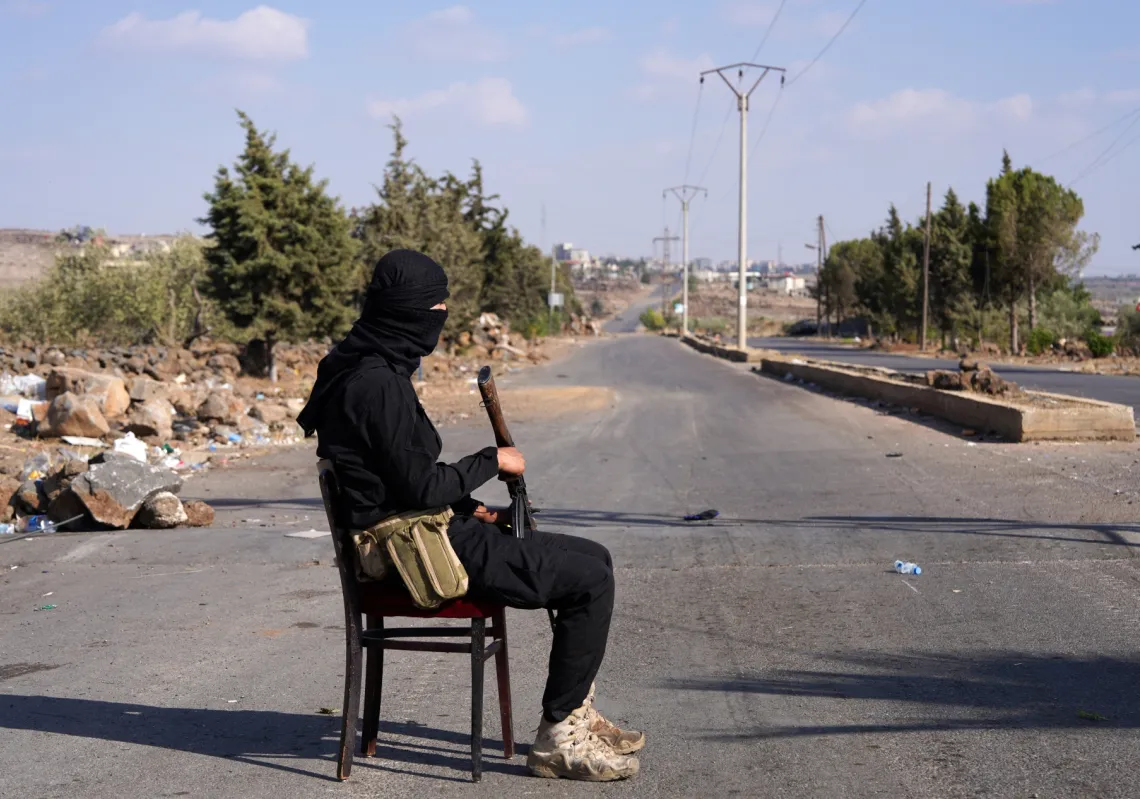
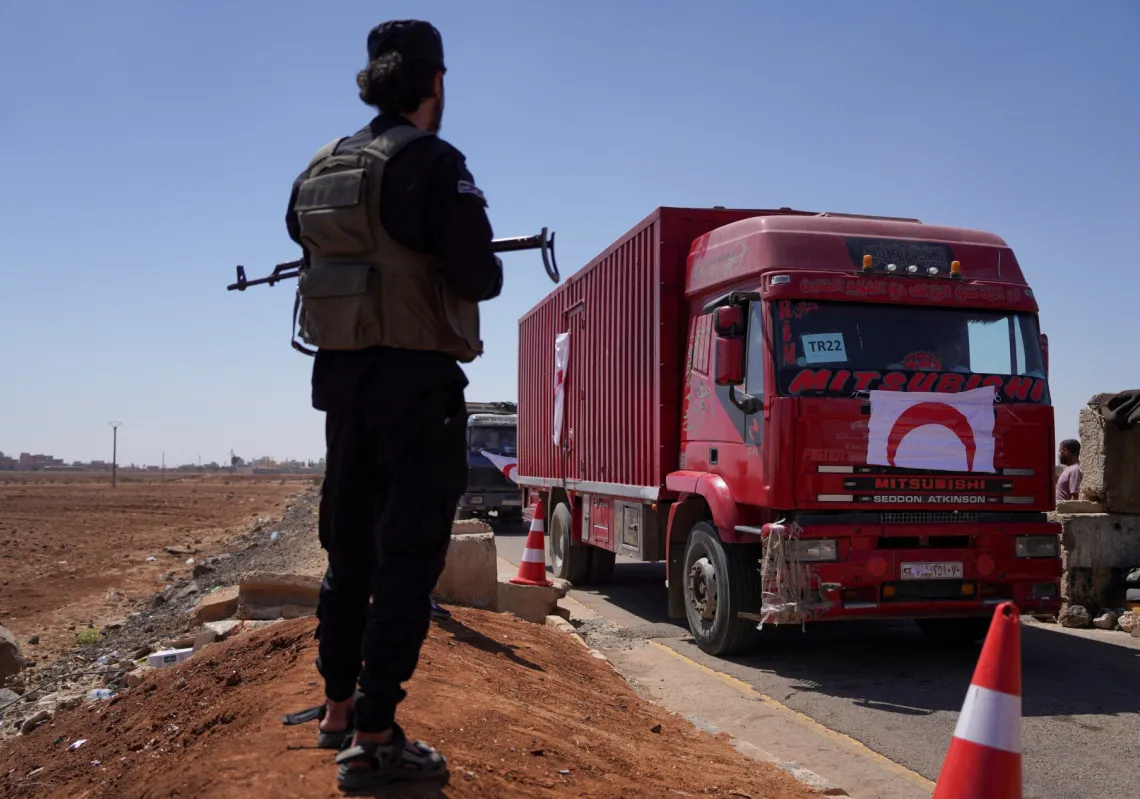
A high-profile armed group in Daraa in southern Syria has reluctantly agreed to hand over its weapons, with its fighters joining a national army under the Ministry of Defence. In the end, it had to.
In Türkiye for talks and a conference, Syria's new president knows that there is much to do and many to satisfy if he is to rebuild his country. Amidst the smiles, those with agendas jostle.
A simple satirical image can cut through in a way that words cannot, so those brave enough to lampoon Syria's brutal Assad regime played a crucial role in its downfall.
Israel knows its military operation cannot last forever, so it is racing to either kill or fatally wound the Islamic Republic before the clock runs out
European gas prices have jumped by 30% after some big GCC oil and gas producers cut supplies, and now a vital maritime trade route is being threatened. The stakes have seldom been higher.