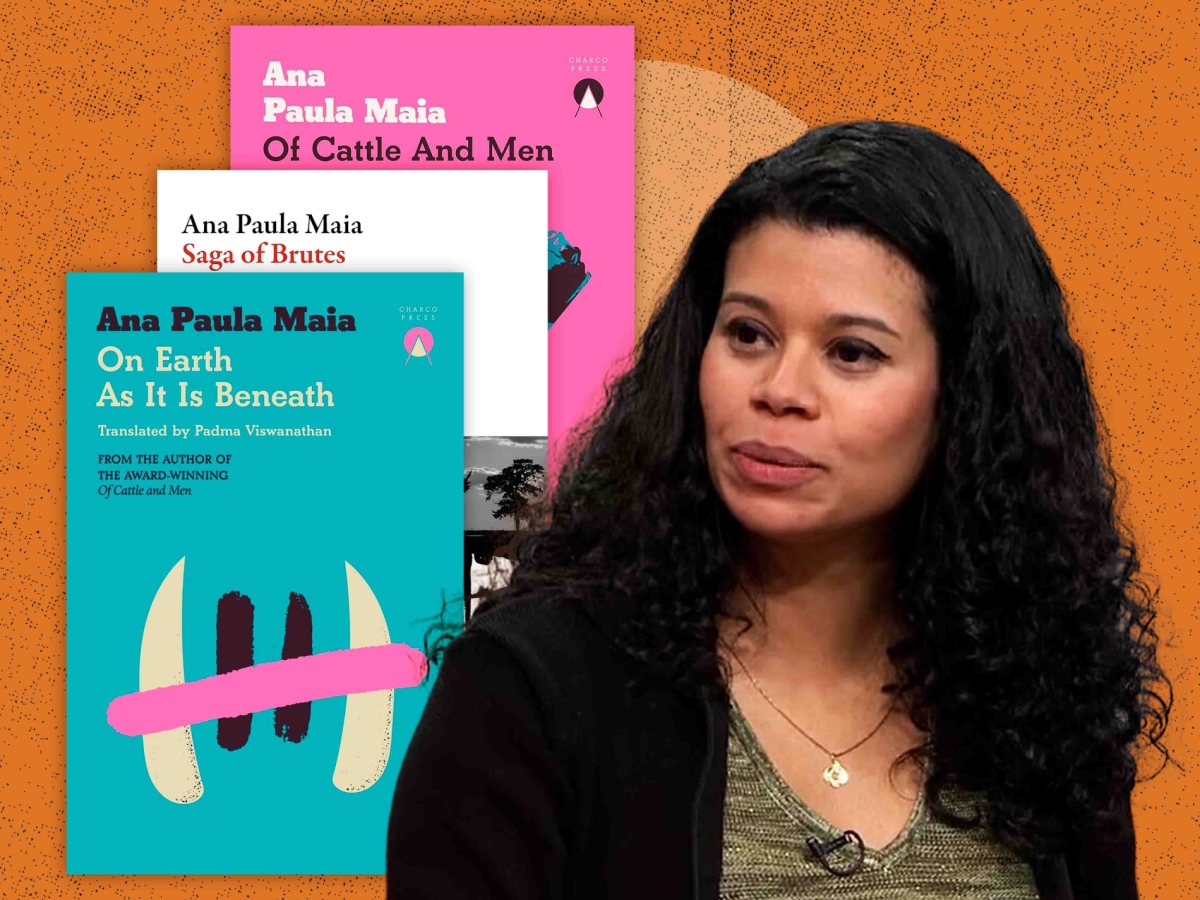

Ana Paula Maia’s book On Earth As It Is Beneath is set in a remote penal colony built on land scarred by slavery and colonialism. Punishment has replaced justice, and cruelty has become the norm in a system led by the violent and unpredictable prison warden Melquíades. The male prisoners all wear electronic tags around their ankles and believe that these will explode if they leave the confines of the prison.
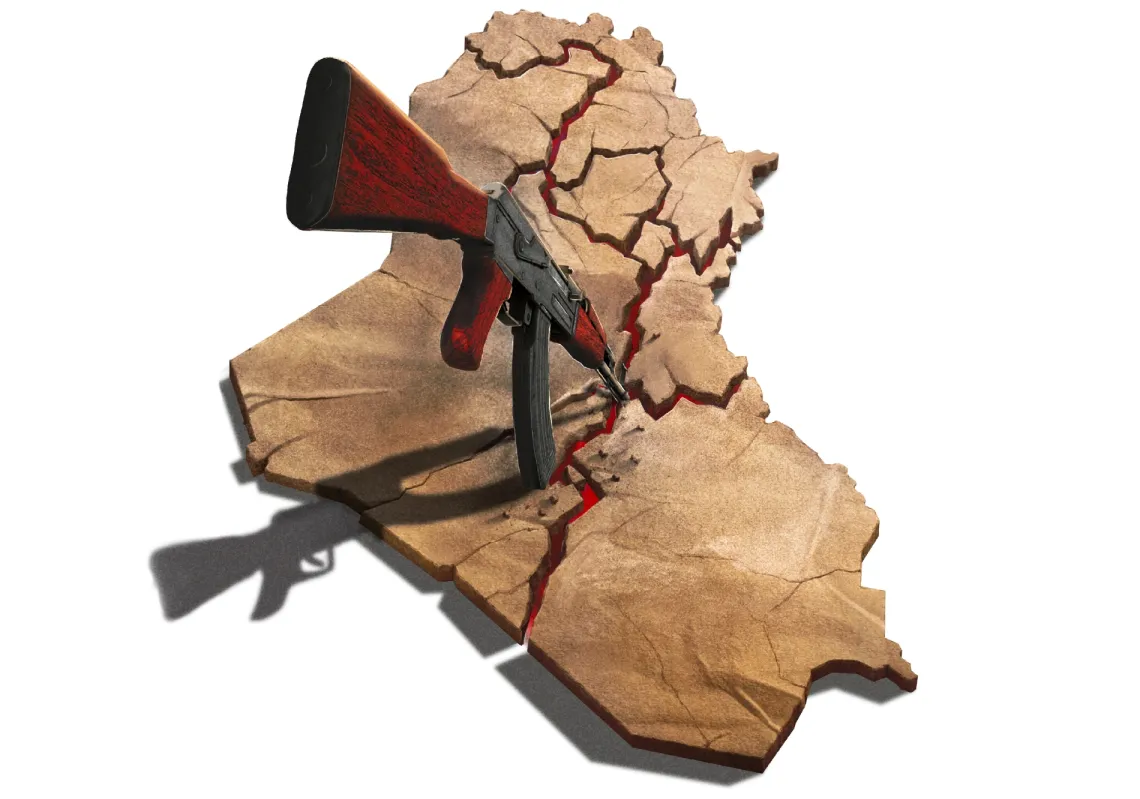
Receiving news that the prison will close, the sadistic Melquíades unleashes a new chapter of terror: every full-moon night, several inmates are released. The warden is armed with rifles, and the hunt begins, as every man plans his escape. “I wanted to talk about the prison system,” Maia said about this book. “Not to judge it, but to try and get a deeper understanding of it.”
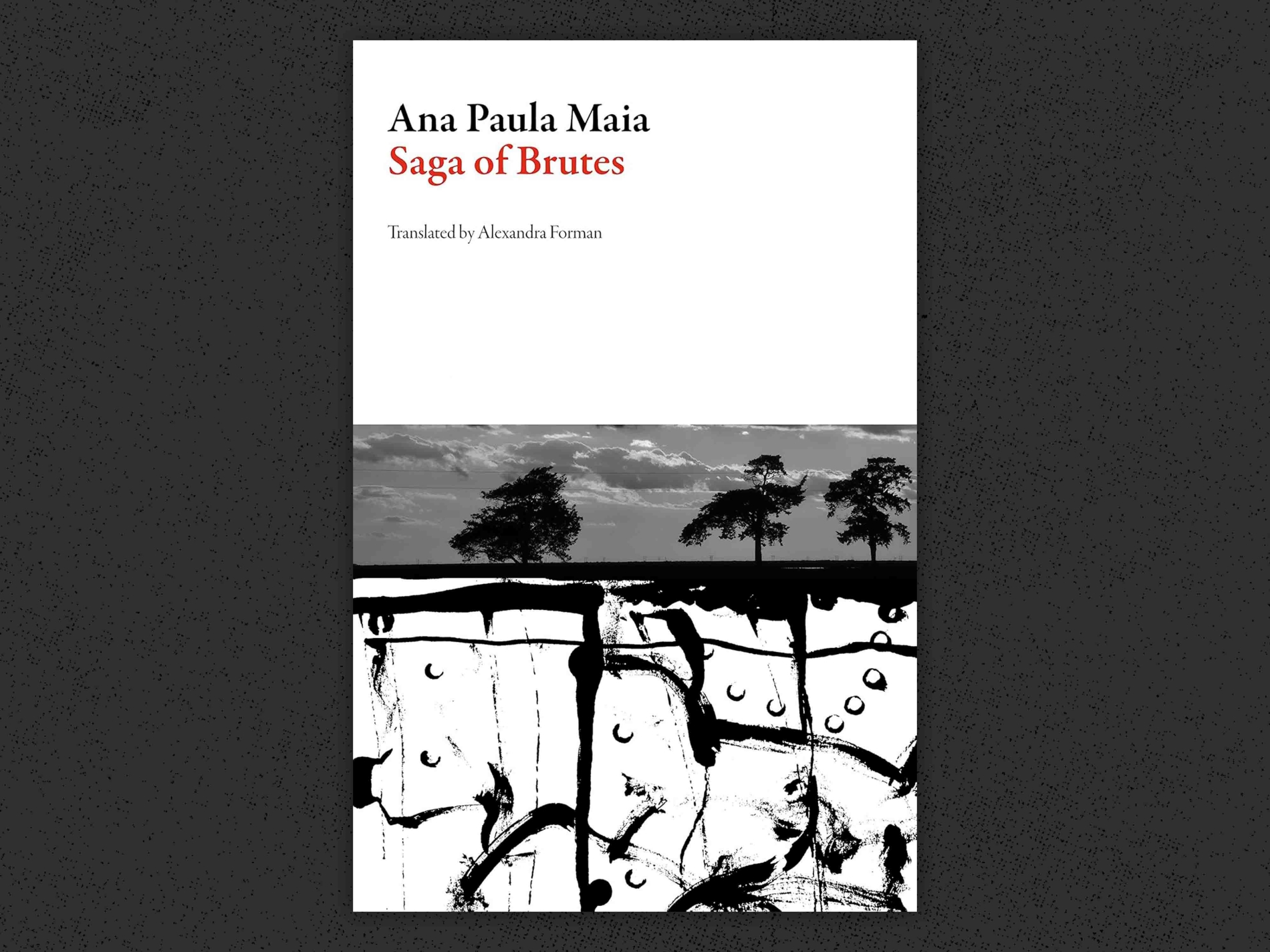
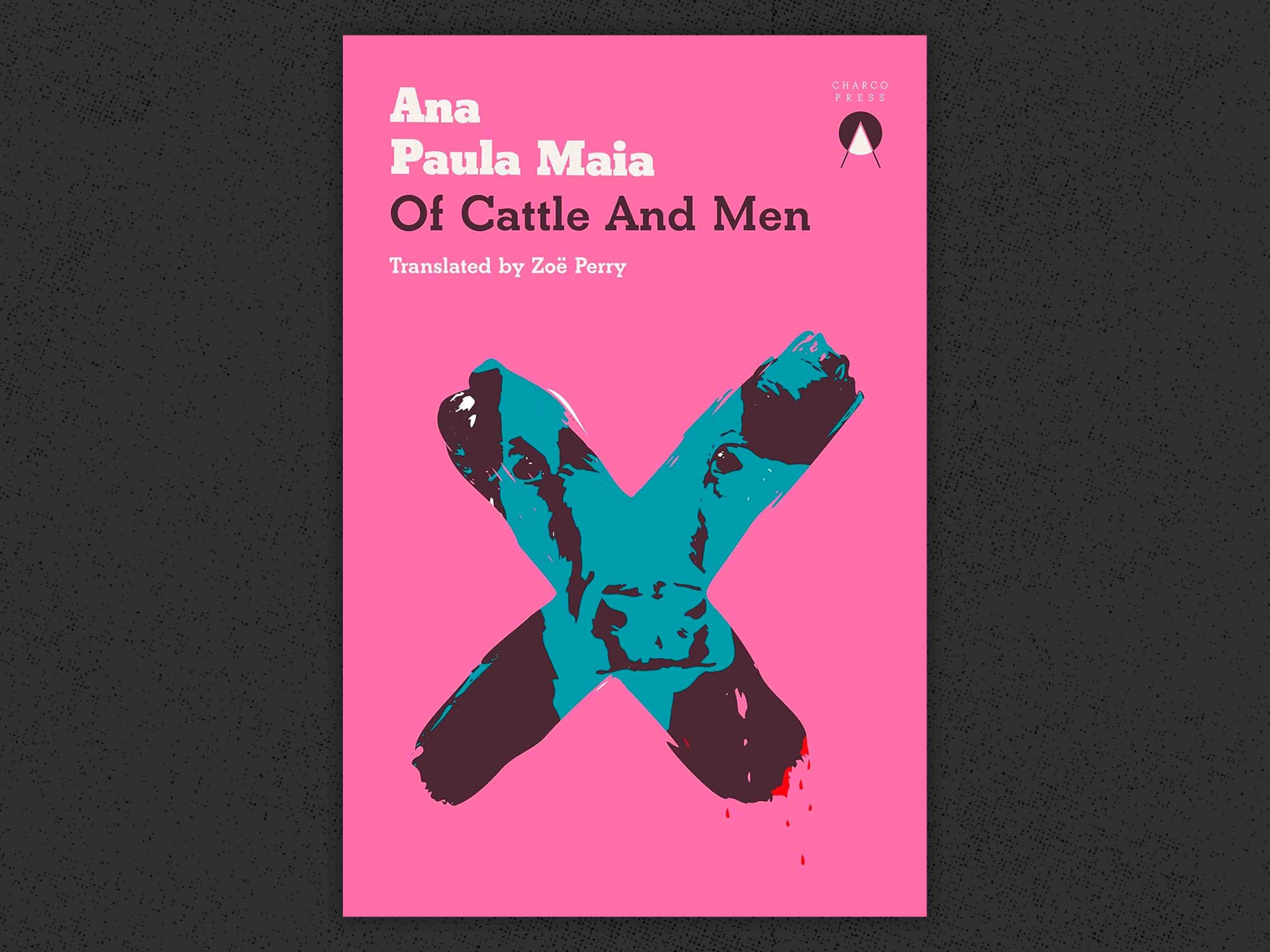
Born in Nova Iguaçu, Brazil, she has published seven novels since 2003, including a trilogy. Her books have been published in translation in Germany, Argentina, France, Italy, Serbia, the United States and Spain. She has also written short stories that appear in anthologies. These have been translated into languages including German, Croat, Spanish, English and Italian. As a scriptwriter, she has worked on a wide range of projects for television, cinema and theatre. Here is the conversation:
The ritual of releasing prisoners on full moon nights and then pursuing them raises questions about power and freedom. Do you see it as a metaphor for Brazilian society specifically, or for a broader human condition?
It is precisely about a human condition that transcends geography. Especially at the moment, when people are hunting other people remotely, whether through war or immigration. It is as if all of us, in some way, were displaced.
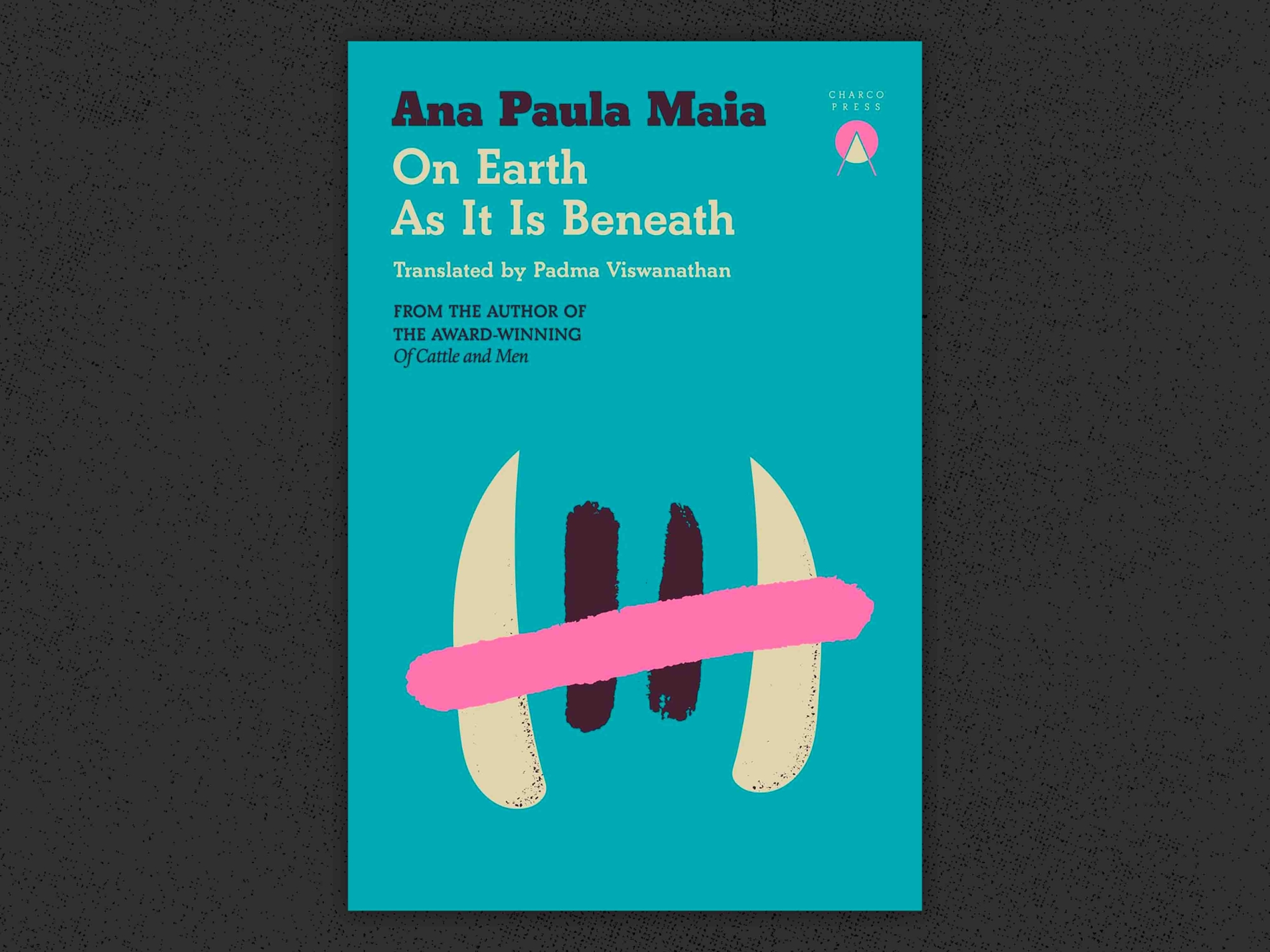
On Earth As It Is Beneath is set in a punitive space rooted in the legacy of slavery. How did you make this legacy present as an active force within the text, rather than merely a historical backdrop?
I think the past is always here. That is why the legacy of slavery described in the prison environment is so constant. You can feel that everything underground is reflected above ground. Many countries marked by fear, persecution, and punishment know that an important part of their history is buried with their ancestors.
In your work, violence appears as part of the everyday structure of life rather than as an exceptional event. Is it a reflection of Brazilian reality, or a universal metaphor?
While writing this book, I had in mind that both in Brazil and in many other places around the world, we are silently led into systems from which we cannot escape. The relationship that we have with our work, being subjected to the systems of power that govern the world and dictate our lives, no matter what kind of work we do.