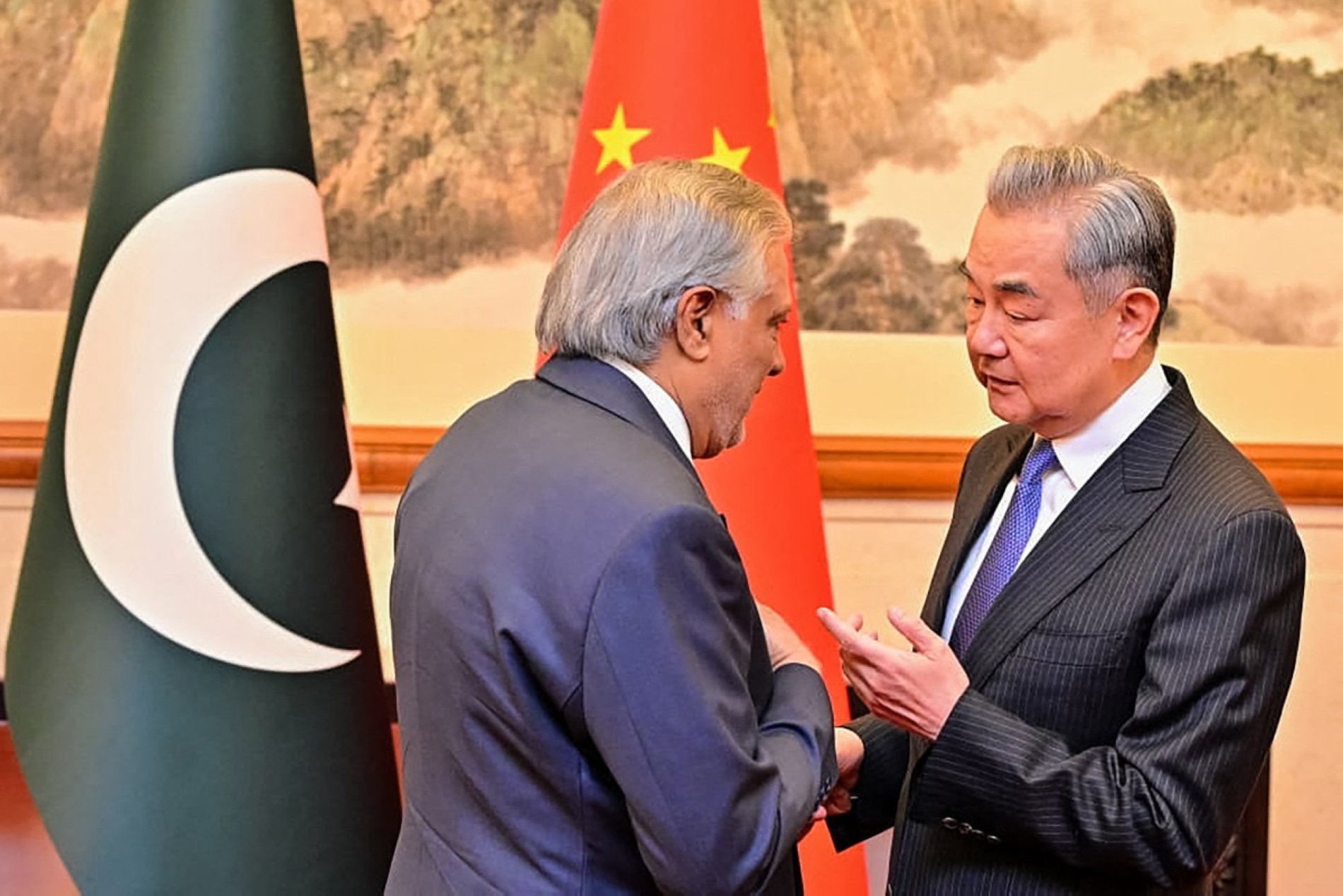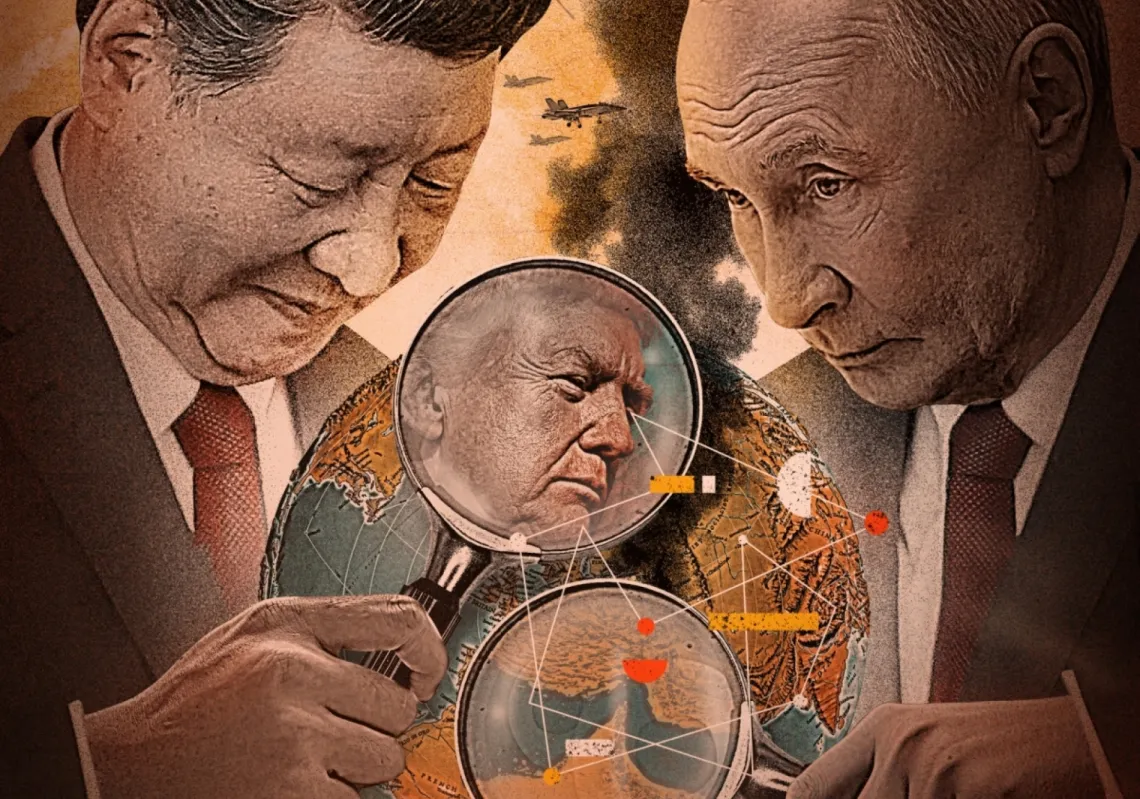

Since the US and Israel waged war on Iran on 28 February, China has issued a cascade of diplomatic communiqués condemning the strikes, calling for a ceasefire, invoking UN Charter principles, and proposing a joint five-point peace initiative with Pakistan. Not a single weapon has followed. Not a warship. Not a military adviser.
This position held firm through the Pakistan-mediated two-week ceasefire, which echoed elements of the China-Pakistan plan and briefly allowed partial reopening of the Strait of Hormuz without Chinese military involvement. Less than a week into the ceasefire, however, the truce looks increasingly fragile, as Israel continues to pound Lebanon and the Strait of Hormuz remains effectively closed, after Trump said the US would institute its own blockade on ships going to and from Iranian ports.
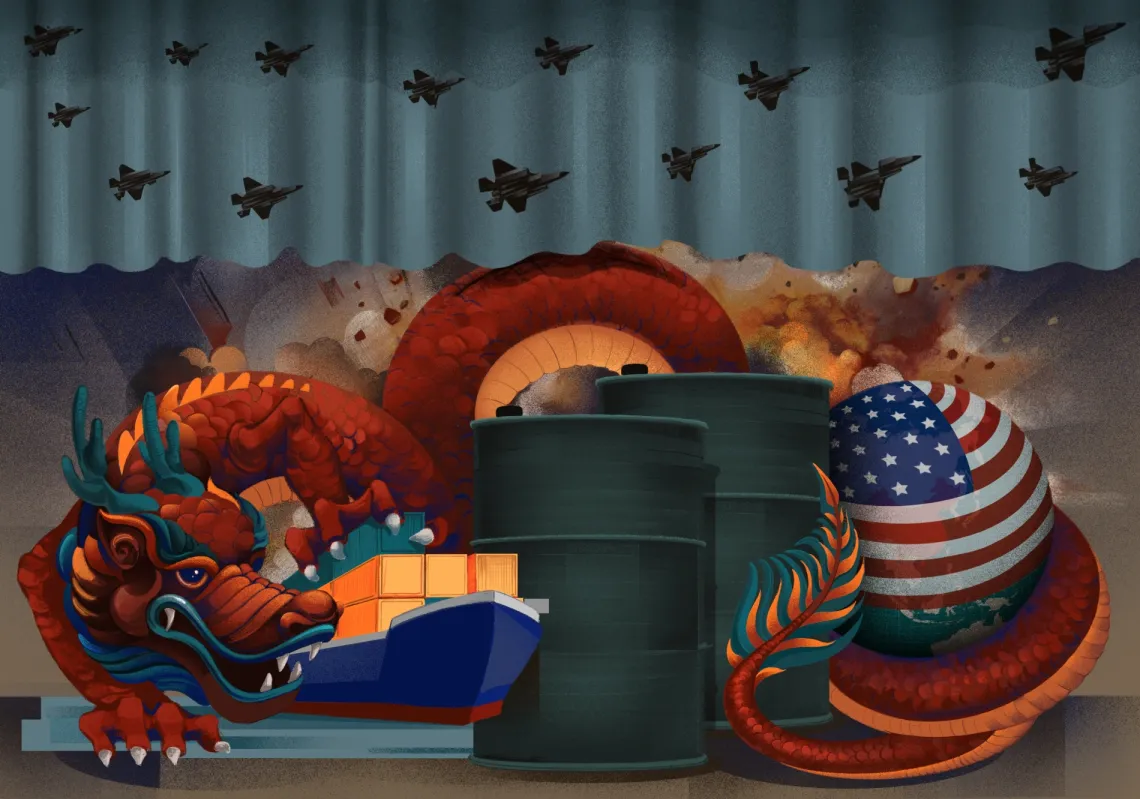
What some view as strategic restraint is, in reality, quite different: China is caught between two catastrophic outcomes, each threatening severe short- and long-term damage. Beijing is desperately buying time while its oil reserves deplete and its action plan takes shape.
To understand China’s position, it is necessary to return to the fundamentals of geopolitics. The Strait of Hormuz runs between two coastlines that represent two distinct categories of Chinese stakes. To its west lies China’s commercial footprint: Saudi Arabia, the UAE, Kuwait, Qatar, Iraq, and Oman.
These are countries with whom China is the largest trading partner, whose sovereign wealth funds invest in Chinese technology and petrochemicals, whose infrastructure generates lucrative construction contracts, and whose crude oil fills the engine of Chinese industry.
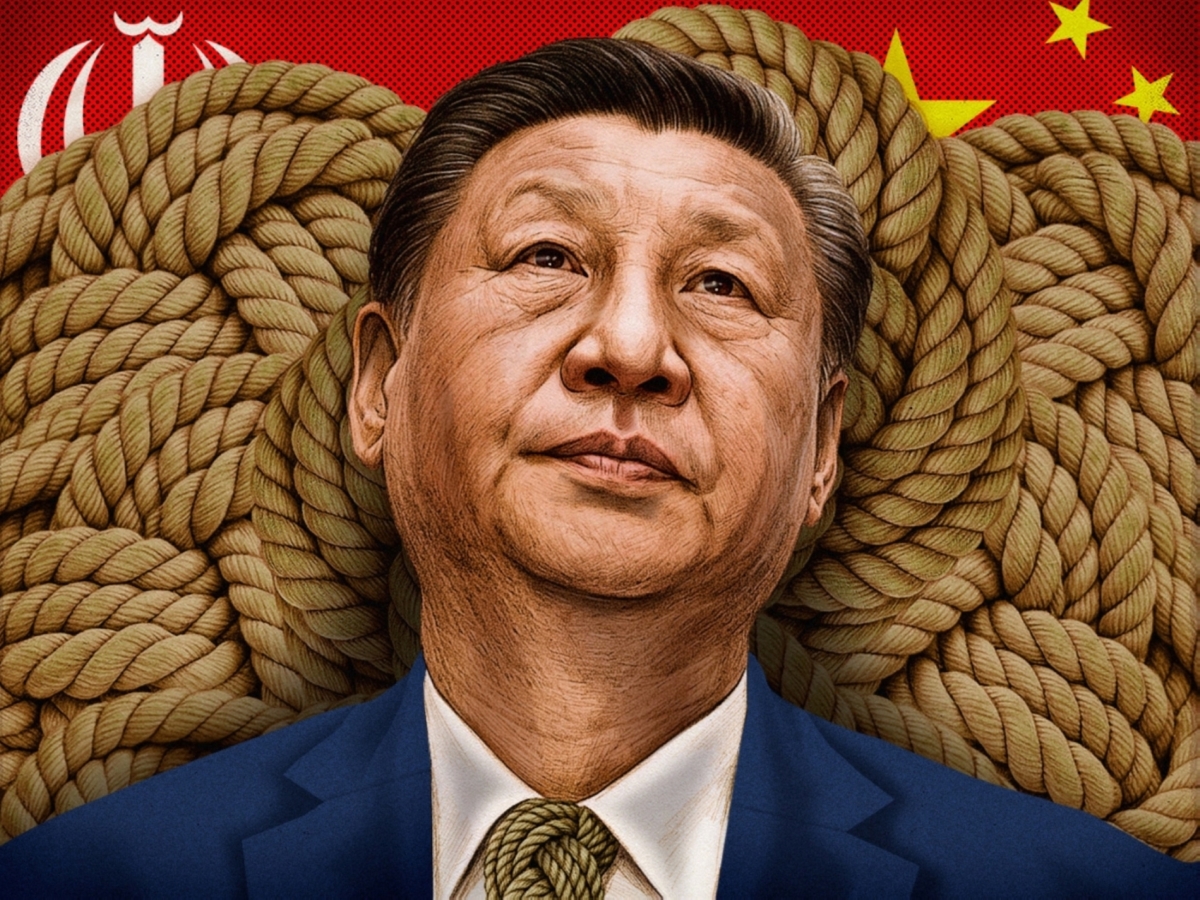
To the east lies a different partner: a Chinese geopolitical anchor. Iran is not China’s most valuable economic partner, though Chinese private refineries rely heavily on Iranian oil sold at below-market prices. However, Iran is China’s indispensable strategic pillar. Its survival helps prevent the entire Middle East from folding into the US security umbrella, exposing Chinese regional interests to potential US coercion. While Beijing cannot afford to let Iran fall, it also cannot afford to let it win. Making matters worse, it cannot afford to keep watching much longer.
A rock and a hard place
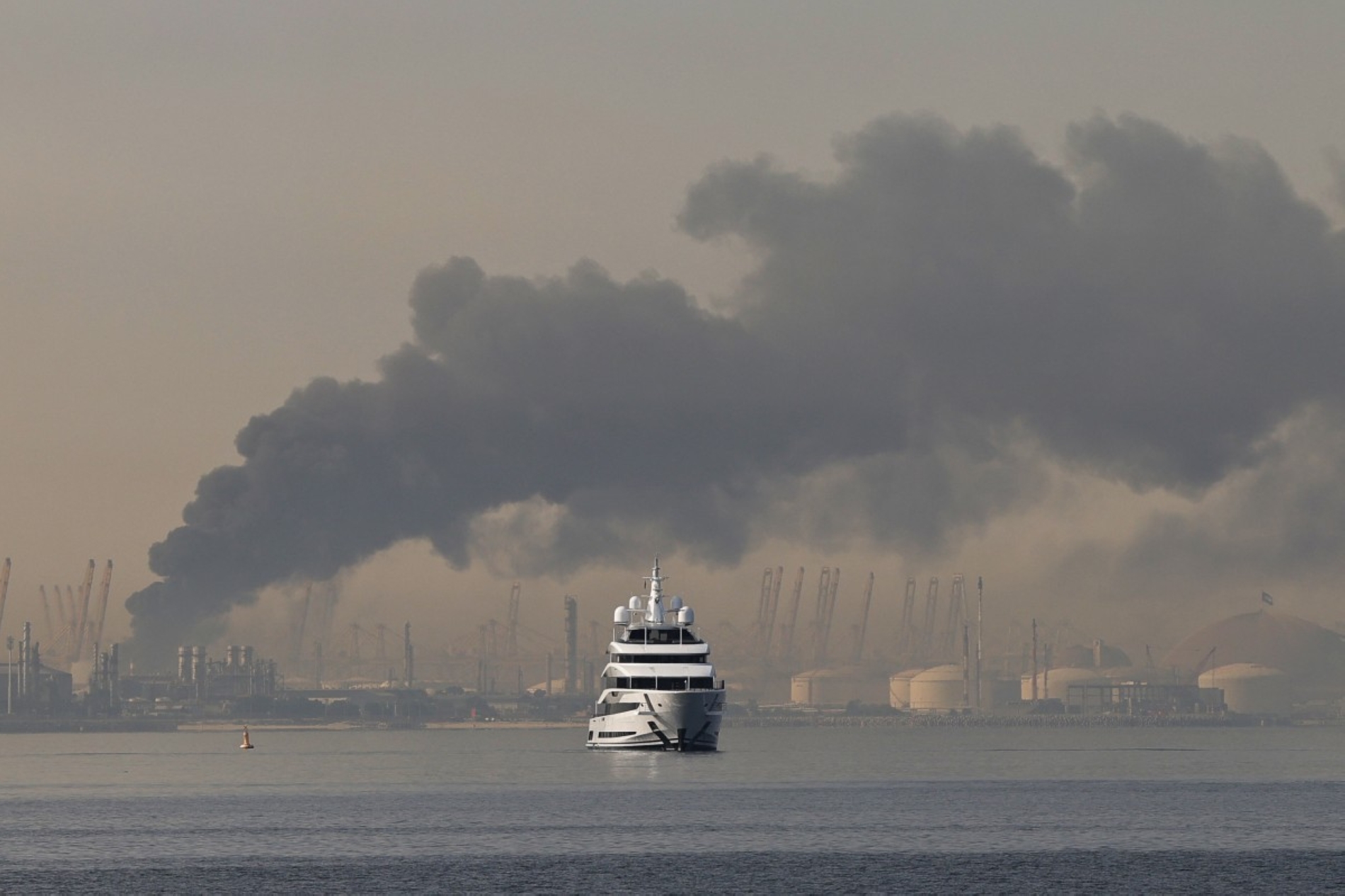
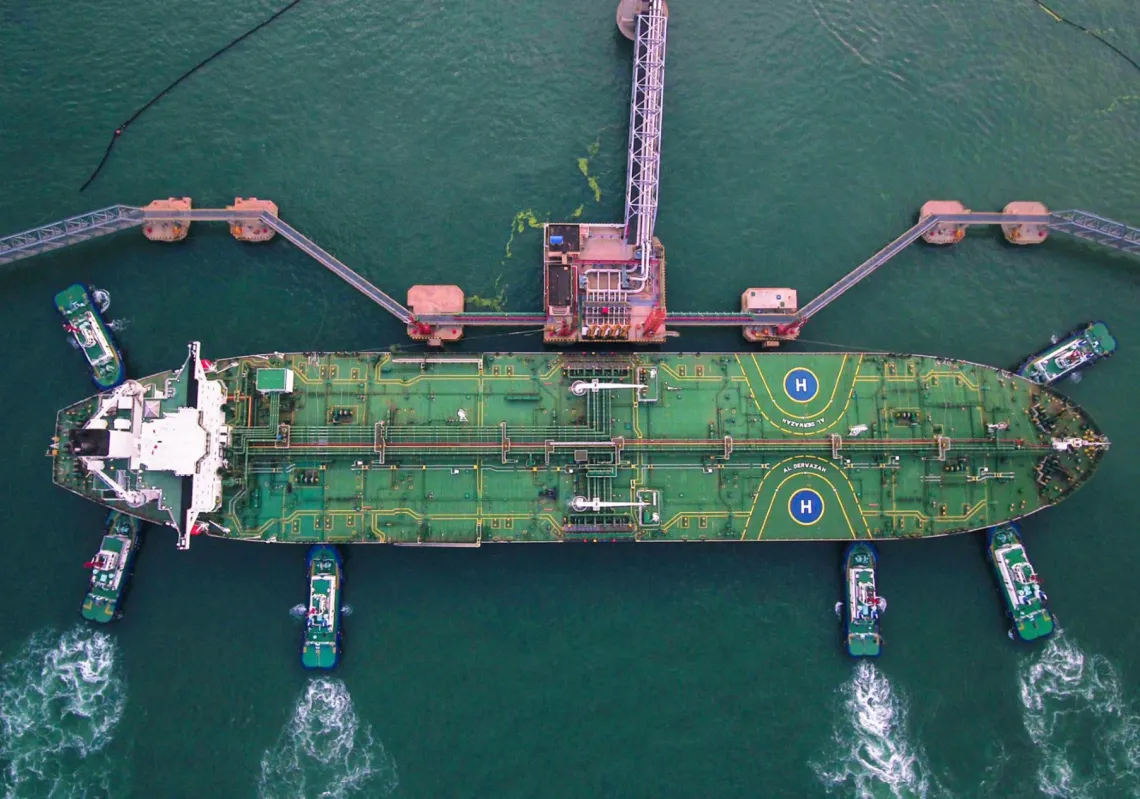
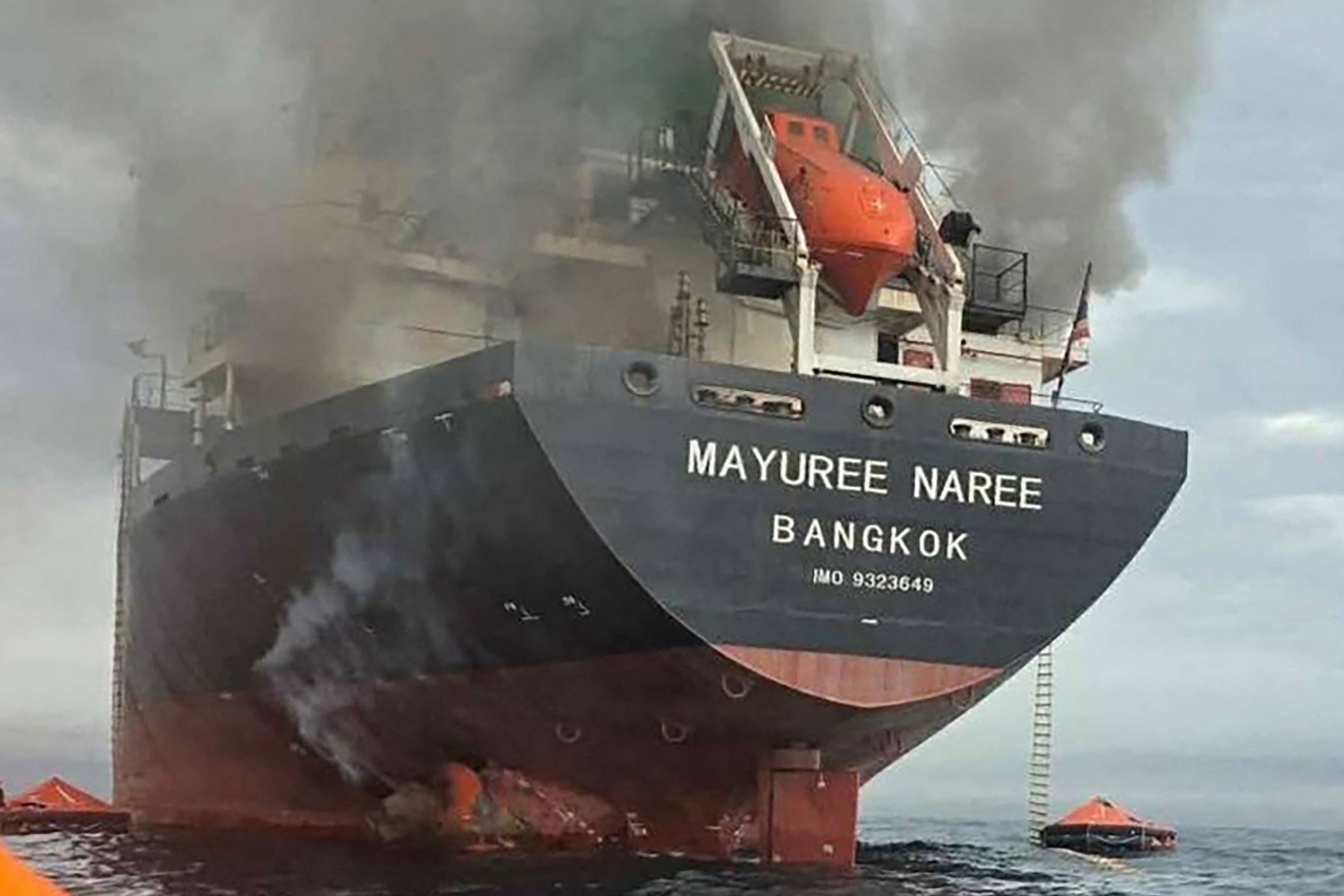
Tehran’s strategy is not to win a conventional war against the US and Israel; it is to impose sufficient economic pain on the Gulf that Washington’s partners conclude the price of US alignment is too costly. The Strait of Hormuz is the instrument. Roughly 20% of the oil and gas traded globally transits through the 21-mile geopolitical chokepoint daily. The Islamic Revolutionary Guard Corps’ (IRGC) yuan-denominated toll system, introduced in March, charges approximately $1 per barrel for approved transits. It is less a revenue source than a show of sovereignty: Tehran is rebranding an international waterway as Iranian sovereign territory.
The objective is to erode US military and financial invincibility. But the collateral damage falls disproportionately on China. Beijing imports approximately 40% of Gulf oil. Saudi Arabia alone supplies roughly 17% of China’s total crude imports. The UAE and Iraq also contribute substantially. China’s Belt and Road infrastructure commitments in the Gulf exceed $200bn. Its bilateral trade with the six GCC states, plus Iraq, reached nearly $350bn in 2024, dwarfing US commercial exposure to the region.
When Iran weaponises the Strait of Hormuz, it is not primarily taxing US interests. It is taxing China’s industrial resilience. If Iran wins by strangling the Gulf—even temporarily—this does not hand Beijing a victory. It hands Beijing an energy crisis and a supply chain rupture. It lays waste to China’s infrastructure investments and demonstrates that China’s most critical import corridor can be held hostage by a partner most consider a Beijing ally.
Yet the opposite outcome carries even greater geopolitical risks. An Iranian defeat— defined as a regional order in which the Gulf states and Iran fold decisively into a unipolar system led by the US and Israel—would subordinate China’s vital commercial and investment interests in the Gulf to US strategic leverage.
The 2023 Beijing-brokered Saudi-Iran rapprochement was the single most significant Chinese diplomatic achievement in the Middle East—an assertion that China could provide regional security without the coercion imposed by a US military presence. A decisive US-Israeli victory would destroy China’s ambition to support a regional balance of power. Saudi Arabia, the UAE, and the broader GCC would have every rational incentive to strengthen their security relationship with the US and check Chinese regional expansion.
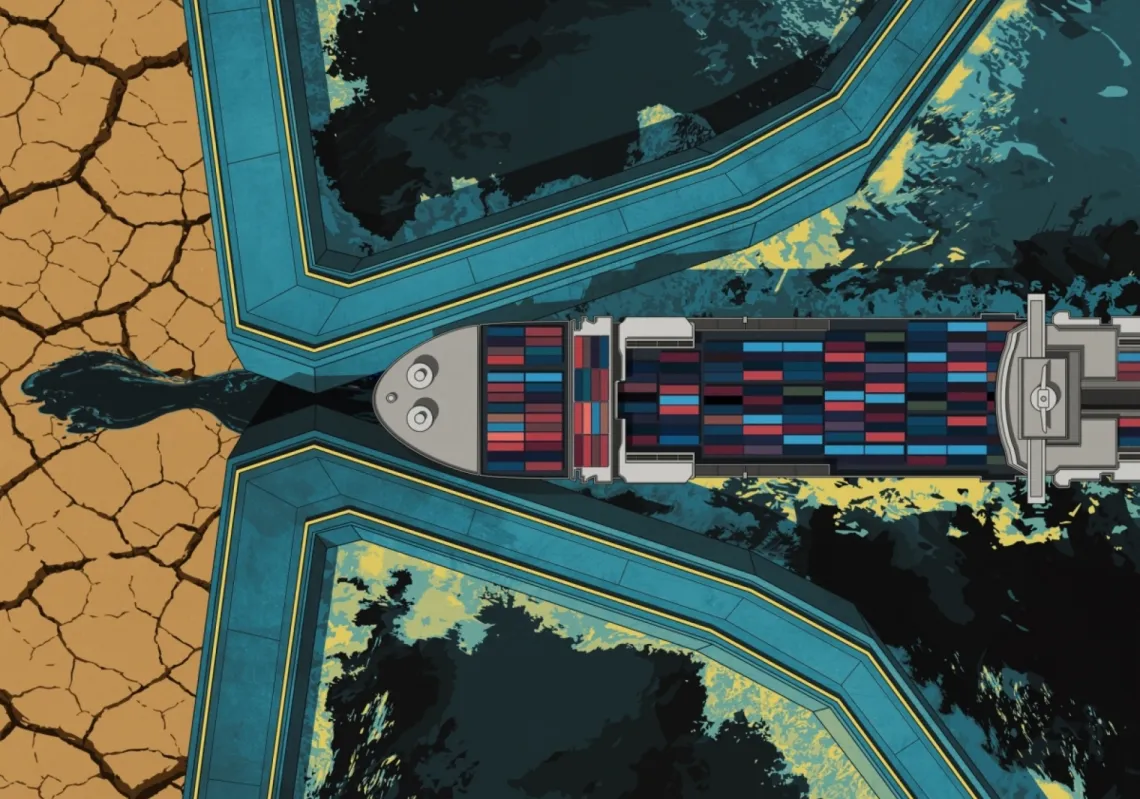
Beijing, therefore, confronts a problem with no neat solution, leaving only a narrow strategic pathway. If Iran wins, China becomes Iran’s client state, subjecting its energy security to Iran’s military guarantees over the Strait of Hormuz. If Iran loses, China’s significant interests in the Gulf region—oil trade, infrastructure investment, capital and technology exchange—will no longer be considered secure, and its long-cultivated regional order dismantled in a single stroke. Compounding this unwinnable dilemma, Beijing has another unique crisis, and it all has to do with the Strait of Hormuz.
Time is of the essence
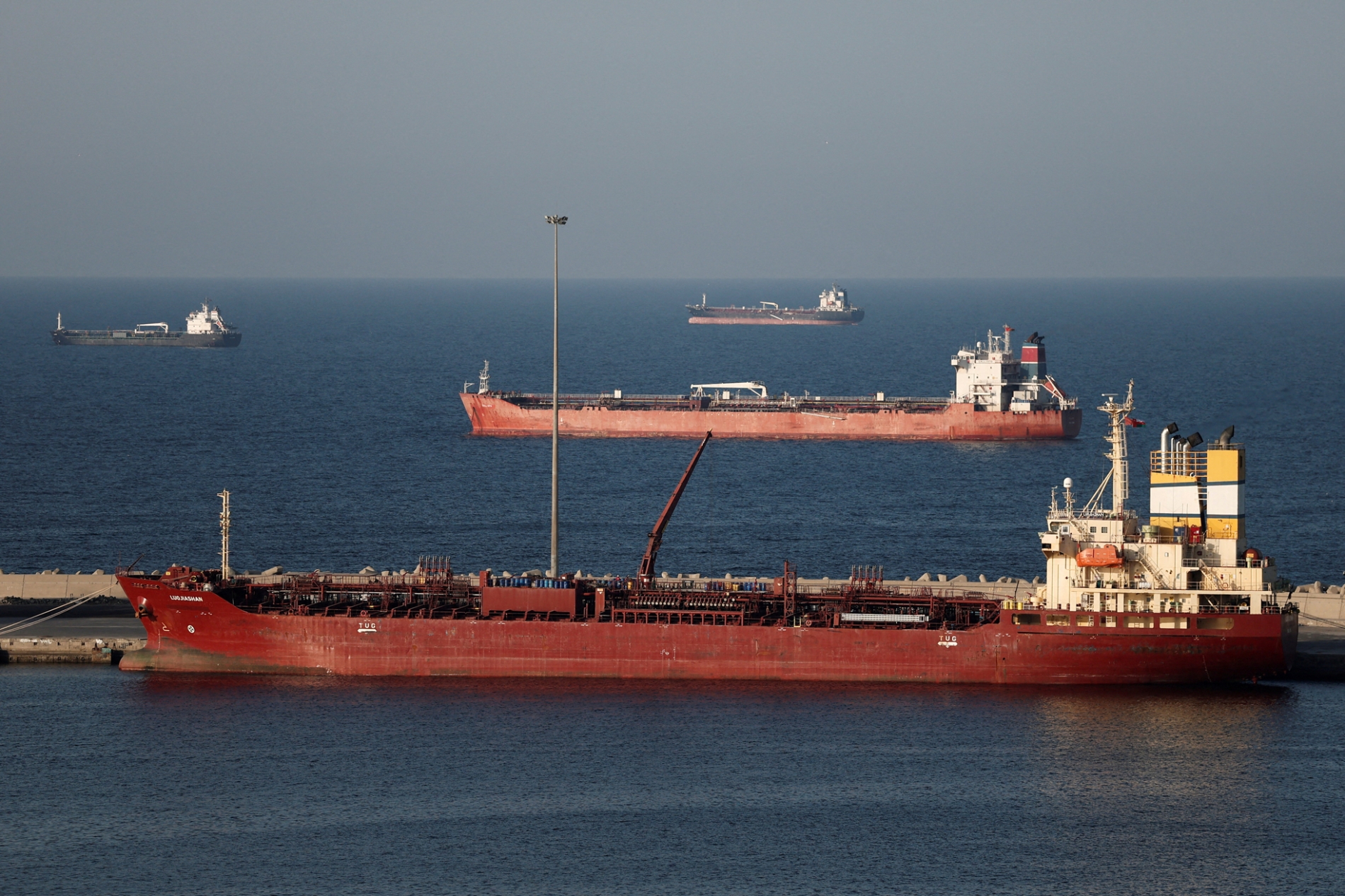
The closure of the Strait of Hormuz is economically painful for the major economies of East Asia, South Asia, and Western Europe, but existential for China. Japan, South Korea, Taiwan, India, and the EU have all suffered oil price shocks and supply disruptions.
But they have also been offered an escape route: the US and its new oil proxy, Venezuela. Washington controls the world’s largest strategic petroleum reserve and produces more oil than any nation on earth. Its liquefied natural gas (LNG) export terminals are operating at capacity and expanding. Those countries that remain within the US security architecture—some imperfectly, some reluctantly—can secure alternative energy arrangements if the strait remains closed. They pay more. They suffer. But they will survive.
Beijing cannot. The US is not merely China’s abstract geopolitical rival. It is a self-interested global hegemon capable of choking China’s energy supply if it considers the move convenient and beneficial. Consider this future: China, like the rest of the world’s major powers, shifts to procuring its oil from the US and its proxies.
In a Taiwan contingency, the US Navy no longer needs to bomb Chinese ports. Washington would only need to cancel China’s oil supply. Without fossil fuels, Chinese naval vessels cannot project power across the Western Pacific. Missiles do not fly on solar panels. Even Iran’s Shahed drones run on petrol-burning piston engines. Without petrochemicals, China’s war machinery stalls. Reliance on US energy would be China’s poison pill.
Unlike other major economies, China faces an existential threat from the closure of the Strait of Hormuz. Others can suffer through it. China cannot afford to see the closure become permanent, or the energy denial it enables to normalise.
Mega energy importer
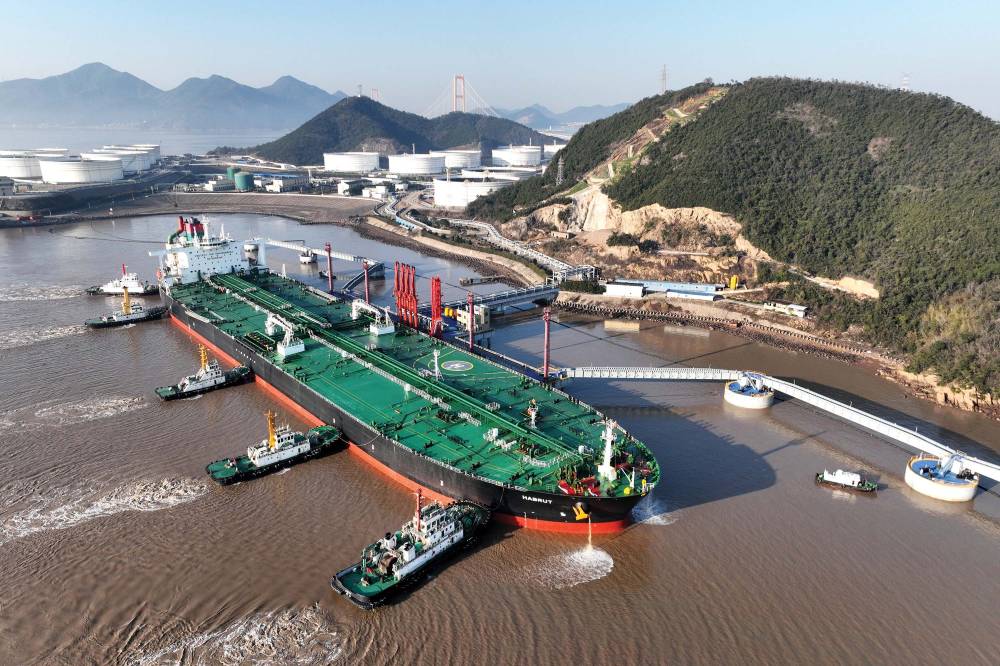
China is the world’s largest energy importer. Its reserve buffer is finite. As of 2 March, China had 1.39 billion barrels of oil in storage, which would cover 120 days of net crude oil imports at 2025 levels. China entered this war better prepared than any outside observer knew—a deliberate, multi-year stockpiling campaign to prepare its economy for a potential energy threat by the US over Taiwan. At the outbreak of the US-Israeli war on Iran, that stockpile was suddenly critical. But China’s reserves, however vast, are on a countdown that runs roughly to June.
Iran’s imposition of what is effectively a sovereign toll system on one of the world’s most critical waterways, with payments accepted in Chinese yuan or stable coins, implicitly casts China as a strategic guarantor. This forces Beijing to clear revenue from the strait through its parallel currency-clearing system, bypassing the dollar.