Closure, airspace, sanctions, spare parts, subsidies, re-registrations, and re-routing woes plague carriers that used to fly over Russia. How has it affected their bottom line? Al Majalla explains.
Oil remains at the forefront of the wider impact of Israel's war on Gaza, but other implications will be felt for years to come, including currency factors.
The Ukraine war has shrunk Russia's ability to export weapons, but Western sanctions and Moscow's damaged global image have also made importers more reluctant to buy Russian arms.
The war in Gaza has given the Kremlin powerful grounds for accusing the West of double standards. This explains why President Vladimir Putin's rhetoric has changed to sound more anti-Israeli.
Workers in former Soviet states have long headed for work over the border, but migrants ending up in the army are now a deterrent and alongside lower wages, jobs are now on offer elsewhere
Moscow has had a longstanding relationship with Hamas. It seeks to erode a US-led world order that Putin calls an "ugly neo-colonial system" coming to an end in favour of a multipolar world.
From military spending to energy markets, the US-Israeli war on Iran is driving rising costs, with the Strait of Hormuz emerging as a central pressure point
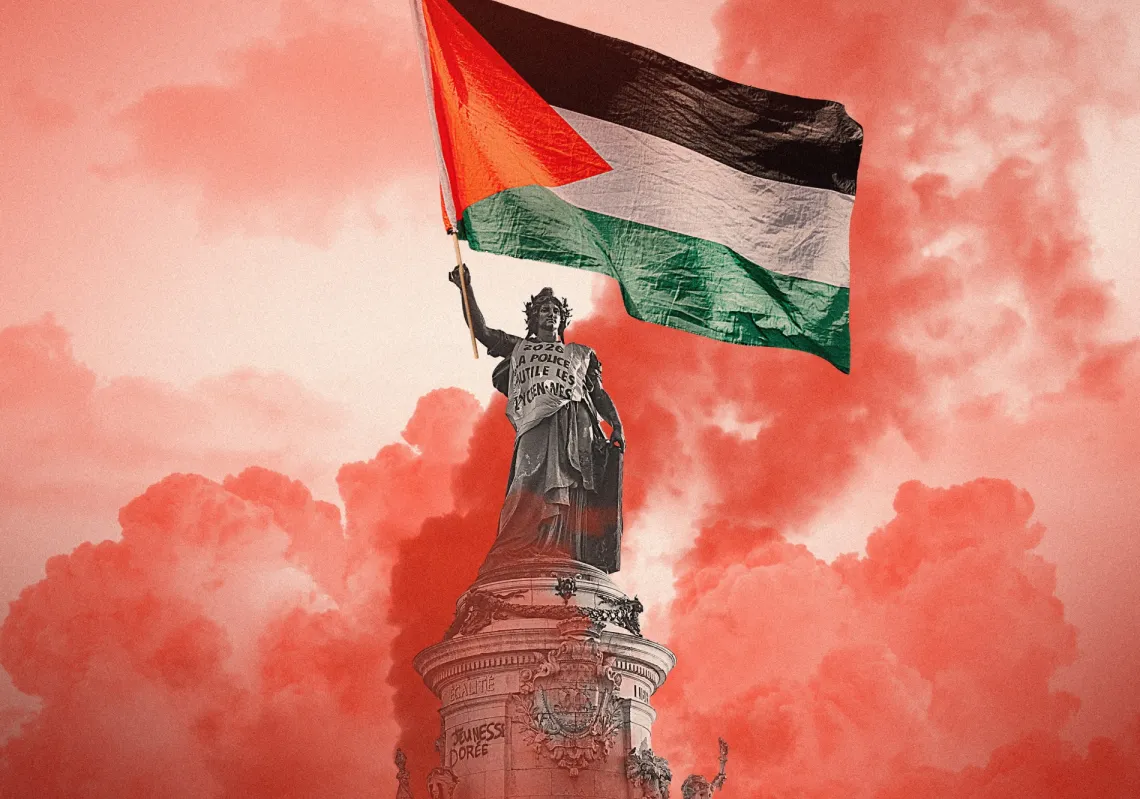
Until fairly recently, most Americans sided with Israel. These days, most side with the Palestinians. That will eventually influence US foreign policy.
Any disruption in the Hormuz has cascading knock-on effects that extend far beyond energy markets, impacting international trade. Al Majalla explores all this and more.
Al Majalla - London
Sign up for the Weekly Newsletter
Get the best of Al Majalla, straight to your inbox.