Part of Lebanon's rich cultural heritage, the tall, conical headdress associated with princesses sparked the curiosity of a global audience when it made a cameo at the Miss Universe pageant
On 26 April 2005, Syria was forced to pull its troops from a country that US Secretary of State Henry Kissinger had tacitly invited in a year after the civil war erupted in 1975
In a never-before-published interview, the late Lebanese novelist explains how the characters in his epic trilogy reflect his distaste for city life and lost faith in humanity
Fifty years after the outbreak of fighting, Lebanon still suffers from the effects of corruption and clientelism, undermining the achievements made during brief periods of stability
Fifty years ago today, a civil war that lasted 15 years ripped the country apart. Today, outstanding grievances and underlying causes of that war still remain, leaving the country on shaky ground.
Living through crises, tragedy, and war, followed by crises, tragedy, and war, Al Majalla speaks to four young artists turning to art to make sense of their country and inheritance
A strategy to rebuild post-conflict Arab economies is slowly taking shape despite Israeli intransigence. It's an enormous task, but the cost of inaction is higher.
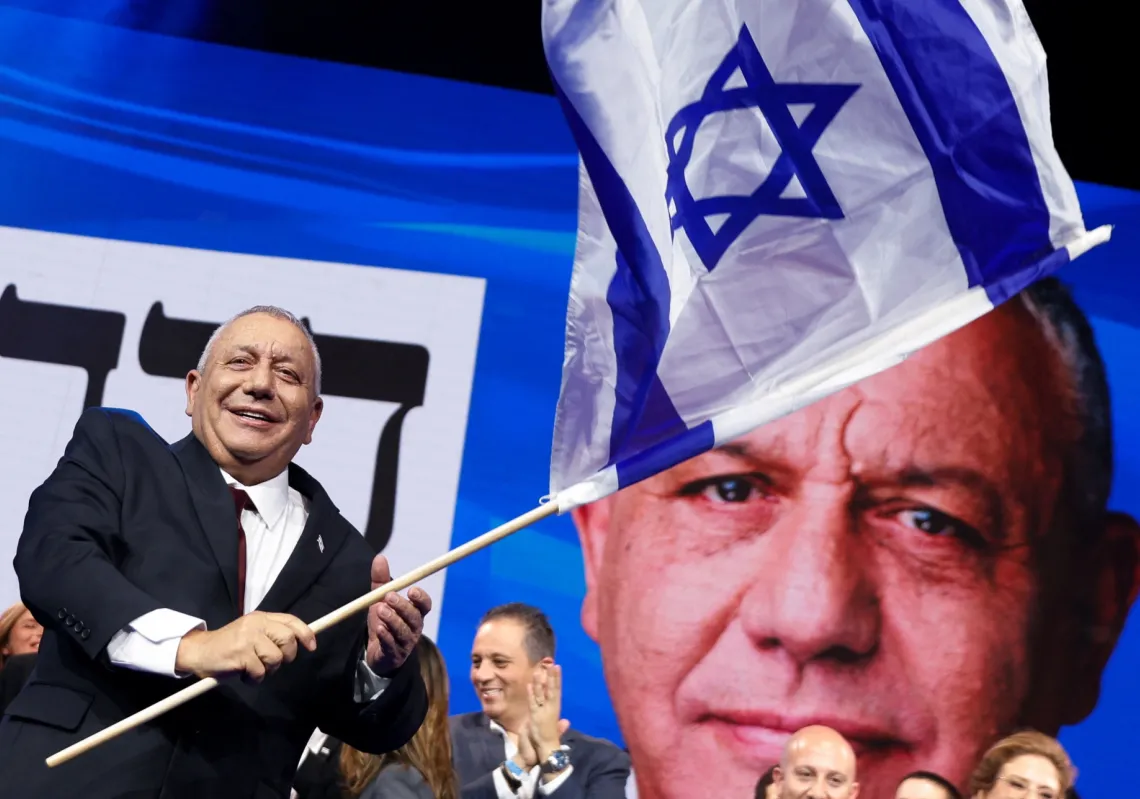
Gadi Eisenkot, who may form a government, hails from a Moroccan-Jewish family. Israel's 15 prime ministers have all had European or Russian heritage. Is it time for a change?
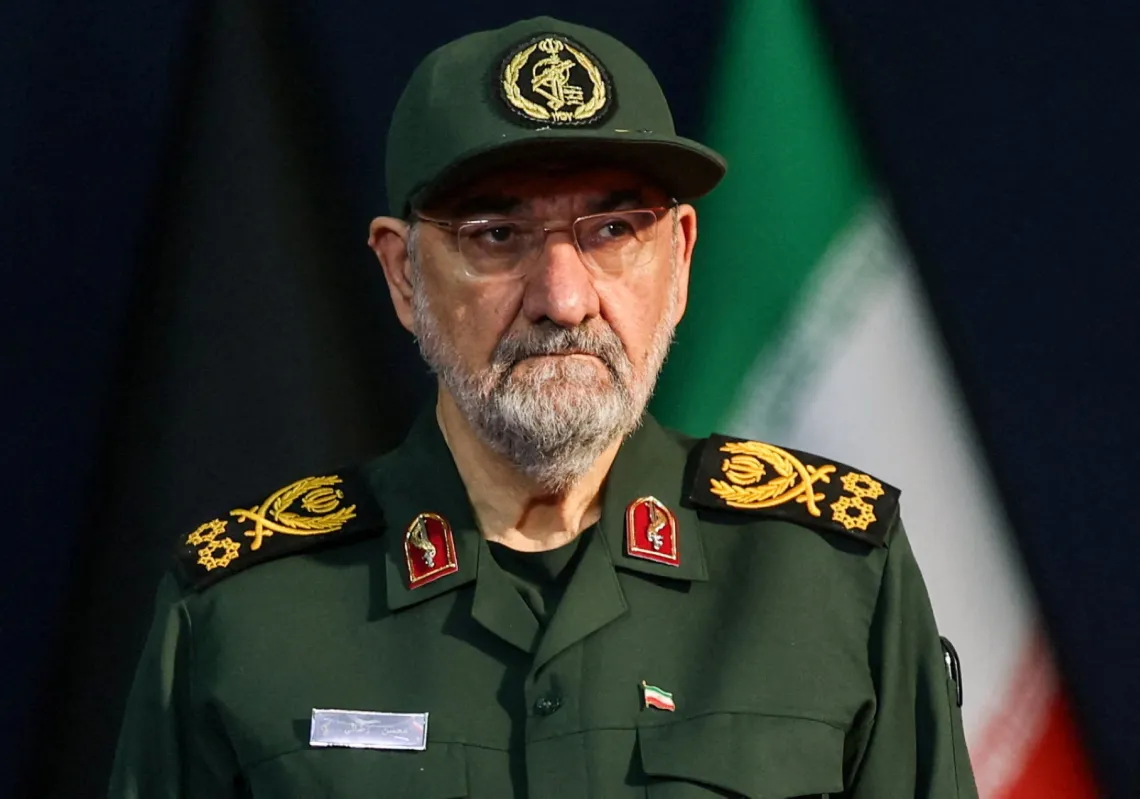
The former IRGC general was recently appointed as secretary of the Supreme National Security Council. For the US, the danger is mistaking his prominence for a willingness to deliver concessions
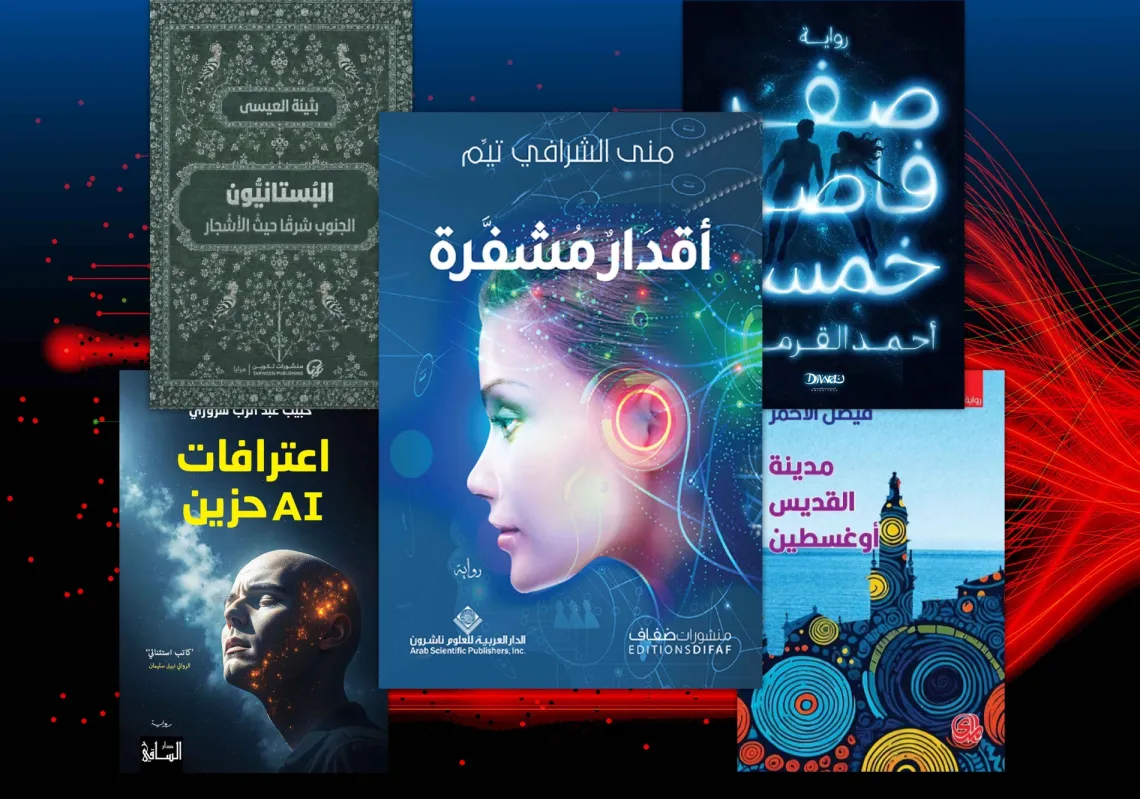
From machines that develop human emotions to societies governed by artificial intelligence, Arab novelists explore the promises and perils of a radically transformed future