The arrest of Dr Hussam Abu Safiya in northern Gaza shows that destruction is not the only aim of the occupation; humiliation is also a key component of Israel's war of annihilation
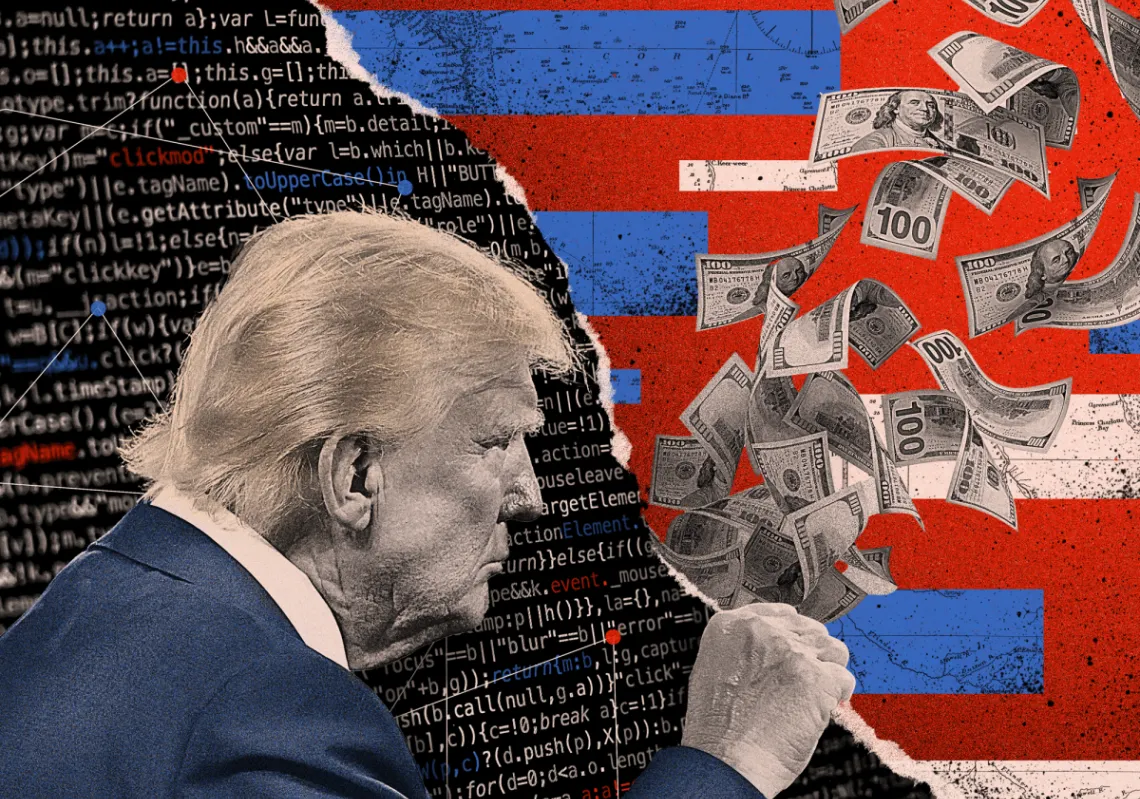
The Israeli prime minister's interests are served by a US president who will acquiesce to his hard-right government's every whim, but in Donald Trump he does not have a nodding dog
Destroying most of Syria's defence assets, Tel Aviv has left its northern neighbour vulnerable to the same instability that followed the dissolution of the Iraqi army. That suits Netanyahu nicely
The region is changing, in part due to Israel's own successes. But if it leaves foreign policy decision-making to a heavily politicised clique, it may not be able to reap the rewards.
Trump is unlikely to join an Israeli foray into Iraq, but he may decide to withhold the $250mn annual military assistance to Baghdad as a way to pressure the government to rein in its militias
Joyous at Iran's lost influence in Syria, Israel could have celebrated with Syrians after Assad's ouster. Instead, it rained bombs down, occupied land, and destroyed Syrian assets. Why? Ask Netanyahu
Sources of cash are drying up as front companies and drug production lines are dismantled and supply networks and smuggling routes are compromised. Iran is also questioning its funding of the group.
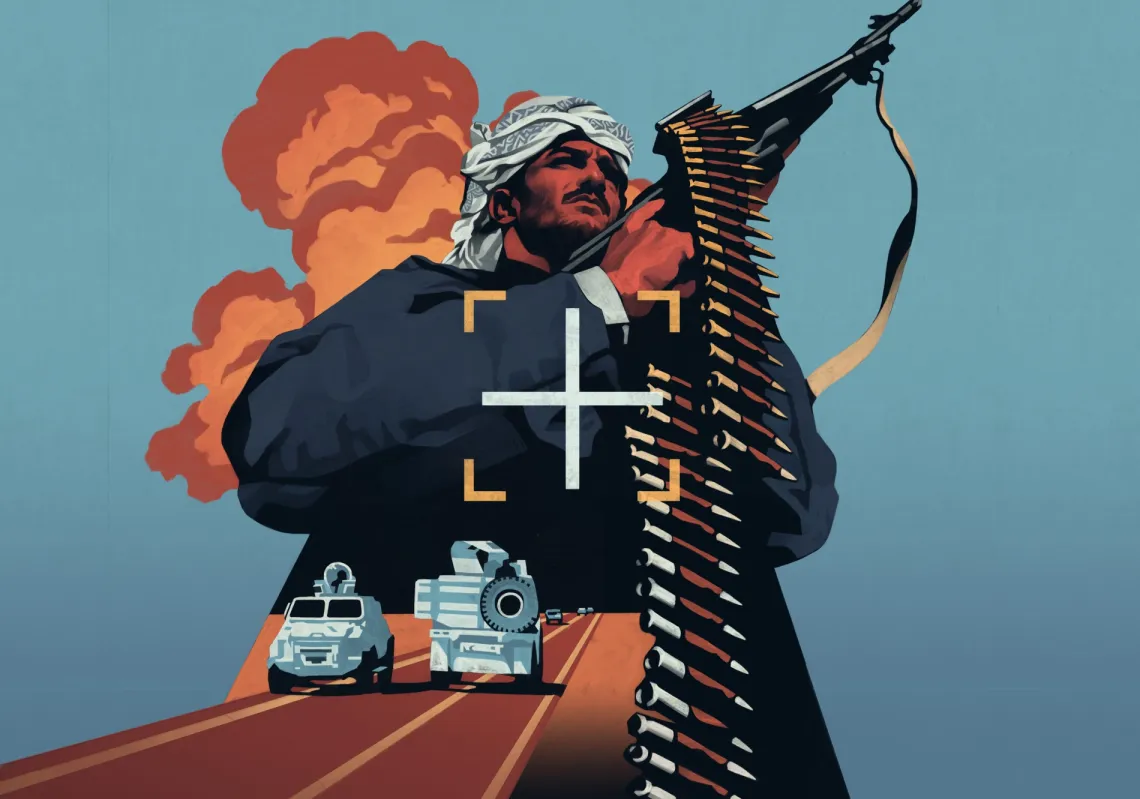
Better than any simulator, multiple conflicts throughout the war-torn region are proving to be a boon for the testing and showcasing of weapons, and the battle-hardening of fighters
With a growing budget deficit, soaring military expenditure, slowing growth, big projects pulled, and inflation on the rise, Israel's economic challenges are numerous
Faced with threats to use weapon supply as a tool of leverage against Israel, one would expect to have Israel's defence industry leaders dead with worry. But that is not the case.
As support for Israel weakens across the US political spectrum, once-taboo questions about military aid, lobbying influence, and US backing are moving into the mainstream
Algeria is one of Africa's largest producers of hydrocarbons, and its proximity to customers in Europe makes it of growing interest as importers fret over a prolonged supply crisis from countries
Through extravagant processions led by palace women, the Mamluk state projected a message of power and prestige at home and abroad, turning the Hajj obligation into a soft-power tool