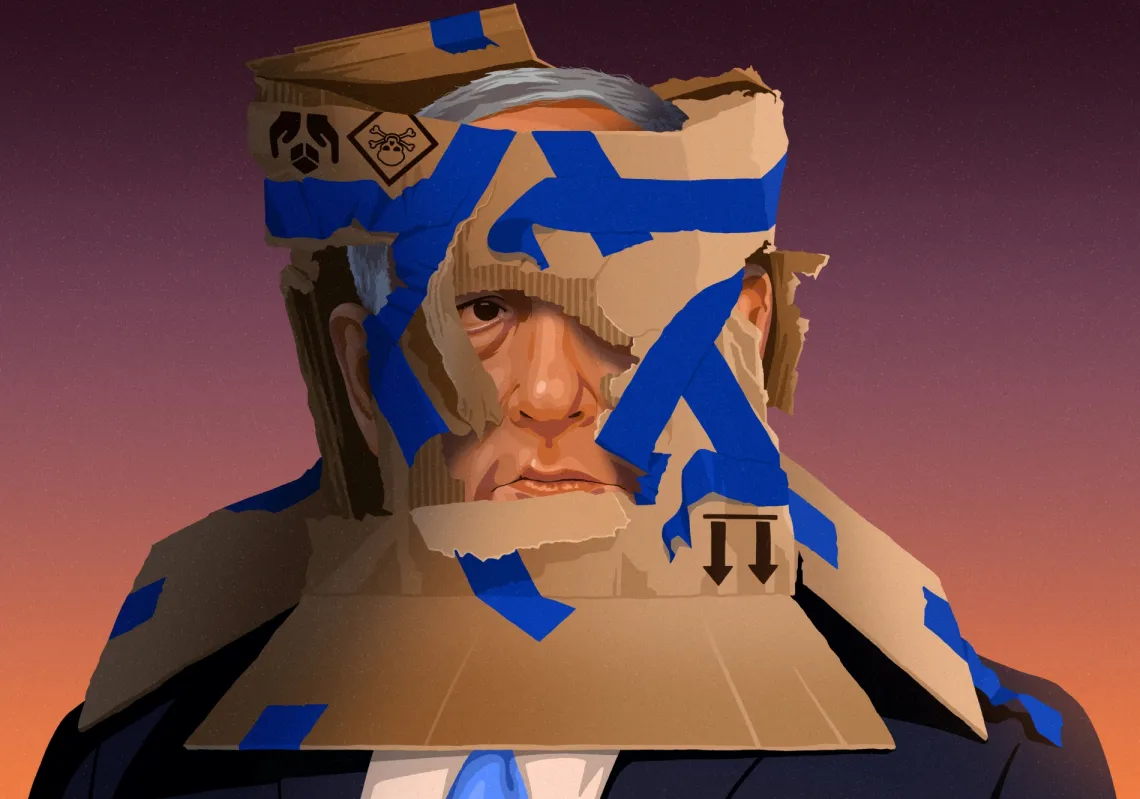
For Benjamin Netanyahu, it would be a 'humanitarian zone'. For most countries, it would be a war crime. For Egypt, it could be the straw that breaks the camel's back.
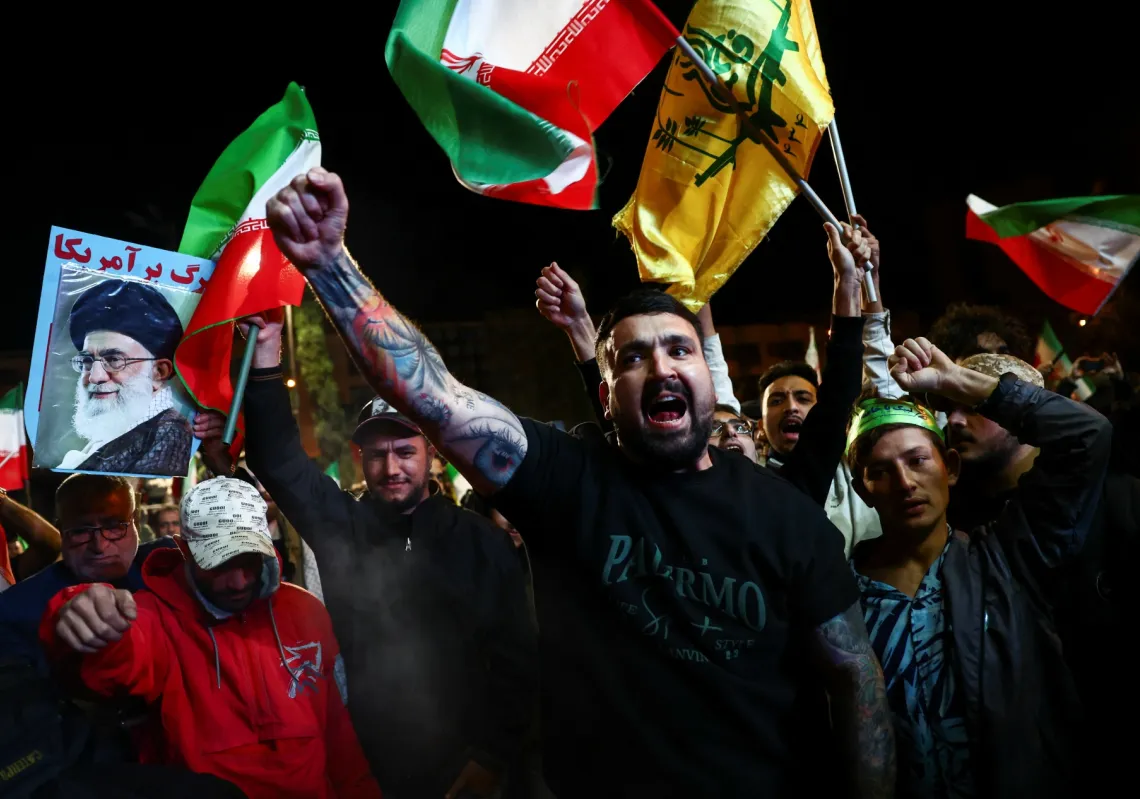
Arming proxies and launching pre-emptive strikes was Iran's 'forward strategy' model since the devastating Iran-Iraq War of 1980-88. Then, from October 2023, Israel copied it. A recipe for disaster?
Tel Aviv does not want a military power led by former Islamists on its doorstep, so is throwing a protective missile system around Syria's minorities, whether they want it or not. Will it backfire?
The gloves are off in cyberspace, with Israeli and Iranian actors increasingly targeting their adversaries' vulnerabilities since the 12-Day War last month. It is forcing a rethink of digital defence.
This is a once-in-a-blue-moon opportunity to agree a détente between two hostile neighbours, but getting there is tricky. Several issues must (but can) be overcome.
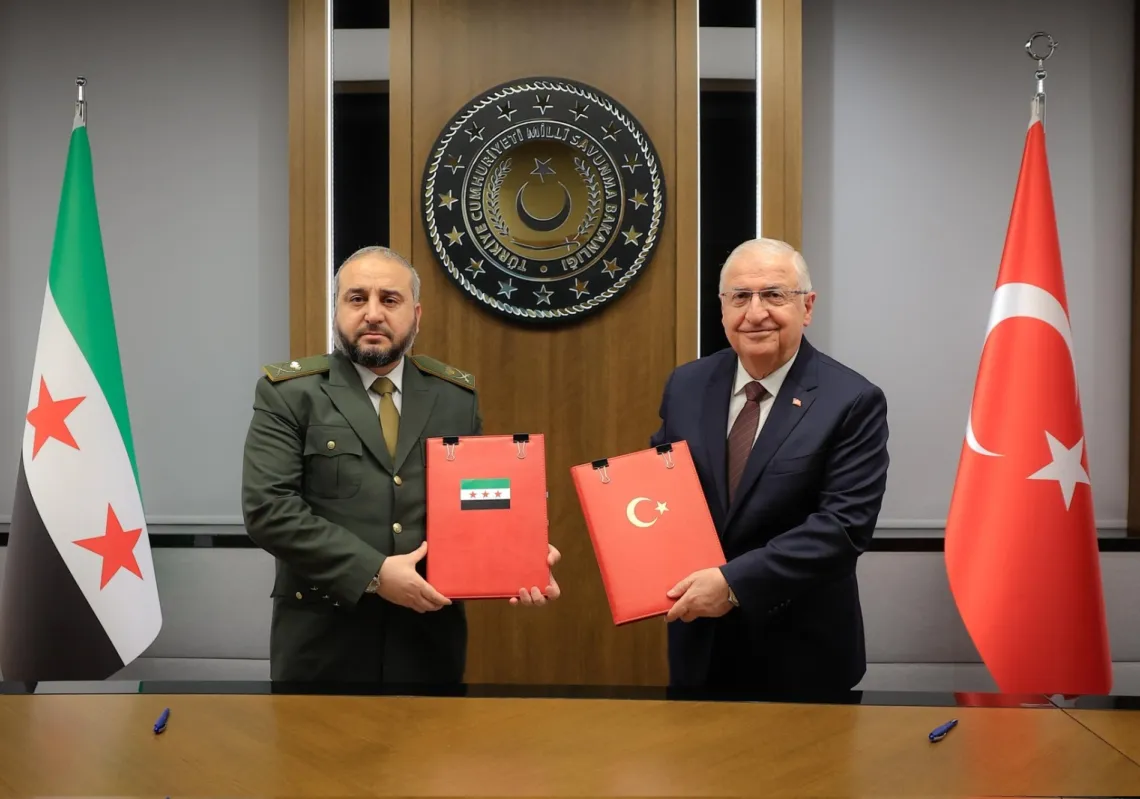
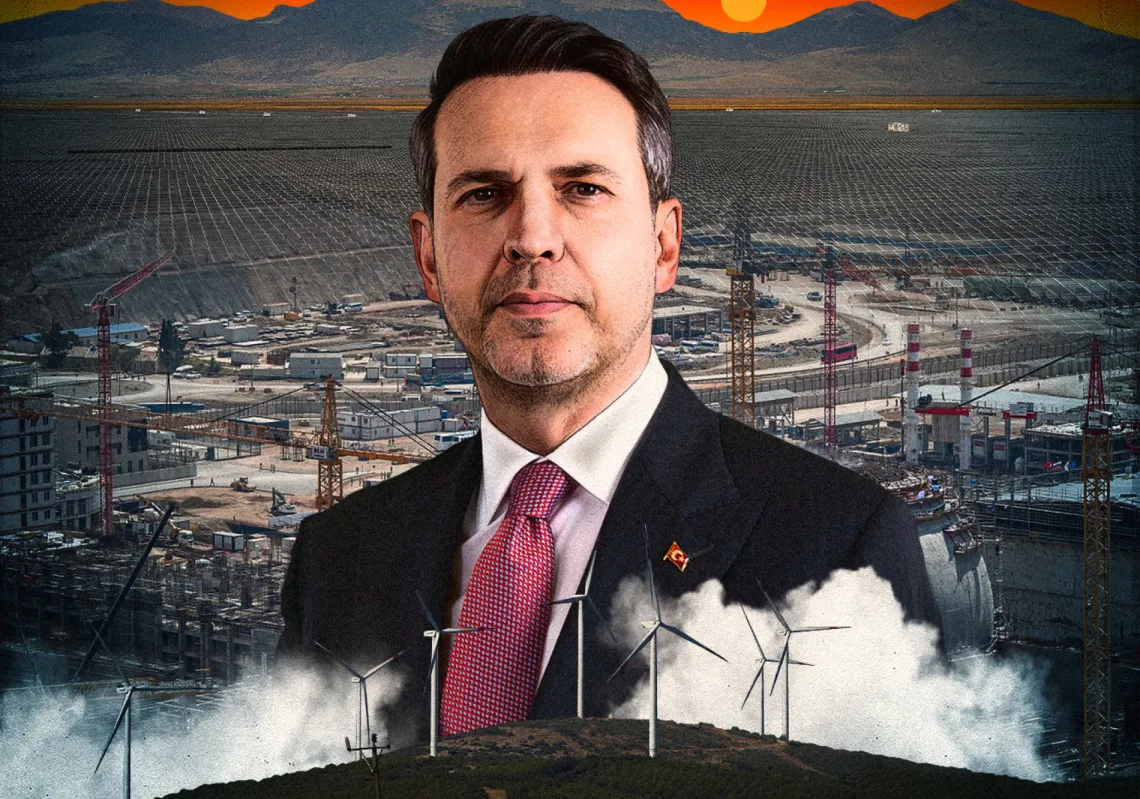
Ankara watched and learned from events in June 2025, as missiles flew between Tel Aviv and Tehran. The Middle East is changing, as is warfare and intelligence. For Türkiye, it is time to to act.
Al Majalla publishes the US president's plan for a phased hostage/prisoner release over 60 days during a temporary end to the bombing that gives both sides time to negotiate a permanent agreement.
Israel's commandeering of aid distribution in Gaza forces starving Palestinians to run the gauntlet at centres with biometric monitoring systems, armed security, and life-or-death hazards
The American CIA director's visit looks to be a desperate attempt by the Trump administration to avert a doomsday scenario in which NATO is pulled into a larger war with Russia
Al Majalla looks at the former army general's career, political positions, possible paths to victory, and what a change in leadership could mean for Israel and the region after three years of war
As social media transforms how people seek medical advice, figures such as Barbara O'Neill offer something conventional medicine rarely can: absolute certainty
The Iran war exposed the risks of being too closely tied to US military posture, which is why some Gulf states are repositioning themselves not merely as consumers of security but as architects of it