Cyberwarfare has the potential to disrupt critical infrastructure, commercial networks and global supply chains, and during the 12-day Israel-Iran war, cyberattacks were being carried out in parallel…
Tehran's spies and generals built an impressive network of eyes and ears from Mount Lebanon to the Hindu Kush. In a game of cat-and-mouse, they always seemed two moves ahead. Not so now.
After less than two weeks, the estimated cost of warfare between these two sworn enemies is easily into the billions of dollars. How are they placed to weather the economic storm?
Smugglers and militias have been active along the country's boundaries in recent days, which could attract unwanted conflict. With resources stretched, Damascus is keen to contain things.
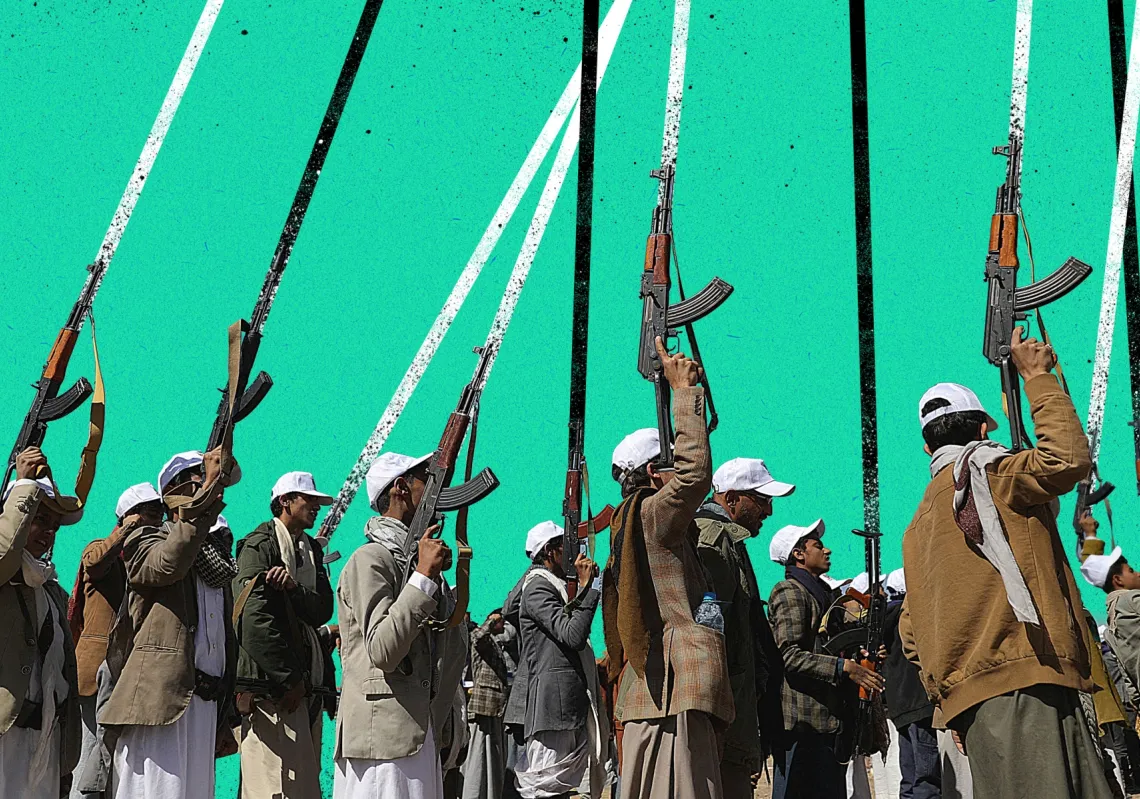
For decades, Iran's supreme leader—first Khomeini, then Khamenei—pursued a strategy of backing regional militias to fight Israel, but with the 'resistance axis' in tatters, Iran is left to fight alone
By hyping up the threat of a nuclear Iran, Netanyahu knows he can scare Israeli society into backing military action—a tactic he has perfected throughout his lengthy political career
From military spending to energy markets, the US-Israeli war on Iran is driving rising costs, with the Strait of Hormuz emerging as a central pressure point
Until fairly recently, most Americans sided with Israel. These days, most side with the Palestinians. That will eventually influence US foreign policy.
Any disruption in the Hormuz has cascading knock-on effects that extend far beyond energy markets, impacting international trade. Al Majalla explores all this and more.
Al Majalla - London
Sign up for the Weekly Newsletter
Get the best of Al Majalla, straight to your inbox.