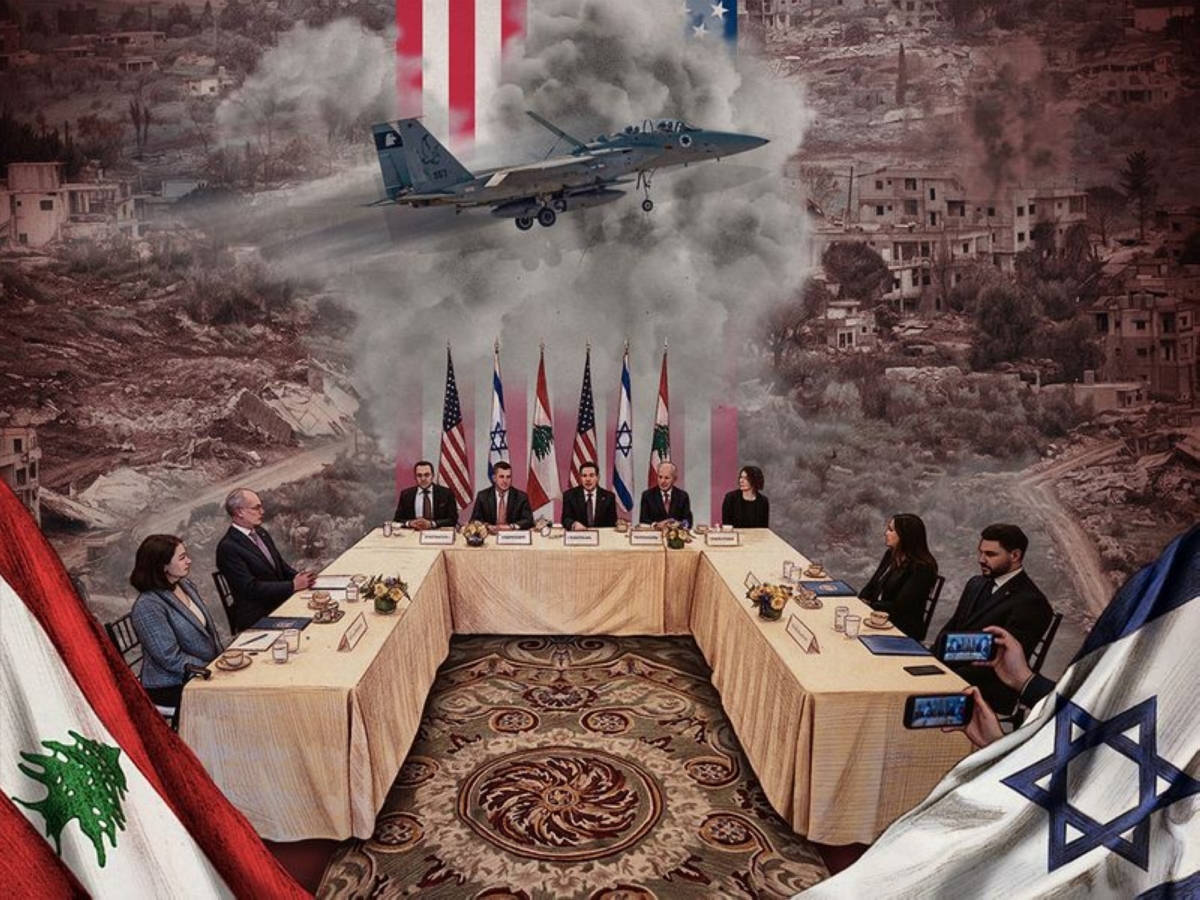

On 15 May, as Israeli strikes and Hezbollah drone attacks continued in Lebanon, Washington announced that Israel and Lebanon had agreed to extend their ceasefire by 45 days, reflecting a grim reality: diplomacy is seemingly moving, but the war on the ground hasn't stopped.
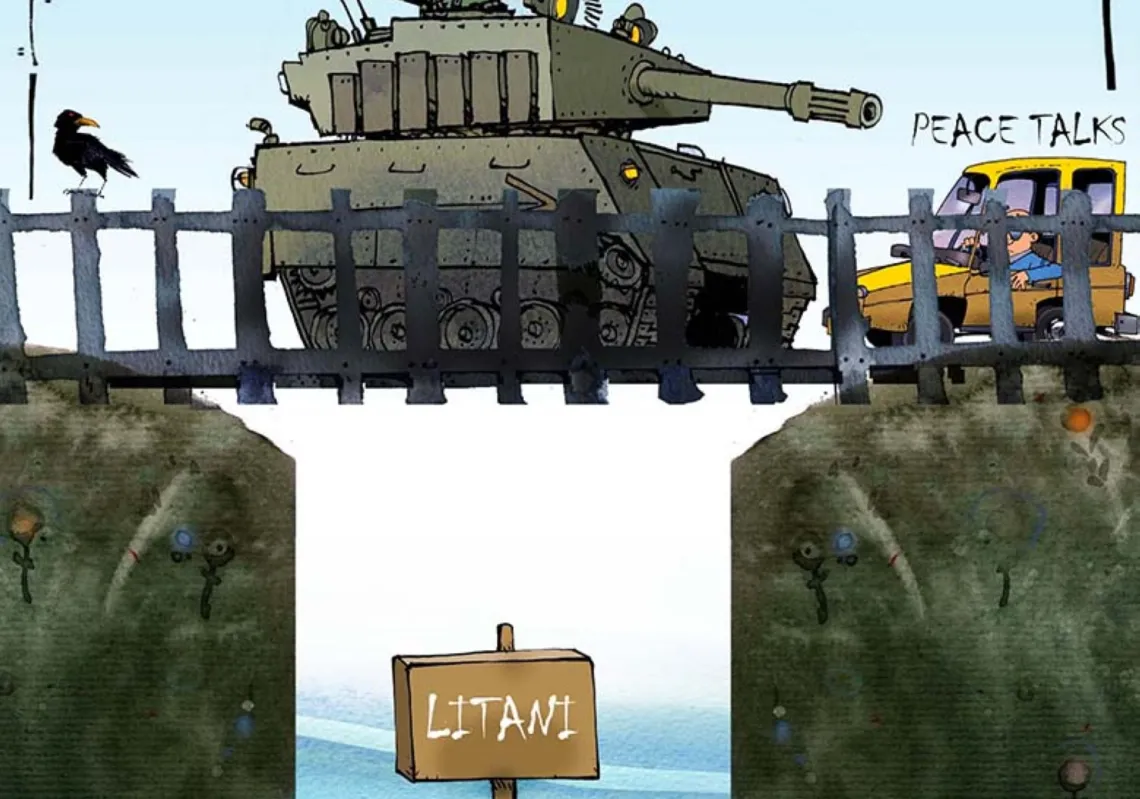
Israel has continued to carry out airstrikes in Lebanon, with one attack recently killing the head of Hezbollah’s Radwan Force (Hezbollah’s equivalent to special forces) while ordering the evacuation of multiple villages close to the border and situated more broadly within an era that stretches from the border to the Litani river, roughly 30km to the north. Hezbollah, on the other hand, has continued its rocket and drone attacks against both Israeli forces inside Lebanon, as well as in northern Israel, pledging not to abide by talks it views as a “conspiracy”.
While the fighting is real, so are the talks, which, for the first time, involve a Lebanese government visibly seeking to reassert its sovereignty. US officials described the latest round as “positive and productive,” and follow-up military and political meetings are already on the calendar, including Pentagon talks on security arrangements and State Department sessions on the broader political track. But the core question is whether these negotiations are a path to a new order on the border or merely a mechanism for managing an unstable status quo.
Israel’s immediate objective is clear: it wants a northern border that no longer lives under the threat of Hezbollah infiltration, anti-tank fire, drones, and rockets. Israeli officials have made plain that they do not intend to return to the prewar arrangement in which Hezbollah retained military infrastructure close to the border while international monitors and UN resolutions failed to stop it.
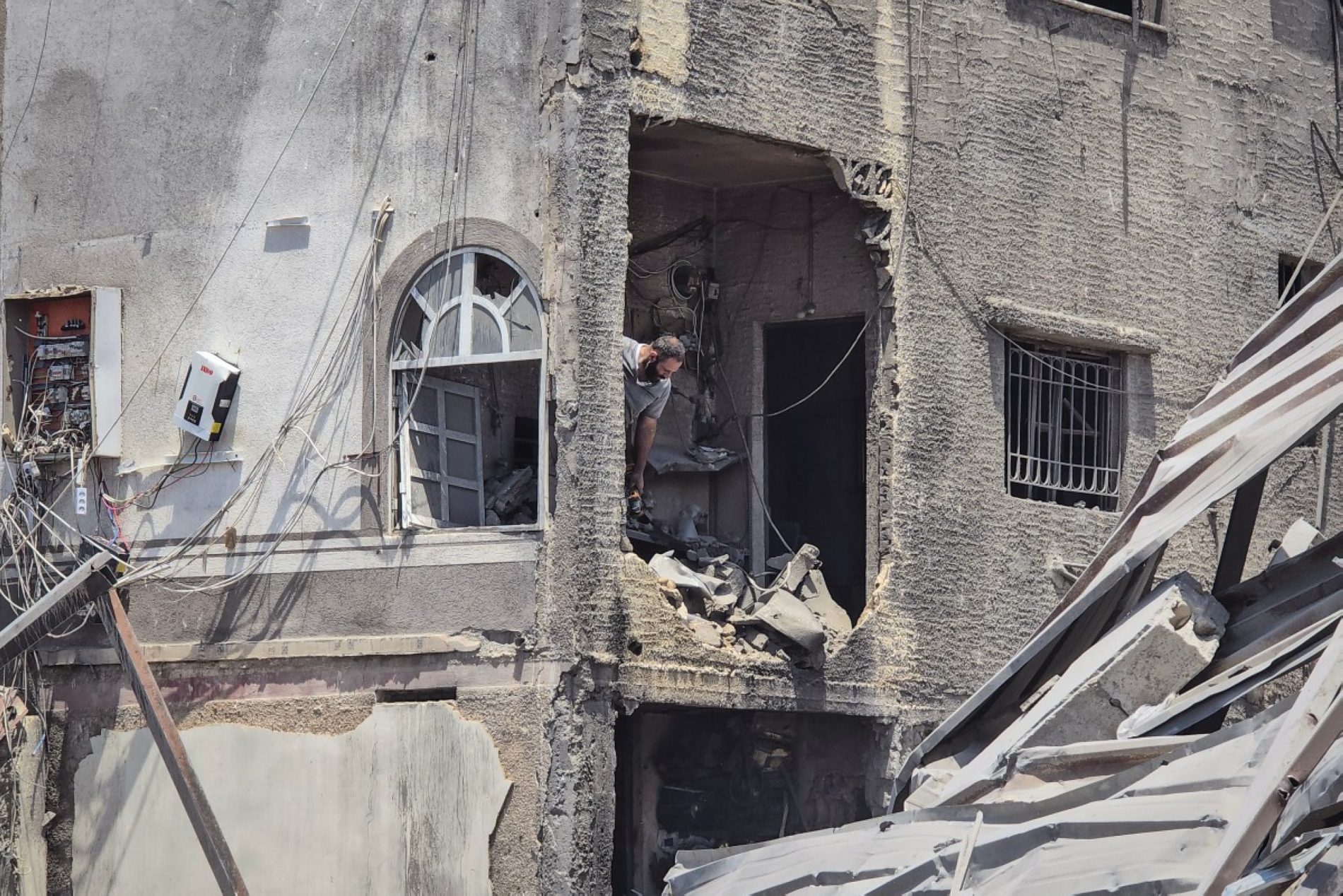
As a result, Israel’s current operational concept is the creation of what some (in Israel) are calling a “forward-defence zone”: A buffer zone backed by direct force, not trust. Israel has not only maintained a presence but also ordered the evacuation of multiple villages along the border, with Israeli officials touting the application of a “Gaza” model in southern Lebanon.
Creating leverage
While critics of Israel would call this a land grab, it says that the "buffer zone" is aimed at keeping its northern border towns away from direct Hezbollah fire, and also to maintain pressure on Hezbollah by imposing a cost on villages that choose to let Hezbollah operate amongst them.
This could be while Israel continues its attacks despite the ongoing diplomacy. Even during the ceasefire period, it continued strikes on what it said were Hezbollah targets and maintained forces in parts of southern Lebanon. In Israel's view, fighting in the middle of a ceasefire isn't a contradiction—it is leverage. It hopes to shape the facts on the ground that could later be cemented by diplomacy.
But the shadow of Israel's own history haunts the present. Until 2000, it maintained a buffer zone inside Lebanon alongside the South Lebanon Army—an experiment that ended in strategic failure. Any Israeli attempt to recreate a buffer zone by force alone risks repeating that pattern, especially if it leaves Lebanese civilians displaced and turns the south once again into a theatre of open-ended occupation.
In 18 years, the Israeli experiment in Lebanon failed to protect Israelis and consolidated Hezbollah’s image as Lebanon’s defender. The novelty today is that Israel is also engaging the Lebanese state, however reluctantly, because a sustainable outcome requires a stronger sovereign authority on the other side of the border. The problem is that, realistically— and even in the most optimistic of scenarios—the reassertion of Lebanese sovereignty will take years, and can be undermined by Israel’s own adventurism.
For the Israeli government, the challenge is not only military but domestic. After its 2024 operation against Hezbollah, it claimed to have dealt the group a major blow. More importantly, it argued that it had achieved one of the central aims of the war that began on 8 October (when Hezbollah opened a supportive front against Israel a day after Hamas carried out the October 7 attacks): making the northern border safe enough for evacuated residents to return home.
Familiar pattern
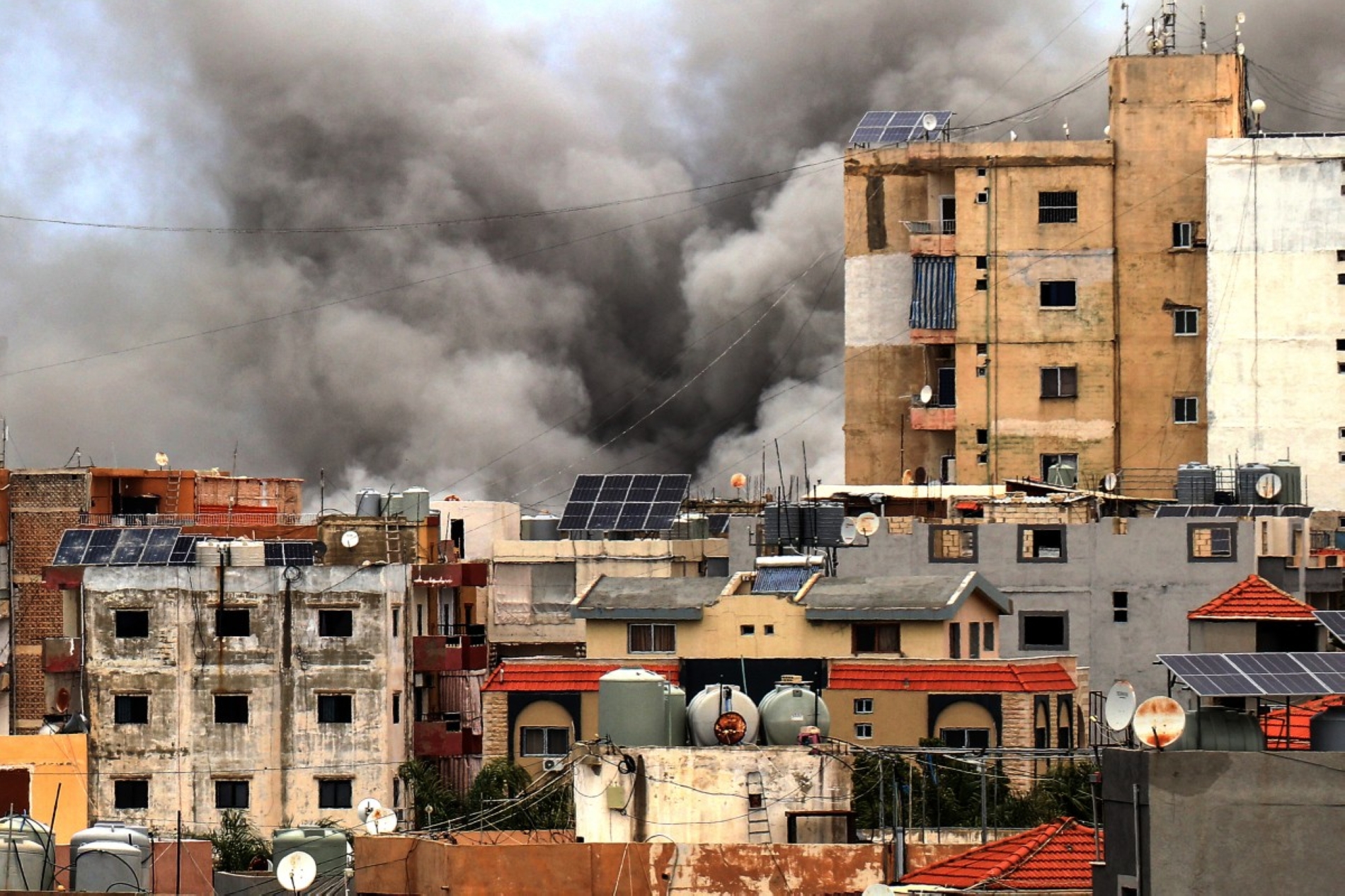
The renewed hostilities in Lebanon have once again exposed the veracity of that claim. What was presented as a “mission accomplished” moment now looks less like a strategic turning point than a familiar pattern in Israeli-Lebanese history: tactical success followed by the return of the same unresolved threat.
Prime Minister Benjamin Netanyahu has also framed the talks in broader terms, tying them to two strategic aims: disarming Hezbollah and reaching some form of political settlement with Lebanon. That doesn't mean full normalisation is imminent, but it does show that Israel is testing whether Hezbollah’s weakening and Lebanon’s political shift have created a rare opening.
The most ambitious Israeli objective is structural change. In the best Israeli case, Hezbollah’s military presence would be rolled back from the south, the Lebanese army would assume more visible authority, and any future arrangement would leave Israel with either enforceable guarantees or an accepted right to act when those guarantees fail. Yet if that fails, Israel will simply return to a familiar pattern of security management that has offered little in the way of resolution.
That is where the Lebanese calculus becomes decisive. The contest in Lebanon is no longer only between war and diplomacy. It is also a competition between Hezbollah and the Lebanese state over who can claim credit for ending Israel’s military presence and restoring order in the south.
The Lebanese government wants to prove that state institutions can, through negotiation, deployment, and international backing, achieve what militias have long claimed as their exclusive role. It is also banking on growing war fatigue among Lebanese—even among Hezbollah’s own constituency.
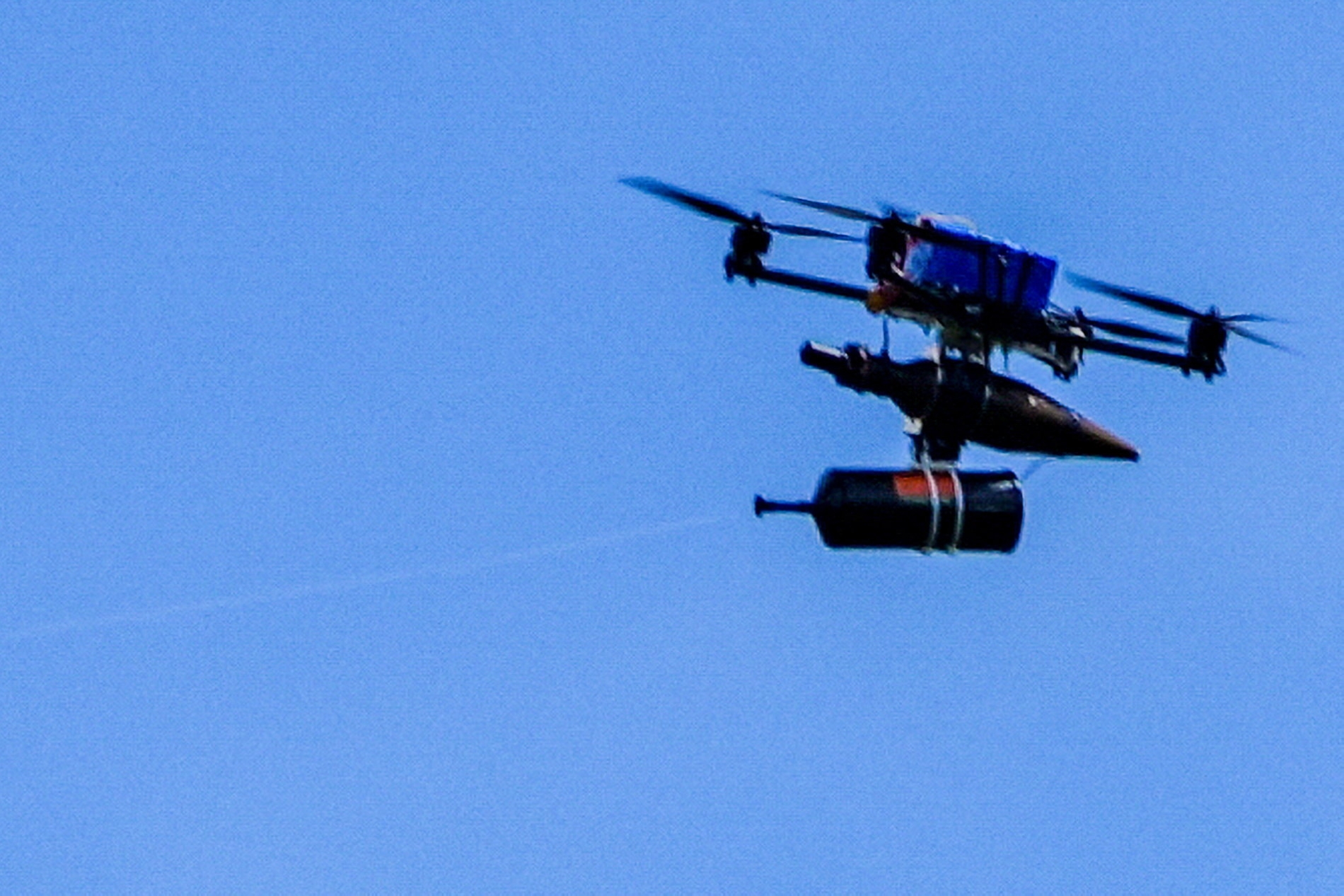
FPV 'surprise' threat
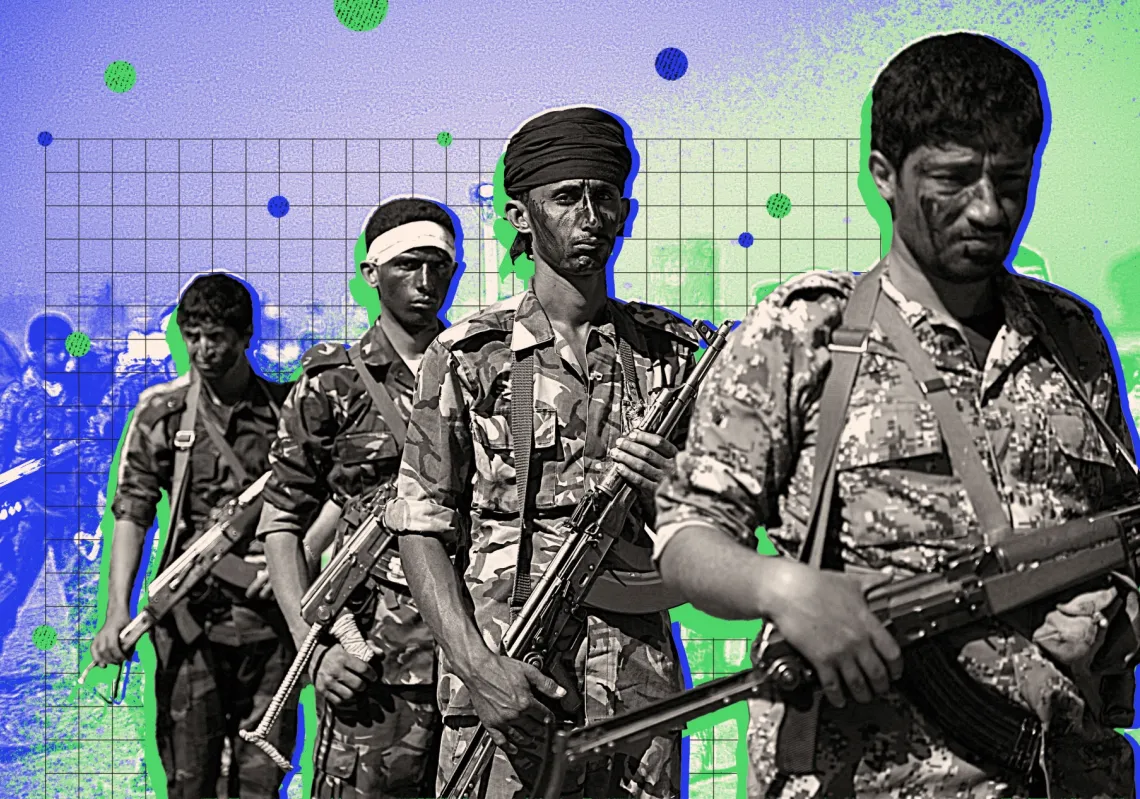
For its part, Hezbollah wants to preserve its central political argument: that only armed resistance can force Israel to pull back. The group is using daily attacks, including First Person View (FPV) drones, to impose a cost on Israeli troops deployed in Lebanon. The Israeli military appears surprisingly unprepared to match the threat, despite how unsurprising it is that Hezbollah would target Israeli troops in Lebanon, and the extensive use of FPV drones in other high-intensity conflict theatres—particularly Ukraine.
The question of whether Israel can counter the drone threat isn’t just a tactical one: If Hezbollah maintains its ability to strike Israeli forces, this will raise the question of whether its presence in southern Lebanon is sustainable.
Every successful strike strengthens Hezbollah's claim that resistance remains necessary; every diplomatic gain by Beirut strengthens the rival claim that Lebanon can recover sovereignty without handing its future to Iran's regional agenda.