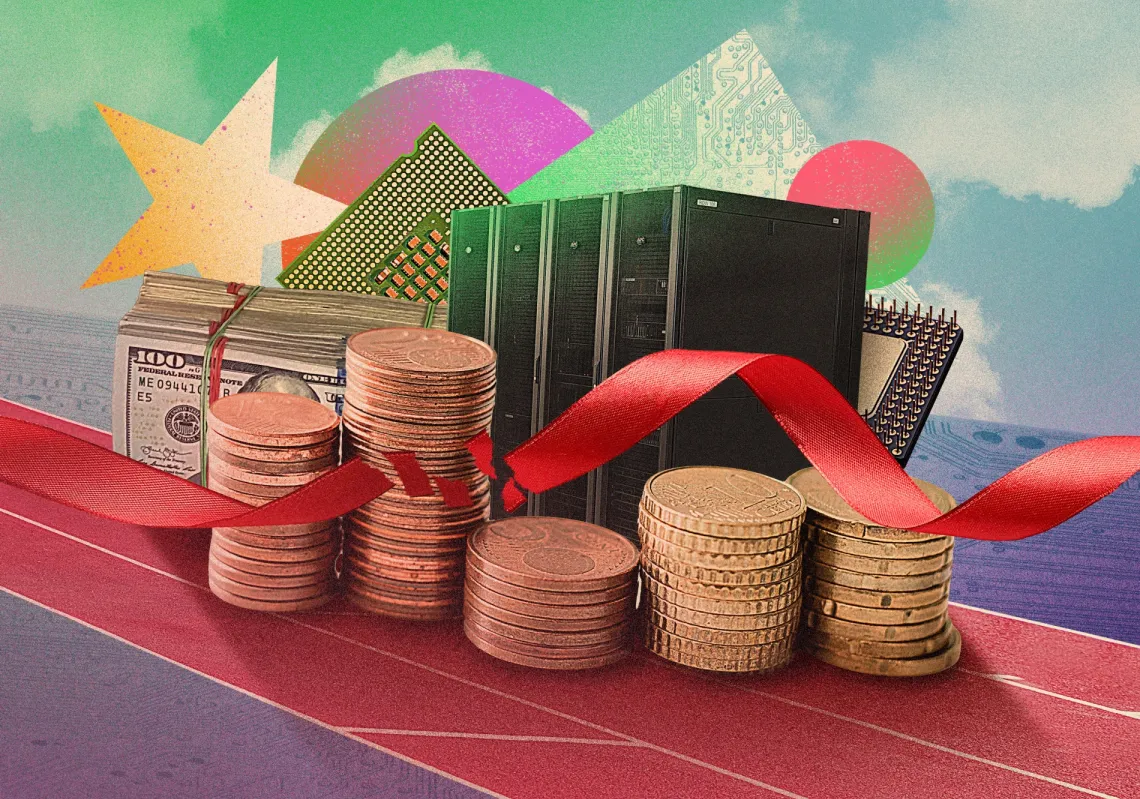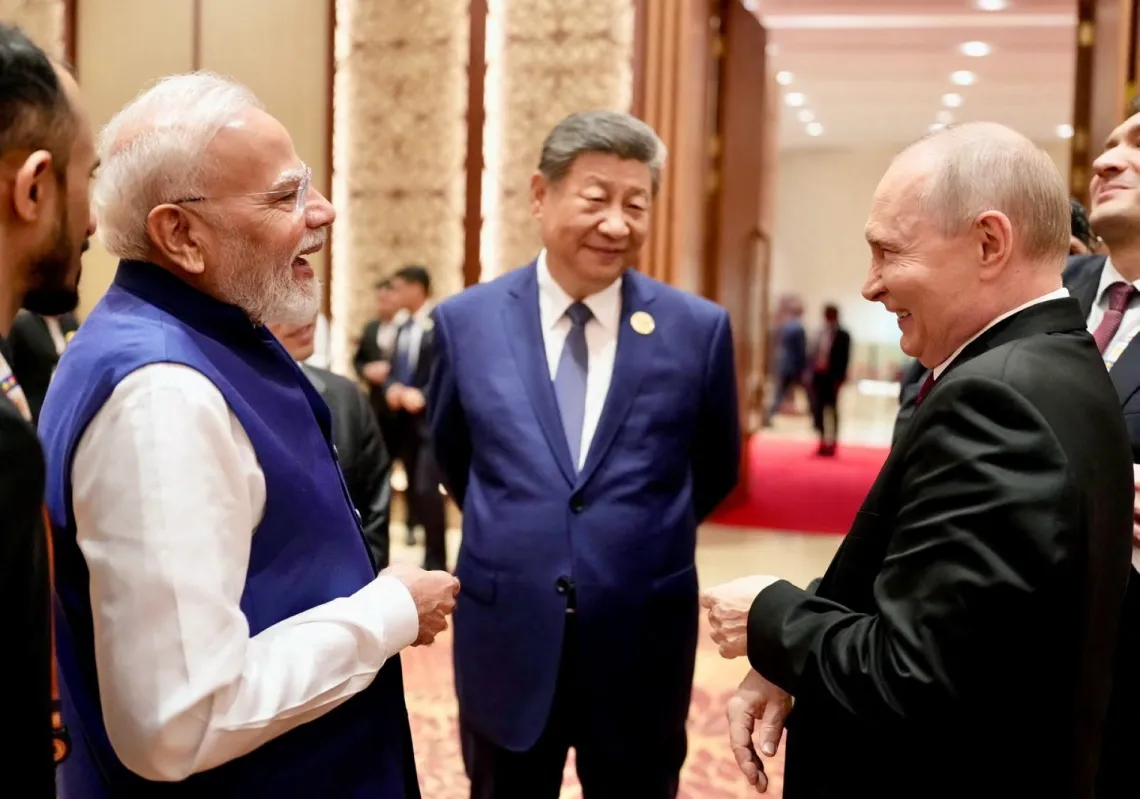
The jewel in the crown of the International North-South Transport Corridor which, links Russia with the Middle East, shows new forms of co-operation bringing trade breakthroughs. It may lead to more.
Despite his impressive CV as a heart surgeon fluent in English, the 'reformist' is still seen as a weak head of government. This is precisely why he was believed to be Khamenei's favourite pick.
Two key candidates—Mohammad Bagher Ghalibaf and Masud Pezeshkian—are promising to make a deal with the West to lift the sanctions, while Saeed Jalili is pushing for ties with non-Western countries
A pact signed by Iranian Premier Mohammad Mosaddegh and Syrian President Fawzi Selu quickly soured after the two leaders were toppled. Relations remained icy until Khomeini came to power in 1979.
The former journalist and thriller writer tells Al Majalla what inspires him to depict the reality of the Middle East and the wars that have gripped the region
Nada al-Azhari's 'An Arabian in Iran' shows how the country's people have been cut off from the region by the regime. Full of insight into daily life, it captures a sense of post-imperial turmoil
An important institutional body with an 8-year term, this collection of ageing and sclerotic clerics is meant to wield real power by overseeing the Supreme Leader. In practice, they simply nod along.
A fiery speech hails the pre-war Arab-Israeli rapprochement as dead, showing how Tehran sees the Middle East eight months after Hamas attacked Israel, while Hezbollah is also hoping to gain.
Although most drones and missiles were shot down, Israel might not have been so successful without the help of its allies. Al Majalla explains how 13 April reset the regional power balance.
As support for Israel weakens across the US political spectrum, once-taboo questions about military aid, lobbying influence, and US backing are moving into the mainstream
Algeria is one of Africa's largest producers of hydrocarbons, and its proximity to customers in Europe makes it of growing interest as importers fret over a prolonged supply crisis from countries
Through extravagant processions led by palace women, the Mamluk state projected a message of power and prestige at home and abroad, turning the Hajj obligation into a soft-power tool