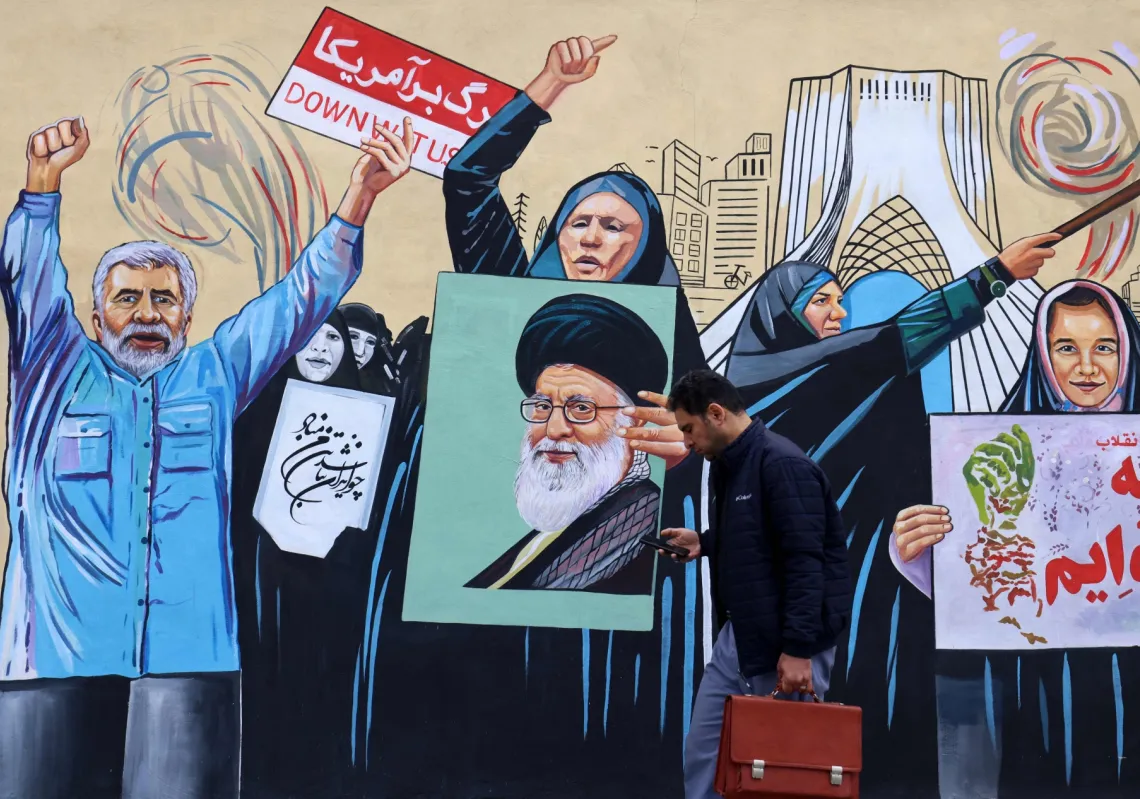
Trump's appeal to Iranians to seize their freedom once American and Israeli strikes are finished fundamentally misreads a people whose history has taught them key lessons
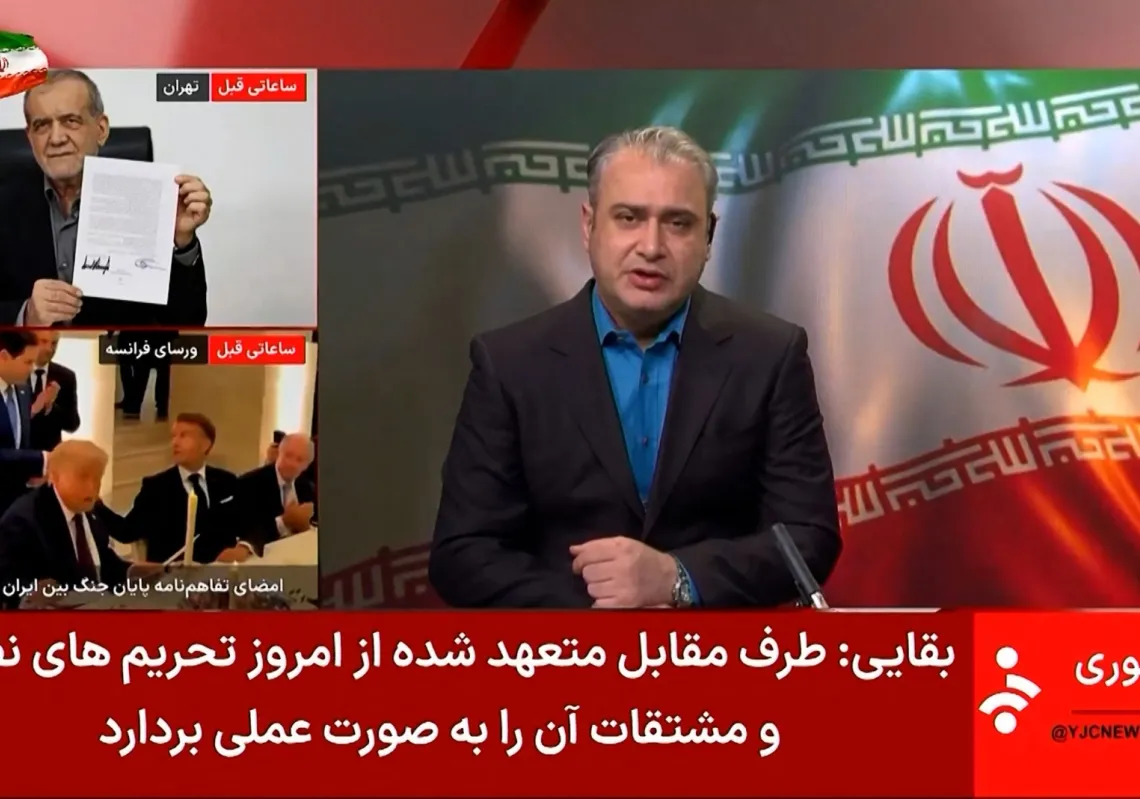
The US and Israel carried out strikes across Iran, and Tehran has retaliated by striking US/Israeli assets across the region. Could this turn into the regional war analysts have been warning about?
Military strategists have long warned that war should be waged only if those waging it know what they want to achieve. Herein lies a problem: Washington's war aims in Iran are incoherent.
Quick, in-and-out precision operations that inflict maximum damage with minimum US casualties have long been a favoured tool of US presidents. Is Trump planning one for Iran?
Tehran isn't likely to easily fold if/when Trump attacks. This means that the longer a military confrontation drags out, the more untenable Washington's position becomes.
Trump will be wondering if a military confrontation with Iran would help or hurt his dwindling popularity at home, making his decision to strike one of the riskiest bets of his presidency
The United States is bolstering its military presence across the Middle East ahead of scheduled nuclear talks with Iran in Geneva, while simultaneously preparing strike options if diplomacy collapses…
As the US and Iran head to talks in Geneva, competing forces are pulling Trump in opposite directions. There are only two "good" scenarios in front of him, and neither will be easy to achieve.
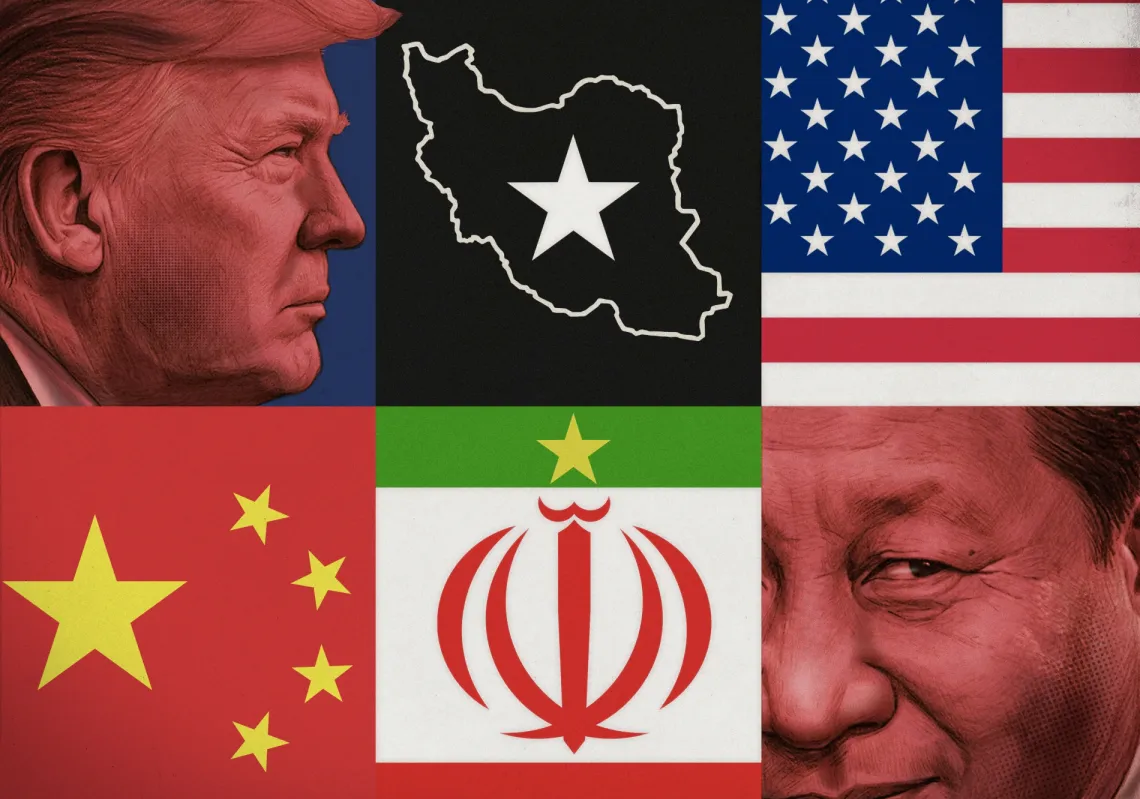
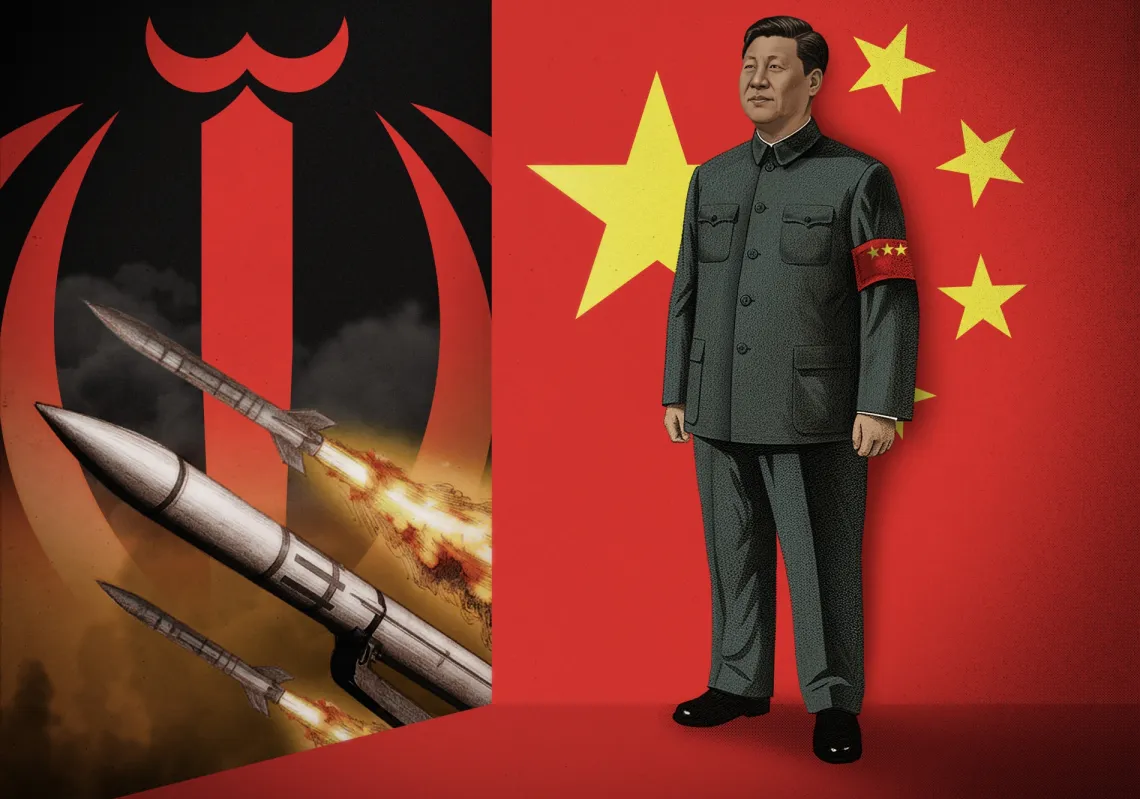
While all the effects of this conflict may take time to fully realise, short and medium-term signs expose the limits of US power and see America's rivals benefiting
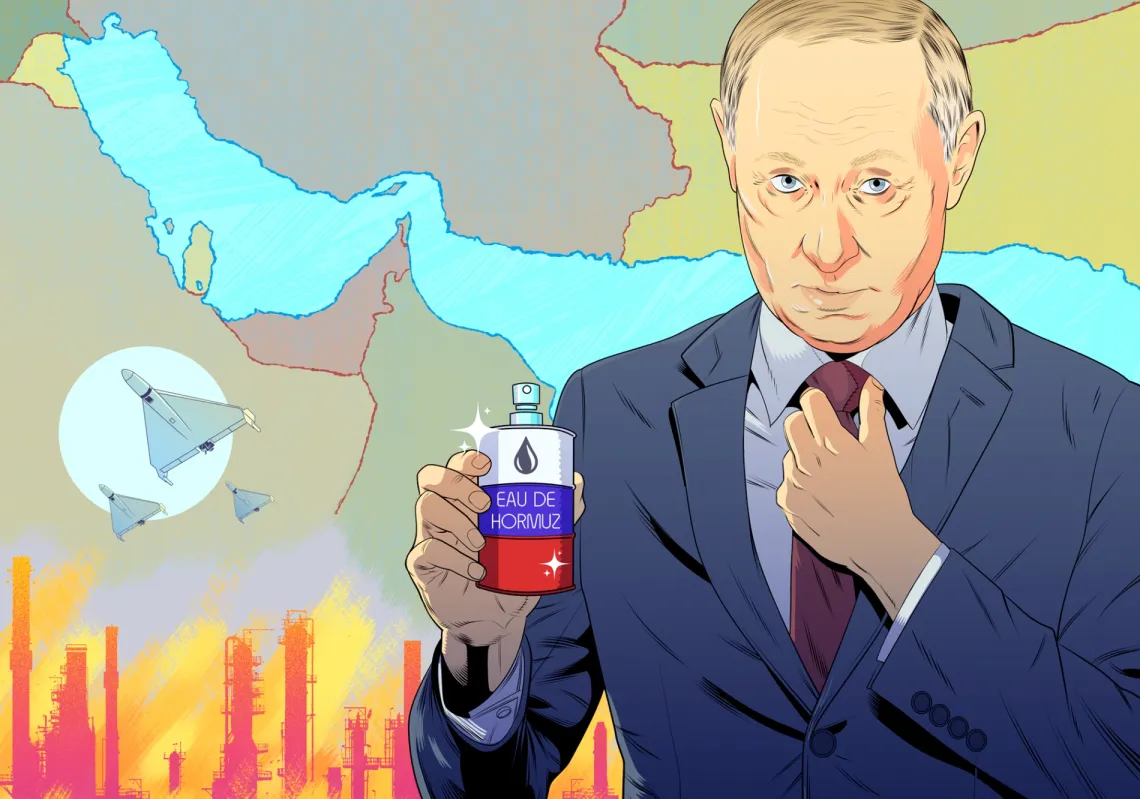
Closing the Strait of Hormuz has shown how the Gulf should shift from an oil-export model to a digital and distribution hub. Will this trigger the long-delayed free trade agreement with China?
Building on the ten-day ceasefire announced by US President Donald Trump, time will tell if these talks are a one-off or the beginning of a different path for Lebanon.
Egyptian heritage researcher Haytham Abu Zayd sheds light on how the art form grew, excelled, and then declined over the years and ends by offering a path to revival