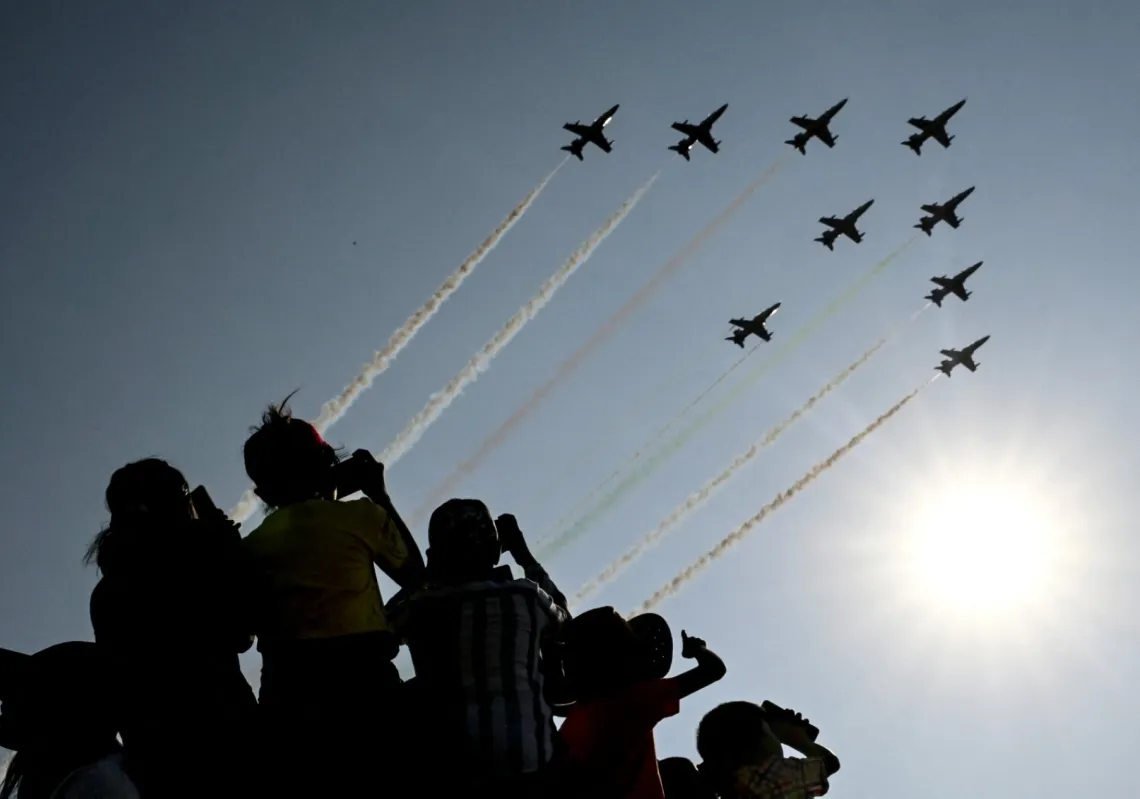
A $86.7bn budget, rapid naval expansion, and longer-range missile development underline New Delhi's drive to modernise its forces and compete more assertively with China and Pakistan
After Pakistan's recent military tensions with India, Pakistan's army chief Field Marshal Asim Munir emerged as a powerful and stabilising force. Who is he?

The recent military flare-up begged questions on who would win in the event of a nuclear or conventional war. Here, Al Majalla compares their arsenals and respective journeys to become nuclear powers.
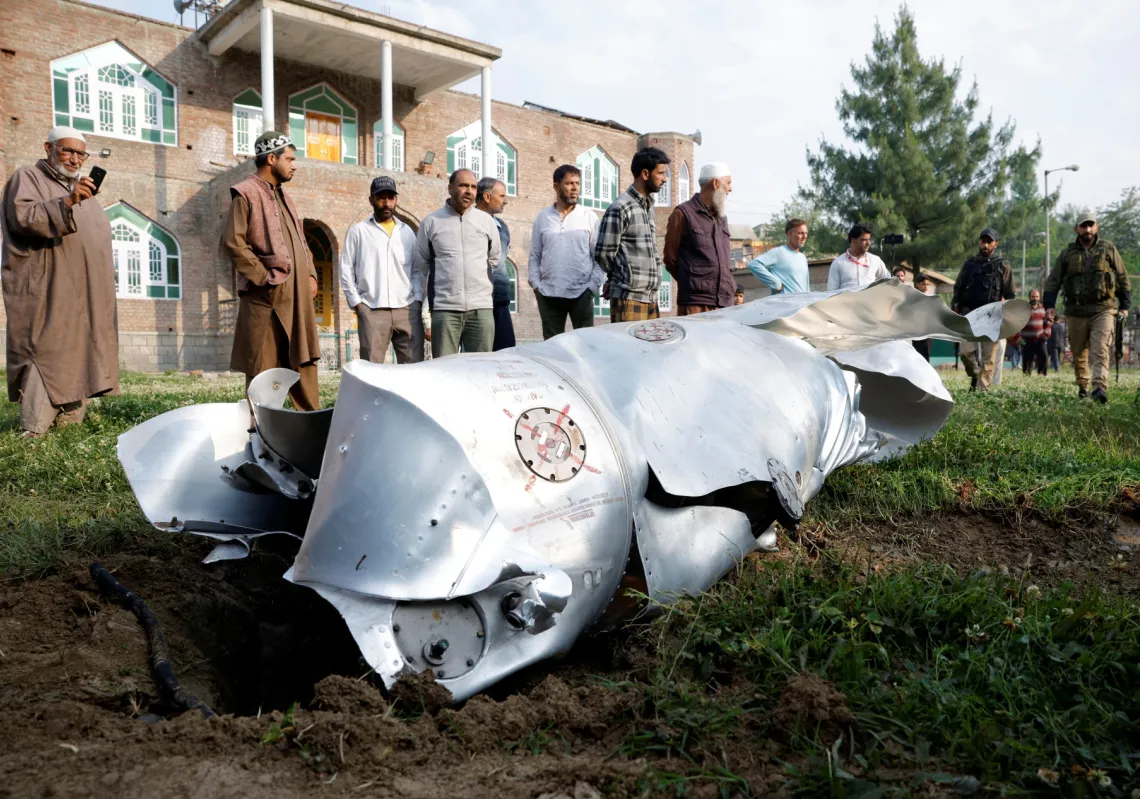
India-Pakistan tensions reached a fever pitch after a 22 April attack in Pahalgam, a town in Indian-controlled Kashmir, a disputed region divided by a de facto border called the Line of Control. The…
With "three dozen countries" involved, international diplomacy was key to de-escalation, showing how a multipolar world can offer more levers for peace
When states are attacked, authority gravitates towards institutions capable of mobilising resources, enforcing discipline, and coordinating a military response
Cairo and Tehran have been at loggerheads since 1979, but the Iranian threat has always acted as a check on Israeli ambitions. If Iran is completely defeated, Israel will reign supreme.
Even if it stays on the sidelines of the US-Iran war, the country is fragile. Unlike larger economies that can absorb shocks in global markets, it has little room to cushion the impact.