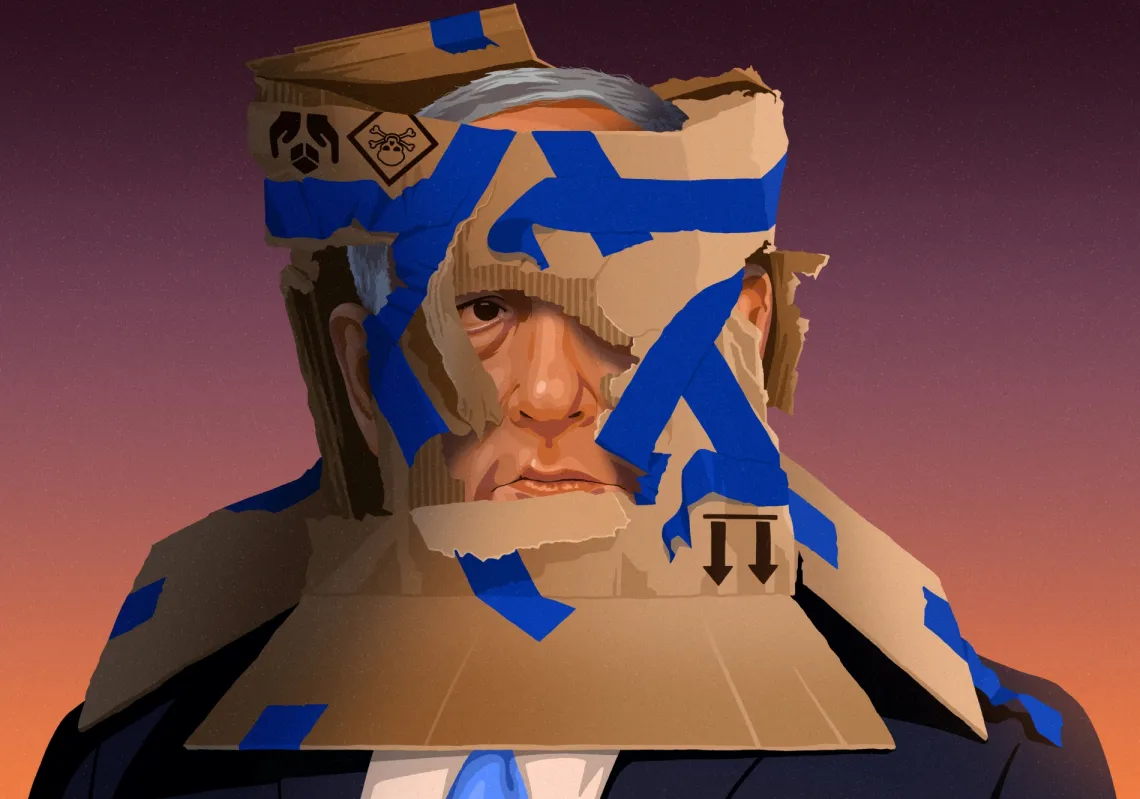
The Israeli premier's political survival skills are renowned, but this time, he is boxed in tightly by Trump, the far right, and the Haredim. March will be an interesting month.
Palestinians have always clung to their traditions. Music is one of them. Amid the death and destruction, Gaza's displaced find solace in songs of resistance and steadfastness.
For months, Netanyahu has touted that he would not relent until he secures "total victory" over Hamas. But with the group still standing after the truce, it has essentially won.
As Biden and Trump quibble over credit for Gaza ceasefire, it is the latter who will take up the presidential mantle in a few days. Pining over a Nobel Prize, he could push for a more lasting peace.
It didn't have to be this way, but Biden's foreign-policy legacy will be a world that is less rule-bound, less prosperous, and significantly more dangerous
The arrest of Dr Hussam Abu Safiya in northern Gaza shows that destruction is not the only aim of the occupation; humiliation is also a key component of Israel's war of annihilation
From Gaza to Lebanon and Syria, this is the story of a year of tumult and surprise which has reshaped the region and echoed through global affairs. And Trump's return means more uncertainty ahead.
The region is changing, in part due to Israel's own successes. But if it leaves foreign policy decision-making to a heavily politicised clique, it may not be able to reap the rewards.
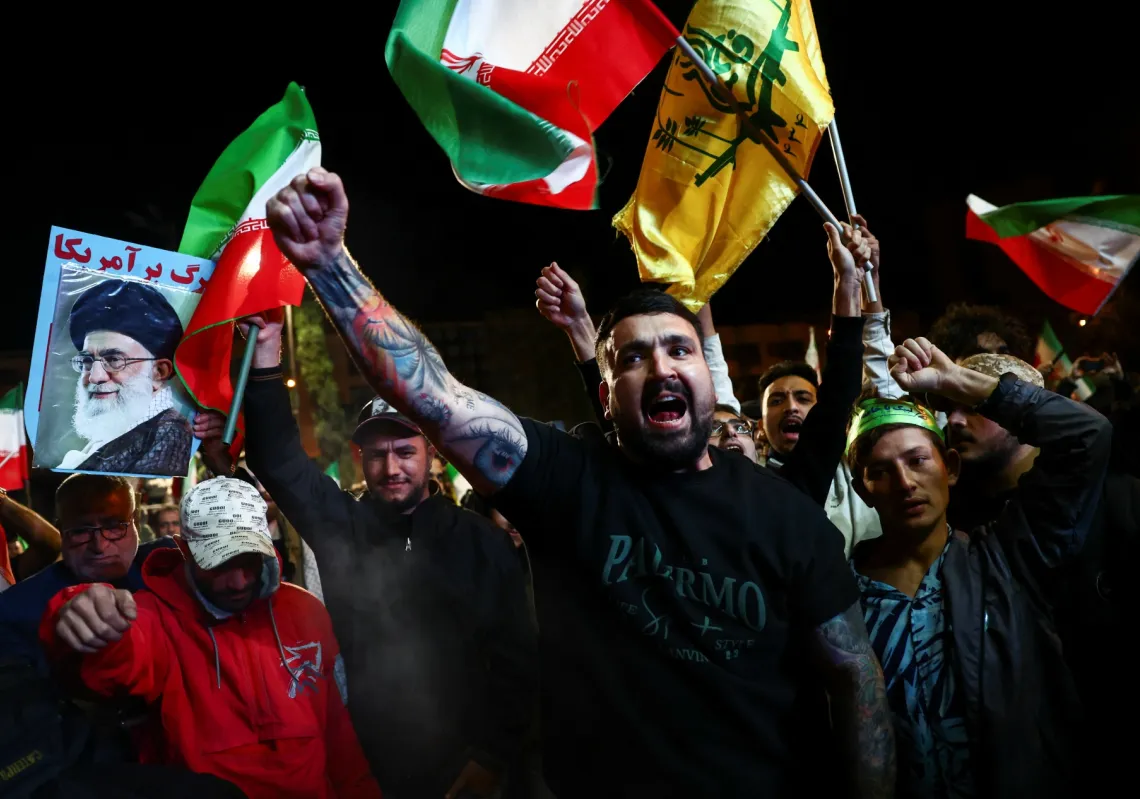
If the ceasefire collapses, China has an interest in getting the two sides back to the table, but it would be a difficult task given Tehran's deep mistrust of the US and Israel.
Israel's parliament approved a draconian death penalty law last week that only applies to Palestinian prisoners, in a move that the UN says "would constitute a war crime"