Washington seems to have changed its tone after the RSF committed atrocities in October, putting increasing pressure on the foreign backers of a paramilitary that now controls Darfur. What next?
When there were allegations of ethnic cleansing in Darfur in 2003, celebrities and others were up in arms. Today, with 60,000 reportedly killed in three weeks, protests are few. Why the change?
The RSF's complete control of Darfur could facilitate smuggling, terrorism, and mass displacement, potentially giving Egypt a big problem on its southern border
After over 500 days of a crippling blockade, the city finally fell to the RSF, cementing their control of the giant Darfur state in western Sudan and giving them full access to key supply routes
The army's defeat in such a strategically significant clash could leave a powerful militia in full control of the country's western regions, give it supply lines, and leave millions facing atrocities.
The RSF—a militia behind a series of war crimes in western Sudan—is preparing to storm the final area of Darfur, where thousands are sheltering. Contrary to RSF spin, the UN warns of massacres.
After taking control of the regional army HQ, the militia resumed its racist violence against a tribal people, killing one of the country's most respected leaders and turning their guns on civilians
Recent reports in the US about the exploding African population, and future estimates of Africans becoming a third of the world population by 2100, mentioned the Sudanese capital Khartoum as one of…
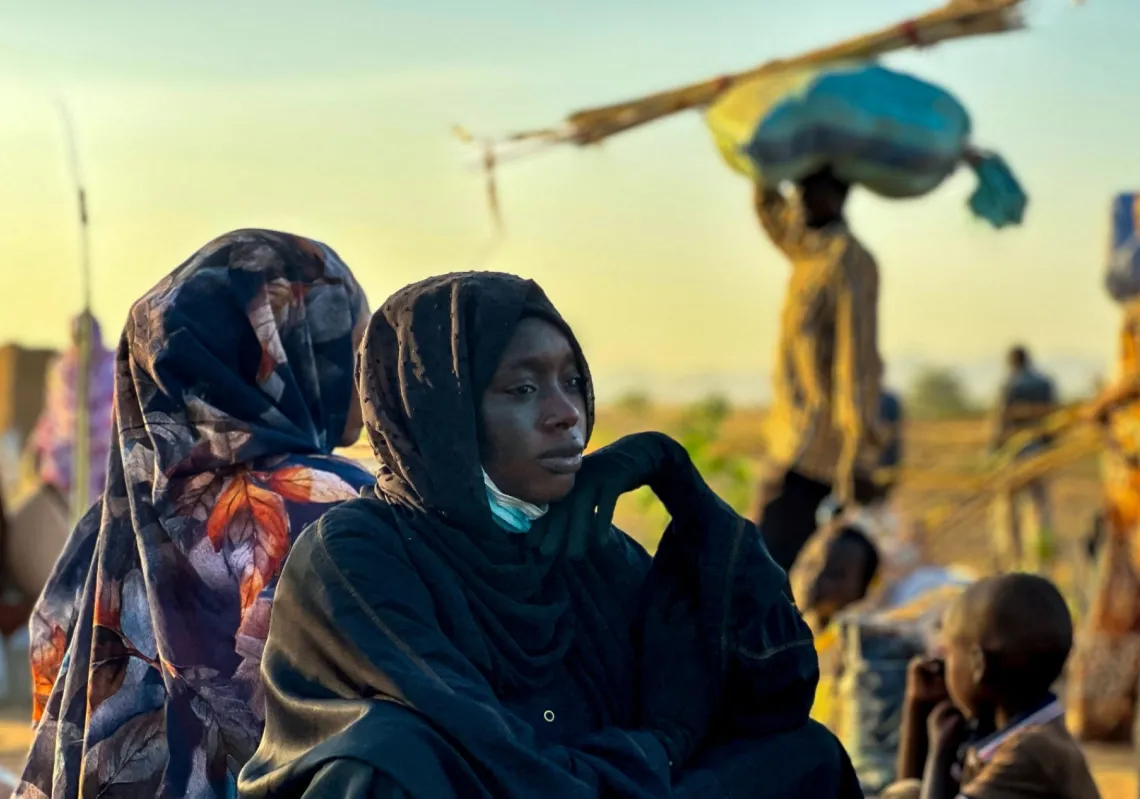
Rashida and Hawa sift through heaps of ashes that used to be their homes, looking for lost belongings. Broken pots, scorched bricks, a pair of pink baby’s sandals. Hawa breaks down in tears at the…
A US-Israeli attack on Iran has turned into a regional war, sending Brent crude prices over $100 a barrel, and throwing shipping, inflation, and monetary policy into turmoil
The current conflict is unlikely to go global for now, but the speed at which it has spread regionally is alarming. A look at history shows the geopolitical factors that led to world wars.
Riyadh and Cairo are trying to ease the acute oil shortfall through alternative pipelines, but these are just band-aid solutions, as the world's most vital energy corridor remains closed by Iran
The rushed 2025 rollout raised questions about the government's seriousness. Since then, no meaningful record has been published, fuelling fears that it was just a show.