There are plenty of opportunities to showcase Arab heritage, literature, and culture around the world, but as this special report shows, they are not being fully seized
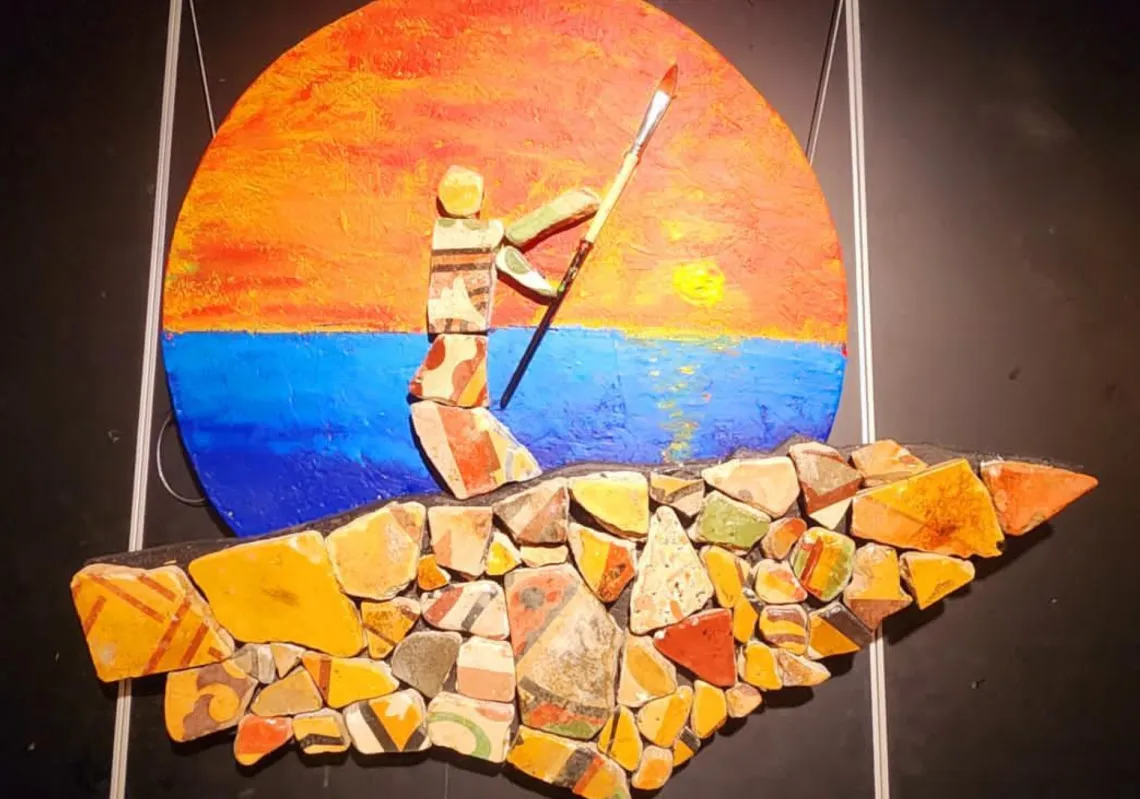
Mohammad Qundus uses the fragments of former lives in his latest exhibition that seeks to reaffirm the Palestinian presence of today and its connection to the past
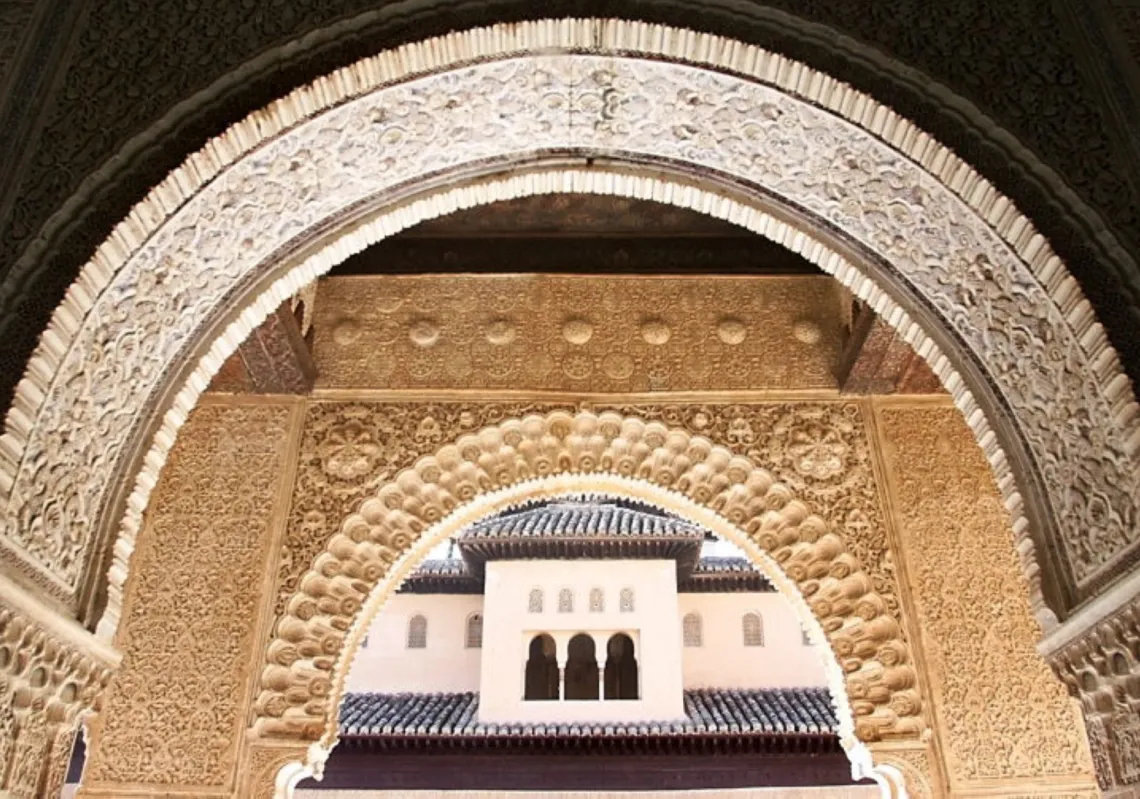
In this melodious north-western corner of Tunisia, there are plenty of reasons to be wistful, as memories of a glorious cultural era fade. Yet there are also reasons to hope.
Part of Lebanon's rich cultural heritage, the tall, conical headdress associated with princesses sparked the curiosity of a global audience when it made a cameo at the Miss Universe pageant
Al Majalla speaks to a researcher who has spent years studying the stamps of the Arab world, learning how they act as a medium through which nations shape and project their identity.
The acclaimed Emirati author uses the fleeting details of everyday existence to tell stories filled with insight into the human condition. She tells Al Majalla about her approach and how it works.
The Iraqi poet and recently appointed director of the Arab World Institute in Paris talks about stones, the overlap between diplomacy and literature, and what gives him 'the spirit of life'
The visionary painter died 50 years ago. He was just 35 and had only put his work on show once. Cairo is displaying his influential and unique pieces, which helped modernize Egyptian and Arabic art.
The American CIA director's visit looks to be a desperate attempt by the Trump administration to avert a doomsday scenario in which NATO is pulled into a larger war with Russia
Al Majalla looks at the former army general's career, political positions, possible paths to victory, and what a change in leadership could mean for Israel and the region after three years of war
As social media transforms how people seek medical advice, figures such as Barbara O'Neill offer something conventional medicine rarely can: absolute certainty
The Iran war exposed the risks of being too closely tied to US military posture, which is why some Gulf states are repositioning themselves not merely as consumers of security but as architects of it